7 Hardscaping Ideas That Solve Common Backyard Problems
A backyard can look perfectly fine and still be frustrating to use. The patio edges get muddy after every rain, the fire pit feels stranded on the lawn, or the slope near the garden becomes a space no one really uses. It is easy to blame the furniture, the plants, or the yard's size, but many of these issues come down to structure.
Smart hardscaping can help an outdoor space work better without making it feel overbuilt. Paths, borders, walls, lighting, and drainage-friendly surfaces give a yard shape and purpose, making it cleaner, safer, and easier to enjoy.
*This post may contain affiliate links and I'll earn a commission if you shop through them. You can read my full disclosure here.
1. Use Walkways to Connect Scattered Backyard Areas
A backyard starts to feel awkward when every feature sits on its own little island. The patio is near the house, the garden runs along the fence, the shed is tucked in the corner, and the fire pit sits somewhere out in the lawn. Each space may be useful on its own, but without a clear way to move between them, the yard can feel disconnected.
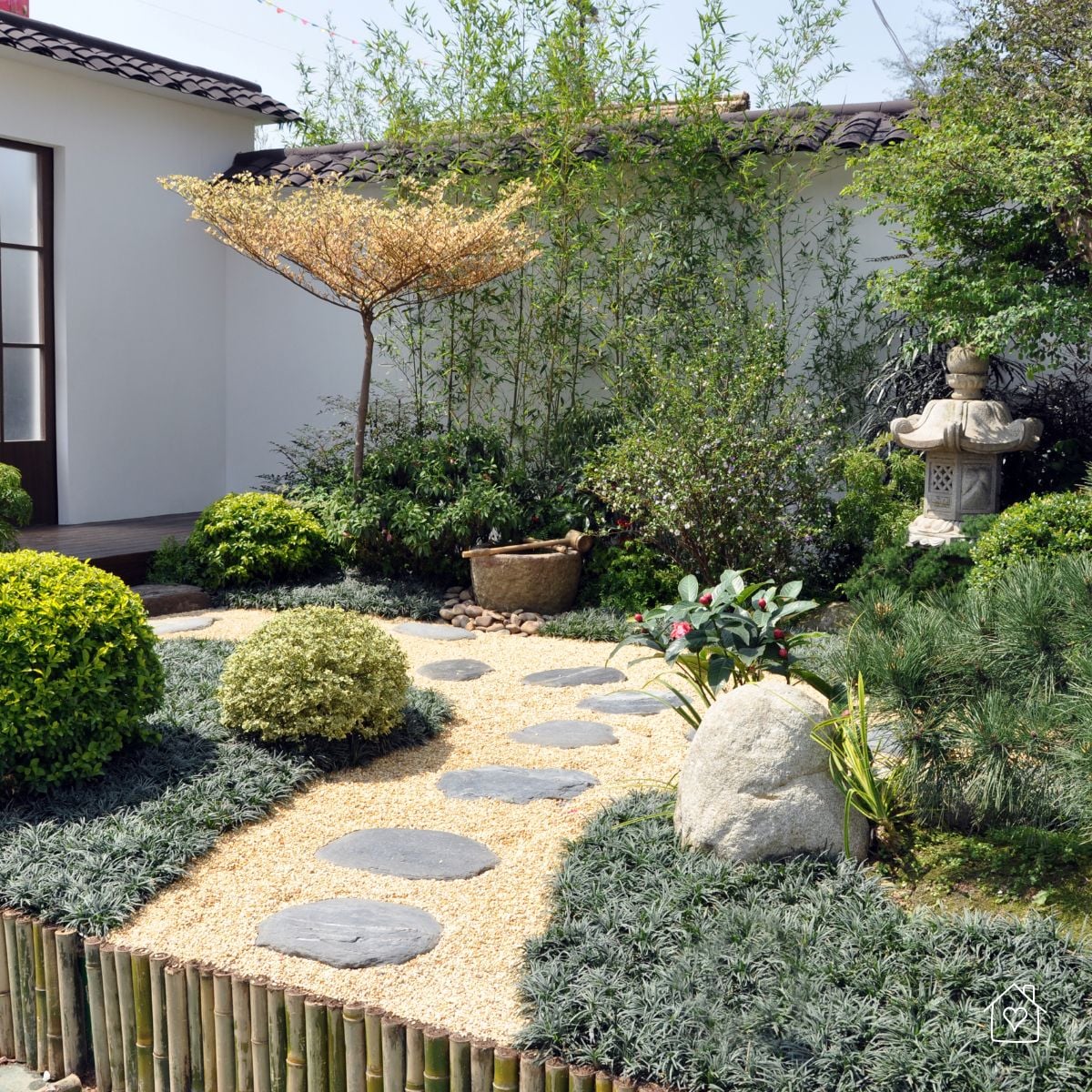
Walkways pull those areas together. They guide foot traffic, protect grass from worn paths, and make the layout feel more intentional. A gravel path, stepping stones, brick pavers, or a gently curved walkway can connect the busiest spots without making the space feel stiff or overly formal.
The best walkways follow the routes people already use in the yard. If everyone cuts across the same patch of grass to reach the garden gate, seating area, or shed, that is probably where a walkway belongs. Good hardscaping should make movement feel easier, not force people onto a route that doesn't make sense.
2. Add Patio Edging to Keep Mud and Mulch Out of Seating Areas
Patio edges take more abuse than most homeowners expect. Rain splashes soil onto the surface, mulch drifts out of nearby beds, and grass can creep into cracks over time. Even a nice patio can start to feel messy when the edges are never clean.
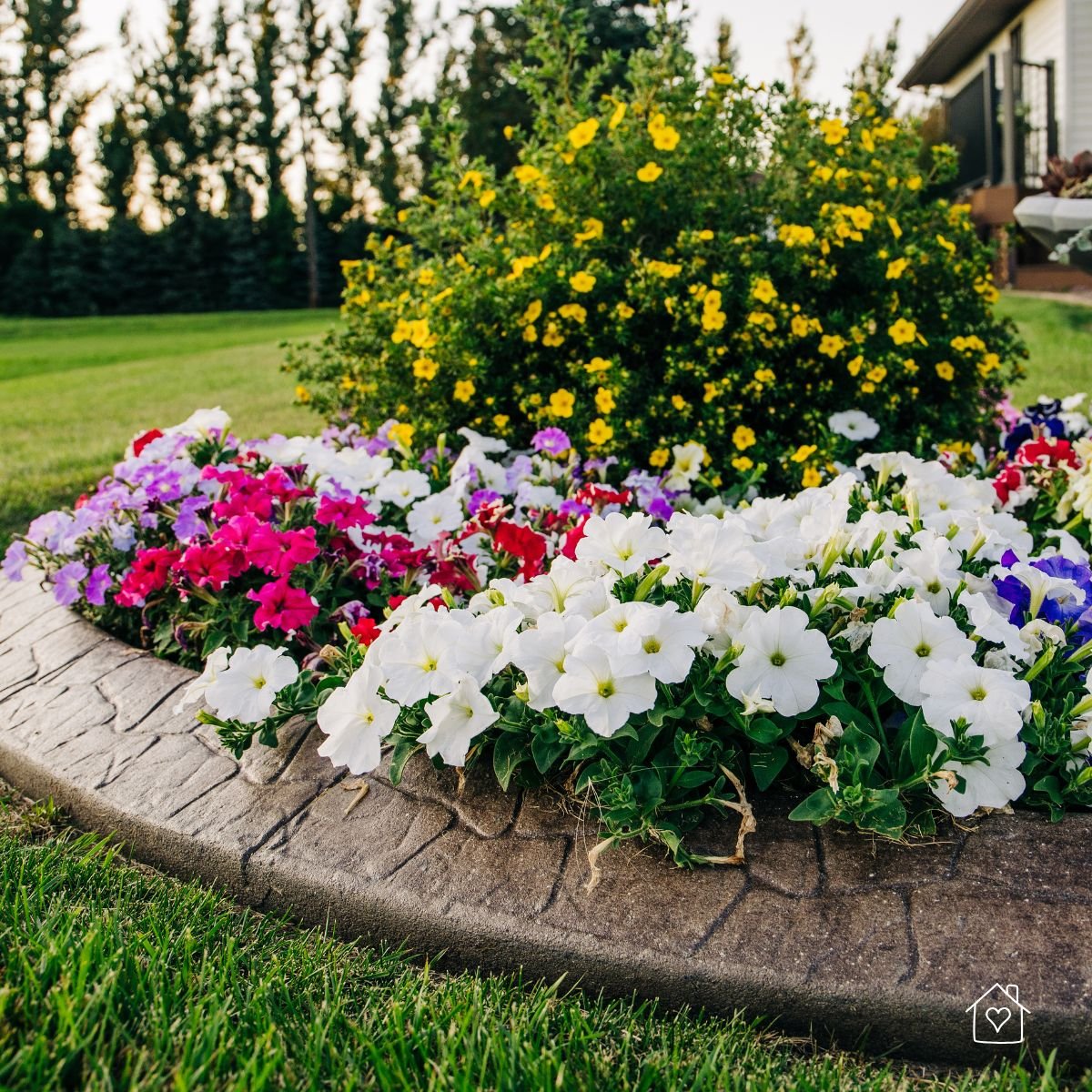
A defined border helps keep materials where they belong. Stone edging, paver borders, gravel strips, or low masonry edges create a cleaner transition between the patio and the rest of the yard. They can also make mowing and maintenance easier by clearly defining the lawn, garden beds, and hard surfaces.
This detail does not have to feel formal. A soft curve, natural stone edge, or narrow gravel buffer can keep the area tidy while still matching the style of the yard. Sometimes a small edge makes a bigger difference than new décor because it helps the whole space stay cleaner with less effort.
3. Use Retaining Walls to Turn Slopes Into Usable Space
A sloped yard can make even a generous outdoor area feel limited. Furniture sits unevenly, garden beds wash out after heavy rain, and the most dramatic part of the yard often becomes the least practical. The issue is not always the slope itself. It is the lack of flat, dependable space around it.
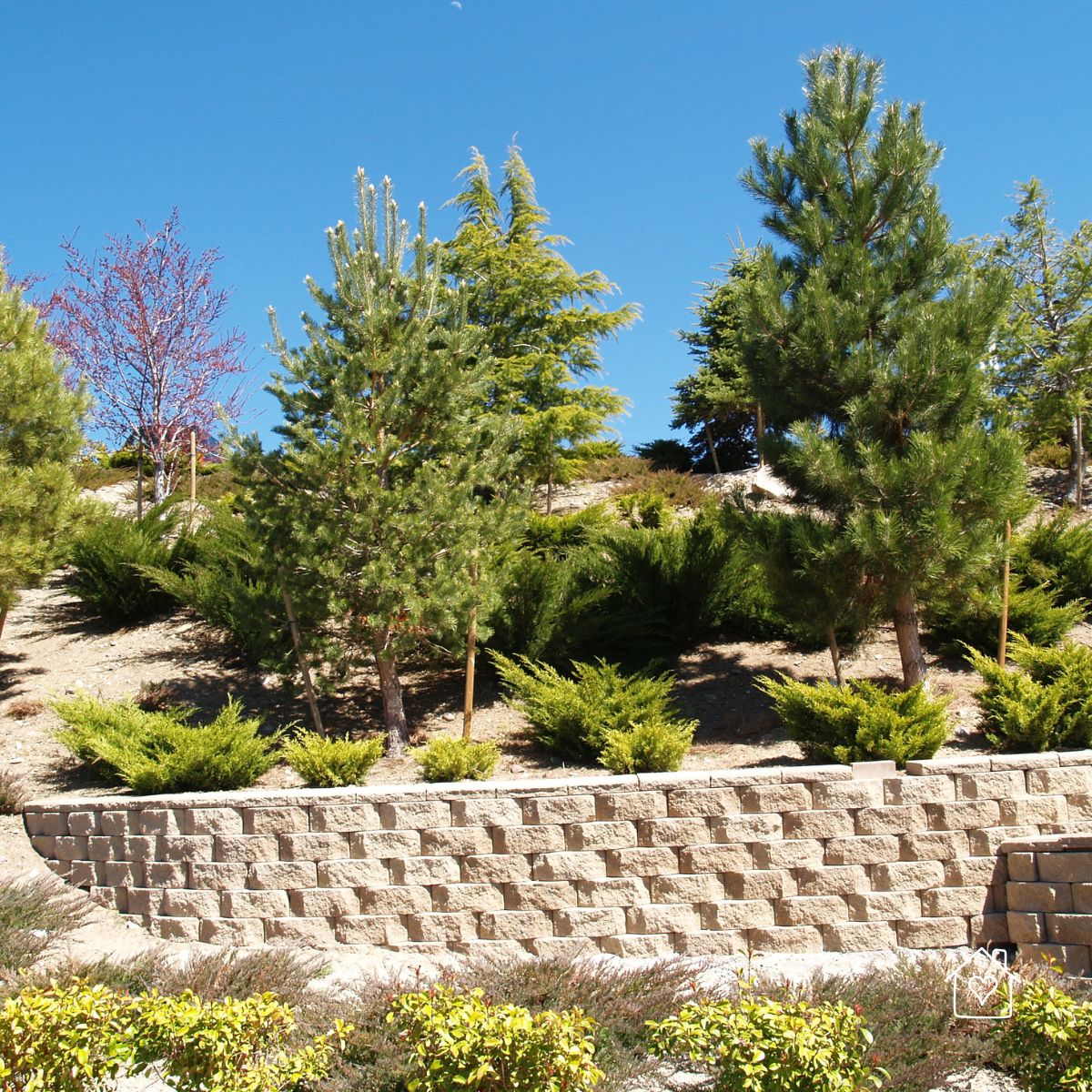
Retaining walls can create level areas where the yard can actually function. A low wall might support a planting bed beside a patio. A terraced wall can turn a steep grade into layered spaces for seating, steps, or garden beds. In the right spot, a wall can also make the yard feel more organized by giving each area a clearer purpose.
This is where the full layout matters. A wall changes more than the grade. It affects where steps belong, how water moves, where a patio can sit, and how people travel from one part of the yard to another. That is where design-build work from Tussey Landscaping fits naturally into the conversation, since retaining walls, patios, walkways, and planting areas often need to be planned together so the space feels useful rather than pieced together.
A good retaining wall should do more than hold soil in place. Done well, it can turn a difficult part of the yard into one of the most practical areas.
4. Create a Fire Pit Area That Feels Like a Destination
A fire pit can look out of place when set in the middle of the yard with no clear purpose. Without defined seating, a stable surface, or an easy path from the house, it can feel more like an object in the lawn than a place people want to gather.

Hardscaping provides structure for a fire pit area. A gravel pad, paver circle, stone border, or small patio extension makes it easier to arrange chairs safely and comfortably. It also helps keep the area cleaner, especially when the ground is damp or the grass has been worn down by foot traffic.
Placement matters as much as the fire pit itself. It should feel connected to the main patio without crowding dining or
5. Choose Drainage-Friendly Surfaces for Wet Areas
Puddles and muddy patches can make a backyard feel messy even when the rest of the space is well cared for. Low spots, compacted soil, and solid surfaces that send water in the wrong direction often create the same problem after every heavy rain.
Drainage-friendly hardscaping helps water move through the yard instead of collecting where people walk or sit. Gravel paths, permeable pavers, spaced stepping stones, and properly graded patio areas can reduce standing water while still giving the yard a finished look. These materials are especially helpful in side yards, garden paths, and patio edges where grass tends to wear thin.
For areas that stay wet after storms, permeable pavement can help collect and filter stormwater through the surface instead of sending it across walkways or allowing it to pool near seating areas. The right material can make a problem spot easier to walk through, easier to maintain, and far less frustrating after bad weather.
6. Add Lighting Around Steps, Paths, and Patio Edges
A backyard can feel less useful once the sun goes down, especially around steps, uneven paths, and patio edges. Dark corners make it harder to move around safely, and they can make an otherwise comfortable outdoor space feel closed off at night.

Lighting works best when it supports the hardscaping already in place. Step lights make height changes easier to see. Path lights guide people between the house and seating areas. Low wall lights can brighten retaining walls without making the yard feel harsh or overlit. Even a few well-placed fixtures can make the space easier to use after dinner or during cooler evening hours.
The goal is not to flood the yard with light. Softer lighting near the areas people actually use can make paths clearer, patios more inviting, and gathering spots easier to enjoy while keeping the relaxed feel of being outside.
7. Use Borders and Defined Zones to Make the Yard Feel Finished
A backyard can feel unfinished even when the lawn is healthy, the furniture is in place, and the plants are doing well. Definition is often the missing piece. Without clear edges or zones, everything can blend together and feel loose instead of welcoming.
Hardscaping adds structure. A stone border can separate a garden bed from the lawn. A small patio extension can make room for a grill or extra chairs. A low wall can frame a seating area without closing it in. Even a simple gravel strip between the patio and planting beds can make the yard feel cleaner and more intentional.
Defined zones make the space easier to use. A dining area, firepit spot, garden path, or quiet corner feels more inviting when it has a clear shape and purpose. Using decorative stones around beds, paths, or focal points can give those areas a finished edge without making the yard feel crowded.
Conclusion
Hardscaping works best when it solves the everyday problems that make a backyard harder to enjoy. A path can connect scattered areas, a border can keep patio edges tidy, and a retaining wall can turn a slope into usable space. These choices do more than change how the yard looks. They make it easier to walk through, maintain, and use.
The most effective backyard updates usually start with a simple question: what is making this space difficult right now? Once that problem is clear, the right hardscaping idea can make the whole yard feel more comfortable, practical, and complete.