The Biggest Home Design Trends in Australia Right Now
*This post may contain affiliate links and I'll earn a commission if you shop through them. You can read my full disclosure here.
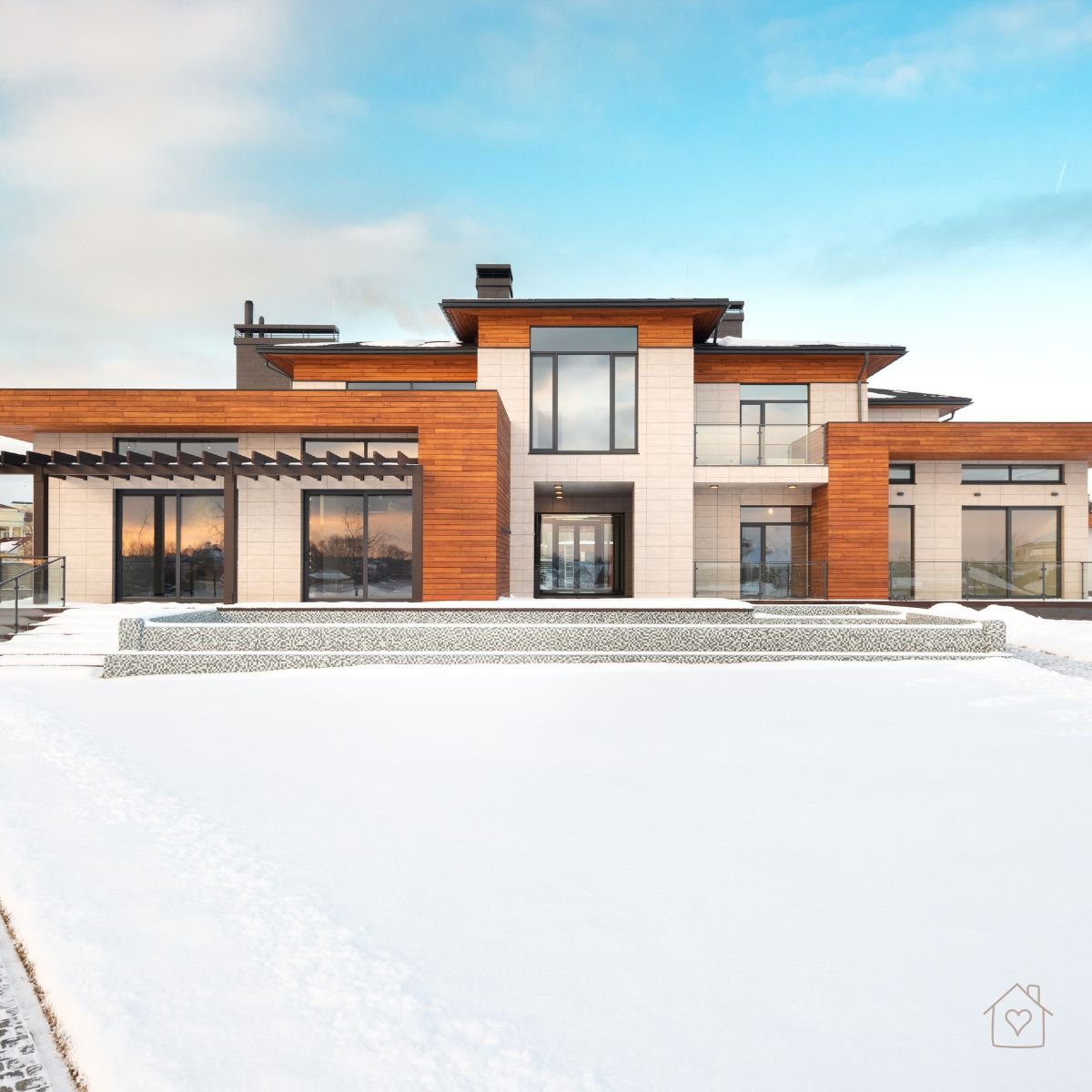
Australian design has changed dramatically. The stark whites and cool greys no longer rule our homes. A renaissance of color, texture and personality now shapes living spaces throughout the country for both interior projects and external and exterior cladding design.
The year 2025 brings "a sea of new ideas for how to make your home pop". Australian interior design styles now embrace warmth and expression in unprecedented ways. Neutral tones have lost their grip on the design world, as homeowners create vibrant, expressive spaces that showcase their personality and creativity. Nature-inspired tones make modern Australian interiors look and feel inviting. New concepts like "dopamine décor" - small changes that boost positive feelings in your space - have become popular.
The sterile, all-white interiors that dominated the mid-2000s are now "a mere memory". Pantone's choice of 'Mocha Mousse' as the Color of the Year for 2025 suggests richer brown hues might replace whites and greys as the new neutral canvas for homes. These design shifts reflect more than aesthetic changes - they reveal our deeper need for spaces that tell unique stories through "considered layers and expressive details".
Warm and Earthy Color Palettes
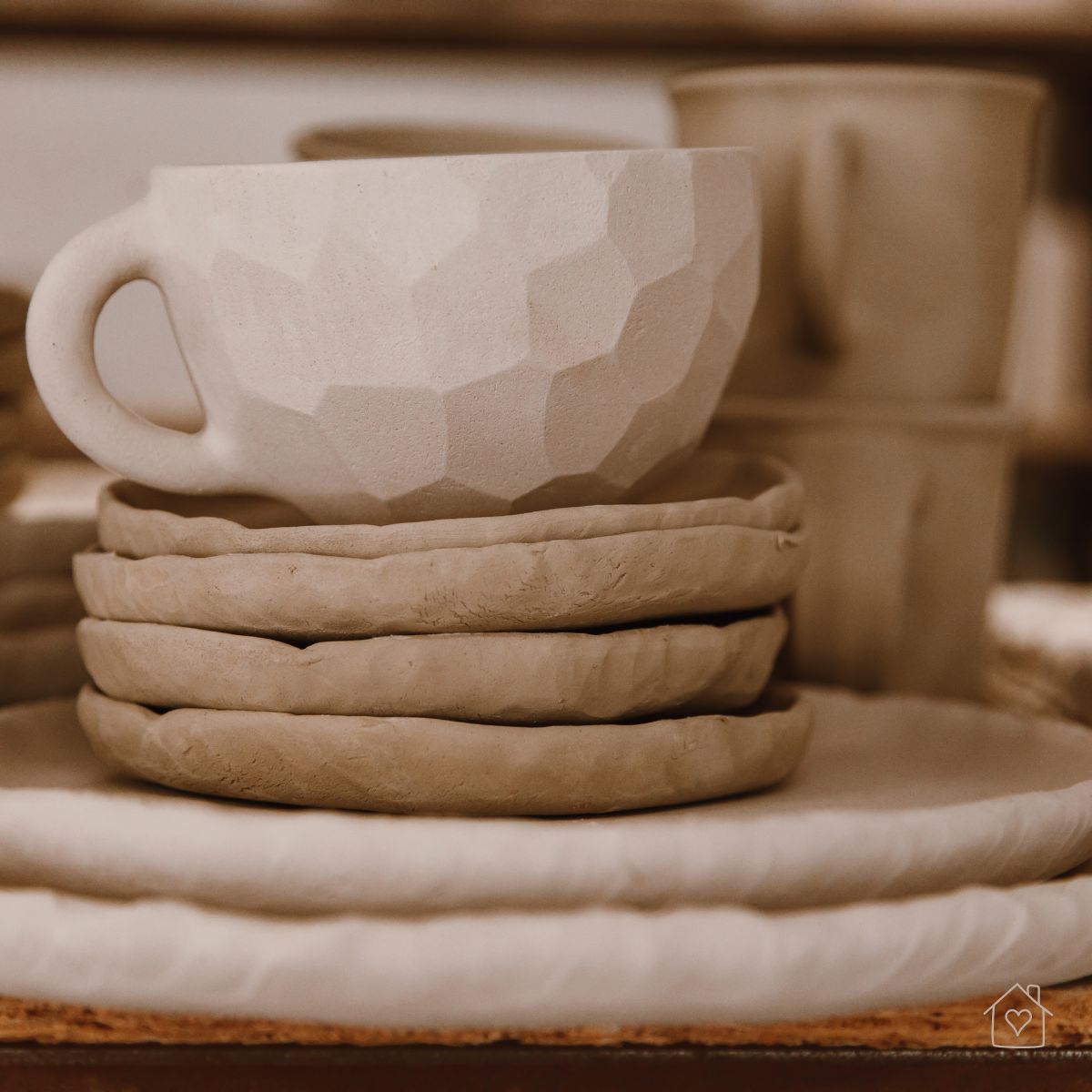
Australians now lean towards warmer, richer tones in their homes. These colors create spaces that feel cozy yet sophisticated. This change in color priorities shows our need to feel more connected with our natural surroundings.
From stark whites to sun-washed tones
Cool greys and clinical whites no longer rule Australian interiors. Homeowners now choose warm neutrals and sun-washed colors that create a sense of calm. The pandemic became the most important factor in this change. Families spent more time at home and yearned to bring nature indoors. The result created living spaces that feel nurturing rather than sterile.
Modern Australian interior design features softer, warmer whites like Dulux's Natural White™. These pair with taupes, sandy beiges, and greiges to create versatile backgrounds for bold design elements. Such colors let our homes breathe and protect us from daily life's constant stimulation.
Popular shades: ochre, olive, clay and ocean blue
Australian interior design now mirrors our unique landscapes. Muted ochres and clay pinks reflect our sunbaked outback. Ocean blues and eucalyptus greens bring our coasts and bushlands inside.
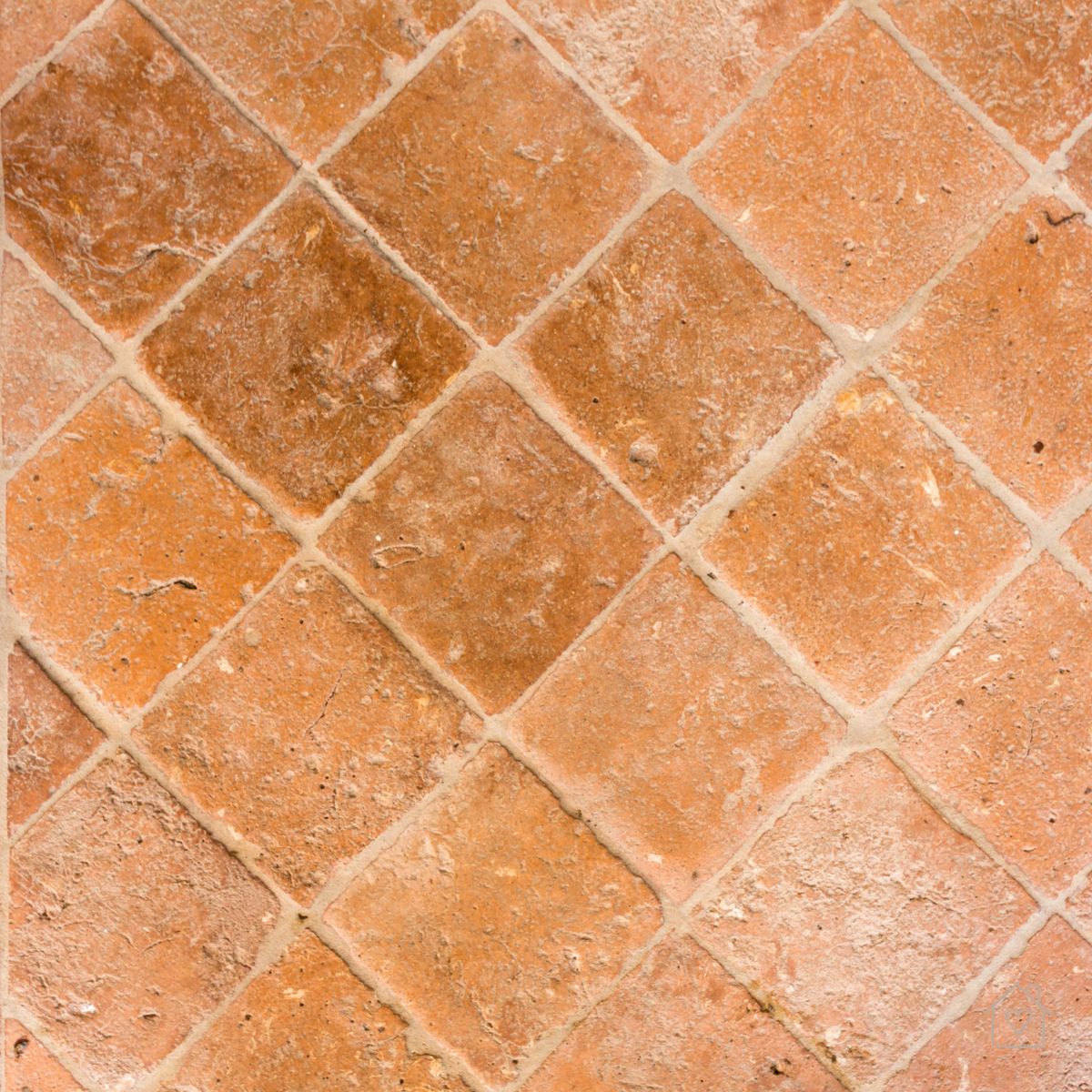
Terracotta and rust tones have become favorites. They create an inviting atmosphere in bathrooms, living areas, and exteriors. These colors work beautifully with olive and sage greens to encourage wellbeing and create calm spaces. On top of that, ocean-inspired blues balance this earthy palette perfectly.
How to layer colors for a grounded feel
These earthy palettes need thoughtful layering to create depth. Australian interior design now favors tonal approaches over stark contrasts. Similar shades from one color family build subtle dimension.
Natural materials complement these warm earth tones perfectly. Light timbers, stone accents, and textured fabrics boost the organic quality of these colors. Natural textures from linen, jute, and ceramics add warmth without cluttering the space.
You can start small if these rich hues seem overwhelming. Try a feature wall or new soft furnishings. White walls work well with earth-toned furniture, textiles, and décor. This versatile palette lets you add vibrant accents easily when needed.
Textured Finishes and Statement Surfaces
Texture has become the defining element in modern Australian interior design. Smooth and sleek surfaces now make way for rich, tactile interiors that beg to be touched and create visual interest. These sensory elements add character and depth to homes nationwide and turn ordinary spaces into extraordinary experiences.
Why texture is the new luxury
Texture stands as the hallmark of sophisticated spaces in today's design world. Brushed plaster walls, grooved timber cabinetry, and honed stone benchtops have become the new luxury. These elements provide warmth, depth and subtle drama to spaces. Textured interiors create dynamic visual experiences as light and shadow play on varied surfaces, unlike flat, one-dimensional spaces. "A house with texture is a home with a welcoming sense of comfort," notes one design expert.
Texture also keeps spaces from feeling clinical or sterile - a common issue with stark white interiors from previous years. Thoughtful textural elements bring life and interest even in monotone environments. They create a tactile symphony that lifts spaces beyond the ordinary.
Popular materials: limewash, plaster, ribbed timber
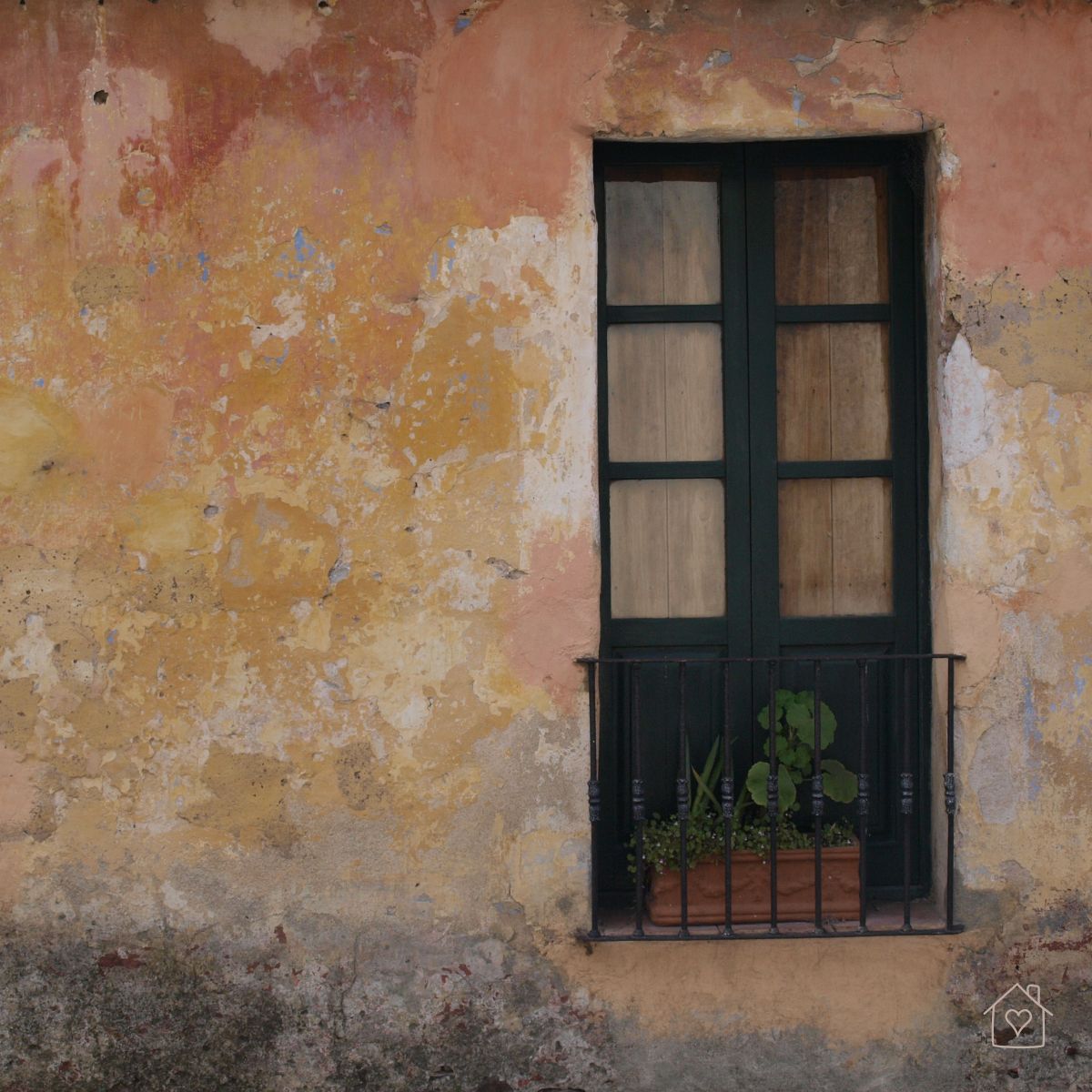
Several textural treatments dominate the Australian home interior design scene:
Limewash and Mediterranean plaster have made a remarkable comeback, with interior designers "loving texturing all walls and ceilings" with these finishes. Venetian plaster adds refinement to living spaces while creating subtle depth with its polished, glass-like appearance.
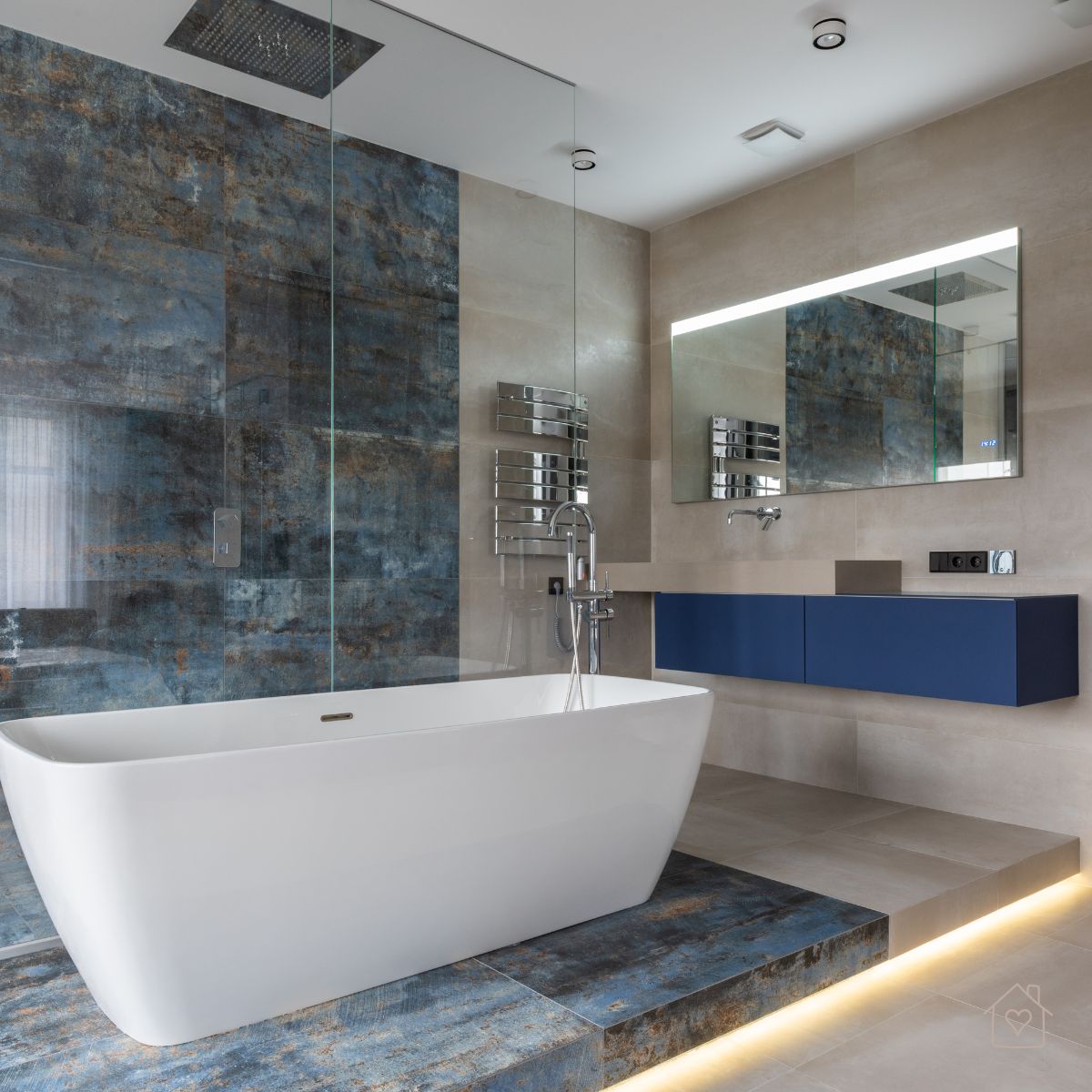
Ribbed timber and woven resin create three-dimensional effects that add character to walls and ceilings. Metals bring unexpected textural interest to both traditional and contemporary designs, from oxidized finishes to laser-cut stainless steel and trending copper.
Using texture to create depth in small spaces
Texture offers a clever solution to create perceived space in smaller homes. Mixing materials creates visual interest without needing additional square footage in compact areas. Well-applied texture can make rooms feel larger and more engaging.
Designers suggest focusing on one textured feature - like a ribbed bathroom vanity or textured island bench. This approach works better than overwhelming small spaces. The key lies in balancing smooth and rough finishes to create harmony while keeping a sense of openness.
Feature walls and statement benchtops
Feature walls have evolved beyond simple paint colors. They now serve as textural showcases, with options ranging from pressed metal (a revived Australian tradition) to plaster treatments, crazy paving, and decorative wallpapers. These elements naturally create focal points within rooms.
Statement benchtops continue to grow in popularity in kitchens. Profiled marble edges represent a major trend. These detailed finishes with lamb's tongue and double bullnose treatments soften sharp edges and add sophisticated texture. They're "a nod to traditional European benchtops." Natural stone combinations create visual impact, especially with striking green quartzite and earthy materials that complement current color palette choices.
Seamless Indoor-Outdoor Living
Australian interior design stands out with our national love for smooth indoor-outdoor living. Our sun-blessed country has helped us become skilled at creating homes where inside and outside spaces naturally blend together.
Designing for the Australian climate
Our unique climate just needs smart design solutions. Australia's eight climate zones each call for specific strategies to keep homes comfortable year-round. Homes in tropical regions feature wide eaves and window awnings that maximize shade, with large openings to catch cool breezes. The subtropical zones need adjustable shading to let winter sun in while keeping summer heat out. The sun's path throughout the year plays a vital role in energy efficiency for any Australian home design.
Material continuity between inside and out
The best modern Australian designs create visual flow with matching materials across spaces. Living rooms flow into outdoor areas with polished concrete, while timber decking matches interior floors to blur traditional lines. Large glass doors - sliding, stacking or bifold - strengthen this connection and let natural light flood deep into homes.
Biophilic design and native plants
Biophilic design - bringing natural elements into built spaces - is now fundamental to Australian interior styles. This design philosophy goes beyond looks and offers real benefits that boost wellbeing and air quality. Native Australian plants do well in local conditions and support local wildlife. Natural materials, water features, and organic shapes help create that connection to nature homeowners love.
Furniture that works in both zones
Versatile furniture pieces define Australian home design. Materials like spotted gum timber, powder-coated aluminum, and recycled PET fabrics can handle tough weather while looking great indoors. Outdoor furniture made from wicker, teak or treated metals works well with indoor aesthetics. This flexibility lets you move pieces between spaces whenever you need to.
Sustainable and Personalized Interiors
Australian interior design has changed beyond just looks. The focus now lies on green practices and spaces that tell personal stories. Homeowners want their interiors to reflect who they are while staying environmentally conscious.
Vintage revival and secondhand finds
People now reject throwaway culture by choosing secondhand furniture. Australian businesses like Merchants Warehouse offer everything from European antiques to mid-century modern pieces that suit different styles. Laura from Merchants Warehouse says, "Our whole business is about recycling, upcycling and reusing," with sustainability at its heart.
Designing for hobbies and passions
Creative spaces have become vital in Australian homes. Pottery studios and writing nooks show their owner's interests while using eco-friendly materials. Natural, biodegradable materials like cotton, linen and wool make these customized spaces special. Reclaimed wood workbenches add character and help the environment.
Smart use of space for wellness
Australian design styles now put wellness first through clever space planning. Designers create calming environments using traditional Chinese healing elements: fire, earth, metal, water and wood. These spaces blend wabi-sabi beauty - finding charm in imperfection - with luxury details to encourage peace and connection.
Eco-conscious materials and local sourcing
Local materials cut carbon emissions by reducing transport distances. Australian manufacturers use post-consumer recycled content and run their own recycling programs. They also create flexible layouts with movable walls that adapt to changing needs.
Mixing old and new for character
Australia's most interesting interiors blend vintage and modern pieces perfectly. Different textures and periods add depth - like pairing old timber tables with modern chairs or placing antique Indian doors next to contemporary furniture. The secret lies in finding common elements through matching colors or finishes to create harmony.
Conclusion
Australian interior design has moved beyond clinical whites and cool greys that once dominated our homes. We now welcome warmth, texture and personality that reflect our unique landscape and lifestyle. These changes have altered the map of our living spaces in several notable ways.
Warm earth tones are the foundations of our homes. Ochre, terracotta, olive green and ocean blues create spaces that feel grounded and sophisticated. These colors connect us to our natural surroundings and provide the perfect backdrop to express ourselves. On top of that, texture has become the defining luxury element in Australian interiors. Limewash walls, ribbed timber and statement benchtops add depth and character to every room.
Australia's indoor-outdoor lifestyle continues to grow through smart design choices. Materials flow between spaces with large glass doors and versatile furniture that help us enjoy Australia's climate. This uninterrupted connection to nature improves wellbeing and showcases our outdoor-loving culture.
Australian homes now tell personal stories through eco-friendly choices and spaces built around individual passions. The revival of vintage pieces, locally sourced materials, and areas dedicated to hobbies shows how we value environmental responsibility and authentic self-expression.
These trends in Australian interior design reflect more than aesthetic priorities - they reveal our collective desire for homes that connect to our environment, values, and unique identities. Earthy color palettes, textured surfaces, outdoor connections, and personalized spaces create interiors that are distinctly Australian yet deeply individual.