Extreme Heat Meets Extreme Humidity: Why Moisture Management Is Critical During Heat Waves
https://unsplash.com/photos/a-window-with-rain-drops-on-the-glass-dFhJ4wrU-sg
You know that heavy, sticky feeling when you walk inside on a scorching afternoon and the air just sits on you? That's humidity doing its quiet work. As temperatures rise across the Southeast, more and more homeowners are realizing that managing moisture matters just as much as how hard their air conditioner can cool. When extreme heat meets extreme humidity during a heat wave, it turns into an invisible force that can do real damage if you let it slide, and it puts everything at risk...your comfort, your home's structure, your air quality, your HVAC system. Everything I'm sharing here draws on insights from Meeks Heating and Air, a Trane Comfort Specialist serving Jackson, and it all comes back to one thing. Why keeping moisture in check has become so important once the weather turns brutal.
From time to time, articles on The How-To Home may reference third-party websites, businesses, products, services, or review platforms as part of editorial research. When evaluating companies or services, we may consider publicly available information such as customer reviews, business websites, service offerings, licensing information when available, and overall relevance to the topic.
How High Humidity Intensifies Summer Heat
Heat and humidity together are tough on both your home and your comfort. Here's the simple version...relative humidity is just how much water vapor is hanging in the air compared to the most the air could hold at that temperature, and warm air can hold substantially more water vapor than cool air. That's exactly why summers in the Southeast feel so heavy and oppressive.
The higher the humidity climbs, the hotter the air feels than it really is. We call that the heat index, and it reflects how hot the air feels once you factor humidity in with the actual temperature.
Inside your house, all that extra moisture does more than make you uncomfortable. It also makes it harder for your cooling system to keep up, and it sets the stage for biological pollutants to move in and thrive. The EPA generally recommends keeping the humidity indoors between 30% and 50% to help keep those moisture problems in check.
The Hidden Dangers of Uncontrolled Indoor Moisture
https://unsplash.com/photos/a-white-air-conditioner-sitting-on-top-of-a-brick-wall-JsPkVrHMQoo
High humidity kicks off a whole string of problems that can hurt both your home's health and its structure. According to Meeks Heating and Air, "...indoor air is often two to five times more polluted than outdoor air" and that only gets worse when moisture control slips.
The Threat of Mold and Poor Air Quality
Mold is one of the first things to show up when there's too much moisture around. Spores are floating in the air all the time, just waiting for a damp surface to settle on, and mold can start growing within 24 to 48 hours...all while putting out allergens and irritants that are hard on your lungs.
Keeping your humidity under control is the best way to stop mold before it ever gets going. Once it takes hold, it moves fast through porous stuff like drywall, insulation and wood, and the hidden growth tucked inside your wall cavities and ductwork keeps dragging down the air quality in your whole house.
Risks to a Home's Structural Integrity
Moisture that hangs around does a number on the actual bones of your house...wood rot, peeling paint, insulation breaking down, all of it coming from too much humidity for too long. The EPA identifies high humidity around 60% relative humidity as a common moisture problem, and that same lingering dampness can lead to fungal growth and wood decay.
The tricky part is that this kind of damage usually starts in the spots you never think to check. Floor joists, wall studs and roof decking can quietly break down for months, even years, before you ever see a sign of it...and by then, the repairs cost so much more than it would have taken to manage the moisture in the first place.
The Crippling Strain on HVAC Systems
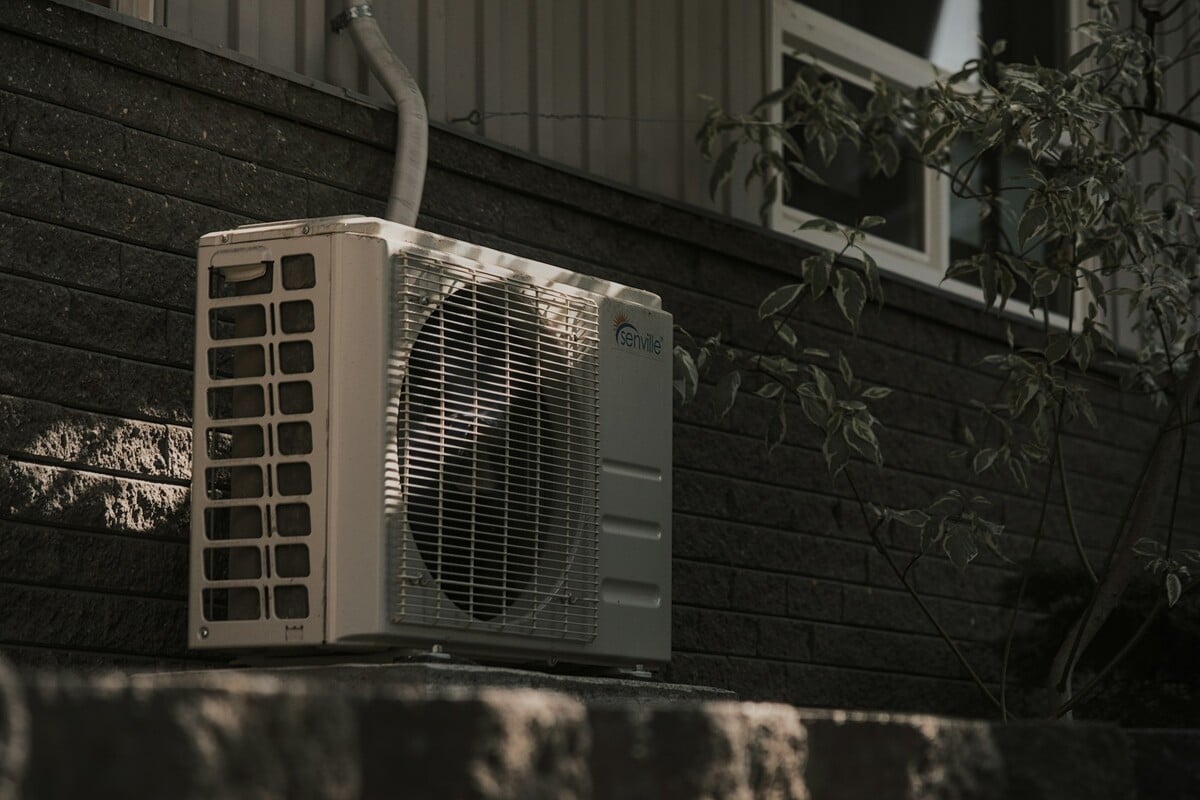
High humidity makes your HVAC system work a lot harder for a lot less, because your air conditioner has two jobs at once...cooling the air and pulling the moisture back out of it. Most standard air conditioners are only built to cool your home about 20° below the outside temperature, so a brutal heat wave really pushes them right to their limit.
Once it climbs past 100° outside and the humidity stays high, a lot of systems just can't catch up. They run and run without ever getting the house comfortable. All that nonstop running drives your energy bills up, wears the parts out faster, and often leads to the whole system giving out early...right when you need it the very most.
Proactive Strategies for Managing Home Moisture
Getting ahead of humidity takes more than one fix. The folks who tackle it from a few different angles protect their homes far better than the ones counting on a single solution. As the experts at Meeks Heating and Air put it when they talk about keeping an HVAC system healthy, "Ignoring a small issue saves a little money today, but often leads to a major expense tomorrow."
Essential HVAC Maintenance and Upgrades
If you live somewhere hot and humid like Georgia, having a good HVAC professional in your corner really matters. They can give your system the seasonal tuneups it needs so it pulls moisture out of the air just as well as it pulls out the heat.
A routine inspection catches the little things...dirty coils, clogged drains, refrigerant trouble, airflow that's getting choked off...all the stuff that keeps your system from pulling humidity the way it should. And if you're thinking about central air installation in Jackson, the newer HVAC systems built for serious dehumidification offer enhanced moisture control. Staying on top of maintenance keeps everything running efficiently, helps your system last longer, and stops small problems from turning into big ones.
Simple Household Habits for Humidity Control
There are a handful of easy, low-cost things you can start doing today. Running the exhaust fans in your kitchen and bathrooms pulls moisture out right at the source before it drifts through the rest of the house, and venting your clothes dryer to the outside keeps a whole lot of dampness from ever getting into your living space. A little good airflow from your ceiling fans, plus opening and closing your windows at the right times, goes a long way toward keeping things balanced too.
A few more simple habits help too...running the fan during and after your shower, keeping a lid on your pots while you cook, and fixing plumbing leaks the minute you notice them. It all adds up to a drier, healthier home.
Protecting a Home's Value and Health During Heat Waves
Extreme heat and extreme humidity together are a real threat to homes all across the Southeast, and the damage goes so far beyond just being uncomfortable...mold growth, structural deterioration, poor indoor air quality, an HVAC system that finally gives out. But here's the good news. When you get ahead of it, you can head off most of that. Pair a few good everyday habits with some smart improvements to your home and a trusted HVAC pro in your corner, and you've got real, all-around protection for the place you love most.