How to Operate Your Riding Lawn Mower for Optimal Performance
From time to time, articles on The How-To Home may reference third-party websites, businesses, products, services, or review platforms as part of editorial research. When evaluating companies or services, we may consider publicly available information such as customer reviews, business websites, service offerings, licensing information when available, and overall relevance to the topic.
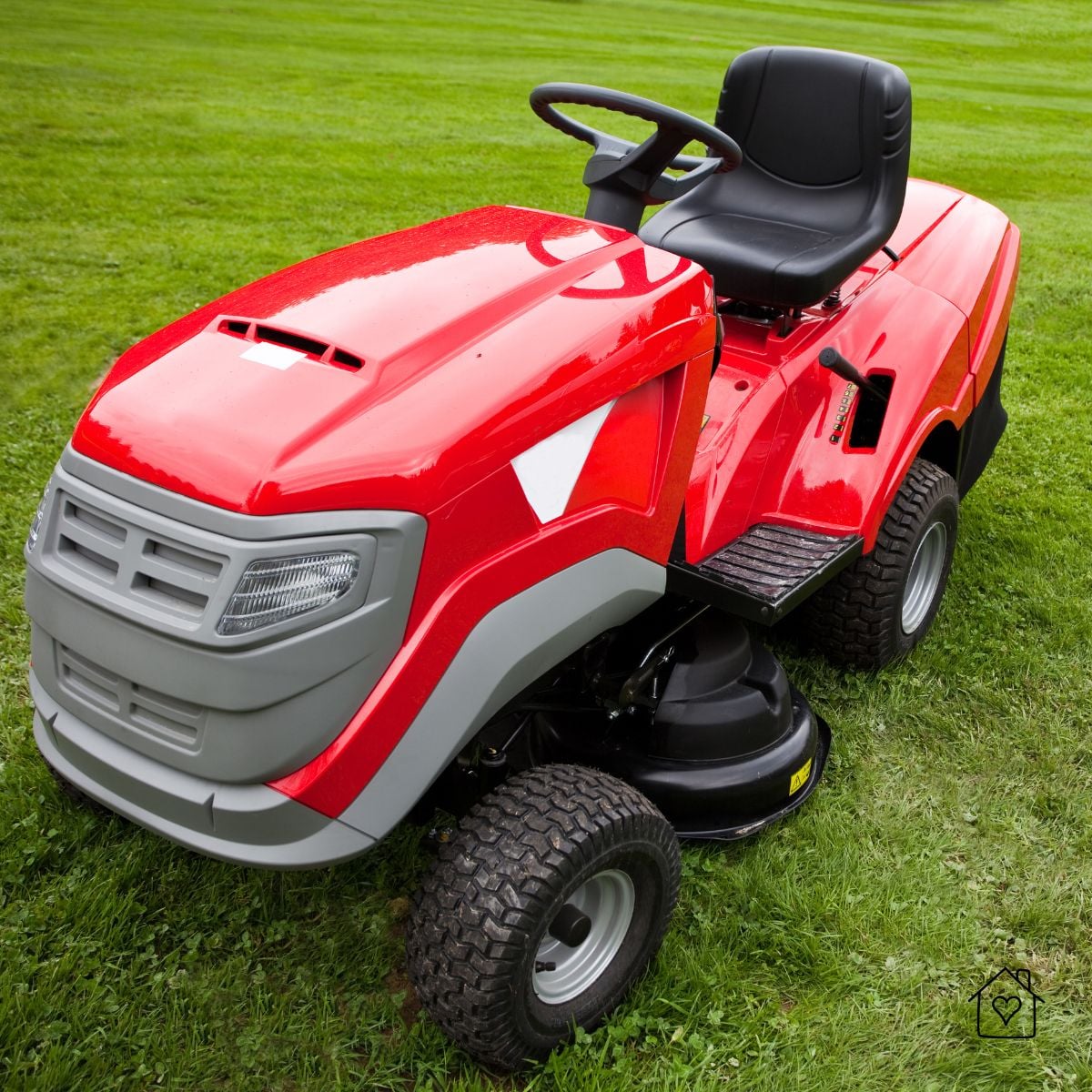
Taking care of a big lawn is more than just mowing on a schedule. You need a tool that matches the size of the space and the way the land actually sits, every slope, every curve, every skinny spot along the fence. A riding lawn mower is the best answer for a lawn like that. It covers more ground faster and gives you better control. And when you run it the right way, it stays safe and efficient for the long haul.
So let's walk through how to run a riding mower safely, and when it makes more sense to grab a push lawn mower for a cleaner edge. The two tools do different jobs, and once you know how to handle both, you get a neater finish and a healthier lawn.
Tips to Operate Your Mower Efficiently
Prepare the Lawn Before You Start
Walk the whole yard first and pick up the branches, rocks and toys. Those are the things that wreck a blade and drag your performance down. Take a good look at the shape of your lawn while you are out there too.
A riding mower does its best work on a smooth, open layout. In the tight spots, the narrow walkway or the flower bed sitting on a hill, you may still need a push lawn mower to get in there with any accuracy.
Familiarise Yourself With the Controls
Every riding mower has its own set of controls, and knowing what each one does is what keeps the whole thing safe and smooth. Go in this order every single time:
- Sit down on the mower with your feet on the pedals.
- Check that the mower is in neutral before you switch the engine on.
- Set the parking brake, then turn the key.
- Leave that brake on until you are truly ready to move.
- Put the distractions away and keep your eyes on the path ahead. Closed shoes always, and nothing loose or flowy.
Choose the Right Mowing Pattern
● Mow in Straight Lines
On your first pass, run a straight line all the way across the lawn. Then keep overlapping the row before it. That overlap is the whole trick to an even cut instead of those little strips of missed grass.
● Turn in Wide Arcs
A riding mower needs more room to turn than you would think. Plan your turns before you get to them and take them wide. Sharp turns around trees or garden furniture are how things get scraped.
● Avoid Wet Grass
Wet grass gums up the blade area and makes it much easier to slide. Wait until the lawn is dry before you mow... your mower and your lines will both be better for it.
Adjust Blade Height Based on Lawn Needs
Blade height decides how much grass you actually take off. Cut too hard and you wear down the roots. Cut too often and you hand the weeds an opening. So move that height lever to where your lawn needs it, not where you left it last time.
- For summer, set the blade higher to hold moisture in the soil.
- For spring, a medium height helps shape healthy new growth.
- For thick patches, mow twice at two different heights.
When to Use a Push Lawn Mower
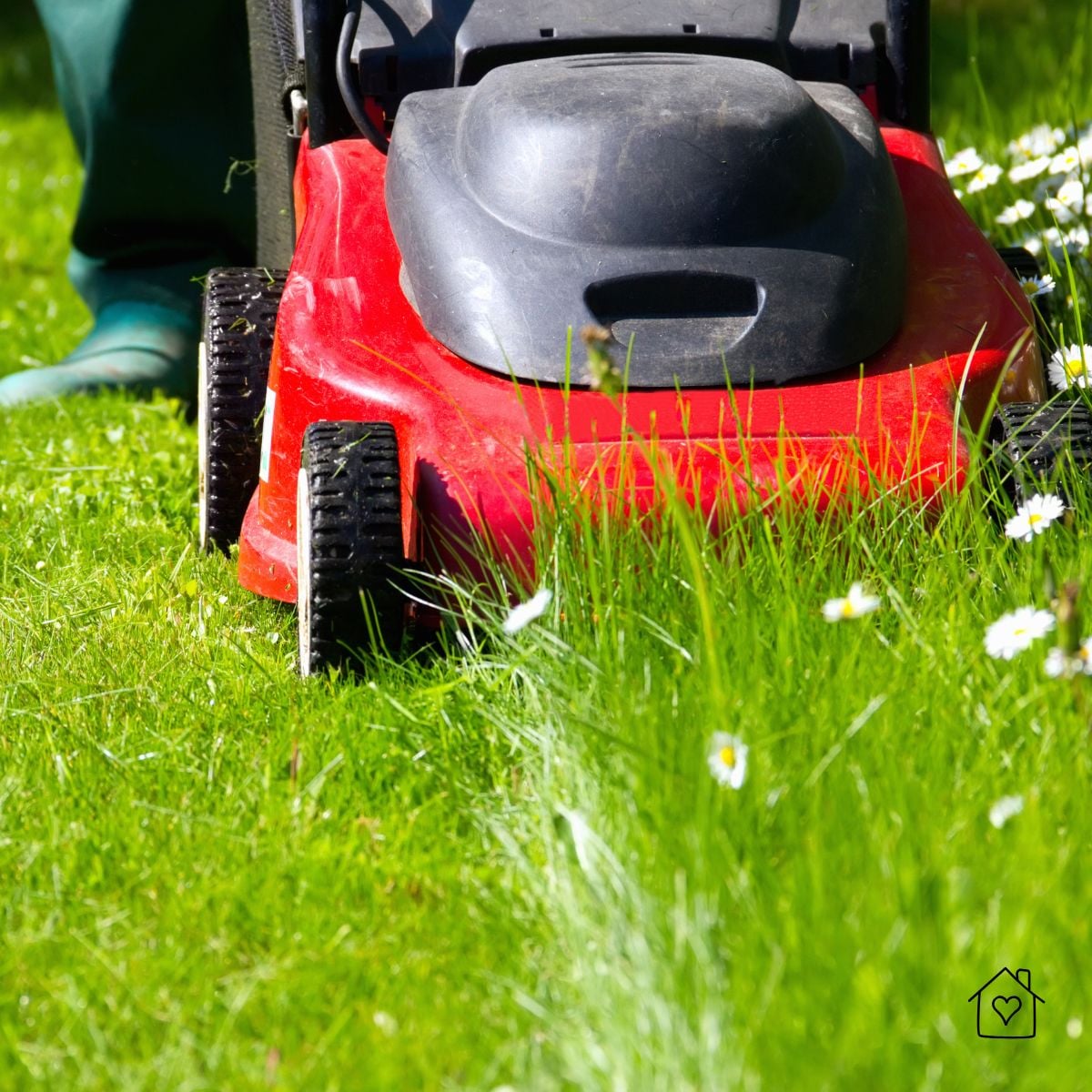
When the riding mower starts fighting you near trees or in the corners, that is your signal to stop. Take out a push lawn mower and do that trimming on foot. It is lighter, and it moves in spaces the big one never will.
Different Product Types and Their Role
● Rear-Engine Riding Lawn Mower
This one cuts close and moves faster than the rest. It does well in lawns with a lot of curves or flower beds you have to work around.
● Lawn Tractor
This one has the muscle. It handles larger properties, and you can hitch carts or snow blades to the back when the seasons turn.
● Zero Turn Riding Mower
This one turns sharply and moves faster than the others. Great for lawns with plenty of curves or flower beds to trim around.
● Push Lawn Mower
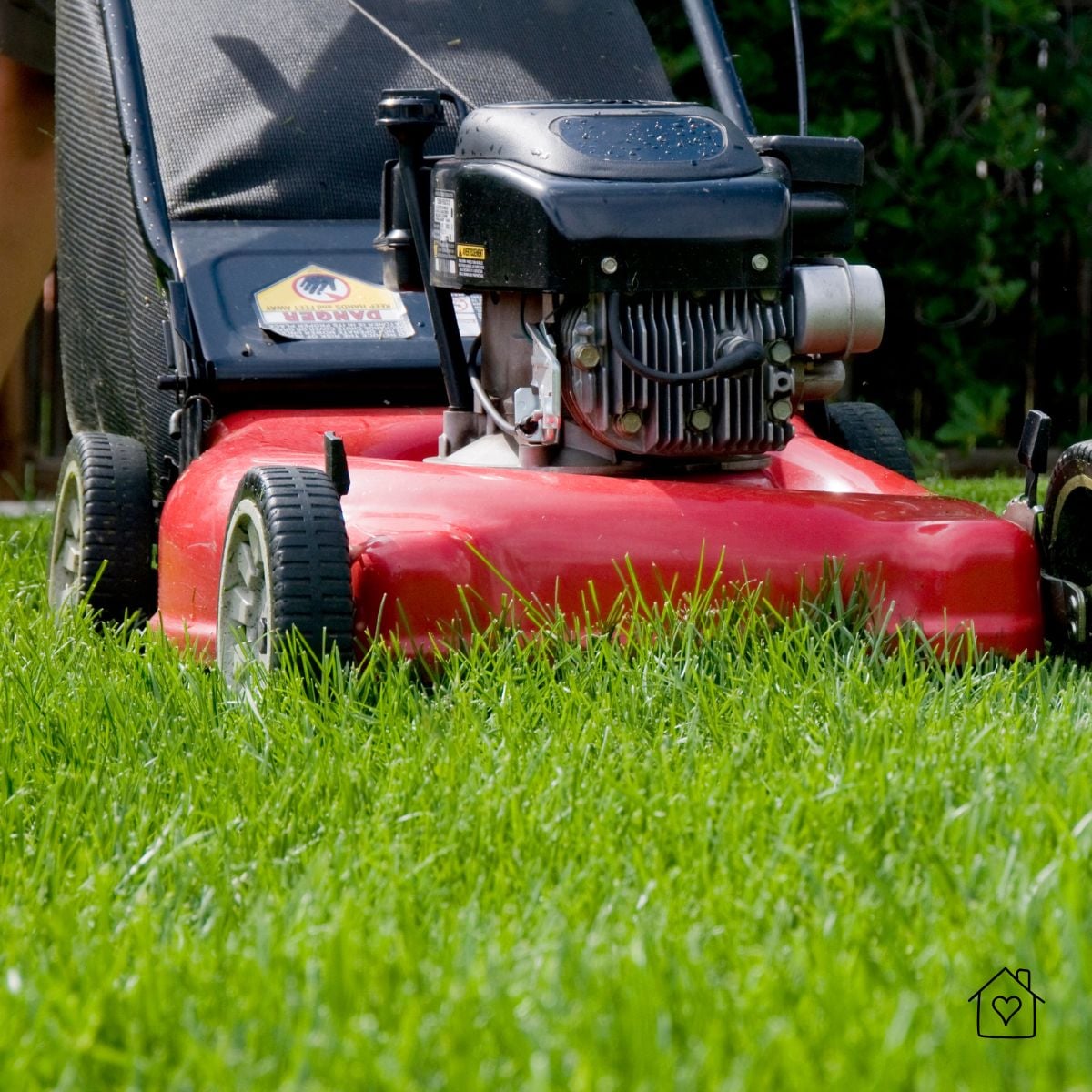
This is your precision tool. A push mower gives you total control along fences and in corners, it is quiet, and it is easy to carry wherever you need it.
Daily Operation Tips to Improve Longevity
- Clean Under the Deck After Each Use - Clippings pack onto the underside of the deck and just sit there. Wash them off so you are not fighting rust and clogs later on.
- Monitor the Oil and Air Filter. - Never run it without checking the oil level first. Change the air filters every two weeks to keep the engine healthy.
- Sharpen the Blades - Dull blades tear the grass instead of cutting it. Sharpen them twice a season, or sooner if you notice brown edges on the cut grass.
Safety Tips for First-Time Users:
- Children should never operate a riding lawn mower.
- Skip the steep slopes where a mower could tip over.
- Never refuel while the engine is hot.
- Switch the engine off before you get out of the seat, every single time.
Push lawn mowers are the safer choice on slopes and around garden structures. When the riding mower feels unsafe or slow to respond, that is your moment to switch.
Final Thoughts
A riding lawn mower makes a big lawn so much easier, and it gives you speed and comfort while you are out there. It is not a replacement for a push lawn mower though. The two work together. One takes care of the open space, the other takes care of your edges and tight corners.
Use the right technique and switch tools when the yard asks you to, and your grass grows in evenly all year long. Running things correctly does more than make the lawn look good... it stretches the life of your equipment and cuts down on fuel or power use too.