10 Home Remodeling Mistakes I Wish More Homeowners Knew Before Starting (And How to Avoid Them)
I have to be honest with you. Our first remodel did not go the way I pictured it in my head. I walked into it thinking paint colors and pretty hardware, and I walked out of it with a much longer list of things I wish somebody had told me first.
From time to time, articles on The How-To Home may reference third-party websites, businesses, products, services, or review platforms as part of editorial research. When evaluating companies or services, we may consider publicly available information such as customer reviews, business websites, service offerings, licensing information when available, and overall relevance to the topic.
One of the things that actually did go right was bringing in the right people early. Working with real exterior home remodeling contractors from the very start, instead of trying to handle the roofing and siding decisions myself, saved us more time and money than almost anything else on this list. So before you pick up a single paint swatch, here are the 10 mistakes I wish more homeowners knew about before they started, and what I would tell a friend who is standing where I was standing.
1. Starting Without a Clear Plan
I used to think a plan meant a Pinterest board. It does not. A real plan means knowing your must haves, your nice to haves, and the order you are tackling things in before a single wall comes down.
Without that, you end up making decisions on the fly, in a hurry, standing in a store aisle. Write your priorities down first. It sounds simple and it is the single biggest thing that keeps a remodel from spiraling.
2. Underestimating the Budget (and Skipping the Contingency Fund)
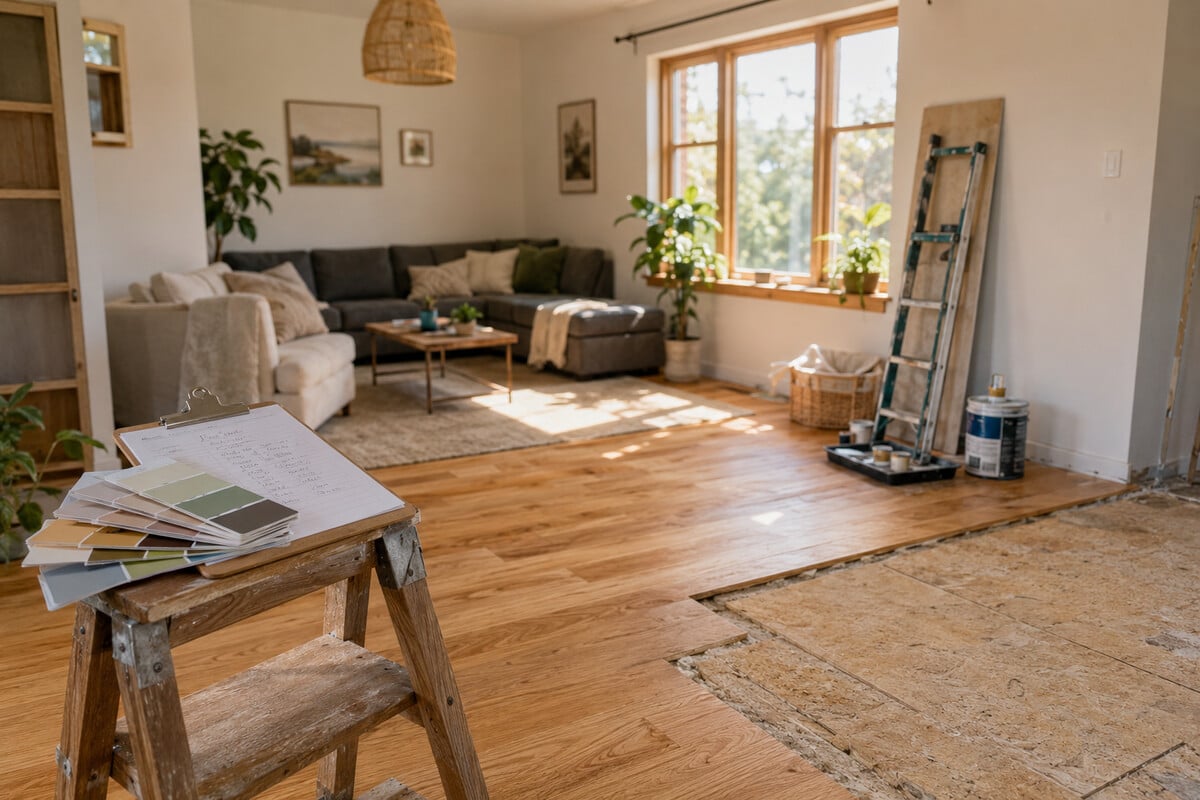
Every remodel costs more than the number in your head. Every single one. We found out our subfloor needed work the moment we pulled up old flooring, and that was not in the original budget at all.
My rule now is to set the number I think I need, then add 15 to 20 percent on top of it before I even start. If you do not use it, wonderful. If you do, you will not be scrambling. A simple project planner notebook to track every quote and expense as you go helps more than any app I have tried. I'm a paper and pen person for things like this and I love the feeling of crossing out an item on my check list.
3. DIYing Jobs You Should Have Left to a Pro
I am a big believer in doing what you can yourself. I have painted more rooms than I can count and I will keep doing it. But electrical work (other than a simple socket replacement and lighting change), load bearing walls, and anything involving your home's structure is not the place to save money by winging it. A stud finder and a little research go a long way for the small jobs. For the big ones, call someone.
Ask yourself if a mistake here means redoing a wall color or means a real safety issue. That answer usually makes the decision for you.
One more thing worth knowing if your home was built before 1978, disturbing old paint during a DIY project can release lead dust. The EPA's Renovation, Repair, and Painting program has straightforward guidance on testing first and working safely if that applies to your house.
4. Choosing the Cheapest Materials You Can Find

I get the appeal of the lowest price tag, I really do. But cheap flooring, cheap fixtures, and cheap hardware tend to fail faster, and then you are paying for them twice. I would rather spend a little more on the things I touch every day, like cabinet hardware and faucets, and save on the things nobody sees, like the plywood behind a wall. A basic moisture meter is worth owning if you are working with wood or drywall, so you know what you are covering up before you close a wall.
5. Skipping Permits to Save Time
I know permits feel like a hassle, especially when you just want to get started. But skipping them can mean fines, trouble at resale, and even problems with your homeowners insurance if something goes wrong.

Most city and county building departments post their permit requirements online now, so it is usually a quick search away. It is worth the extra day or two before you start demolition.
6. Not Vetting Your Contractor Before You Sign Anything
Ask for references. Actually call them. Ask how the contractor handled it when something went wrong, because something always goes wrong. A good contractor will have an answer for that instead of pretending it never happens.
Get more than one quote too. Not to nickel and dime anyone, but because it gives you a real sense of what the project should cost and who actually understands what you are asking for.
The FTC's guide to avoiding home improvement scams is a good gut check too, especially the part about being cautious with anyone who pressures you to sign or pay on the spot.
7. Forgetting the Exterior While You Focus on the Inside
It is so easy to pour every ounce of attention into the kitchen or the primary bath and forget that your roof, siding, and windows are doing the actual work of protecting everything you just remodeled.
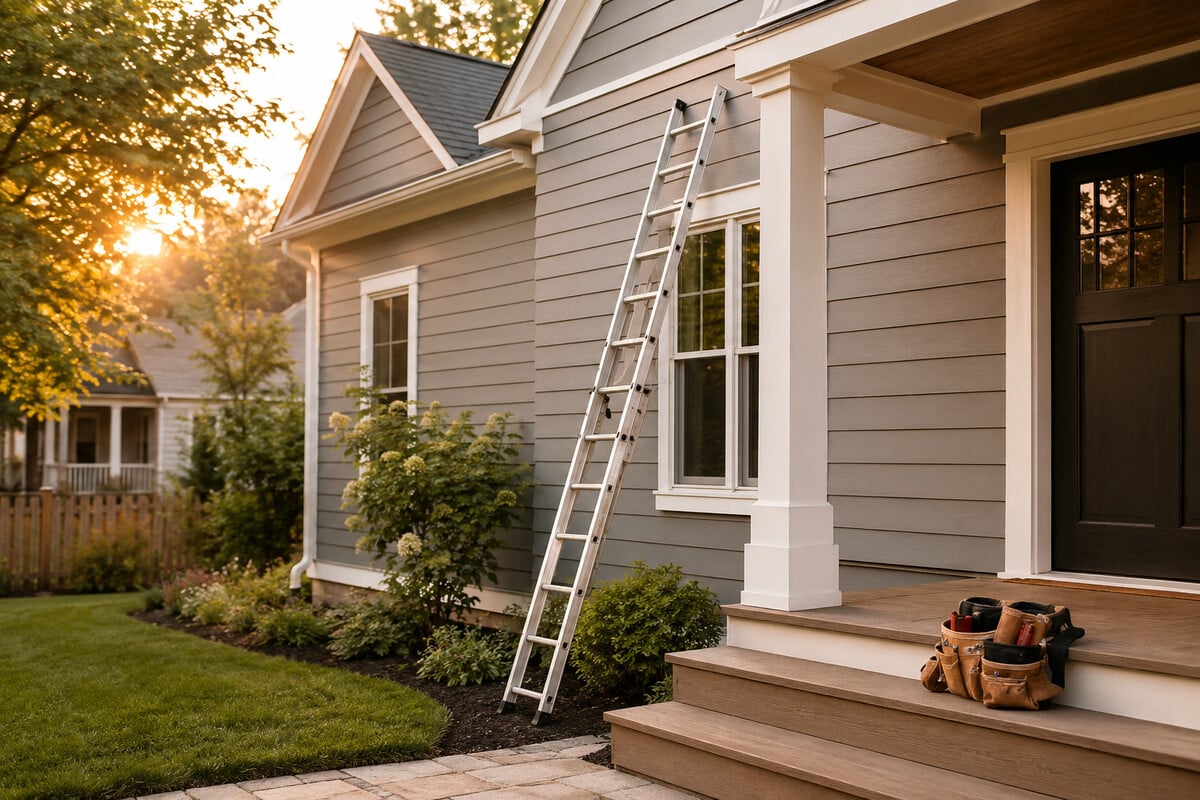
It is not just a hunch either. The 2025 Remodeling Impact Report from the National Association of REALTORS and NARI found new roofing was one of only three projects to earn a perfect Joy Score from homeowners, right alongside kitchen upgrades. Exterior work pays you back in more ways than one.
If your exterior is due for attention, it is worth handling early in the process rather than last. It protects your investment inside the house, and it is a lot easier to coordinate before your yard is full of new landscaping. This is actually the project where I brought in Victory Home Remodeling, since roofing, siding, and windows are exactly the kind of work I want a specialist handling rather than figuring out myself.
8. Rushing the Timeline
Every remodel I have been part of took longer than I expected going in. Materials get delayed. Contractors hit surprises behind the walls. Add extra time to whatever timeline you are handed, and tell your family and your calendar the later date, not the optimistic one.
9. Not Planning for Life During the Remodel
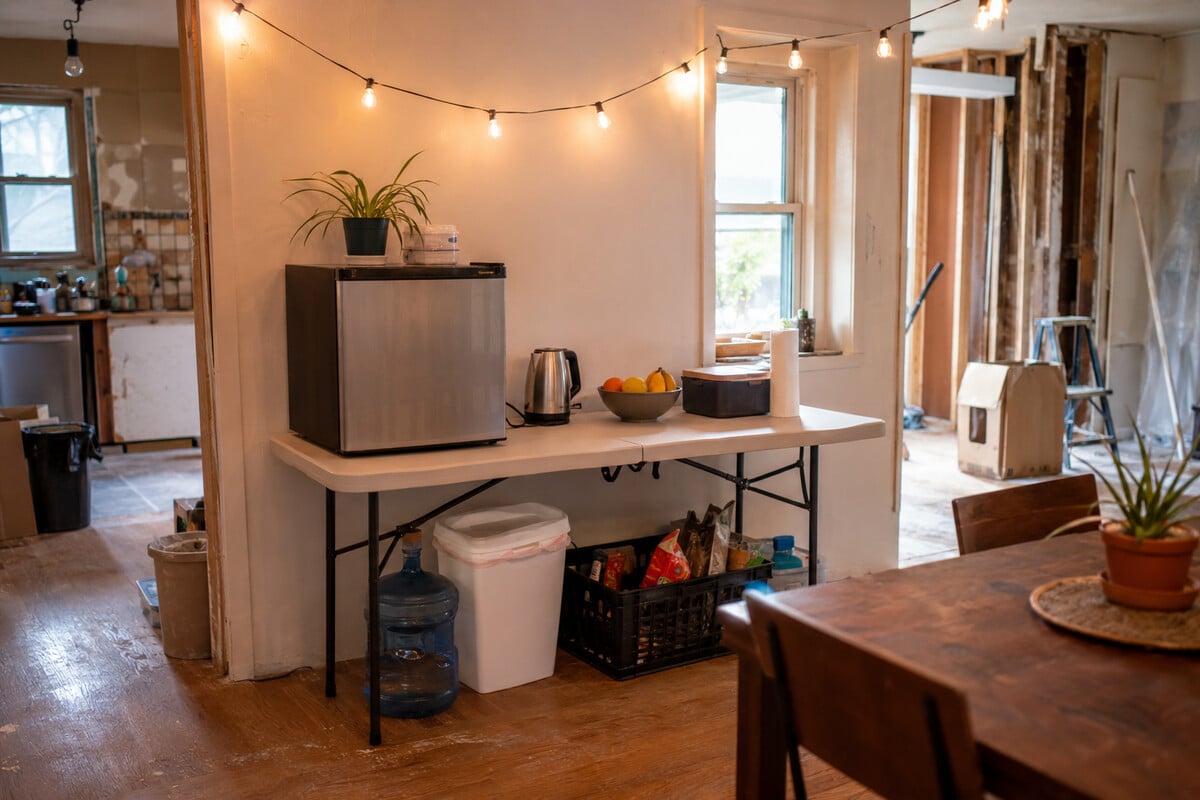
Nobody tells you how strange it is to live without a working kitchen for six weeks. Set up a simple temporary space before demo day, not after. A folding table, a mini fridge, and some heavy duty drop cloths to protect the rest of your house make daily life so much easier while the dust is flying.
10. Skipping the Paper Trail (Get Everything in Writing)
Every quote, every change order, every verbal yes to an upgrade. Get it in writing. It protects you and it protects your contractor, and it is so much easier than trying to remember a conversation from six weeks ago when the final bill shows up.
None of this means a remodel has to be stressful start to finish. Ours had rough patches and it still turned out to be one of the best things we did for our home. Go in with a plan, the right people, and a little grace for yourself when something does not go perfectly, and you will get there.
Which one of these hits closest to home for you? I would love to hear about it in the comments.
Home Remodeling Mistakes: Frequently Asked Questions
What is the biggest mistake people make when remodeling a home?
The biggest mistake is starting without a clear plan. Jumping into demolition or shopping before you know your must haves, your budget, and your order of operations leads to rushed decisions and scope creep that can derail the whole project.
How much should I add to my remodeling budget for unexpected costs?
A good rule of thumb is to add 15 to 20 percent on top of your planned budget as a contingency fund. Hidden issues like subfloor damage, outdated wiring, or plumbing surprises are common once walls or flooring come up.
Do I need a permit for a home remodel?
In most cases, yes, especially for structural, electrical, or plumbing work. Skipping permits can lead to fines, trouble at resale, and even insurance issues if something goes wrong. Check your city or county building department's website first.
How do I know if I should DIY a project or hire a professional?
Ask what happens if the job goes wrong. If a mistake means redoing paint or trim, DIY away. If it involves electrical, structural, or load bearing work, that is the time to bring in a licensed professional instead of learning as you go.
How long does a typical home remodel take?
It depends on scope, but almost every remodel takes longer than the original estimate. Material delays and surprises behind the walls are common. Add extra time to whatever timeline your contractor gives you, especially for the first project.
What questions should I ask a contractor before hiring them?
Ask for references and actually call them. Ask how they handled a project that hit a snag, since something usually does. Get more than one quote so you understand fair pricing and can compare how each contractor talks through your project.
Should I use cheap materials to save money on a remodel?
Save on what nobody sees, like subfloor or backing materials, but spend a little more on what you touch daily, like hardware and fixtures. Cheap materials in high use spots tend to fail faster, which usually costs more in the long run.
How do I live in my home during a remodel?
Set up a simple temporary space before demo day starts, not after. A folding table, a mini fridge, and protective drop cloths for the rest of the house make daily life much easier while the dust and noise are happening around you.