The Ultimate Guide to Low-Maintenance Landscaping for Busy Homeowners

Maintaining a vibrant and picturesque outdoor space can often feel like an overwhelming secondary full-time job, especially for homeowners juggling demanding career schedules and family responsibilities. If you want to transform your property without spending every single weekend weeding, mowing, and pruning, partnering with professionals like GTA Sunrise landscaping company can instantly give you a head start. Modern landscaping does not have to mean endless hours of manual labor or a barren yard filled with concrete; rather, it is about working smarter, selecting resilient flora, and designing intelligent layouts that naturally suppress weeds and minimize upkeep while maximizing aesthetic charm.
From time to time, articles on The How-To Home may reference third-party websites, businesses, products, services, or review platforms as part of editorial research. When evaluating companies or services, we may consider publicly available information such as customer reviews, business websites, service offerings, licensing information when available, and overall relevance to the topic.
1. The Philosophy of Low-Maintenance Design
The core principle behind effortless outdoor living is strategic reduction of high-input elements such as vast Kentucky bluegrass lawns that demand constant hydration, fertilization, and mowing. By shifting your focus toward sustainable garden designs, perennial beds, and smart hardscaping, you drastically cut down the weekly hours required to keep your yard looking pristine. This deliberate approach allows busy professionals to reclaim their precious weekends, turning outdoor maintenance from a tedious chore into a peaceful, relaxing retreat.
Assessing Your Yard's Natural Conditions
Before implementing any changes, take time to evaluate your property's microclimates, soil composition, and sun exposure patterns. Matching plants to their native habitats drastically reduces the need for artificial interventions like soil amendments, heavy watering, or chemical pest controls. Understanding these baseline environmental factors ensures long-term viability and reduces plant mortality rates, saving both time and money.
2. Smart Plant Selection and Perennial Power
Choosing the right greenery is the single most effective way to eliminate tedious yard work. Annual flowers, while beautiful, require constant replanting, frequent deadheading, and heavy seasonal watering. In contrast, well-chosen perennials, ornamental grasses, and evergreen shrubs return year after year with minimal assistance, establishing deep root systems that naturally anchor the soil and resist drought conditions effectively.
Drought-Tolerant and Native Species
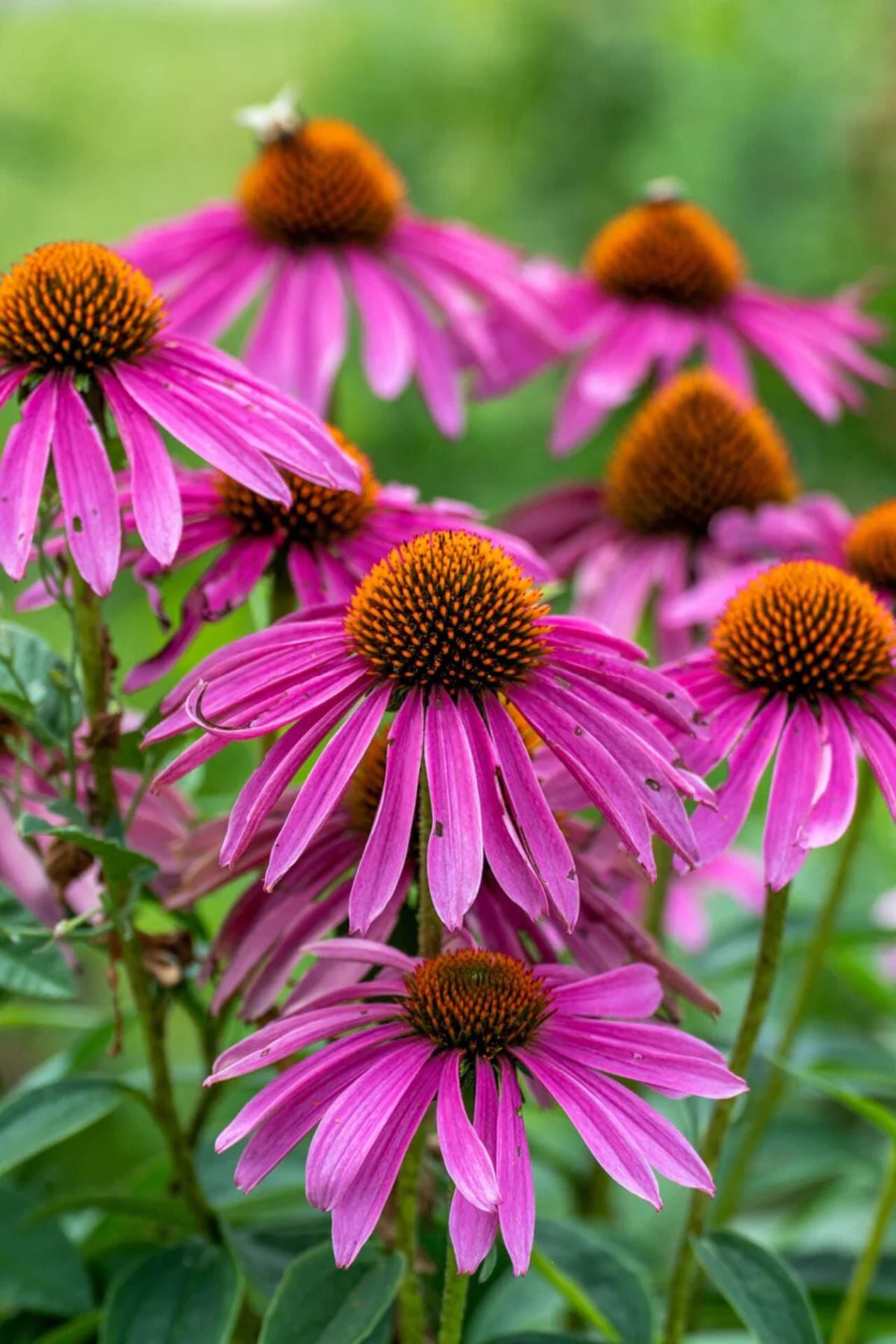
Incorporating native flora into your landscape design creates a resilient ecosystem that thrives on local rainfall patterns without requiring daily irrigation. Drought-tolerant plants, succulents, and ornamental grasses like feather reed grass or blue fescue provide stunning architectural textures, graceful movement, and vibrant color gradients throughout the changing seasons while demanding very little attention from the property owner.
Strategic Mulching for Weed Suppression
A thick, three-to-four-inch layer of organic mulch beneath your shrubs and flower beds acts as a powerful barrier against aggressive weed germination while locking in essential soil moisture. Mulch also moderates extreme soil temperatures during scorching summer months and freezing winter spells. Over time, as organic mulch slowly decomposes, it enriches the underlying soil with vital nutrients naturally, eliminating the constant need for synthetic fertilizers.
3. Hardscaping Solutions to Replace High-Maintenance Turf
Replacing thirsty, high-maintenance grass sections with elegant hardscape elements is one of the most transformative investments a busy homeowner can make. Patios, flagstone walkways, decorative gravel pathways, and sturdy wooden or composite decks instantly eliminate mowing zones while dramatically expanding your functional outdoor living and entertainment spaces.
Comparative Analysis of Hardscape Materials
To help you choose the best permanent modifications for your property, review the following comparison of popular hardscaping alternatives:
|
Material Type |
Primary Benefit |
Maintenance Level |
Estimated Longevity |
|
Interlocking Pavers |
Exceptional durability and shifting resistance |
Very Low (occasional sweeping/joint sand) |
25 - 40+ Years |
|
Natural Flagstone |
High-end organic aesthetic and unique look |
Low (occasional power washing) |
30 - 50+ Years |
|
Decorative Gravel |
Cost-effective and excellent natural drainage |
Low (infrequent weed barrier checks) |
10 - 20 Years |
|
Composite Decking |
Splinter-free, rot-resistant, no staining needed |
Minimal (periodic soap and water wash) |
25 - 30 Years |
Retaining Walls and Multi-Tiered Terrain Management
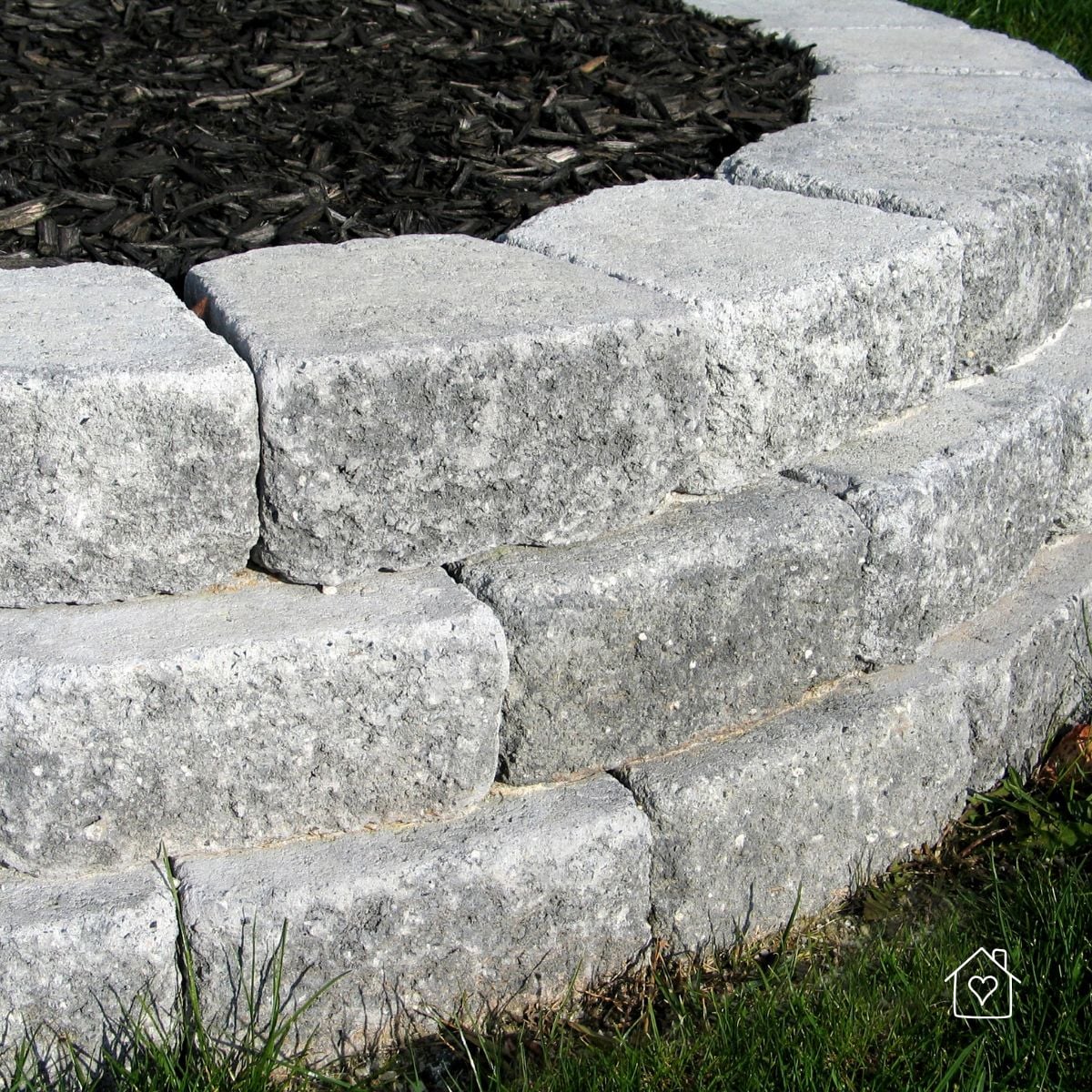
Sloped yards often present severe erosion challenges and dangerous mowing hazards. Constructing sturdy retaining walls using natural stone or segmental concrete blocks transforms steep, unusable hillsides into attractive, terraced garden beds. These structural additions improve property drainage, protect against soil washout, and create structured planting pockets that require virtually no upkeep.
4. Automated Irrigation and Modern Maintenance Tech
Even the hardiest plants and lowest-maintenance landscapes require some level of hydration during prolonged summer dry spells. Manual watering with hoses and sprinklers is time-consuming, inefficient, and often leads to over- or under-watering. Integrating smart automated watering technology removes the guesswork entirely, ensuring your yard receives precise moisture levels while conserving water resources.
Smart Sprinkler Systems and Drip Lines
Installing a programmable drip irrigation system delivers water directly to plant root zones rather than spraying the foliage or evaporating uselessly in the midday sun. Modern smart controllers connect to local weather stations via Wi-Fi, automatically adjusting watering schedules based on real-time rainfall data, temperature fluctuations, and seasonal evapotranspiration rates.
Robotic Mowers and Autonomous Yard Care
If your property still retains modest lawn sections, robotic lawn mowers offer a completely hands-free solution to regular grass maintenance. These autonomous units operate quietly within hidden boundary wires, maintaining a pristine carpet-like cut daily by mulching microscopic grass clippings directly back into the turf as natural fertilizer.
5. Streamlined Garden Layouts and Minimalist Design
Cluttered flower beds, intricate boxwood mazes, and tightly packed ornamental gardens accumulate debris quickly and demand hours of tedious hand-pruning. Embracing a minimalist, streamlined landscape layout simplifies seasonal cleanup and creates a clean, sophisticated visual aesthetic that complements contemporary architectural styles seamlessly.
Mass Planting for Visual Impact
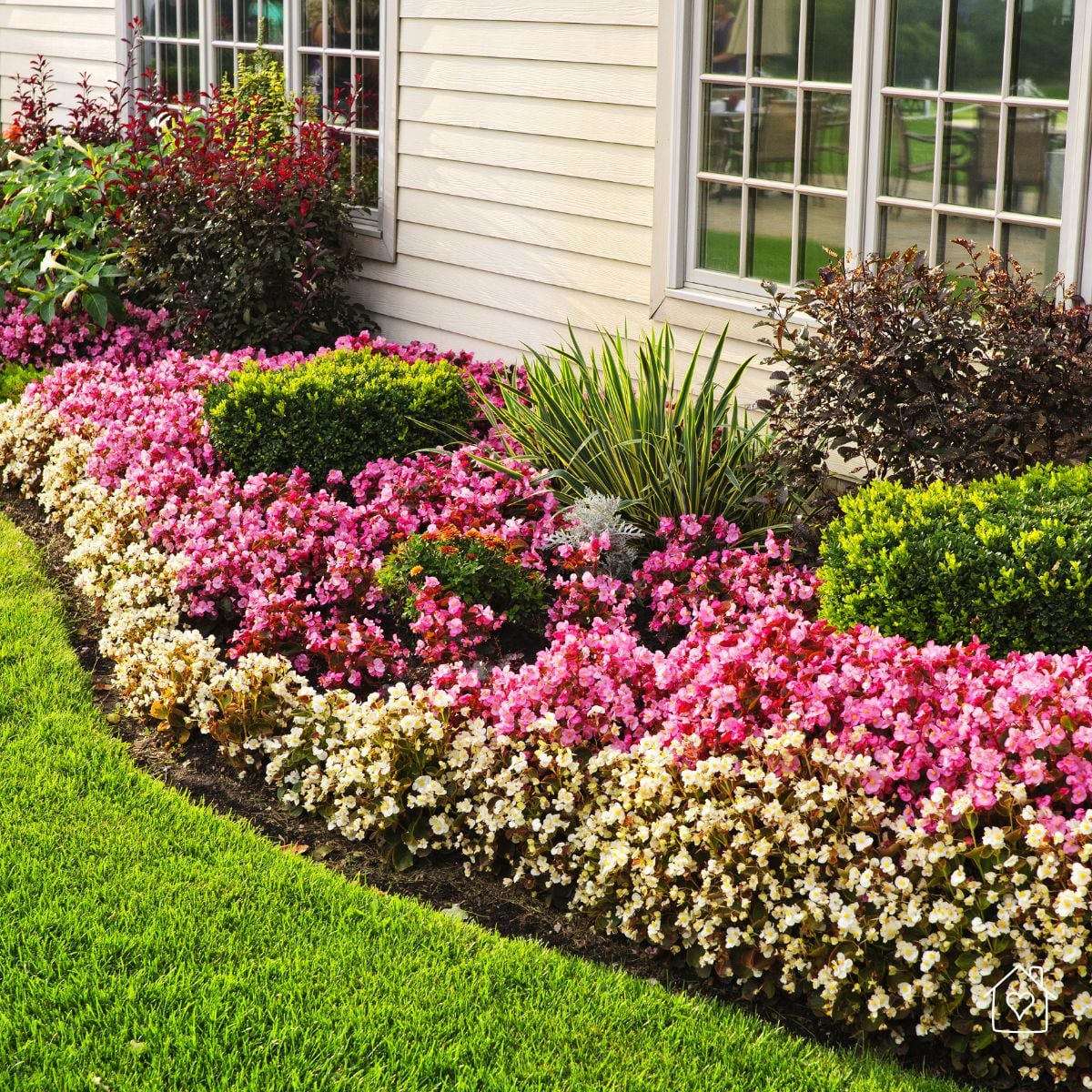
Instead of planting dozens of diverse flower species that each require unique care schedules, utilize mass plantings of hardy, uniform shrubs or perennials. Planting large blocks of identical low-growing varieties creates bold color statements, completely fills empty soil gaps to block weed growth, and significantly speeds up seasonal pruning routines.
Edging and Physical Barriers
Installing deep, crisp metal or stone landscape edging between your turfgrass and garden beds prevents grass runners from invading mulch zones. Clean physical boundaries drastically reduce the need for tedious manual weed-whacking and edge trimming around flower beds, keeping your property looking professionally manicured with minimal ongoing effort.
6. Conclusion and Final Recommendations
Achieving a stunning, welcoming outdoor sanctuary does not require sacrificing your entire weekend to grueling physical labor. By combining drought-tolerant native plants, thick organic mulching, smart irrigation technologies, and strategic hardscaping, busy homeowners can enjoy breathtaking curb appeal with minimal ongoing effort. Whether you choose to implement these time-saving strategies gradually or decide to partner with trusted experts from GTA Sunrise for a comprehensive property transformation, investing in a low-maintenance landscape yields long-term dividends in both property value and personal free time.