How Do I Prevent Frozen Pipes in Winter?
Here in the Northeast, frozen pipes are a real worry every winter. Some years the temperatures dip below zero and stay there for days (sometimes weeks!) at a time. When that happens, my family all starts checking in with each other and the questions come fast....Are you letting the water drip from your faucets? Have you wrapped the pipes? And on and on.
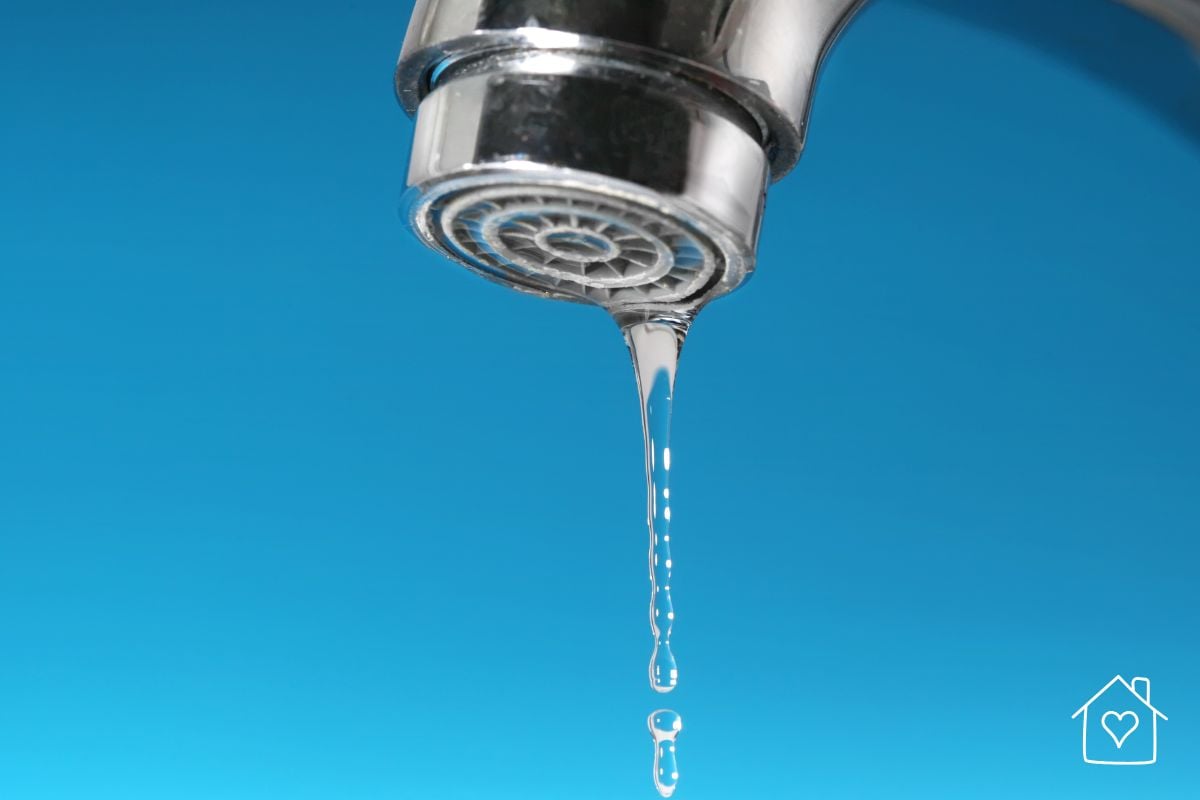
We ask because we care, but honestly, it would be so much better to be prepared in advance. That way, when the freezing temps hit, you're already covered.
A burst pipe can flood a home in minutes and cause thousands of dollars in damage before anyone even realizes what happened. That's why I'm sharing this simple prevention checklist from family-owned Broadley's Plumbing, Heating & Air Conditioning, a trusted HVAC service provider since 1911 that helps homeowners protect their homes every winter.
From time to time, articles on The How-To Home may reference third-party websites, businesses, products, services, or review platforms as part of editorial research. When evaluating companies or services, we may consider publicly available information such as customer reviews, business websites, service offerings, licensing information when available, and overall relevance to the topic.
Why Winter Pipe Protection Saves Homeowners Thousands
Skipping winter prep is a gamble....and an expensive one. Of the over 60% of homeowners who experience winter damage, it's the 17% of homeowners with burst pipes who really take the hit. Once you add up water damage, structural issues and mold remediation, repairs can reach up to $5,000. That's a lot of money for a little bit of water in the wrong place!
The folks at Broadley's Plumbing, Heating & Air Conditioning compare it to taking care of your car, and I think they're spot on. "You change the oil in your car to keep your car running, right? Well, your HVAC equipment needs the same kind of maintenance to keep it running." Prevention is so much easier to manage than a burst pipe repair (ask anyone who has had to deal with one).
Steps to Protect Pipes Before Winter Hits
These six steps are your complete defense against freezing temperatures and burst pipes, and you can start on most of them this weekend.
Inspect and Insulate Exposed Pipes
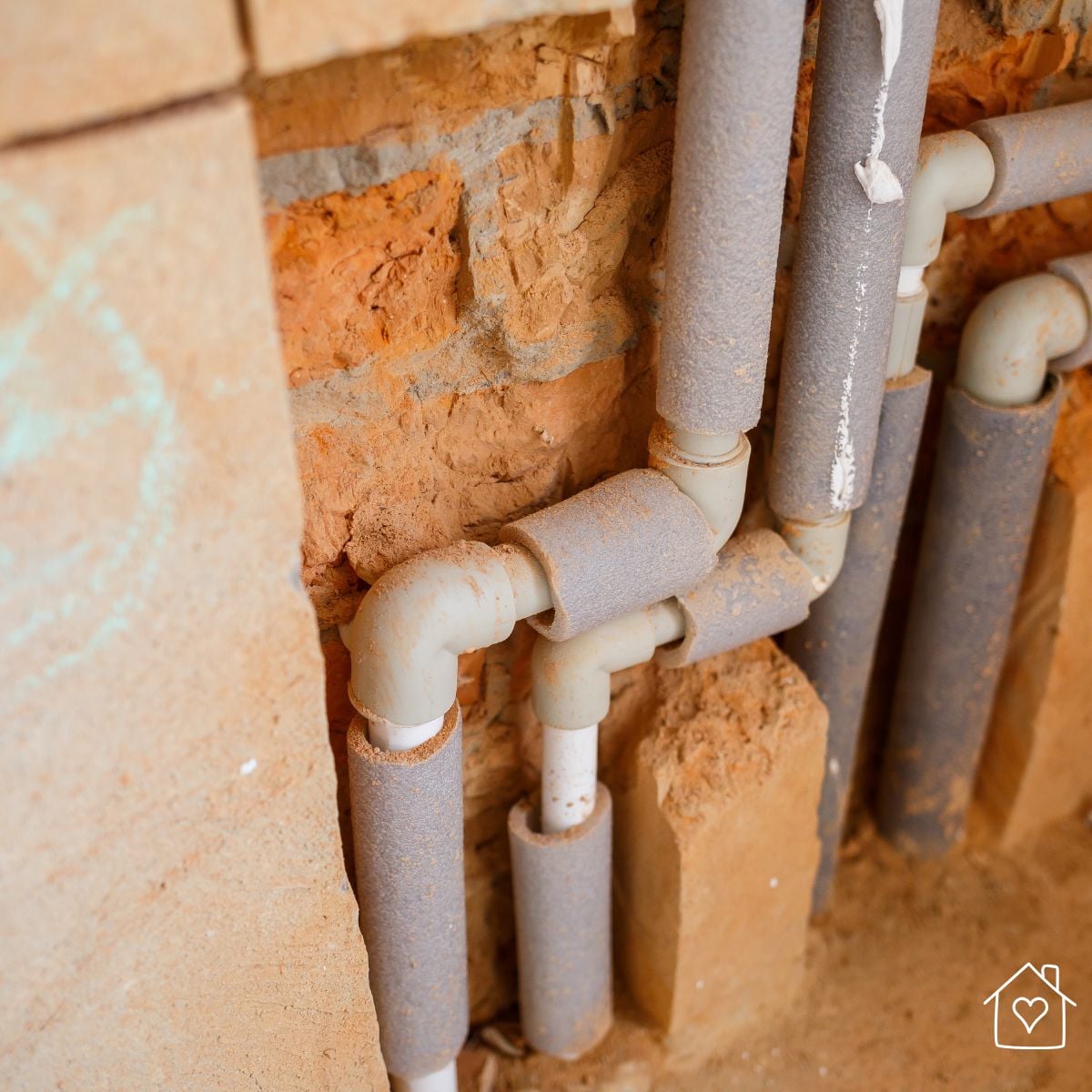
The most vulnerable pipes are the ones sitting in unheated spaces like basements and crawlspaces, where the cold gets in easily. Any plumbing that runs through the attic or along an exterior wall needs your attention too, and you'll want to get to it before the first hard freeze shows up.
This is the one that really gets me. My cousin lives about 3 miles from me and we basically have the same house...style-wise anyway. A few years ago during a brutal cold snap the pipe burst underneath his front landing....you know, that spot where the top stairs end, there's a landing, and then the bottom stairs start. The space under there is basically invisible. I never go under mine (it's mostly storage, and in true clean freak mode I try to keep it empty). My cousin had no idea anything was wrong until he had no water pressure. He went searching and found a HUGE mess. So when you check for exposed pipes, don't stop at the obvious places. Look in those forgotten spots too....under the landing, the back of a storage area, anywhere you don't see every day.
The cost of professional pipe insulation ranges from $350 to $850, depending on the scope of the job....but here's the good news. You can inspect and insulate most pipes yourself, and it's easier than it sounds. Hardware stores sell foam sleeves for just a few dollars per pipe. They slip right over exposed plumbing and give most homes plenty of protection. Tubular foam insulation typically runs $0.50 to $2 per linear foot, so this one won't break the bank.
Seal Cold Air Leaks Around the House
Cold air sneaking in through cracks and gaps can create freezing conditions right around your plumbing. Check the weatherstripping around your exterior doors, look over your window frames for openings, and take a walk around the foundation to look for cracks.
Caulk and spray foam are both effective fixes for sealing problem areas, especially where pipes run near exterior walls. Even a small opening can funnel freezing air right onto a vulnerable pipe.
Manage Indoor Heating and Thermostats
If you like to turn the heat way down (or off completely) when you travel, this one is for you. Doing that raises the risk of frozen pipes bursting while you're away, and you won't know until you walk back in the door. Keeping a minimum temperature of 55° Fahrenheit throughout the house gives most plumbing systems enough protection.
To make this easier, Broadley suggests upgrading to "a smart thermostat that learns your schedule and programs itself to save energy." The biggest perk is peace of mind....you can check on and control your home's heat right from your phone, wherever you are.
Protect Outdoor Faucets and Hoses
Outdoor plumbing takes the brunt of winter, so it needs its own prep before temperatures drop. A garden hose left hooked up to an outside faucet creates a path for freezing temperatures to reach the pipes inside. The water trapped in there expands as it freezes, and that can crack both the fixture and the pipes connected to it inside your walls.
Here's how to winterize outdoor plumbing the right way. First, disconnect and drain all of your garden hoses. Next, turn off the interior shut off valve for that faucet. Then open the outside spigot so any water trapped in the pipe can drain out completely. For extra protection against freezing temperatures, pop an insulated faucet cover over the spigot.
Know When to Hire a Professional Plumber
DIY prevention covers most winterization jobs, but some situations really do call for a pro. Complicated plumbing systems, pipes you can't get to inside the walls, and homes with a history of freezing issues are all worth having a licensed plumber take a look at.
When you're choosing a contractor, it helps to understand how they approach service. Brian Broadley of Broadley's puts it this way: "the commitment of our employees to the customers is what makes us different. We are there for the customers when they need us."
That's exactly who you want in your corner. Look for an established company that's ready for urgent calls. Broadley's, for example, has "second-shift workers on staff to ensure emergencies are handled promptly, whether late at night or on weekends." That kind of readiness, along with a satisfaction guarantee and live phone support, is what to look for in a provider. (Pipes never seem to burst at a convenient time, do they?)
Locate the Main Water Shut-Off Valve
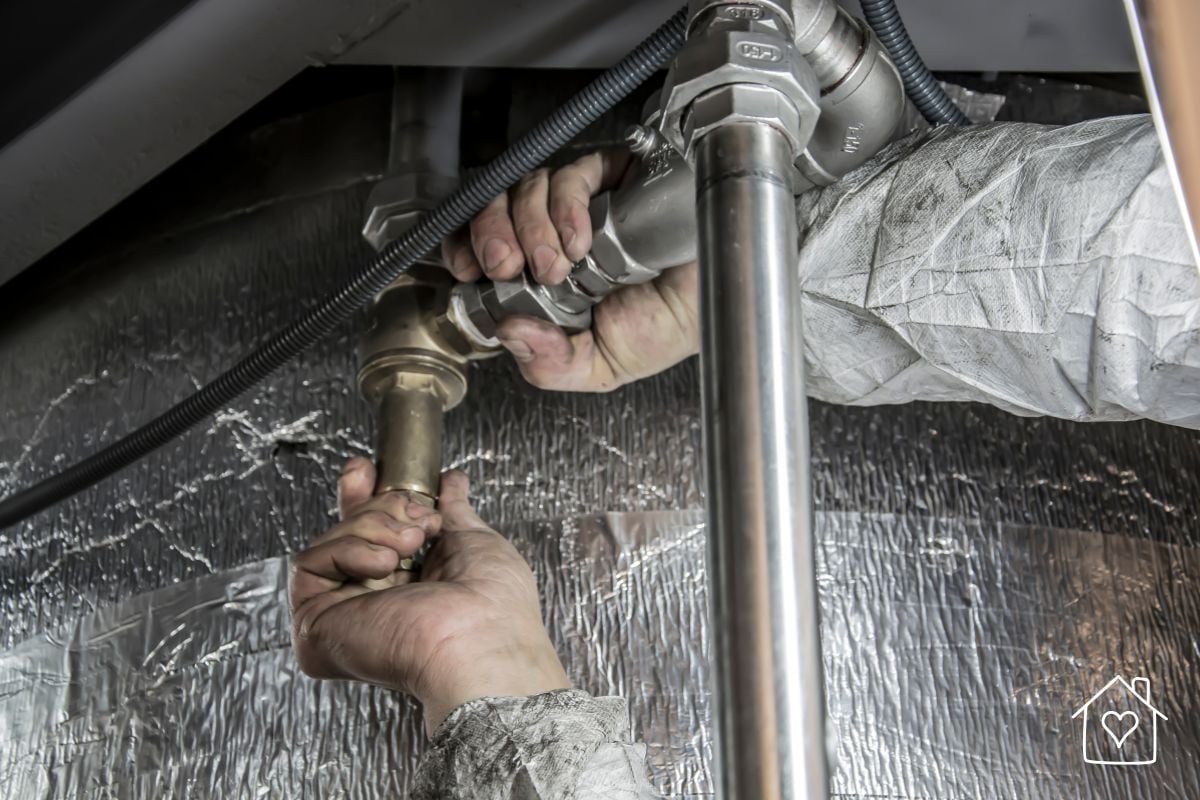
When a pipe bursts and water is gushing into your house, the last thing you want to do is go hunting for the shut off valve. If you know exactly where your main valve is and how to use it, you can keep the damage to a minimum. If you have to go looking for it....the water just keeps coming.
Common spots for the valve include the basement, crawlspace, utility room, or an exterior wall you can reach from inside. Test it before winter so you know it turns smoothly when you need it. And make sure everyone in the family knows where it is and how to shut off the water in a plumbing emergency (add that one to the family check in list!).
Frozen Pipe Prevention Checklist
Run through this checklist before the first hard freeze to protect the most vulnerable plumbing in your home:
- Inspect exposed pipes in basements, crawl spaces, attics and garages.
- Install foam sleeves or other pipe insulation on vulnerable runs.
- Seal cold air leaks around doors, windows, foundations and wall penetrations.
- Keep indoor heat steady, especially during travel or vacancies.
- Disconnect hoses, shut off outdoor faucets and cover exterior spigots.
- Locate the main water shut-off valve before an emergency happens.
Frequently Asked Questions About Winter Plumbing
Here are answers to some of the most common questions about preventing frozen pipes and when to call in a pro.
What does professional pipe winterization include?
A full winterization usually includes a thorough inspection to find vulnerable pipes, installation of high grade insulation, and recommendations for your home's specific risk areas. Plumbers may also empty water from exterior lines, add heat tape to exposed pipes, and seal openings where cold air reaches plumbing. For a vacant home, they can drain the entire plumbing system.
How much does it cost to insulate exposed pipes?
Professional pipe insulation typically runs $350 to $850 for most homes. That upfront cost buys a lot of protection when you consider that burst pipe damage can reach $5,000.
Can a plumber inspect homes for frozen-pipe risks?
Yes. A licensed plumber can assess your home and pinpoint where your pipes are most at risk of freezing. They'll look at pipe locations, insulation quality, how well the space is heated, and any structural weak spots, then give you recommendations specific to your house.
Who offers emergency plumbing service if a pipe bursts?
Local plumbing companies with emergency response teams can get to you fast when disaster strikes. Established providers keep on call crews and put burst pipes with active flooding at the top of the list. Save the number of a plumber you trust now, before a winter crisis hits.
Keep the Home Safe and Dry This Winter
Taking these steps now gives you real peace of mind, but being truly prepared also means having a trusted plumber's number handy. That way, if a winter emergency does happen, help comes fast and you're protecting both your home and your wallet. So this year, when the cold snap hits and the family check ins start, I plan to have an answer ready for every question. What's on your winter checklist? I would love to hear!