Kitchen Countertops Manhattan: Luxury Materials
In Manhattan, kitchen countertops are far more than utilitarian work surfaces. They are architectural statements, design anchors, and long-term investments that influence how an apartment looks, functions, and retains value. In luxury New York City homes - from pre-war apartments to modern penthouses - countertop selection must balance aesthetics, performance, building constraints, and lifestyle demands. This long-form guide explores every major kitchen countertop material searched by homeowners today: quartz countertops, granite countertops, marble countertops, butcher block countertops, soapstone countertops, Corian countertops, Formica countertops, and engineered stone countertops. It is written specifically for the Manhattan market, where space efficiency, delivery logistics, building regulations, and resale considerations shape every design decision.
Why Kitchen Countertops in Manhattan Are Different
Designing kitchens in Manhattan requires a fundamentally different approach than in suburban or new-construction homes. Countertop materials must be selected with awareness of elevator sizes, slab weight limits, noise restrictions, delivery windows, and building management approvals. In luxury buildings, even minor material choices are reviewed for compliance and impact on shared infrastructure.
*This post may contain affiliate links and I'll earn a commission if you shop through them. You can read my full disclosure here.
Quartz Countertops
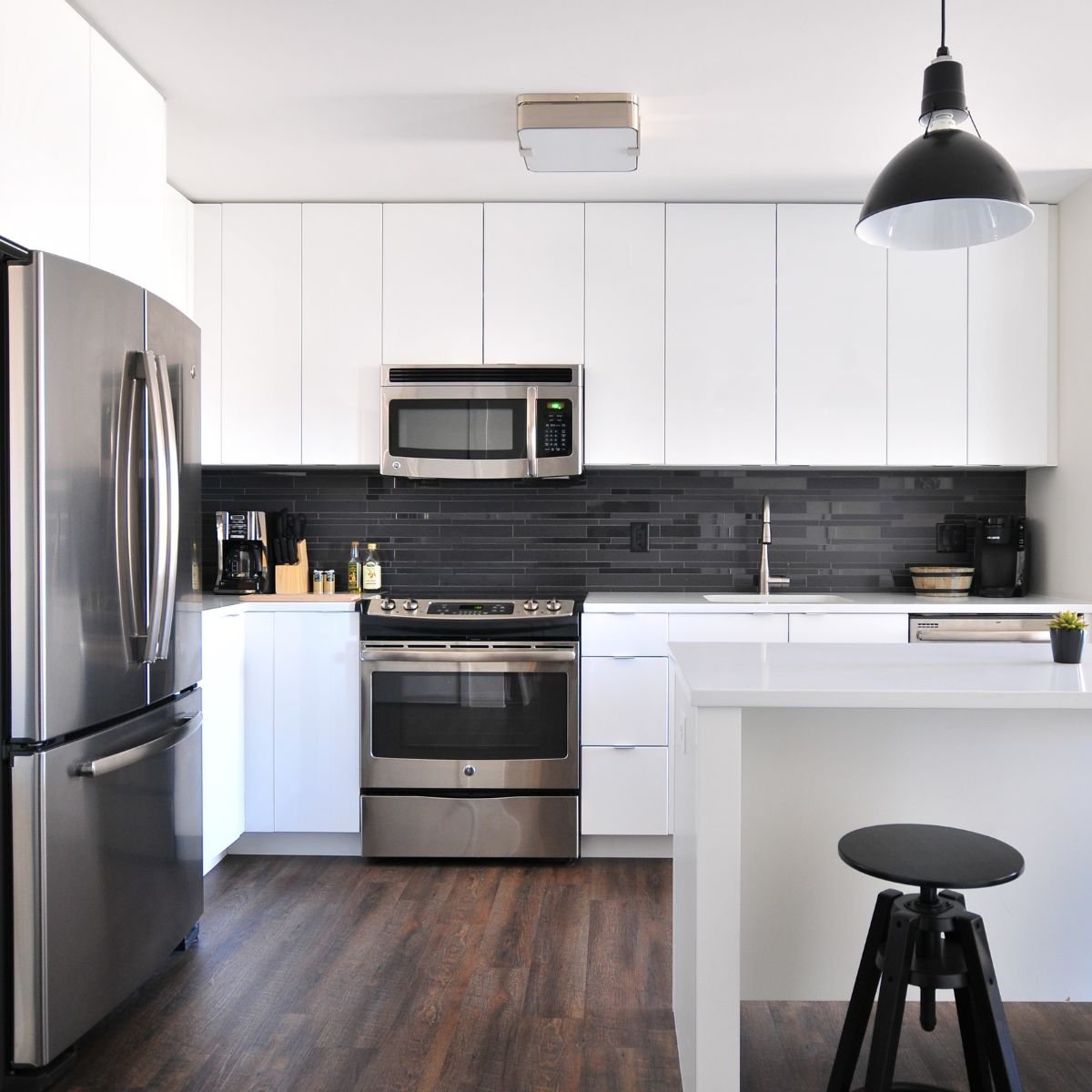
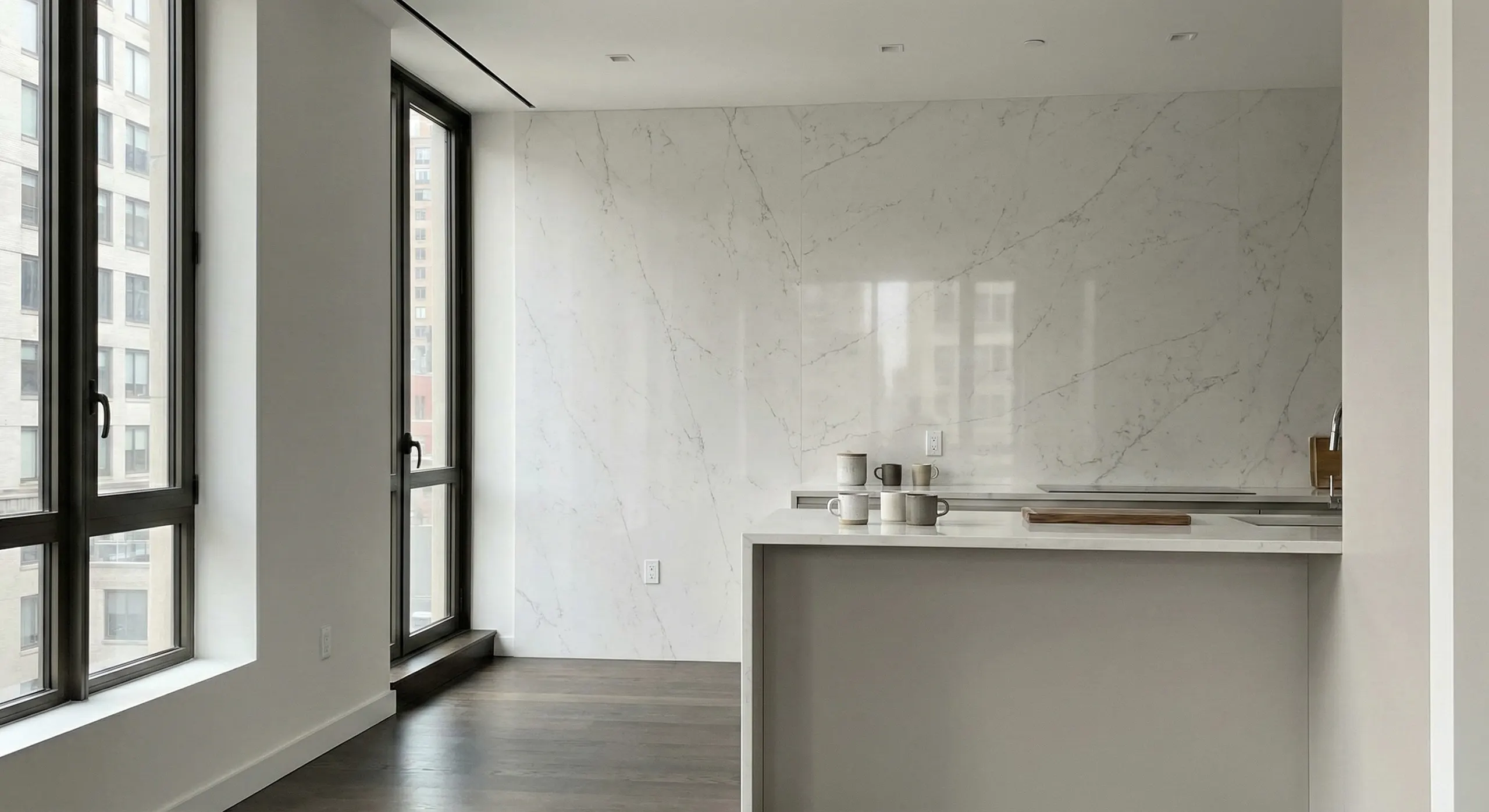
Quartz countertops dominate the luxury Manhattan market due to their durability, non-porous structure, and design flexibility. Engineered from natural quartz and resins, quartz countertops resist staining, do not require sealing, and perform well in busy urban kitchens. Designers often specify quartz in open-plan apartments where kitchens visually merge with living spaces, requiring surfaces that remain pristine over time. In Manhattan renovations, quartz is frequently used for waterfall islands, full-height backsplashes, and integrated countertops that visually connect
Granite Countertops
Granite countertops remain a respected natural stone option in New York kitchens. Each slab is unique, offering organic veining and mineral patterns that cannot be replicated artificially. Granite is heat-resistant and extremely durable, making it suitable for serious cooks. However, granite requires periodic sealing, and slab selection must be coordinated early due to availability and matching requirements.
Marble Countertops
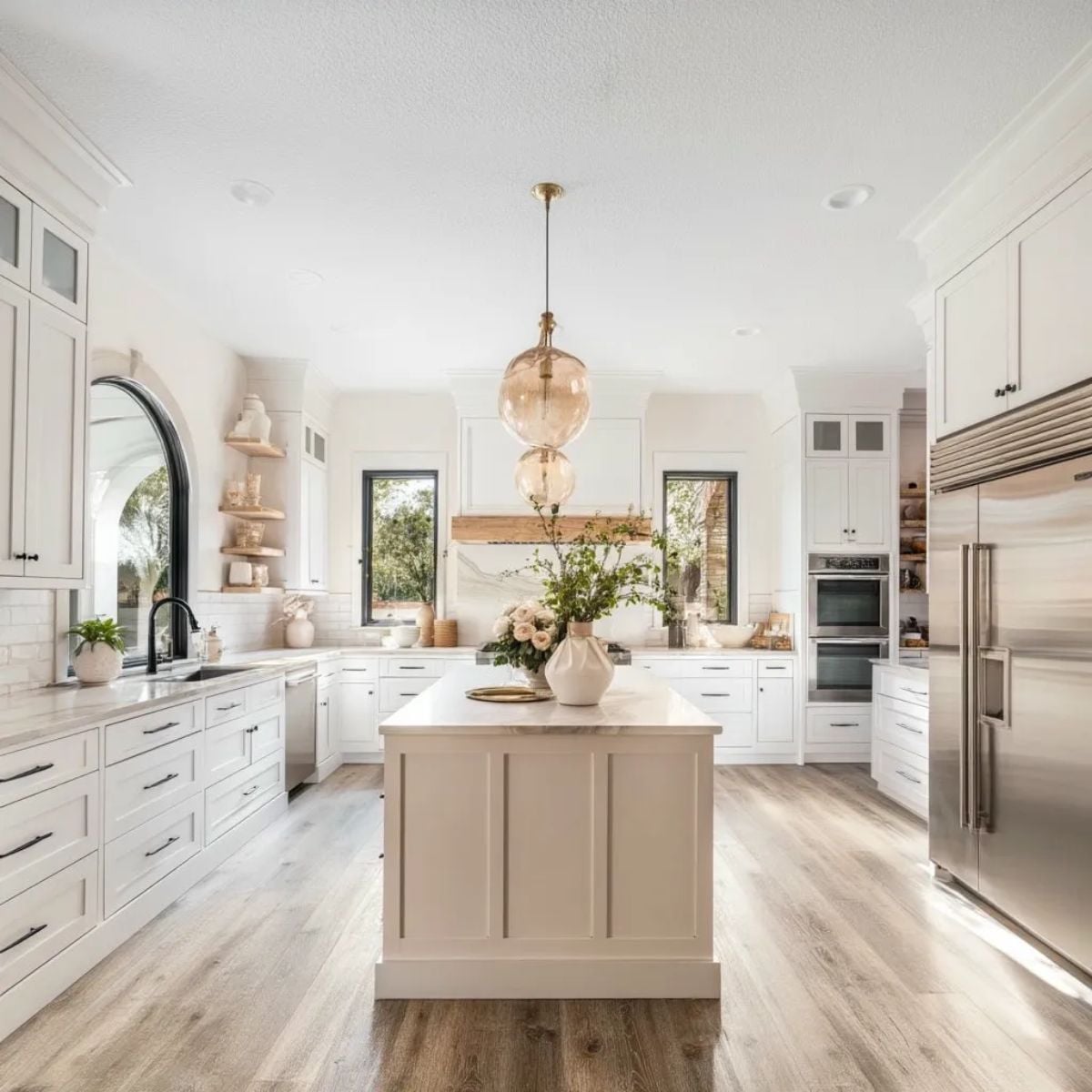
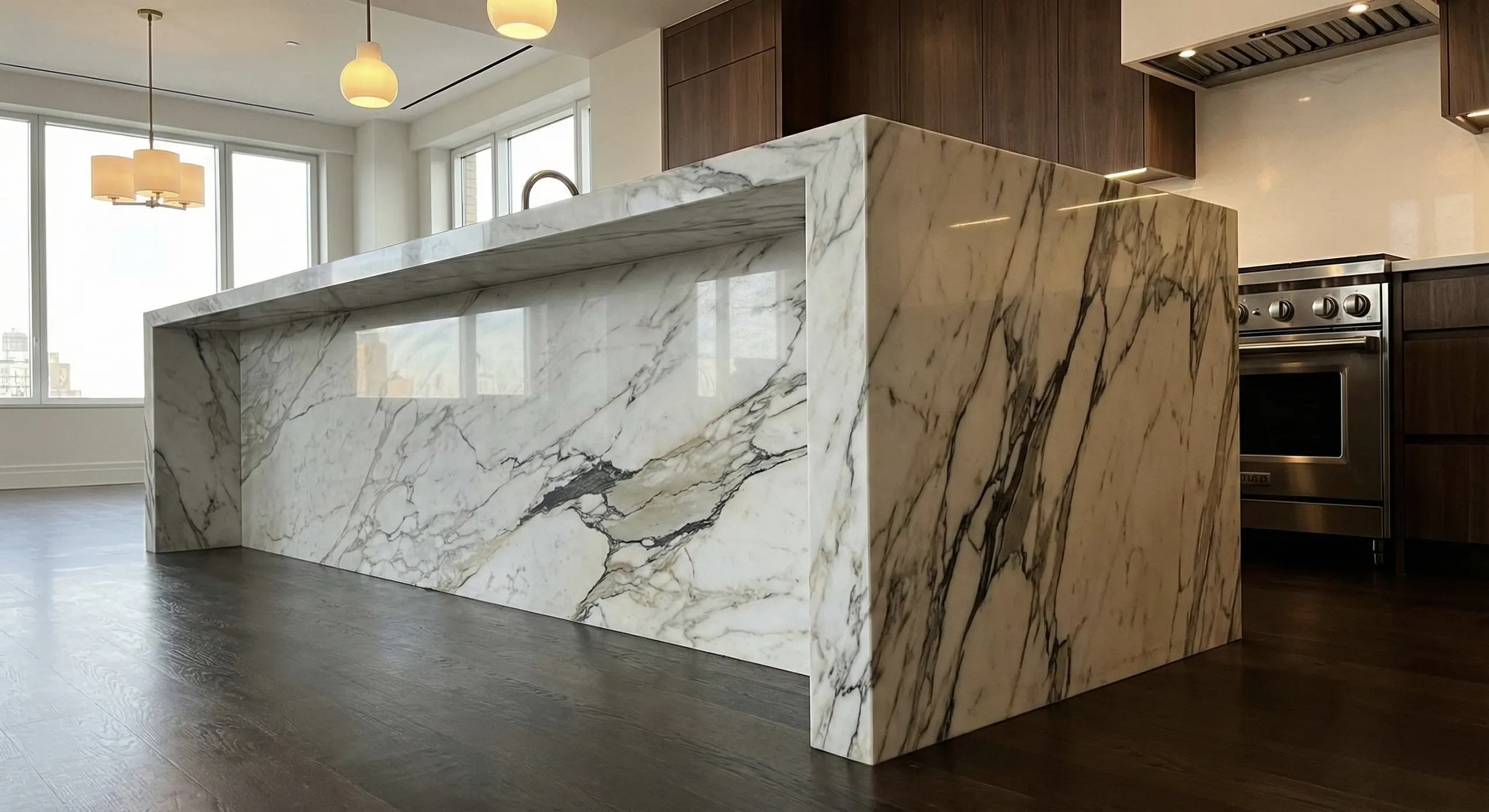
Marble countertops are the ultimate symbol of luxury. In Manhattan apartments, marble is often used selectively - on islands,
Butcher Block Countertops
Butcher block countertops introduce warmth and tactile contrast into otherwise stone-dominated kitchens. In New York luxury interiors, butcher block is often paired with stone countertops rather than used exclusively. Proper sealing and maintenance are essential in humid urban environments.
Soapstone Countertops
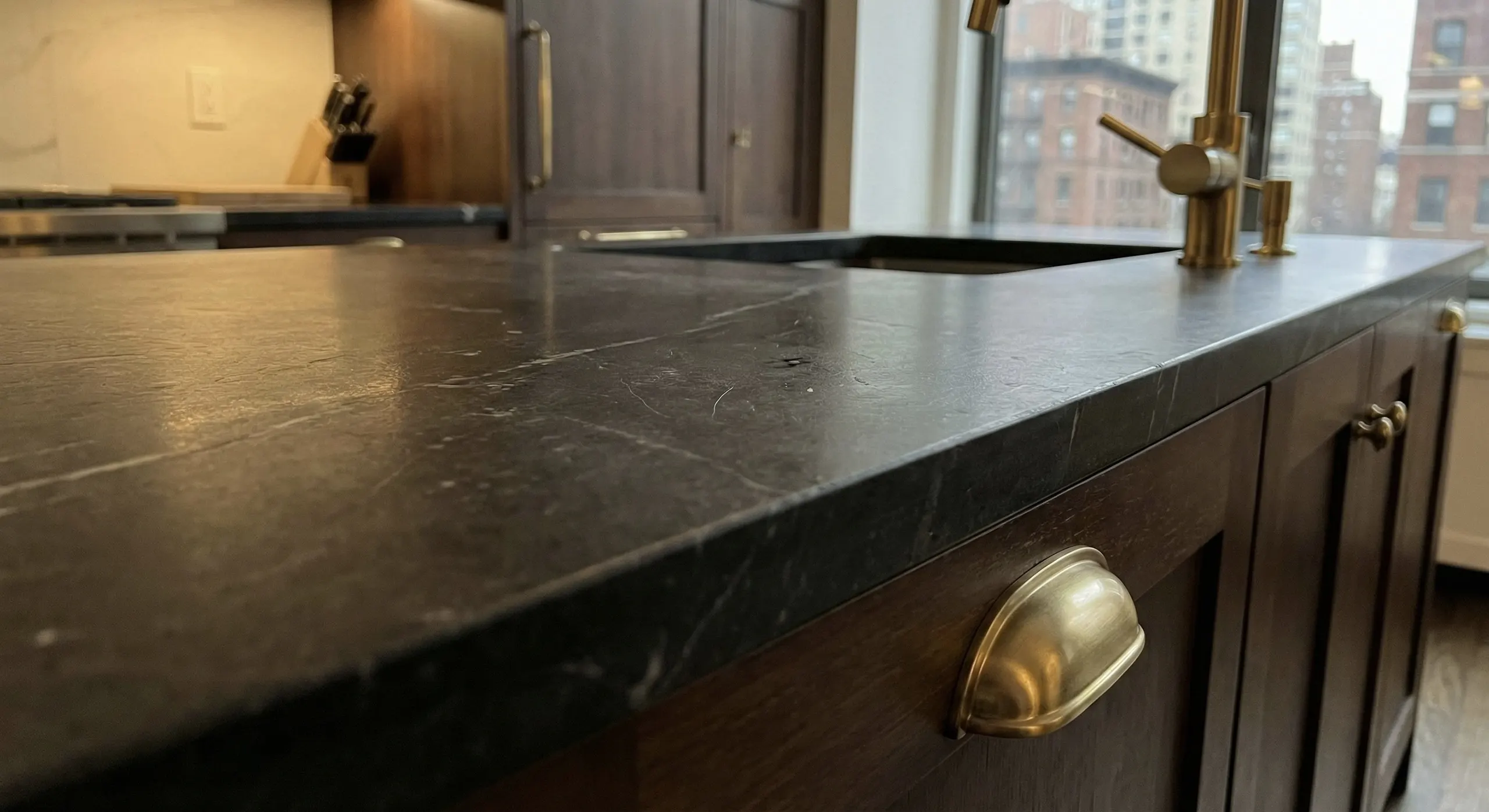
Soapstone countertops appeal to clients seeking understated luxury. Non-porous and resistant to stains and bacteria, soapstone performs exceptionally well in Manhattan kitchens. Its deep matte appearance pairs well with both classic and industrial interior styles.
Corian and Solid Surface Countertops
Corian countertops and similar solid surface materials offer seamless installations and integrated sinks. While not as prestigious as natural stone, they are sometimes selected for secondary kitchens, service areas, or minimalist interiors where visual continuity is prioritized.
Formica and Laminate Countertops
Formica countertops represent the most budget-conscious option discussed in this guide. In luxury Manhattan projects, laminates are rarely used in primary kitchens but may appear in rental properties or utility spaces.
| Material | Durability | Maintenance | Stain Resistance | Luxury Perception | Typical NYC Cost |
|---|---|---|---|---|---|
| Quartz | High | Low | Excellent | High | $60-$160 / sqft |
| Granite | High | Medium | Good (sealed) | High | $50-$120 / sqft |
| Marble | Medium | High | Low | Very High | $80-$250 / sqft |
| Butcher Block | Medium | High | Low | Medium | $40-$100 / sqft |
| Soapstone | High | Low | Excellent | High | $70-$140 / sqft |
| Corian | Medium | Low | Good | Medium | $45-$90 / sqft |
| Formica | Low-Medium | Low | Medium | Low | $20-$50 / sqft |

What kitchen countertop materials are truly suitable for luxury Manhattan apartments?
In high-end Manhattan residences, countertop selection is never based on trends alone. The most suitable materials are those that balance aesthetic longevity, structural reliability, and daily usability.
Quartz, high-quality granite, and carefully selected marble remain the top choices for luxury apartments because they meet strict requirements for durability, consistency, and long-term value. Materials like soapstone or butcher block may be used selectively, often as secondary surfaces, but rarely as the primary countertop in a luxury setting.
In Manhattan, luxury means choosing materials that look refined today - and still make sense ten years from now.
From a professional perspective, what countertop material offers the best balance between beauty and performance?
Quartz consistently offers the best balance between visual elegance and performance. It delivers a clean, refined appearance similar to natural stone, while offering superior resistance to staining, moisture, and everyday wear.
For clients who value aesthetics above all else, marble remains unmatched - but it requires a clear understanding of maintenance and aging. Granite sits between the two, offering natural variation with strong durability.
The key is not which material is "best," but which material aligns with how the kitchen will actually be used.
Are marble countertops practical in real kitchens, or are they purely decorative?
Marble is practical when expectations are set correctly. In luxury kitchens, marble is often chosen not because it stays perfect, but because it ages beautifully.
Natural patina, subtle etching, and slight discoloration are part of marble's character. When used thoughtfully - for example, on islands or low-impact surfaces - marble becomes a design statement rather than a maintenance burden. In professional projects, marble is never installed without a conversation about lifestyle,
Design Insight from Manhattan Renovation Projects
In many high-end Manhattan renovations, designers increasingly specify quartz and porcelain slabs for full-height installations, paired with custom cabinetry and concealed appliances. This approach creates visually calm, architectural kitchens that integrate seamlessly with living areas - a solution frequently seen in contemporary luxury apartments across Midtown and Downtown Manhattan.
This design philosophy is evident in recent luxury renovation projects by Hoppler Design & Build, where countertop materials are selected not only for beauty, but for long-term performance within New York City buildings.
Conclusion
Selecting kitchen countertops in Manhattan is a strategic design decision that blends aesthetics, performance, and urban constraints. Understanding material behavior, maintenance requirements, and cost implications allows homeowners and designers to create kitchens that remain beautiful, functional, and valuable for years to come.