Home Office Organization Hacks to Boost Focus and Reduce Distractions
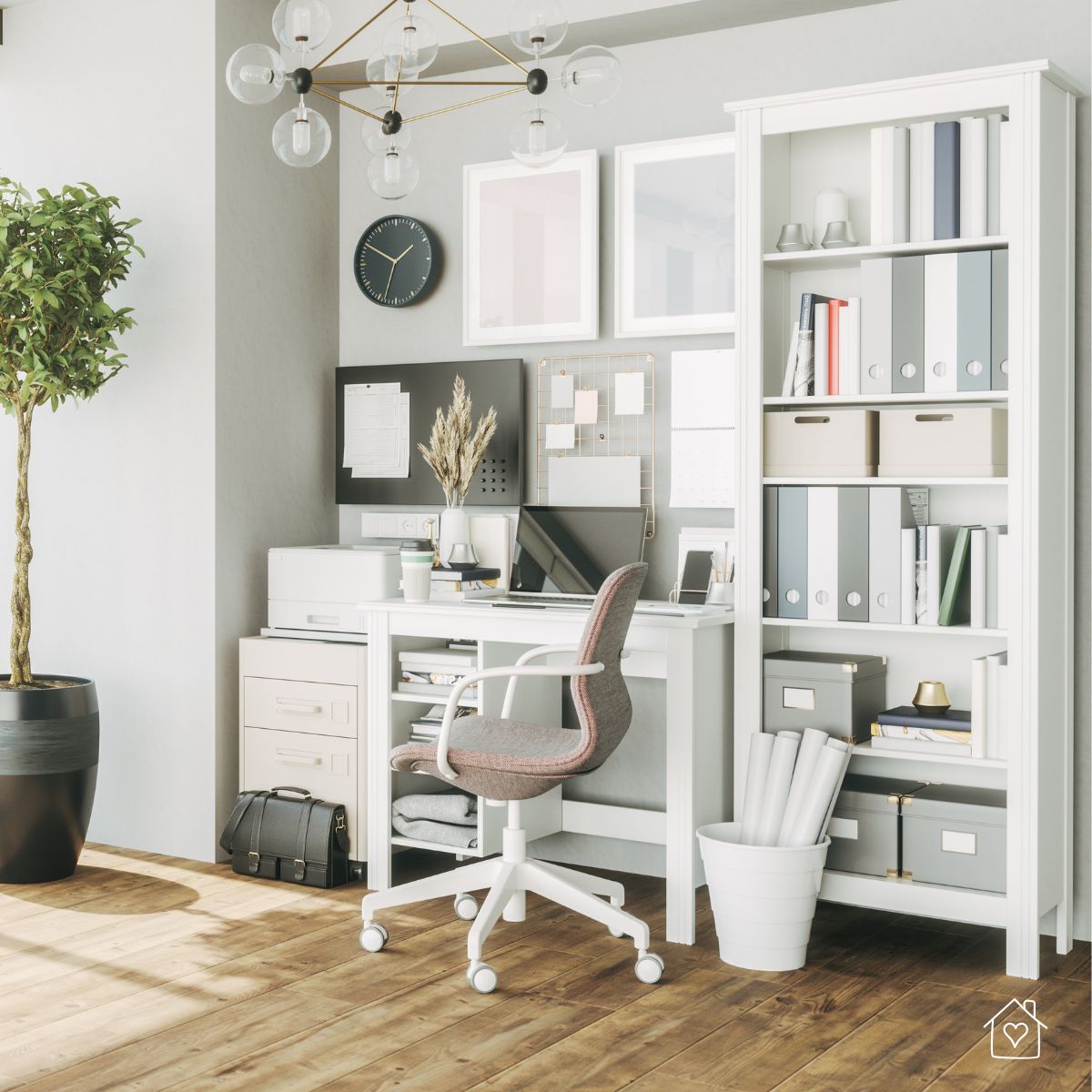
Home Office Organization Hacks That Actually Improve Your Focus
A clean desk looks great on Instagram. But it doesn't guarantee productivity. You can have neatly stacked folders, matching bins, and a perfectly labeled shelf - and still lose your focus every five minutes. Because true concentration depends on more than just where you put your pens. It's also about how your space sounds.
Real organization isn't just drawers and storage boxes. It's building an environment that protects your attention. Many parents working from home have discovered that sound masking for offices is the missing piece in creating a truly productive workspace. This simple tool blends distracting household noises - footsteps, conversations, even kitchen clatter - into a consistent background hum. It's not silence, but calm. And when your brain stops reacting to every sound, it finally gets room to think.
Once your workspace feels peaceful, even the small tasks - like writing an email or sorting receipts - start to flow more easily. Organization begins to feel less like control and more like freedom.
Why Physical Organization Alone Isn't Enough
Even the most beautiful office setup won't save you from a noisy household. The truth is, clutter doesn't always come from things - it comes from interruptions.
The Hidden Productivity Killer
Noise is one of the biggest obstacles to focus, especially in shared homes. You might not notice it right away, but every sound - a phone notification, a child calling, a dishwasher starting - forces your brain to reset. It's like trying to run a marathon while stopping at every red light.
You can tidy your desk all day, but if your mind is constantly shifting between work and distraction, productivity will always lag behind. True focus needs both physical order and auditory calm.
Your Brain on Constant Interruption
When noise levels fluctuate, your brain stays half-alert. It can't relax into deep focus because it's waiting for the next sound. That's why so many remote workers feel mentally exhausted after a "quiet" day at home. The noise may be soft, but it's unpredictable - and unpredictability drains energy.
Creating a consistent background sound, whether through a white noise app or a small speaker, helps train your brain to tune out distractions. The steadiness signals safety, allowing your attention to lock in.
Quick Wins for Instant Focus Improvement
You don't need a total home makeover to reclaim your focus. A few simple habits can make a big difference - starting today.
Clear Your Desk in Five Minutes
Start small. Set a timer for five minutes and clear every unnecessary item from your desk surface. Visual clutter creates mental noise. The more open your workspace, the easier it is for your thoughts to move freely.
When you finish, add just one thing that inspires you - a photo, a plant, or a motivational note. It helps your brain associate your desk with calm and clarity.
One Simple Inbox Rule
Digital clutter counts too. If your email inbox feels overwhelming, try the "two-minute rule." If it takes less than two minutes to respond, do it now. Everything else gets scheduled for later. This small system keeps mental space open for deeper tasks.
The Three-Box System That Works
Keep three boxes or bins in your office: Keep, Move, and Toss. Once a week, spend ten minutes sorting. It's quick, practical, and stops clutter before it builds up. You'll be surprised how much lighter your mind feels when your environment stays clean and intentional.
Creating Visual Boundaries in Shared Spaces
Not everyone has a separate home office - and that's okay. Even in shared or open-plan areas, you can create visual boundaries that help your brain switch into work mode.
Use Screens and Dividers Creatively
A folding screen, tall bookshelf, or even a curtain can separate your workspace from the rest of the house. It doesn't just block distractions - it signals to everyone (and to yourself) that you're in "focus mode." The physical cue makes mental separation easier.
Color Coding Your Work Zone
Color has a subtle but powerful psychological effect. Use calming hues - soft blues, greens, or neutrals - around your desk area to create a sense of order. A dedicated color scheme helps your brain recognize, this is my work zone, even if it's part of a larger room.
Facing Away from High Traffic Areas
If your desk faces the kitchen or hallway, your attention will follow every bit of motion that passes by. It's human nature - our brains are wired to notice movement. The simple fix? Turn your workspace so your back faces the action.
Even shifting your desk a few feet or angling it toward a wall can make a big difference. You'll stop catching glimpses of family members walking by, and your mind will settle faster. Pair this with subtle background sound - like a small white noise device - to keep your focus anchored while the rest of the house moves on around you.
Setting Up Zones for Different Tasks
One of the best-kept secrets of a productive home office isn't having more space - it's using the space you have with intention. You don't need a whole room to work efficiently. You just need to create clear zones that match how your brain works throughout the day. When each area has a purpose, your mind instantly knows what to do when you sit there. It's a small psychological trick that keeps you from blending work, planning, and rest into one messy blur.
Computer Work Area
This is your "deep focus" zone - the spot where you do your most demanding work. It could be a full desk or just a corner of the dining table during work hours, as long as it signals "it's time to concentrate." Keep this area clean and minimal. Only the essentials belong here: your laptop, notebook, and maybe a glass of water. Everything else - personal items, mail, or random clutter - can quietly sabotage your focus.
Lighting also matters more than people think. Bright, balanced light keeps your energy up and reduces fatigue, especially if you're staring at a screen. Add a soft sound backdrop - a quiet fan, a playlist of ambient sounds, or a white noise app - to help your brain stay locked in, even when the rest of the house is busy.
Reading and Planning Corner
Not every task requires full concentration. Sometimes you need a softer space for thinking, reading, or sketching ideas. That's where a reading or planning corner comes in.
Choose a spot that feels inviting - a chair by the window, a corner with a cozy throw, or even a small armchair beside a side table. Add warm lighting, like a lamp with a soft bulb, to shift your brain into "creative mode." When you physically move to this space, it tells your mind to slow down and think differently. You'll find that brainstorming feels easier when you're not sitting in the same chair where you answer emails.
You can even use scent or sound to create the right mood. A candle, a diffuser, or calm instrumental music can anchor your attention and turn this little corner into a personal creative retreat.
Supplies Within Reach
Few things derail focus faster than realizing you've lost your pen or that your charger is across the room. The best way to maintain momentum is to have everything you might need within arm's reach.
Use small baskets, drawers, or wall-mounted organizers to keep your essentials tidy and accessible. Labeling helps too - it saves mental energy when you don't have to think about where things belong. If you share your workspace with others, designate a specific drawer or caddy for your own supplies so they don't wander off.
Try to keep the surfaces clear, but the systems simple. The goal isn't Pinterest perfection - it's practicality. When your tools have a home, your mind doesn't have to keep track of them. That freed-up energy goes straight into your work, where it belongs.
And remember: your workspace doesn't have to be static. Adjust and evolve it as your tasks and energy levels change. The best home offices grow with you - flexible, organized, and always ready when inspiration strikes.
Small Space Solutions
You don't need a spare room or a big renovation to create a workspace that actually works. Even the smallest corner can become a calm, productive zone with a few thoughtful tweaks. It's less about size and more about intention - carving out a spot that feels like yours, even in the middle of a busy home.
A floating desk or a fold-down table is a great starting point. It instantly transforms unused wall space into a workstation, then folds away when you're done. If you prefer something mobile, a slim rolling cart or laptop stand can move with you from room to room. The key is flexibility - making your setup fit your life, not the other way around.
Vertical storage is your best friend in tight spaces. Use wall shelves, pegboards, or hanging grids to keep everything visible but off your desk. Hooks for headphones, baskets for papers, and small magnetic organizers can make a huge difference in keeping things tidy without adding clutter. Every inch counts, so think upward instead of outward.
Lighting also plays a big role in how productive a small space feels. Whenever possible, set up near a window - natural light boosts mood, focus, and energy levels. If daylight isn't an option, add a warm-toned lamp with a soft bulb. The goal is to make the area feel inviting, not clinical. A little bit of warmth goes a long way toward reducing stress and improving concentration.
And finally, don't underestimate the power of sound. Small spaces amplify every noise - footsteps in the hallway, a ticking clock, or kids talking in another room. A compact sound masking device or white noise app can blur those distractions into a gentle background hum. It won't make your space silent, but it will make it peaceful.