How to Actually Run Your Kitchen While It Is Being Remodeled
By Elite Contracting Ltd., Surrey, BC
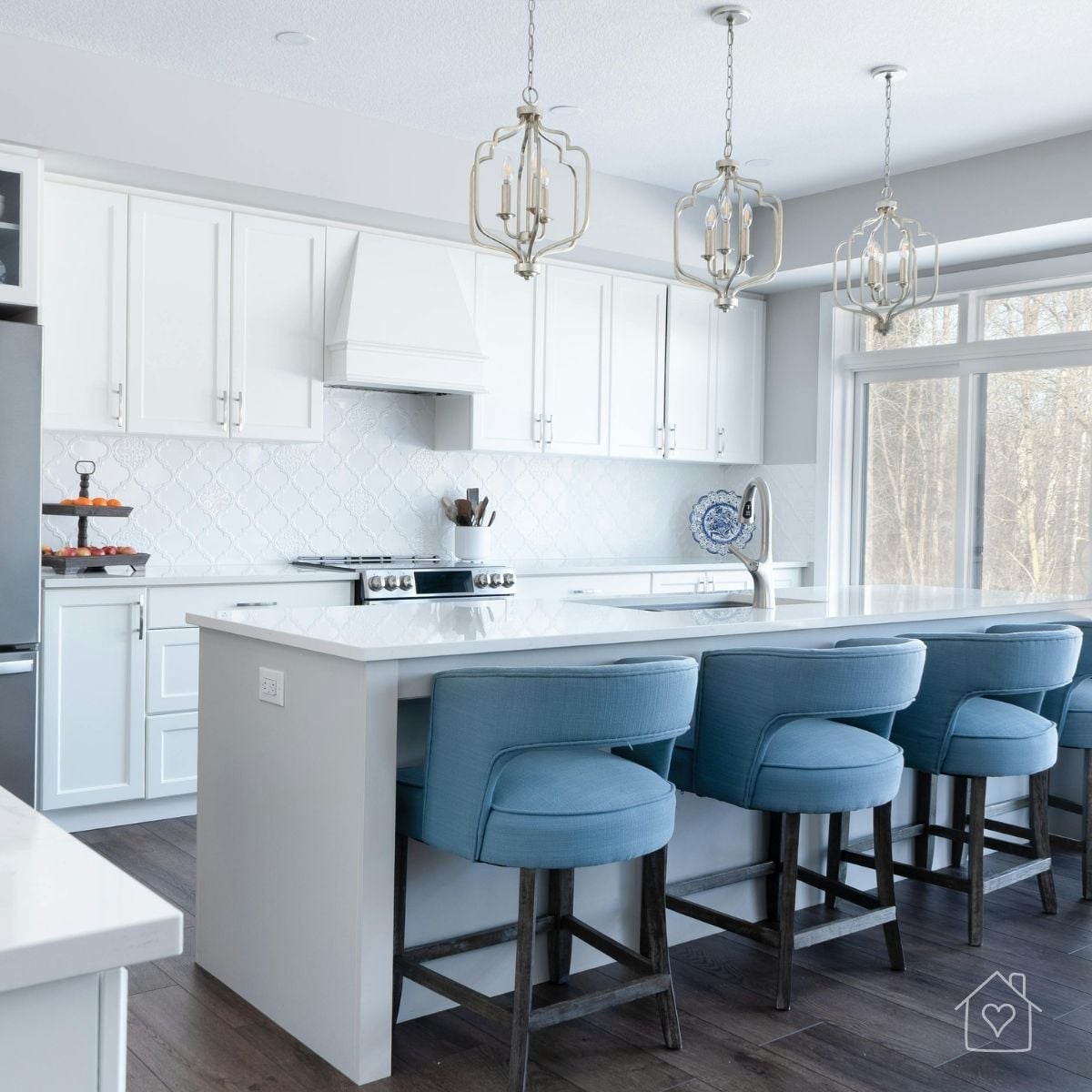
There is a lot of advice about how to plan a kitchen remodel and very little about how to live through one.
That gap is strange, because the planning is a few weeks of decisions and the living through it is the part that actually tests a household. We build kitchens for a living, and the question we get asked most often once a project is underway has nothing to do with cabinets. It is some version of the same thing. Where are we supposed to eat?
So this is the practical version. How to set up a kitchen that works while your real one does not exist, how to shorten the stretch you are without one, and what to sort out before demolition rather than during it.
From time to time, articles on The How-To Home may reference third-party websites, businesses, products, services, or review platforms as part of editorial research. When evaluating companies or services, we may consider publicly available information such as customer reviews, business websites, service offerings, licensing information when available, and overall relevance to the topic.
First, Find Out How Long You Are Actually Without a Kitchen
The useful number is not how long the project takes. It is how many days you have no functioning kitchen at all, and those are very different figures.
A kitchen is typically unusable from the day demolition starts until the counters are in and the sink is connected. Cabinets go in before counters, and counters usually get templated after the cabinets are set, which means there is a wait built into the middle of the job that nothing can compress. Appliances come after that.
Ask your contractor for three dates rather than one. The day the kitchen goes out of service, the expected day the sink comes back, and the day the last appliance is connected. Any contractor doing kitchen remodeling in Surrey or anywhere else should be able to give you those, with the honest caveat that the middle one moves if something unexpected turns up behind the walls.
Once you have those dates, everything below becomes a plan instead of a scramble.
Set Up the Temporary Kitchen Before Demolition, Not After
The mistake almost everyone makes is treating the temporary kitchen as something to sort out once the mess starts. By then the boxes are packed, the counters are gone, and you are making decisions while standing in dust.
Set it up a few days early and use it while your real kitchen still works. You will find out what is missing while you can still walk ten feet and get it.
Pick a room with a plug and a hard floor if you can. A dining room, a laundry room, a finished basement. Carpet and
A folding table becomes the counter. One surface for the appliances, one for prep, if you have room for two. If you only have one, the appliances win and prep happens on a cutting board over the sink area.
Keep these out of the packing boxes: kettle or coffee maker, microwave, toaster oven or
Everything else gets packed and labelled by where it goes back, not by what it is. Sounds fussy. It saves an entire day at the other end.
The Water Question Is the One That Matters
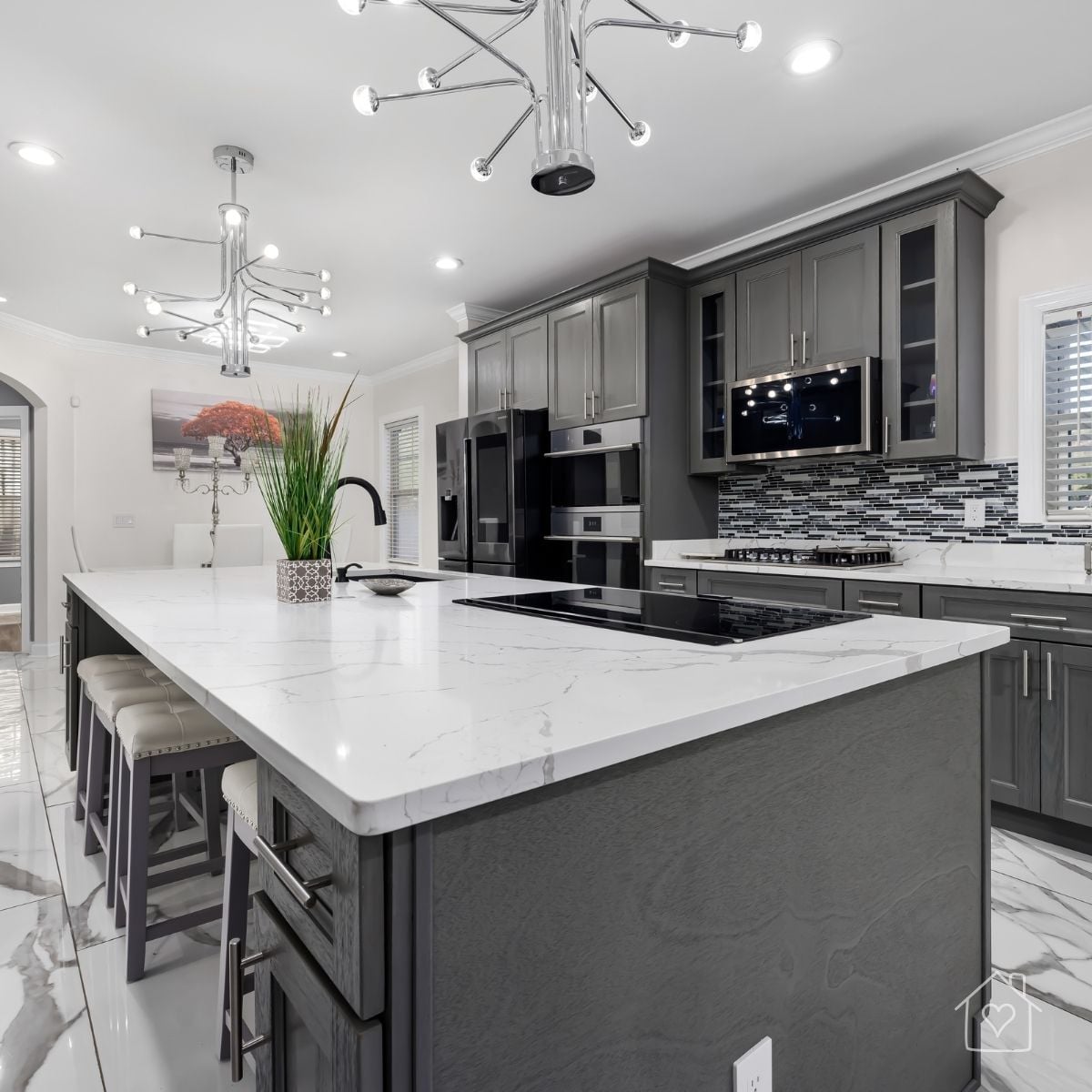
People plan around losing the stove. Almost nobody plans properly around losing the sink, and the sink is what you will miss.
Work out where your washing-up is going to happen before work begins. If you're planning kitchen remodeling in san diego, ask your contractor whether access to a sink or water line can be maintained during the project. Otherwise, the most realistic alternatives are a bathroom sink, laundry tub, or outdoor tap in warm weather. A laundry tub is usually the best option because it is deep enough to accommodate pots and larger dishes.
A few things make it survivable:
- A dish rack and a mat next to whichever sink you are using, so it becomes a station rather than a nuisance
- A dishpan you can carry, which turns any sink into a workable one
- Paper plates for the worst week, with no guilt attached, and recycling for the rest
- A rule about not letting dishes accumulate, because the usual reset of a big sink and a dishwasher is not available
If your project involves an older home, ask early about whether the water gets shut off in sections and for how long. Older plumbing sometimes means the shutoff is less surgical than anyone would like, and knowing that in advance is worth a great deal.
Plan Meals Around Equipment, Not Recipes
The temptation is to plan a month of easy meals. The better move is to look at what appliances you actually have on that folding table and build from those.
An
What works in practice:
- Cook and freeze several meals in the weeks before demolition, while you still have a real kitchen and an oven
- Shop smaller and more often, since fridge space is usually reduced and the fridge may be in another room
- Lean on meals that use one vessel, because every additional pot is another thing to carry to a bathroom sink
- Keep a short list of the takeout you actually like, decided in advance, so the tired-Tuesday decision is already made
The households that struggle are the ones that try to cook normally in an abnormal kitchen. The ones that do fine adjust what they cook for a few weeks and stop fighting it.
Dust Gets Everywhere, So Decide Where It Does Not
A good crew will seal the work area, run containment at the doorways, and manage dust at the source. That handles most of it. It does not handle all of it, and it is worth having one room you have decided is out of bounds.
Make that the room with the food in it.
Practical measures that cost almost nothing: keep the temporary kitchen behind a closed door where possible, cover the food prep surface with something washable you can shake out, run the dishwasher empty once at the end before you trust it again, and wash anything that was stored open before it goes back.
If anyone in the house has asthma or allergies, say so at the start rather than partway through. It changes how containment gets set up, and it is a much easier conversation before the walls are open.

Ask for These Two Things at Scheduling
Two requests cost your contractor very little and will improve your life considerably. Both are easier to grant if you ask before the schedule is built rather than during it.
Ask for the sink to be reconnected as early as the sequence allows. Sometimes it can be brought forward, sometimes it genuinely cannot because the counters have to land first. Either way you will know, and if it can move, it is the single biggest quality-of-life change available.
Ask what the daily start and finish times are, and whether there are days nobody will be on site. Knowing that Tuesday is a quiet day is how you plan a work call, a nap or a proper meal. Gaps in a schedule are normal, especially around inspections and material deliveries. They are only stressful when they are a surprise.
It is also worth asking where the crew will park, where materials will be staged, and which door they will use. Small things, all of them, and all easier to agree on day one than to renegotiate on day nine.
If There Are Kids or Pets , Plan Their Week Too
An active work area is not a place for either, and the honest version is that this takes more managing than the
A working site has tools, cords, offcuts with fasteners in them, and open floor. Crews are careful, and the containment helps, but the reliable approach is a clear boundary that everyone in the house understands rather than supervision in the moment. Agree with your contractor which doors stay shut and whether the work area gets closed off at the end of each day.
Pets need more thought than people expect. Doors get propped open for material runs, which is how cats get out. Noise that a household adjusts to in an afternoon can leave a dog unsettled for weeks. If there is somewhere else for them to be during the loudest days, demolition especially, take it. If there is not, pick the room furthest from the work, put their things in it, and tell the crew that door stays closed.
For kids, the two things that help most are a routine that does not depend on the kitchen and somewhere normal to eat. If breakfast has always happened at the kitchen table, move it somewhere specific and keep it there, rather than eating wherever there is space that day.
On whether to move out entirely: it is worth pricing, and worth deciding on the real length of the disruption rather than the worst day of it. Most households stay, and manage fine. The ones who should think harder about leaving are those with a very small home where the temporary kitchen has nowhere to go, anyone with a health reason to avoid dust, and anyone whose project takes out the only bathroom at the same time. If you are staying, say so early, because a crew works differently in an occupied house and would rather know.
Put the Kitchen Back Deliberately
When the kitchen comes back, resist the urge to unpack everything on the first afternoon.
You have just spent weeks learning what you actually use, which is information you did not have before. The pans you reached for constantly and the gadget you never once missed are both worth remembering while it is fresh.
Put back the things you used during the remodel first, in the spots that make sense for how you cook now. Then bring in the rest over a week. Anything still in a box after that has earned a hard look.
A lot of people say the new storage layout was the best part of the whole project. It usually is, and it is usually because they organised it deliberately rather than reproducing the old kitchen inside the new one.
The Short Version
A kitchen remodel is disruptive in a completely predictable way. It is the same disruption in roughly the same order for almost every household, which means nearly all of it can be planned around.
Get the three dates. Set the temporary kitchen up early, in a room with a plug and a hard floor. Solve the sink before you worry about the stove. Cook to your equipment instead of your recipes. And when it is finished, put it back on purpose.
The remodel itself is the part you pay for. How the weeks in the middle go is almost entirely down to a few decisions you can make before anyone picks up a hammer.