How to Choose the Right Mattress if Snoring Is Wrecking Your Sleep
For more than a year, we kept a sheet of plywood between our old mattress and the bed frame. The mattress was lumpy, our backs were so sore when we woke up, and I have scoliosis, so that bed was a nightmare for me. The plywood didn't help one bit.
Replacing it wasn't an option right away. This was during covid, I had lost two of my side jobs, and we had to put money aside before we could buy anything. In 2021 we finally bought a queen mattress for $900, and that was after a $100 discount from a friend's referral. He was the one who recommended it, and his recommendation was spot on.
The first night on our new mattress was amazing. We both slept so much better.
My husband snores and uses a BiPAP, so sleep is a regular topic at our house. When anyone I know complains about their sleep, the first thing I ask is whether they snore or have a bad back. If the answer is yes, they get my mattress story (and now you get it too). I'm not a doctor, so here is what I'd look for in a mattress if snoring, a sore back, or both are wrecking your nights.
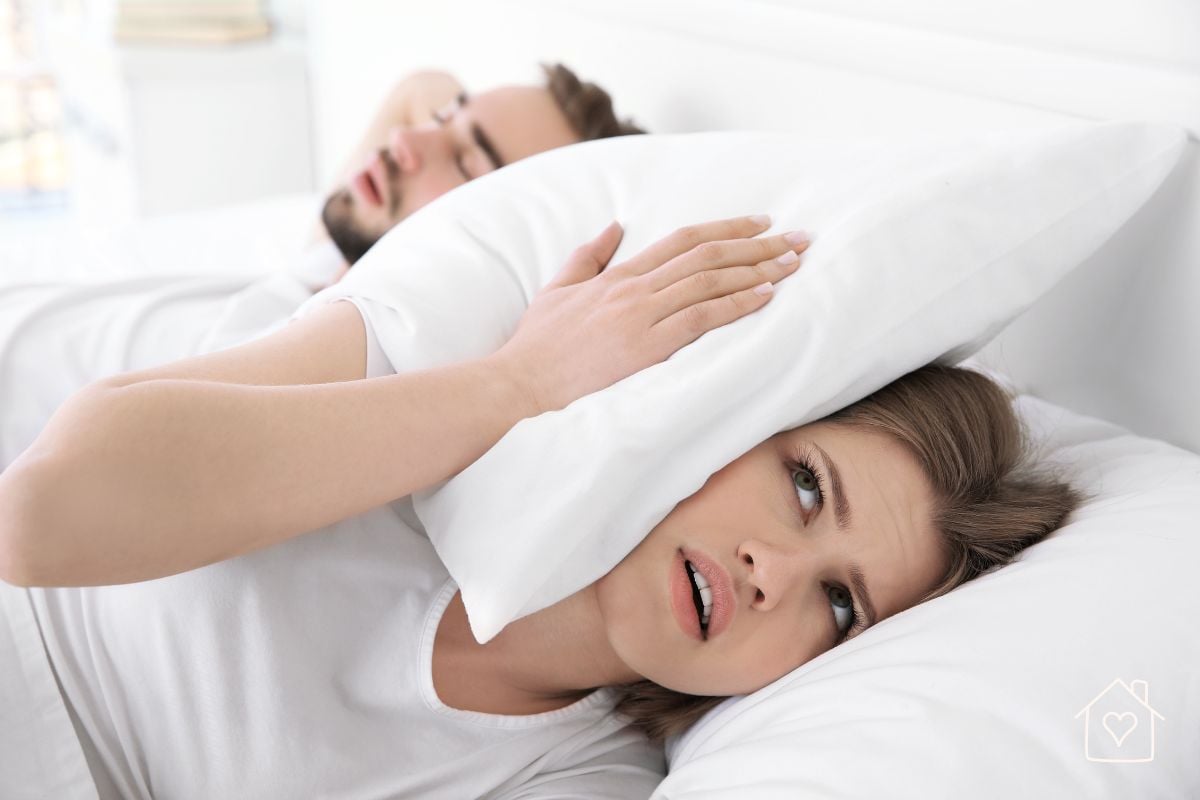
Snoring can turn a normal night into a running battle between sleep, noise, and a growing sense of irritation. If you're waking up tired, or your partner is threatening exile to the couch, your mattress may be part of the problem. A mattress can make it easier to stay in a better sleep position and make nights far less chaotic but won't silence every snore.

From time to time, articles on The How-To Home may reference third-party websites, businesses, products, services, or review platforms as part of editorial research. When evaluating companies or services, we may consider publicly available information such as customer reviews, business websites, service offerings, licensing information when available, and overall relevance to the topic.
Why Your Mattress Can Affect Snoring
Snoring happens when airflow gets partially blocked while you sleep. That blockage often gets worse when your head, neck, and chest aren't positioned well. A mattress that lets your body sink too deeply can pull your spine out of alignment.
Your sleep position matters too. Back sleeping tends to make snoring more likely because your tongue can fall back toward your throat, and Cleveland Clinic says back sleepers are more likely to snore than side sleepers. If your mattress makes it hard to stay on your side, you may end up snoring more often without realizing it.
Comfort plays a role as well. If you toss and turn all night, your sleep quality drops, and poor sleep can make breathing issues feel even worse. Your mattress is a big part of your whole sleep setup.
Adjustable Features Can Make a Noticeable Difference
One of the most useful upgrades for snorers is elevation. Raising the head slightly may improve airflow and lessen snoring for some people, and Mayo Clinic suggests raising the head of the bed by about 4 inches. Not everyone needs a fully adjustable bed, but for some sleepers it's worth a look.
That's one reason many people look at options like Airpedic when they want a mattress designed to support better sleep posture. Adjustable compatibility, customizable firmness, and targeted support can matter a lot if snoring is part of the problem. I haven't tried Airpedic myself, so I can't tell you how it feels to sleep on, but their selection of mattresses looks absolutely luxurious, and I'll be keeping them in mind for our next mattress…

Now, you don't have to turn your bedroom into a sleep lab, but practical features count. If you already know elevation helps with breathing, reflux, or congestion, a mattress that works well with an adjustable base deserves a serious look.
Look for Support That Keeps Your Spine Neutral
When you're choosing a mattress for snoring, support should be near the top of your list. You want your spine to stay in a neutral position, with your head, neck, and torso lined up. Good alignment also helps you stay comfortable all night.
I learned this one the hard way. We tried a plywood board under our lumpy mattress for over a year, and our backs still hurt. In our case, a board couldn't fix a mattress that had stopped supporting us.
Medium to medium-firm mattresses often work well for many people because they balance contouring with structure. If a mattress is too soft, your shoulders and hips may sink too far. If it's too firm, it can create pressure points that push you back into less helpful positions.
Body type matters here too. Heavier sleepers often need stronger support to avoid sagging, while lighter sleepers may prefer slightly more cushioning. The goal is stable alignment without feeling stiff or stuck.
Pressure Relief Helps You Stay in Better Sleep Positions
A mattress that relieves pressure well can make side sleeping much easier. Since side sleeping is often recommended for people who snore, that's a major advantage. If your shoulder or hip starts aching, you're more likely to roll onto your back in the middle of the night.
Materials like memory foam, latex, and well-designed hybrid comfort layers can cushion those pressure points without swallowing you whole. The best options support the curves of your body while still keeping you level.
Trying to tough it out on an old mattress usually fails. If your bed feels like it's punishing your joints, your body will keep searching for relief. Better pressure relief often means fewer position changes and more consistent rest.
Material Choice Changes Feel, Temperature, and Stability
Mattress materials affect more than comfort. They influence airflow, responsiveness, motion transfer, and how easily you can move into better sleeping positions.
Memory foam can be excellent for pressure relief and motion isolation, which helps if your partner is a restless sleeper. The downside is that some foam beds trap heat, and overheating can disrupt sleep. Latex tends to feel more responsive and breathable, making it easier to shift positions without fighting the mattress.
Hybrids combine foam or latex with coils, often giving you stronger edge support and better airflow. That can be useful if you want both contouring and bounce. No single material wins for everyone, so ask whether the mattress helps you stay aligned, cool, and comfortable all night.
Your Sleep Position Should Guide Your Decision
A mattress that suits your usual sleep position can support better breathing habits. Side sleepers generally need enough cushioning for the shoulders and hips, along with support through the waist. Back sleepers need balanced support that keeps the midsection from sinking too far.
If you snore heavily on your back, choosing a mattress that makes side sleeping easier can be a smart move. Some beds naturally encourage that shift because they cushion pressure points more effectively.
Stomach sleeping is trickier because it can be hard on the neck and lower back. If you sleep this way, firmer support usually works better. Think about how you really sleep, not how you wish you slept.
Don't Ignore Motion Transfer and Partner Impact
Snoring rarely affects just one person. If you share a bed, your mattress choice should account for both sleepers. Motion isolation can make a real difference when one person shifts positions, gets up, or nudges the other to stop snoring.
My husband and I share a queen, and after that first night on our new mattress, we both slept so much better. Foam mattresses usually absorb movement well, while hybrids vary depending on coil design and comfort layers. A bed with poor motion control can turn one person's snoring into a full night of interrupted sleep for both of you.
Edge support matters too, especially if one partner ends up clinging to the edge for a little peace and quiet. A stable perimeter makes the mattress feel larger and more usable. Small features like this don't seem dramatic in the showroom, but they matter at 2 a.m.
Test the Mattress With Real-Life Sleep Problems in Mind
Before you buy, think beyond general comfort. Ask how the mattress handles the specific issues tied to snoring: support, side sleeping comfort, elevation, temperature control, and partner disturbance. A mattress can feel nice for five minutes and still fall short where it counts.
Look for trial periods and clear return policies. Your body usually needs a few weeks to adjust, and sleep problems don't always show up on night one. Reviews can help, but focus on patterns rather than a single dramatic complaint.
Price matters too. Ours was $900 after that $100 referral discount, and we had to save for it, so I wanted to feel good about the choice. Our pick came from a friend I trust, and that recommendation was spot on.
If snoring is severe, also consider the bigger health picture. Snoring along with pauses in breathing, gasping, or daytime sleepiness can point to sleep apnea or other medical concerns, and the National Heart, Lung, and Blood Institute lists snoring among the common signs. Snoring on its own doesn't mean you have it, though. A better mattress may help improve sleep quality, but it's not a substitute for medical advice. My husband uses a BiPAP, so I know a mattress is only one piece of the puzzle, and smart mattress shopping works best when you pair it with honest attention to your overall sleep health.
Do you snore, or does your partner? Or is it your back that wakes you up first? I would love to hear what finally helped you sleep better...