How To Clean And Maintain Your Stainless Steel Cookware
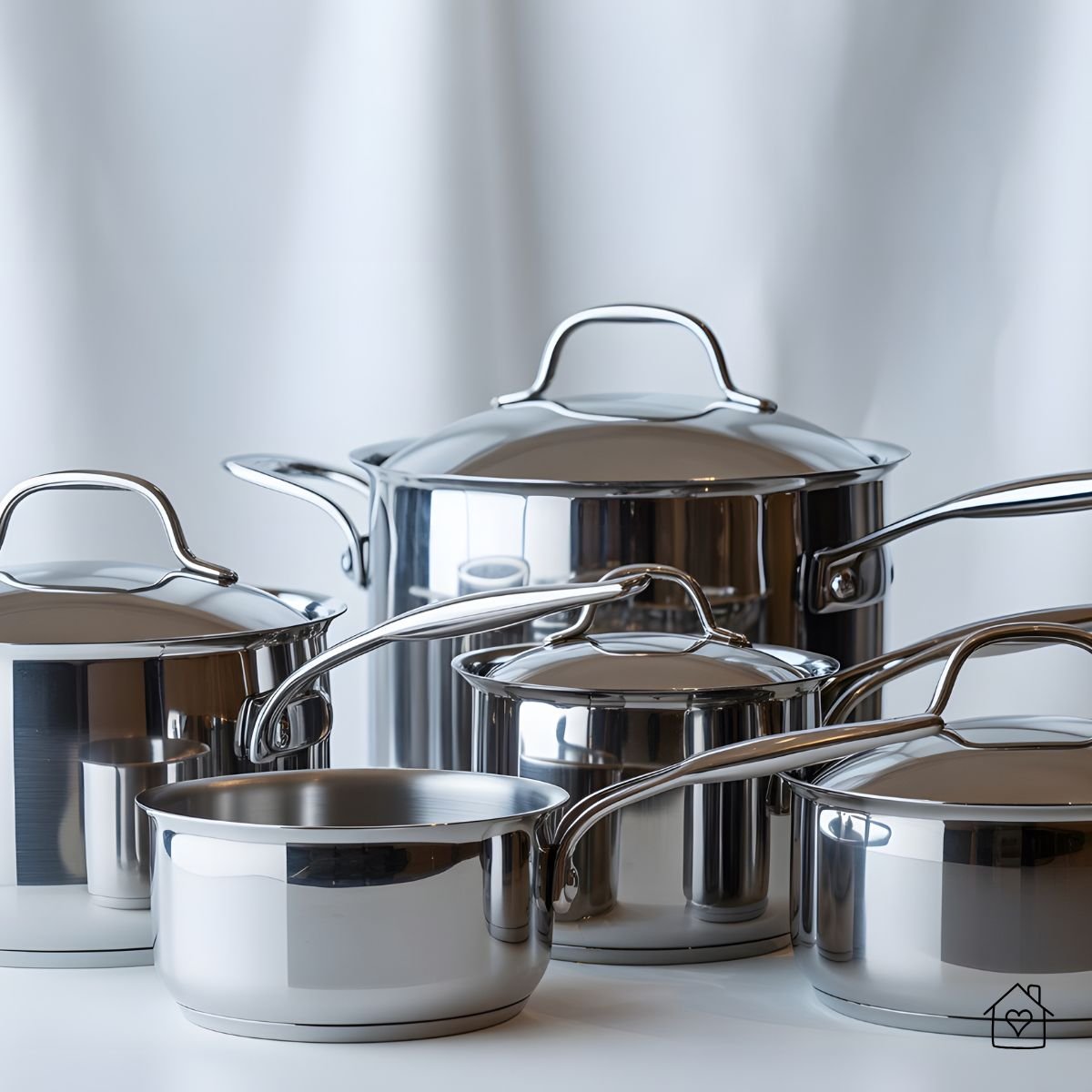
Stainless steel cookware is a kitchen favorite for good reason. It looks elegant, lasts for years, and cooks food evenly. But keeping it spotless takes more than a quick rinse. If you care for your pans properly, they'll reward you with shine and reliable performance every time you cook.
*This post may contain affiliate links and I'll earn a commission if you shop through them. You can read my full disclosure here.
Understanding Stainless Steel
Stainless steel is a mix of metals, usually iron, chromium, and nickel. This combination makes it tough, rust-resistant, and perfect for daily
Not all stainless steel is created the same. Some low-grade versions may warp or discolor faster. That's why investing in top rated Cookware sets helps you start with durable, high-performing pieces that resist rust and maintain even heat. Quality materials make
Good stainless steel pans, such as fry pans or a stainless-steel skillet, have a non-reactive stainless steel interior, which means they won't alter the taste of your food. That makes them perfect for high-acid foods like tomato sauce or lemony braises.
Many premium models also feature an aluminum core or tri-ply stainless steel layers for even heat distribution, better heat conductivity, and fewer hot spots while
Daily Cleaning Routine
Keeping stainless steel cookware clean doesn't have to be complicated. You just need the right habits after each use to preserve the shine and prevent residue buildup.
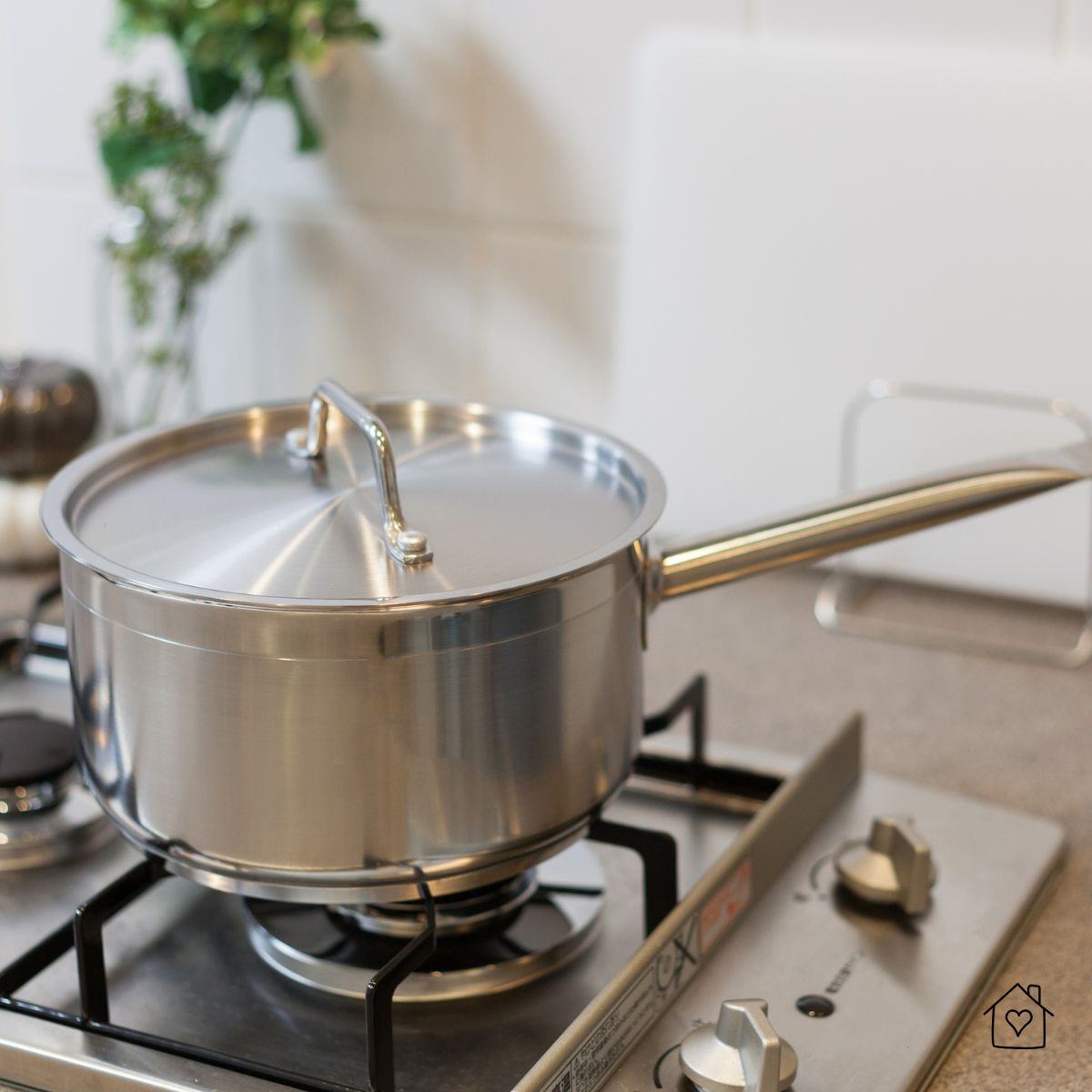
Here's a quick routine you can follow:
- Let the cookware cool slightly before washing.
- Fill it with warm water and mild dish soap.
- Use a soft sponge or cloth to clean the surface.
- Soak the pan briefly if food is stuck.
- Dry immediately with a soft towel to avoid water spots.
Even if your cookware is labeled dishwasher safe, harsh dishwasher detergent can dull the finish over time. Handwashing keeps it looking new and prevents scratches. Once you get into the rhythm, maintaining that polished finish becomes second nature.
Removing Stubborn Stains and Burnt Food
Even careful cooks end up with burnt spots or cloudy marks sometimes. Burnt spots happen to every home cook. Adding this step to your regular cleaning routine makes it easier to stay on top of maintenance before stains build up. Start by filling the pan with water and adding two tablespoons of
For tougher stains, make a paste of
White vinegar also works wonders. Mix equal parts vinegar and water, pour it into the pan, and bring it to a simmer. You'll notice the discoloration fade quickly. Just remember to rinse thoroughly afterward to avoid any lingering smell.
Avoid using bleach or strong chemicals. These can weaken the stainless steel and dull its finish. Patience and the right technique always work better than aggressive scrubbing.
Polishing and Restoring Shine
Over time, your cookware might lose its mirror-like gleam. To bring it back, polish it once in a while. You can use a stainless steel cleaner or a homemade mix of vinegar and baking soda. Rub the cleaner in the direction of the grain with a soft cloth.
Once you've removed spots and fingerprints, rinse and dry the pan completely. Then, buff it with a clean microfiber cloth to make it sparkle again. This simple habit keeps your cookware looking brand new even after years of heavy use.
If you prefer a natural solution, olive oil can help restore shine too. Just apply a small amount to a soft cloth and wipe the surface gently. It adds a thin protective layer that repels water and fingerprints. When polishing, don't forget the stainless steel rivets along the handles, as they often collect buildup.
Preventing Discoloration and Heat Marks
You've probably seen rainbow-like streaks on your stainless steel after high-heat
Cooking on medium heat is usually enough for stainless steel. High heat can discolor the metal and cause food to stick. If you notice heat marks, add a bit of vinegar to the pan and rub gently with a soft cloth until the color fades.
Most modern cookware also works beautifully on an induction range or induction hobs, thanks to its magnetic stainless steel base. Keeping the heat moderate and
Long-Term Maintenance Tips
Consistent care keeps stainless steel strong and beautiful. Always let your cookware cool before washing to avoid thermal shock, which can cause warping. When stacking pots and pans, place a soft cloth or paper towel between them to prevent scratches.
Avoid using salt on dry cookware, especially before liquids are added. Salt grains can pit the surface when they come in contact with hot metal. The same care applies to other essentials like Dutch ovens, stock pot, or a sauté pan. If you want your stainless steel to have a semi-nonstick feel, rub a thin layer of oil onto the surface before heating it.
Cookware with ergonomic handles offers comfort and better control during use. If your set includes glass covers, handle them carefully to avoid scratches, and store lids with a cabinet door-mounted lid holder to save space. With a little care, your cookware will last for generations.
Common Mistakes to Avoid
Even experienced cooks make small errors that quietly ruin stainless steel cookware. These aren't the usual warnings about high heat or harsh detergents. They're the often-overlooked habits that slowly wear down your pans over time.
Here are a few not-so-obvious mistakes to watch out for:
- Using too much oil or butter, which leaves a sticky film that builds up over time.
- Overcrowding the pan, which traps steam and prevents proper browning.
- Storing cookware with lids tightly sealed, which traps moisture and leads to spots or odor.
- Ignoring the base or underside of the pan when
cleaning . - Forgetting to polish occasionally, allowing dullness and residue to accumulate.
These small habits might seem harmless, but they make a noticeable difference in how your cookware looks and performs. Being mindful of them helps your stainless steel last longer, stay shinier, and cook more evenly.
Conclusion
Clean stainless steel cookware doesn't just make your kitchen look better. It makes