Fix Scratches in Hardwood Floors: Repair Methods & Prevention Tips

*This post may contain affiliate links and I'll earn a commission if you shop through them. You can read my full disclosure here.
Have you been noticing scratches on hardwood floors? It's natural for wood flooring to show signs of wear over time. Daily traffic together with such damage factors as moisture exposure, temperature and humidity fluctuations, furniture relocation, etc., can affect the look and feel of your wood flooring. However, it's not the end of the story-hardwood experts can restore the original beauty of your flooring by repairing it and coating it with a fresh layer of stain and finish.
Check out a comprehensive guide to repairing hardwood floors in Boston by Floors Are Us in the article below.
Understanding Types of Scratches
Hardwood floor scratches can be categorized by depth and impact on the material structure. Some of the most common types of damage are surface scratches, stain scratches, and deep scratches (gouges). The extent of wood floor damage determines the repair and refinishing approach, which means recognizing the damage category is a critical phase of the work.
Check out the types of scratches in more detail:
- Coat Layer Scratches
This is the most widespread type of scratches, which only affects the top layer of the coating. Usually, coat scratches are caused by light abrasions and small dust particles. These can be fixed easily with buffing.
- Stain Scratches
Stain scratches are a bit deeper than top-layer scratches, as they penetrate through the clear coat, reaching the paint layer. These typically result from abrupt contact, like when keys are accidentally dropped. To fix a stain scratch, use professional repair and staining services.
- Deep Scratches
Deep scratches, also referred to as gouges, are severe types of damage affecting the wood structure. Ignoring this type of scratch can lead to rust and the destruction of wood planks. To fix deep scratches, sand down the flooring, fill the damaged parts, and recoat the surface.
- Micro-Scratches
Though it may be hard to notice a micro-scratch, flooring professionals recommend repairing it before it turns into a problem. This type of scratch is usually caused by improper
- Abrasion Scratches
Abrasion scratches are usually broad and rough. They are caused by severe rubbing against such materials as sand, stones, or other debris. Depending on the extent of abrasion scratches, flooring experts will offer the most suitable approach to fixing them.
Step-by-Step Repair Methods
Wondering what is the best way to fix scratches in hardwood floors? Check out a detailed scratch repair process below:

1. Preparations
First, clear the repair area of furniture and other objects that may obstruct the repair process. Wash the flooring and dry it with a microfiber cloth. Then, flooring experts will define the depth and width of the scratches to select the most appropriate approach to repair.
2. Sand the Area
Flooring professionals will sand down the existing surface to carefully remove the old coating and fix the scratches.

3. Apply Stain
Matching the repaired area with the rest of the flooring is one of the key objectives at this point. Flooring repairers will apply a stain that corresponds to the rest of the surface to blend the repaired zone seamlessly.
4. Finishing Touches
A protective layer of finish is crucial to ensure the long-lasting shine of your flooring. Quality finish will not only preserve the shiny look of your flooring but also protect the wood from further damage.
5. Post-Repair Advisory
At this point, flooring experts will guide you through all the nuances of caring for your hardwood flooring. Utilize these tips to prolong the lifespan of your wood floors.
When to Call a Professional
Are you considering getting scratches out of hardwood floors but still can't decide whether to go for a DIY approach or hire flooring professionals? Though the DIY approach may seem more cost-effective, it may prove to be more pricey in the long run.
If your experience with hardwood is limited, it's better to find a trusted flooring contractor in your area and delegate scratch repair to professionals. This way, you'll save your time and costs and receive the expected results. Flooring professionals will take on responsibility for your project so you can rest assured your flooring is in good hands.
Prevention Tips
There are multiple tips that can help you prevent scratches on hardwood. Among these are furniture pads, carpets, regular
Furniture Pads
Use furniture pads to prevent scratches on your wood floor. Usually, these are self-adhesive pieces you need to apply to the bottoms of furniture to soften the contact with the flooring. These are especially useful while moving or sliding furniture.
Carpets
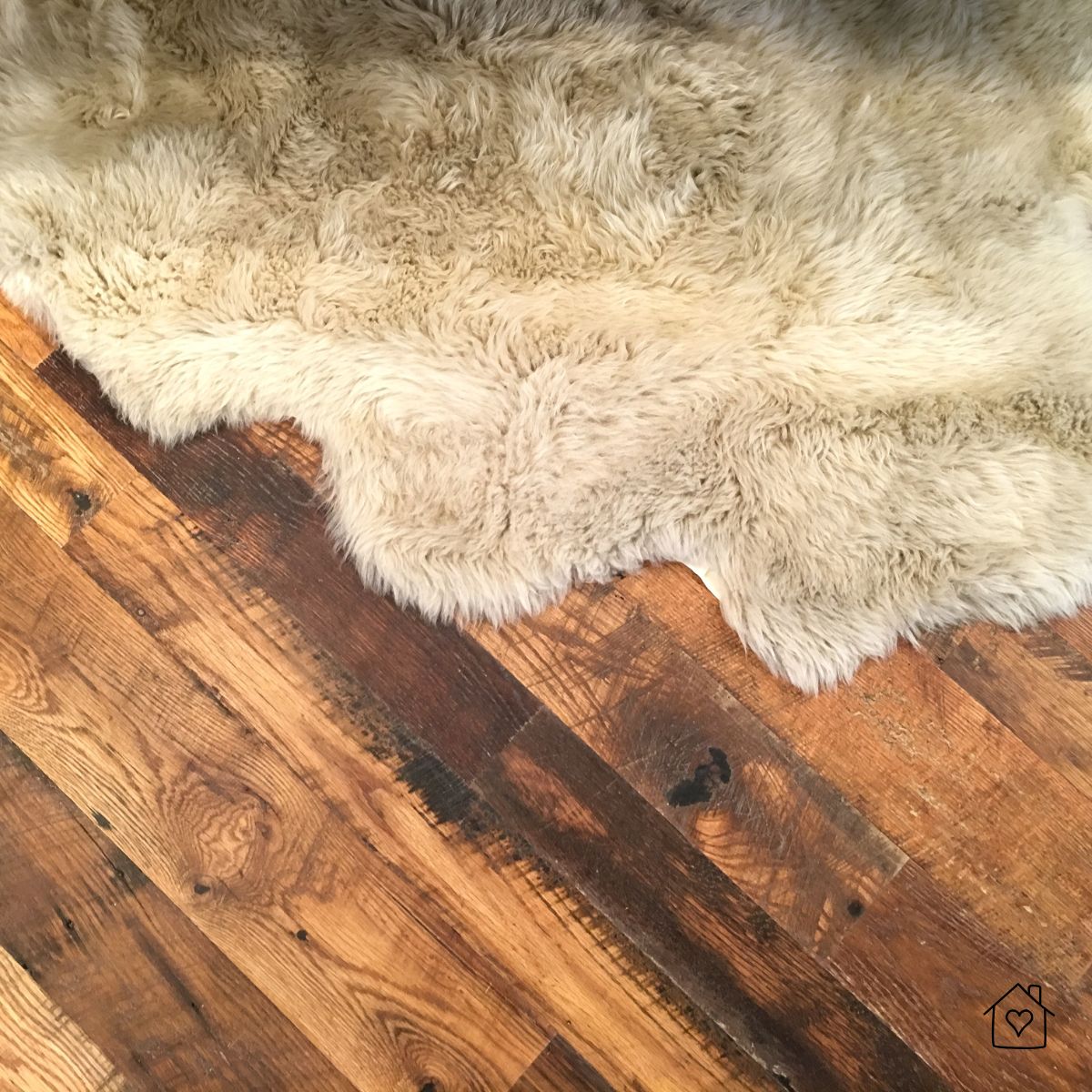
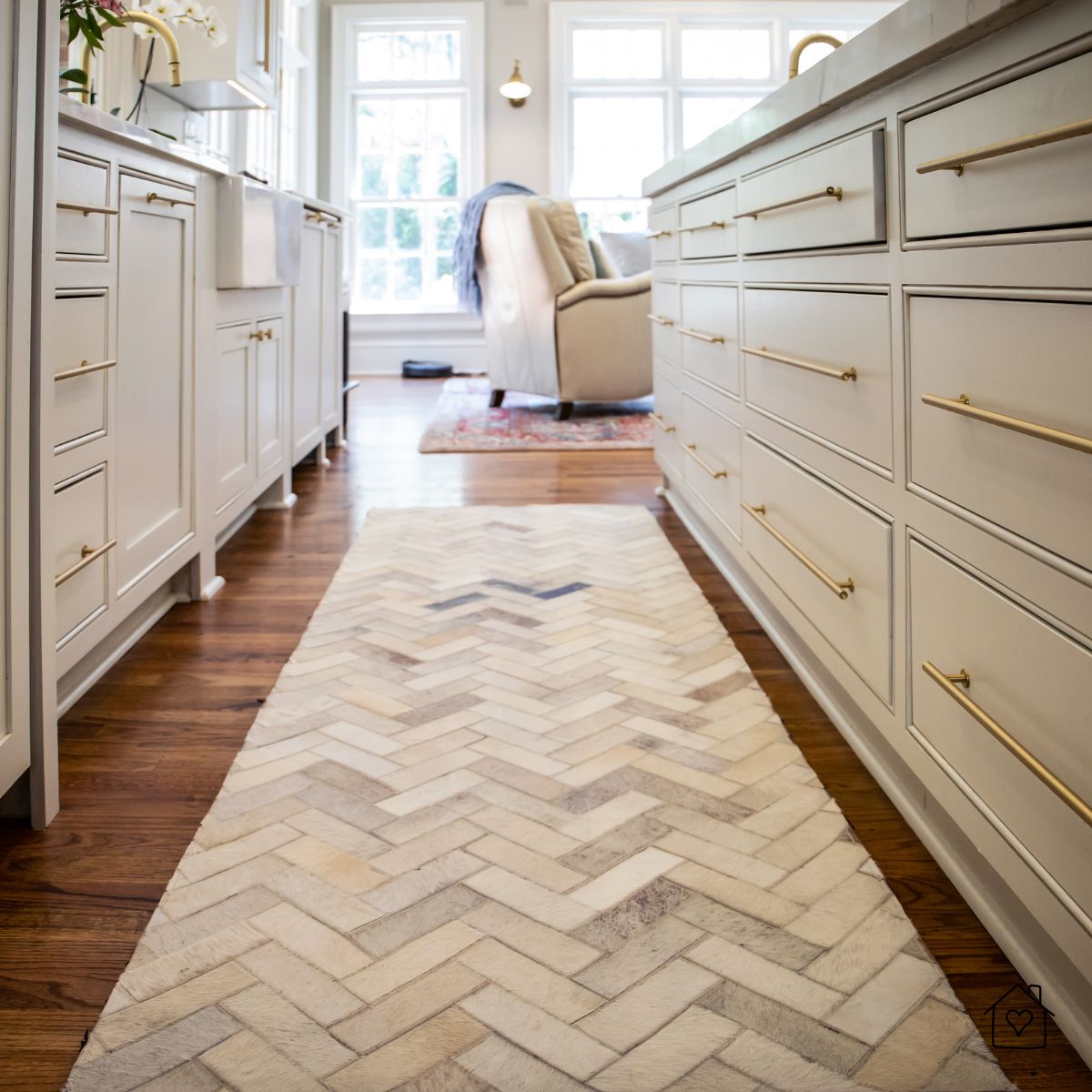
Protect high-traffic areas from scratches by covering them with rugs or mats. It may also prove useful to put a carpet near the entrance to reduce the likelihood of scratches.
Regular Cleaning
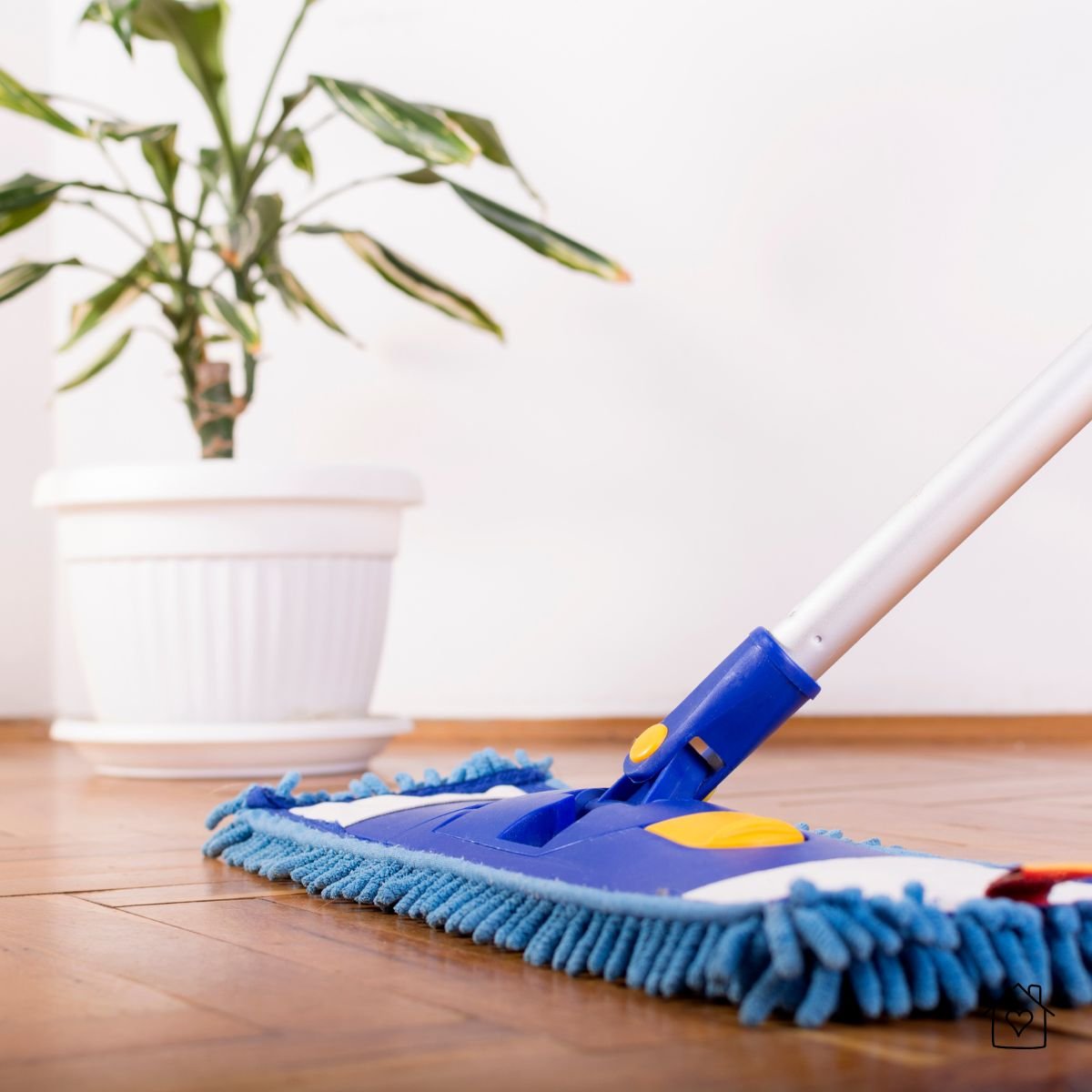
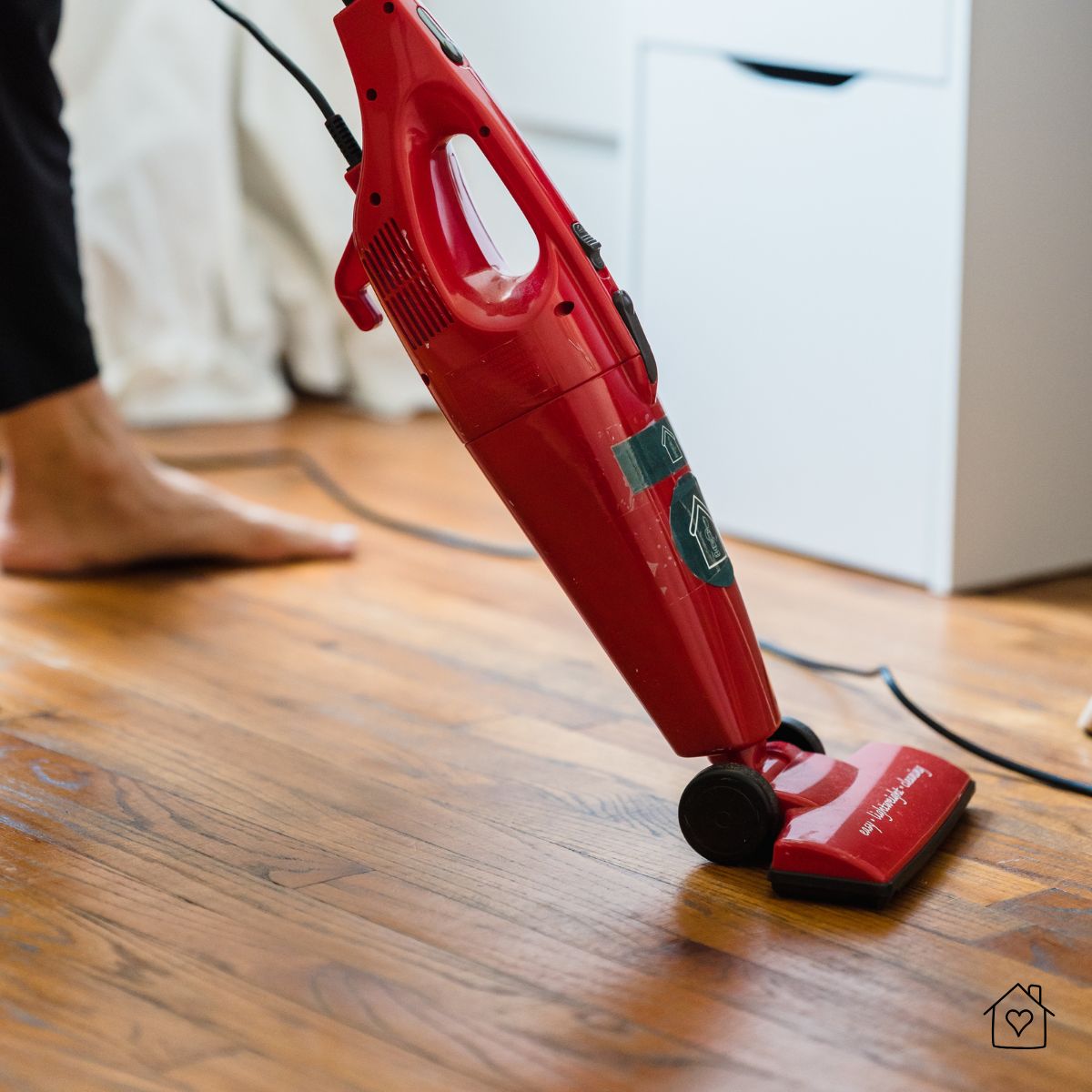
Even the smallest dust particles can potentially cause scratches. Make sure to sweep and vacuum your wood floors regularly to protect your flooring from scratches.
Careful Furniture Relocation
Instead of dragging furniture, lift it to avoid scratching or scuffing your flooring.
No Shoes Policy
To cut your floor's exposure to dust and dirt, consider introducing a "no shoes" policy indoors.
Entrance Mats
Place carpets or mats on both sides of the entrance to your home. This will help reduce the amount of dirt entering your home.
Floor Finish
Delegate the choice of finish to flooring professionals who will help you select the best option for your surface.