How to Make a Distraction-Free Study Nook at Home: DIY Tips + Writing Tools You'll Adore
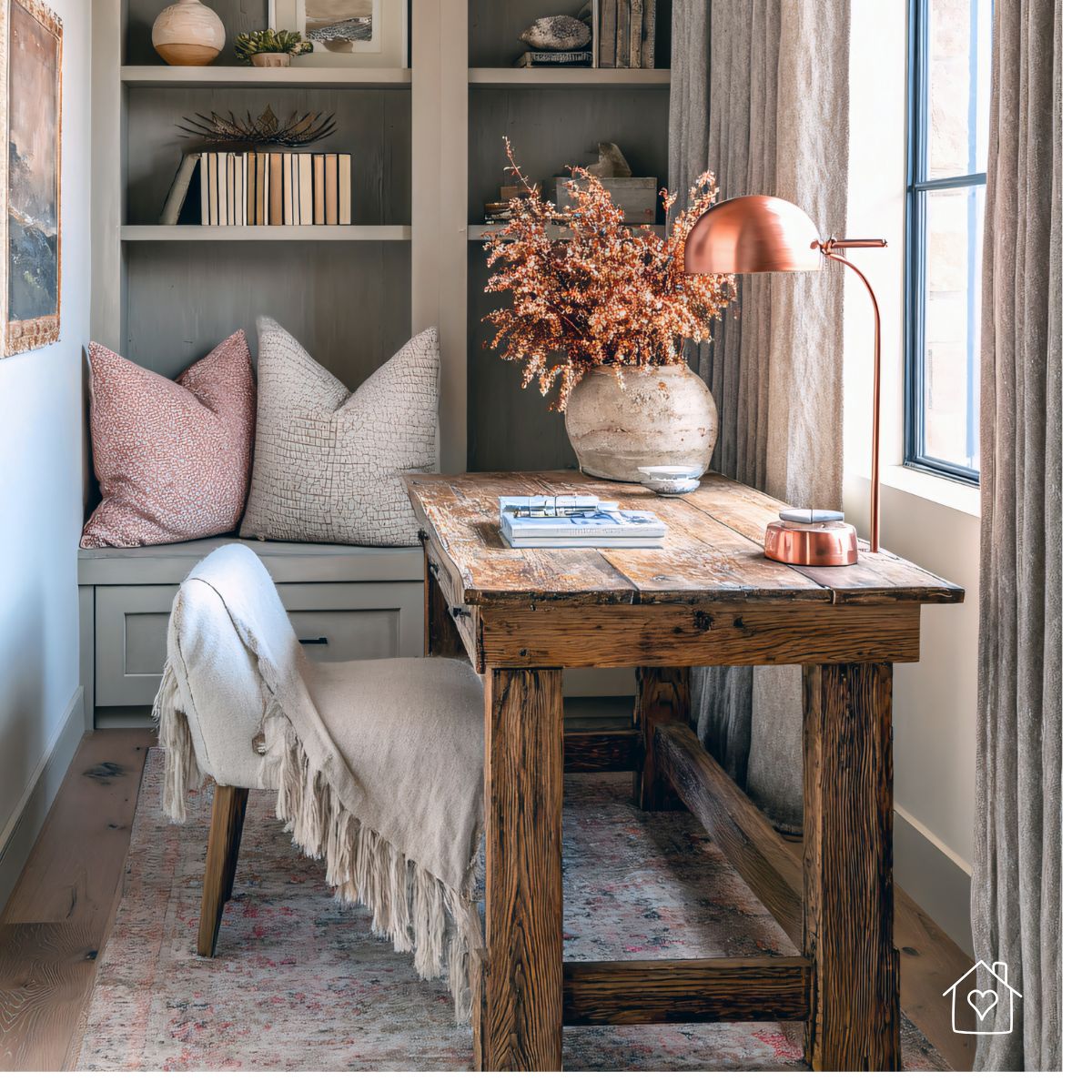
With how hectic the world is today, a quiet space at home where you can focus on writing, studying, or your own endeavors is more valuable than ever. Whether you're a student completing homework, an employee completing remote work, or simply someone who enjoys reading and journaling, a distraction-free study space can improve productivity and sanity. The good news? You don't need to have a large renovation budget or additional space to achieve it.
In this article, we will guide you through creating your own DIY study nook to achieve focus, creativity, and productivity. Throughout the process, we will also introduce you to useful writing tools, science-proven methods, and other tools that will streamline your workflow and make it fun.
*This post may contain affiliate links and I'll earn a commission if you shop through them. You can read my full disclosure here.
Why Your Environment Matters for Focus and Productivity
Tests consistently show that the physical space surrounding you has a direct impact on how well you focus. A disorganized room, noisy space, or poorly lit area is more difficult to focus in, but a well-organized, tranquil, and well-lit spot allows for productivity. Clean spaces also have fewer stressors and more concentration, which makes them particularly essential for activities requiring full-on focus, like writing, says the Harvard Business Review.
For students especially, a dedicated nook in the home creates a psychological boundary between play and work, and even for those living in small apartments or dorms, one is able to define one's own "study space" to create more discipline and avoid stimulation from the TV or cellphone browsing. Productivity coaches prefer to note that if your brain can associate a certain area with concentration, it's easier to get into a state of "flow."
Another factor to take into account is the effect of the environment on mood. Natural light, calming colors, and even plants have been shown to increase energy and reduce fatigue. Creating a study nook isn't about furniture rearranging-it's about creating an emotional environment that allows concentration.
Step 1: Identify the Best Place

First things first: determine where your study nook will be located. You don't require a whole room-a corner area will do just fine. Choose:
Low traffic zones: Avoid areas near the living room or kitchen since they receive maximum traffic and noise.
Plenty of sunlight: A location near a window can make it brighter and assist in monitoring your sleeping routine.
Privacy potential: If there are other people whom you share living space with, find a place that provides you at least some privacy, like behind a screen or in a quieter corner.
If natural light is not an option, invest in a task lamp that emits a daylight effect, proven to reduce eye strain and fatigue (Mayo Clinic). There are lamps that even provide adjustable brightness and color temperature, so you can customize the lighting for your mood and the time of day.
Which leads us to Step 2: Prioritize Ergonomics
Comfort is important if you'll be sitting for long stretches of time. A good desk and a comfortable chair are something you'll want to invest in. When cash is tight, though, you can still get by with things at home:
Turn a small dining table into a desk.
Place a firm pillow or lumbar support pillow on a chair to get a better fit.
Place your laptop on a few books stacked together so you're not leaning forward.
A simple ergonomic setup lessens back pain, improves posture, and enables you to focus for longer durations without weariness. For the additional step, research an adjustable standing workstation or ergonomic peripherals like a keyboard tray. Over time, these investments prevent fatigue and make writing sessions more manageable.
Step 3: Control Clutter
Clutter is the enemy of concentration. As a matter of fact, studies indicate that cluttered areas can cause stress and blur your capacity to process information efficiently. To reduce distractions:
Utilize wall-mounted shelves or floating desks in areas with limited floor space.
Store only the necessities on your desk (laptop, notebook, pen).
Store storage boxes or cable organizers for wires, stationery, and supplies.
Label the drawers and bins so everything has a home.
Your goal is to make your study space functional without feeling cramped. An organized desk also helps because you don't waste mental energy trying to remember where things go or get slowed down by visual clutter.
Step 4: Bring in Personality Without Overdoing It
A study nook needs to be motivating, not dull. Add some personality:
A plant for a natural pick-me-up and improved air quality.
A couple of pieces of art or motivational sayings that encourage concentration.
Gentle furnishings like a throw blanket, small rug, or pillow to make the space feel warm and inviting.
A mood board to track goals or motivation.
Avoid overdecorating the space with too many trinkets-trouble is always easy to get into. Finding the perfect balance guarantees your nook is engaging without being distracting.
Step 5: Tools and Resources to Streamline Your Writing Flow
Even the most beautiful study nook will be unproductive with the right tools. A few basics are:
Writing software: Google Docs, Scrivener, or Microsoft OneNote help write drafts, take notes, and collaborate with others.
Noise control: White-noise software or noise-canceling headphones drown out distractions. Instrumental music or ambient noises (like rain) help some focus.
Time management aids: Pomodoro Technique (25 minutes of focus + short break) is a common method for ensuring productivity. Focus Booster or TomatoTimer software makes it easy.
Memory and review tools: Notes are only useful if you actually retain what's in them. A flashcard maker can turn your notes into quick review sessions instead of rereading the same pages every time.
And of course, sometimes you just need that extra hand. The majority of students struggle with structuring their essays or coping with heavy research loads. For those moments, it is alright to pay for help. If you've ever thought, "I need someone to write my research paper," there are honest services available that can help you with professional help, helping you make your points clearer, arranging your framework more efficiently, and helping you save time.
Step 6: Reduce Digital Distractions
Your space is just half the battle. Digital disorganization can be equally distracting. Some suggestions:
Disable social media alerts while studying.
Employ site blockers to protect yourself from browsing distractions.
Place your phone beyond arm's length for deep-focus sessions.
Experiment with using a special "focus mode" on your phone or computer to block certain apps.
These techniques allow you to use technology as a tool and not let it control your attention.
Step 7: Fall into the Habit
A study nook performs best with good habits. Try to:
Reserve the nook for only study or writing, and not gaming or web-surfing.
Create a study routine to get into a rhythm.
Keep your nook tidy at the end of each session, so you're ready to dive in the next day.
Pair the routine with a "starting ritual," like making a cup of tea or writing a quick to-do list.
Routines build momentum and make studying less about willpower and more about habit.
Example Layouts for Different Spaces
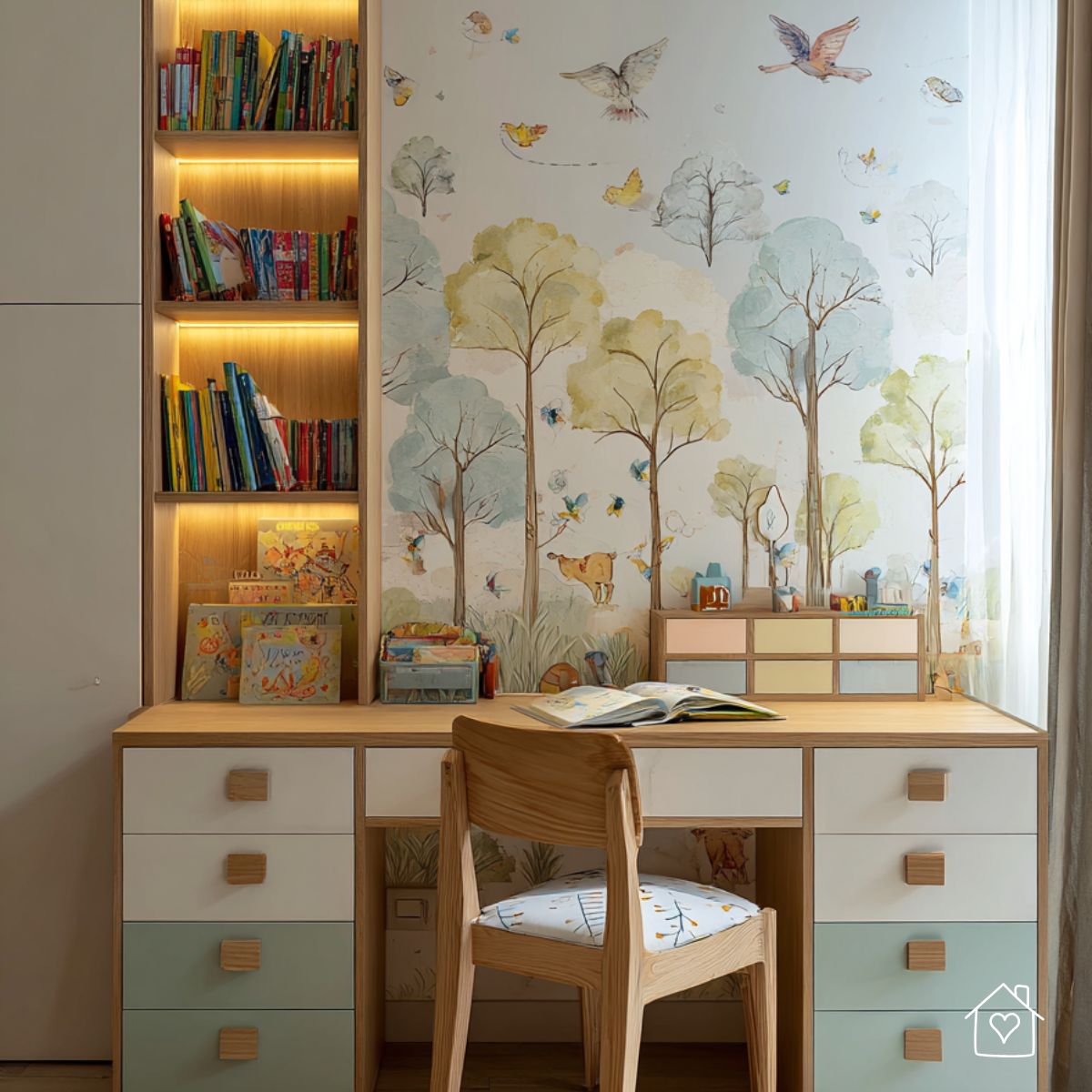
Dorm room: Use a fold-down desk which is also a storage closet. Put up hooks or an over-the-door closet for more space.
Small apartment: Convert an alcove into a small office area, or use a corner desk that takes optimal advantage of wall space.
Family home: Create a serene bedroom or basement retreat. For children's families, attempt to design side-by-side workspaces so everyone can maintain focus at the same time.
Unconventional spaces: Even under the stairs, on a balcony, or in an attic nook-these spaces can be turned into cozy, functional study areas with some creativity.
More Long-Term Success Strategies
It takes more than just creating a study nook. To get it to keep paying off over the long haul:
Check and revise every so often: Every few months, take stock of what's working and what isn't.
Make it a healthy habit: Drink water, short breaks, and stretch to prevent burnout.
Alternate focus and relaxation: Be sure to take a break from your nook periodically for a little fresh air or exercise.
These changes make your nook expand with your requirements rather than stagnating.
Conclusion: Your Perfect Study Nook
Designing a distraction-free study environment doesn't require an interior design degree or an endless budget. With careful choice of location, ergonomics, organization, and personalization, you can create a space in your own home that fuels concentration and creativity.
Merging your homemade room with smart writing resources and tools ensures that you are going to get the best out of it-whether it's handling routine tasks, lengthy research papers, or simply journaling for self-improvement. And remember that when writing gets in the way, support tools like professional services are available to ensure you cross the finishing line.
By combining astute writing techniques with intelligent design, your house can be more than an area of leisure, but rather a space of productivity and academic success. The more you can tailor your nook to your own personality and writing style, the more it will encourage you to excel in school and in your career.