Landscaping Checklist What To Accomplish During the Fall
Fall brings cooler temperatures, shorter days, and the perfect opportunity to prepare your landscape for winter while setting the stage for a beautiful spring. Many homeowners mistakenly believe that landscaping work ends when summer fades, but autumn actually represents one of the most important seasons for yard maintenance and improvement.
Taking care of your landscape during fall pays dividends throughout the coming months. Cool weather creates ideal conditions for many gardening tasks, from planting new additions to performing essential maintenance that would be too stressful for plants during hot summer months. The work you complete now will help your yard survive harsh winter conditions and emerge stronger when the growing season returns.
This comprehensive fall landscaping checklist covers six critical areas to keep your outdoor space healthy and attractive. From basic cleanup tasks to strategic plantings, each element plays a vital role in maintaining your property's curb appeal and plant health.
*This post may contain affiliate links and I'll earn a commission if you shop through them. You can read my full disclosure here.
Clean Up Your Outdoor Space
Dead plants, fallen leaves, and accumulated debris create more than just an unsightly mess-they can harbor diseases and pests that threaten your landscape's health.
Remove Annuals
Start your fall cleanup by removing any annuals that have finished their growing cycle. Pull these plants completely, including their root systems, to prevent potential disease issues.
Rake Fallen Leaves
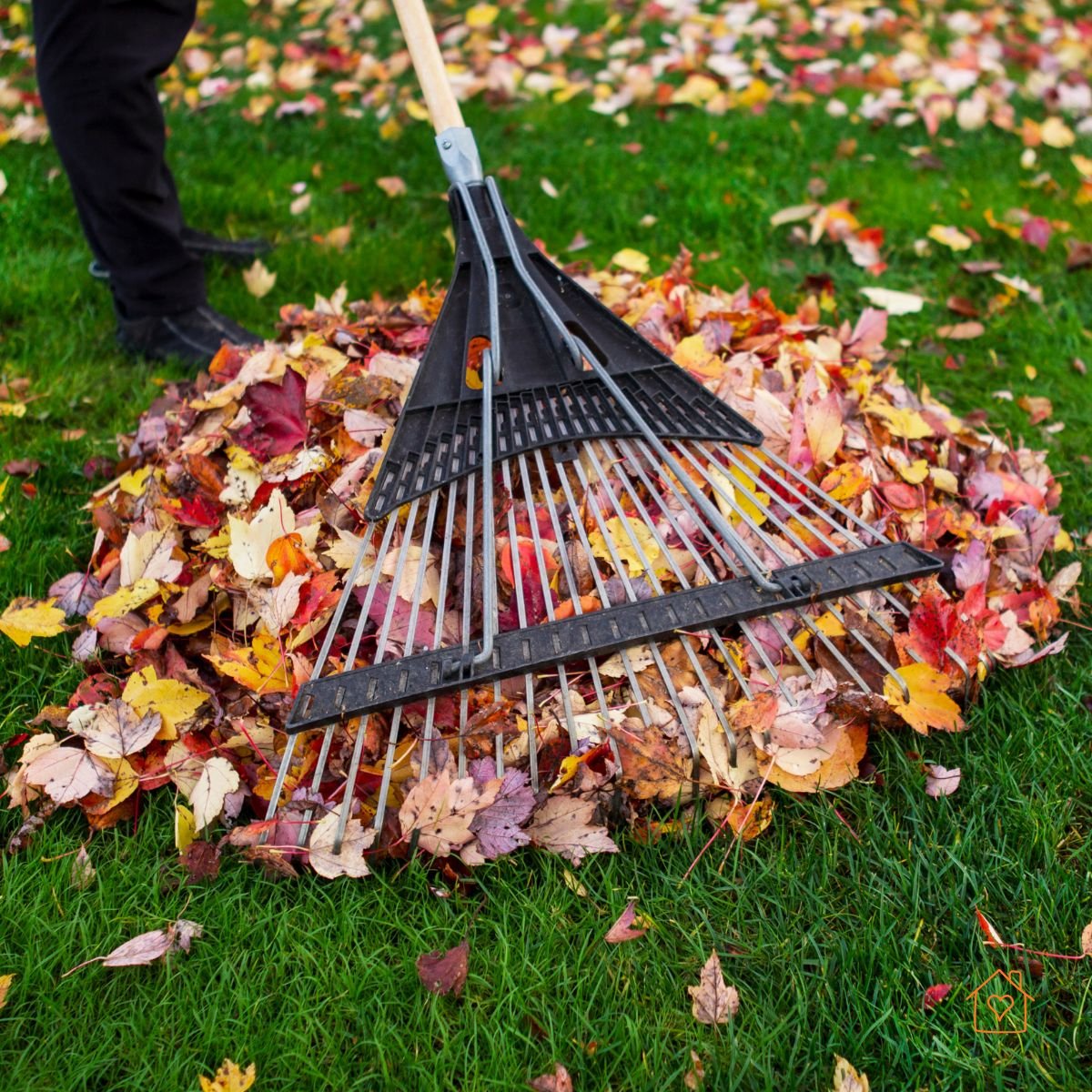
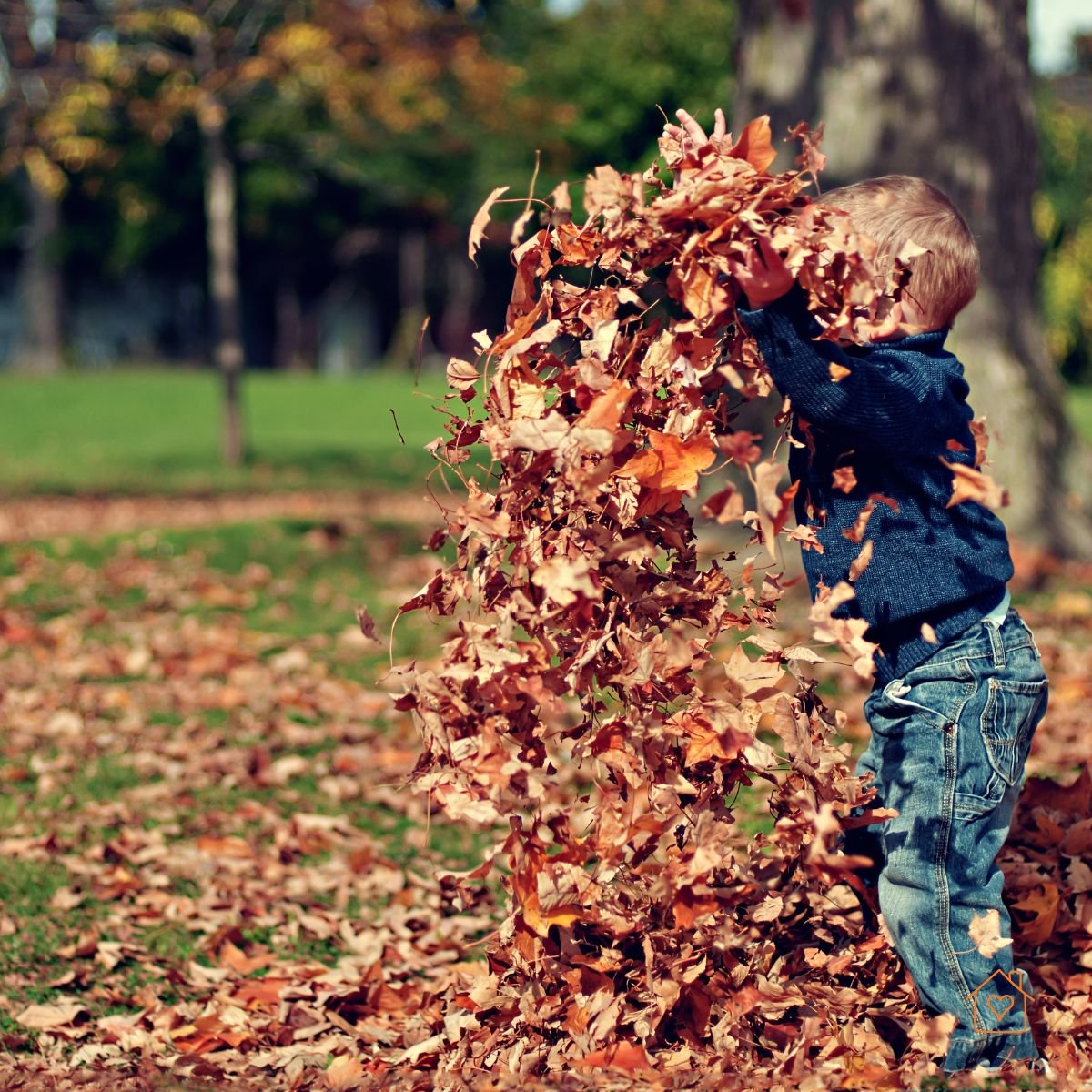
Fallen leaves require special attention during cleanup. While a thin layer of leaves can provide some winter protection for garden beds, thick accumulations block sunlight and trap moisture, creating perfect conditions for fungal problems. Rake leaves from lawn areas and garden beds, but don't discard this valuable organic matter. Shredded leaves make excellent compost material, or you can use the leaves as mulch around trees and shrubs.
Pruning
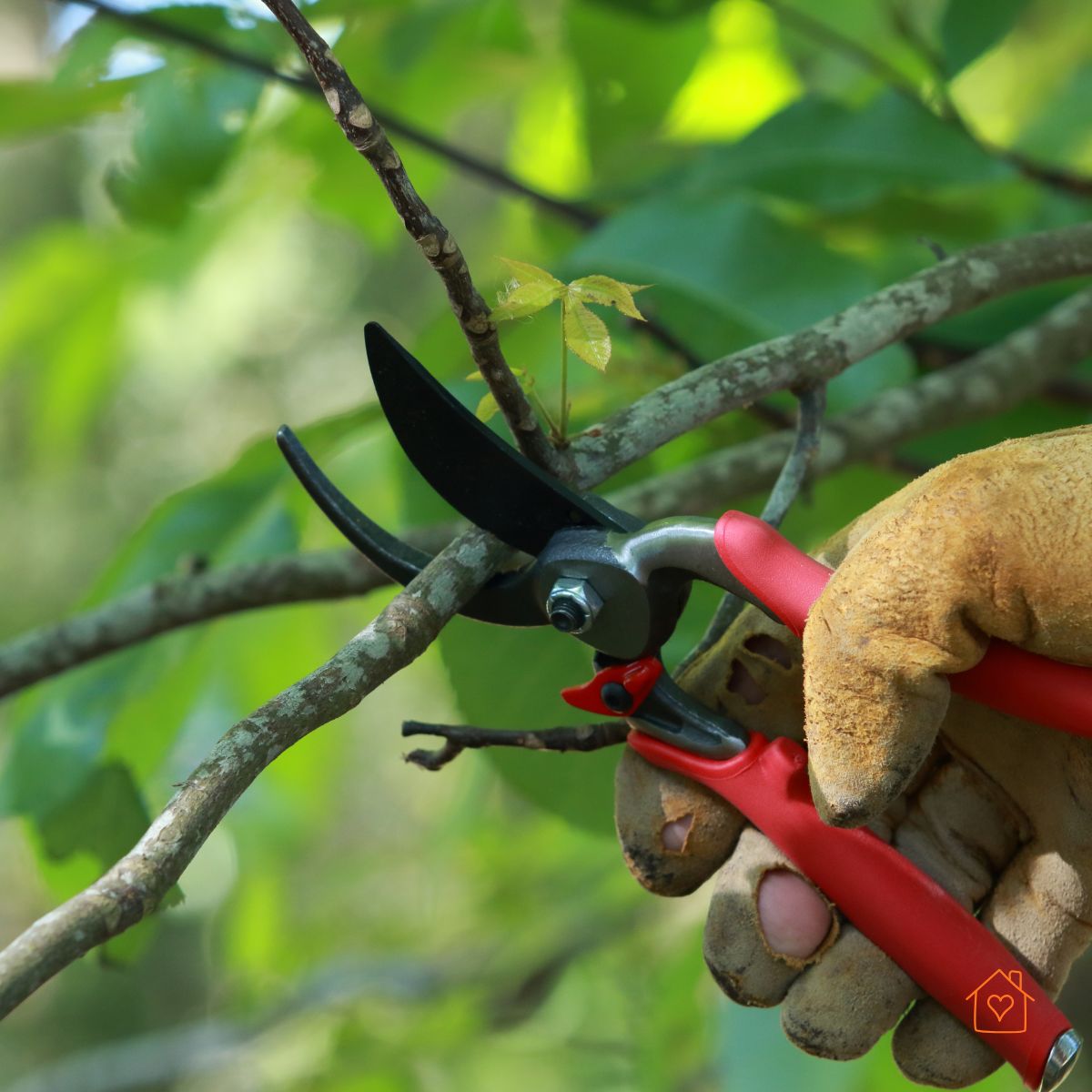
Prune dead or damaged branches from trees and shrubs, making clean cuts just above healthy buds or branch joints. Remove any diseased plant material immediately and dispose of it in your regular trash, not in compost. This removal prevents disease organisms from spreading to healthy plants.
Clear Debris
Clear debris from gutters, walkways, and drainage areas to prevent water backup during fall rains and winter snow melts. Clogged drainage can lead to standing water that damages plant roots and creates breeding grounds for mosquitoes and other pests.
Revitalize Your Lawn
Fall provides the perfect window for major lawn care activities that promote deep root growth and overall grass health. Cool-season grasses particularly benefit from fall attention, as they naturally enter a period of active growth when temperatures drop.
Lawn Aeration
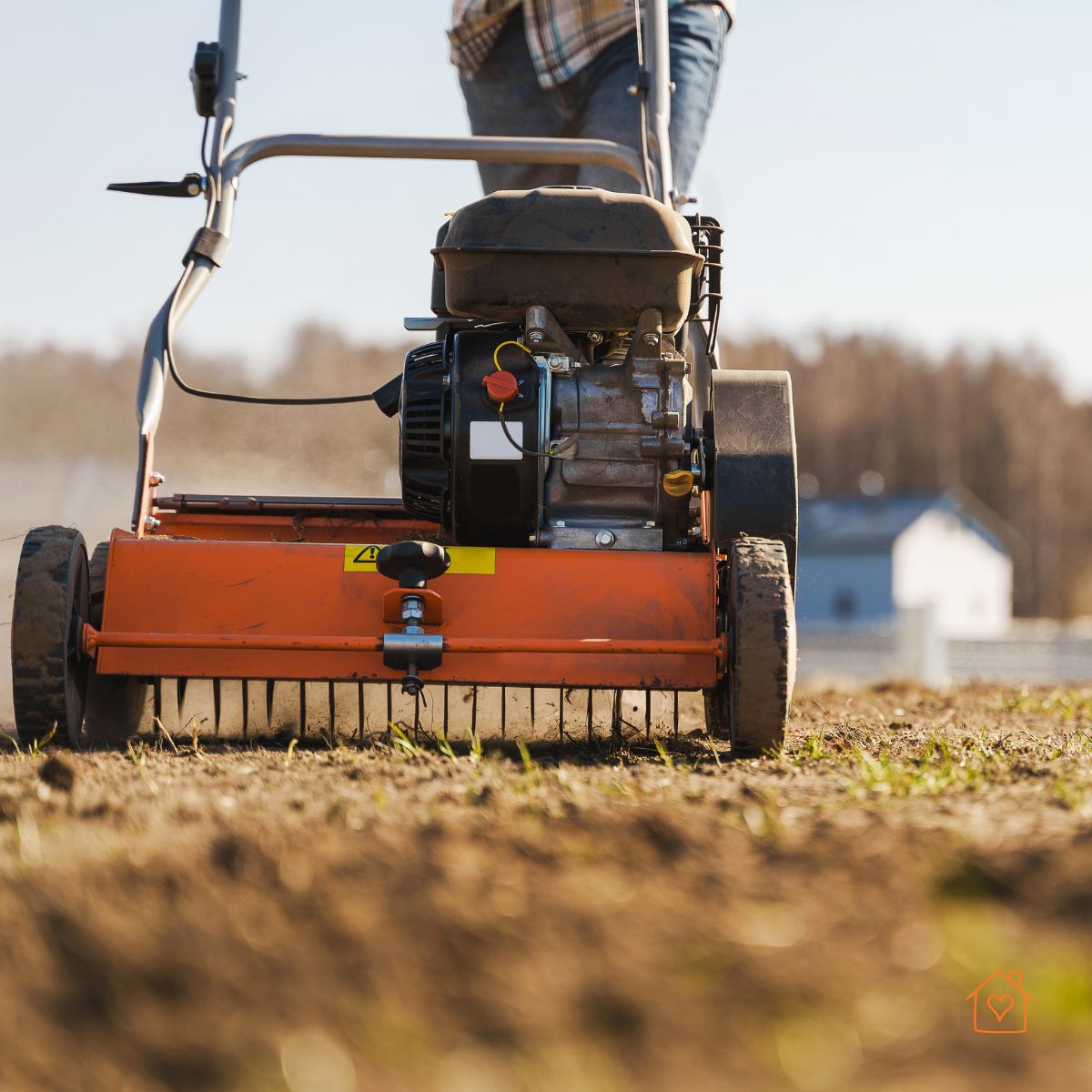
Lawn aeration stands as one of the most beneficial fall treatments you can provide. This process involves creating small holes in the soil to relieve compaction and improve the movement of air, water, and nutrients to the grass roots. There are many benefits of aeration, including enhanced root development, better fertilizer uptake, and improved drought resistance. You can rent aeration equipment from most garden centers or hire a professional service to complete this task.
Apply Fertilizer
Apply fall fertilizer after aerating to maximize nutrient absorption. Choose a fertilizer formulated specifically for fall application, which typically contains higher potassium levels to help grass plants store energy for winter survival. Follow package directions carefully, as over-fertilizing can actually weaken grass and make it more susceptible to winter damage.
Overseeding
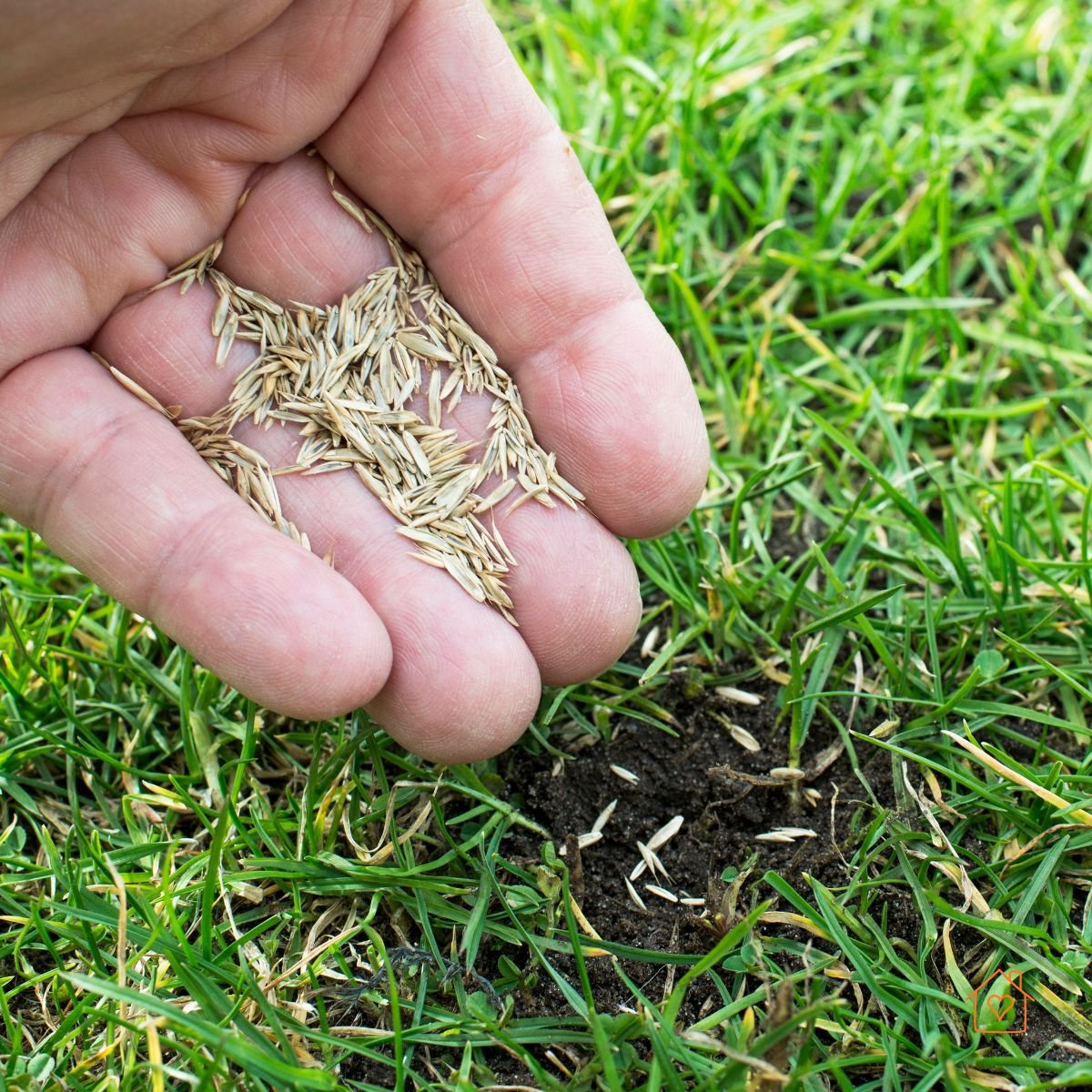
Overseed thin or bare spots in your lawn during early fall when soil temperatures remain warm but air temperatures have cooled. Water newly seeded areas consistently to maintain soil moisture until germination occurs. Fall-seeded grass has several months to establish strong root systems before facing the stress of hot summer weather.
Fall Lawn Mowing
Continue mowing your lawn regularly throughout fall, but gradually lower your cutting height as the season progresses. Shorter grass prevents matting under snow cover and reduces the risk of snow mold diseases.

Strategic Fall Planting
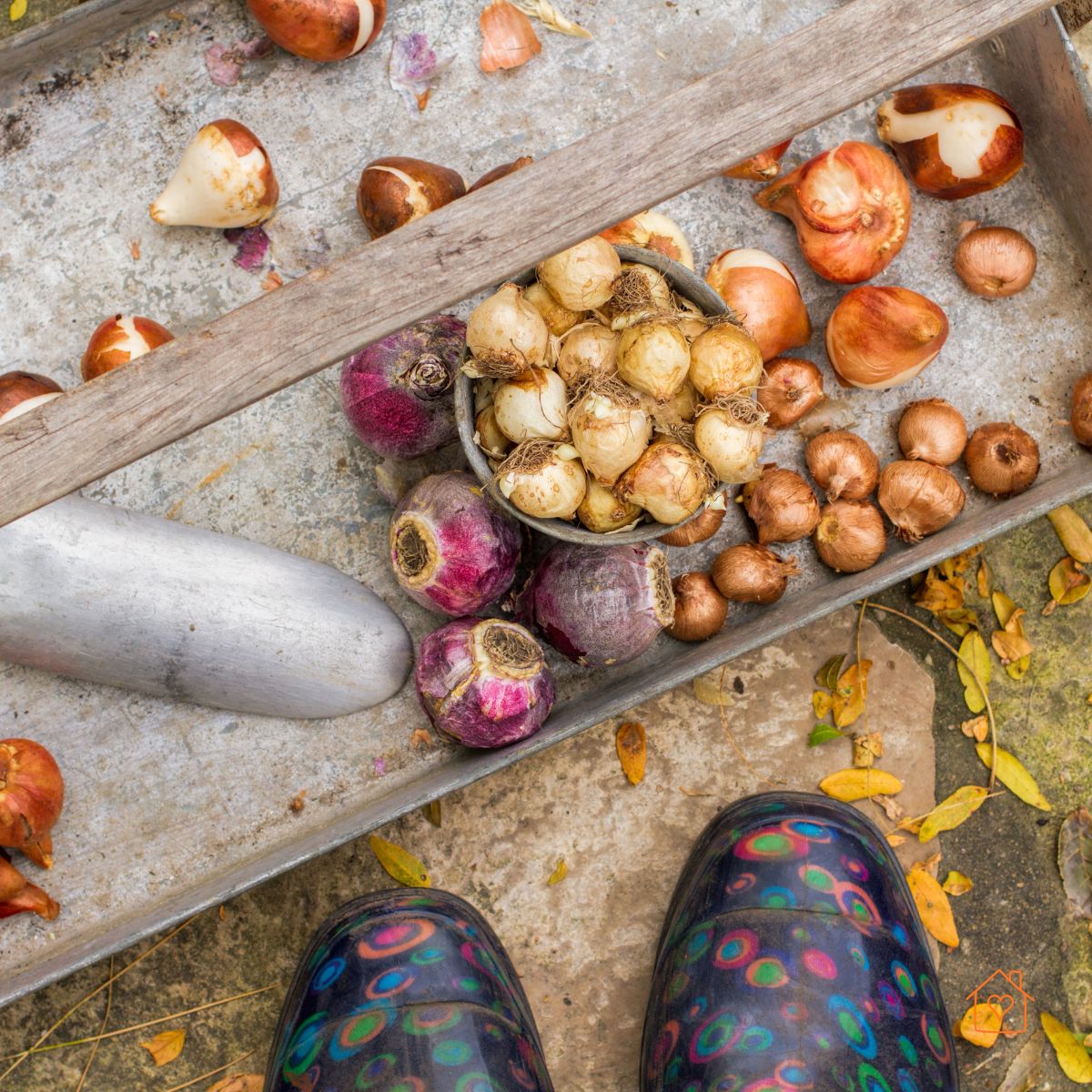
Fall planting offers numerous advantages over spring installation for many plants. Cooler air temperatures reduce transplant stress while soil remains warm enough to encourage root growth. Plants installed in the fall have months to develop strong root systems before facing summer heat and drought.
Spring-blooming bulbs require fall planting to receive the cold treatment necessary for flower development. Plant tulips, daffodils, crocuses, and other spring bulbs when soil temperatures consistently measure below 60 degrees Fahrenheit. Choose high-quality bulbs that feel firm and heavy, avoiding any with soft spots or visible damage.
Plant bulbs at depths approximately three times their diameter in well-draining soil. Group plantings of the same variety create more dramatic visual impact than scattered individual bulbs. Consider bloom times when selecting varieties to create extended seasons of spring color.
Fall also provides excellent conditions for planting trees and shrubs. Root systems continue growing even after top growth slows, giving new installations time to become established. Choose plants appropriate for your climate zone and specific growing conditions, including sun exposure, soil type, and moisture levels.
Water newly planted materials thoroughly and continue regular watering until the ground freezes. Apply a layer of mulch around new plantings to conserve soil moisture and moderate soil temperature fluctuations.
Protect Plants From Winter Damage
Many landscape plants benefit from protective measures that help them survive winter weather extremes. Young trees, tender shrubs, and borderline-hardy plants particularly need attention before cold weather arrives.
Wrap young tree trunks with commercial tree wrap or light-colored plastic guards to prevent sun scald and frost cracks. These protective materials reflect sunlight and moderate temperature fluctuations that can damage thin bark on immature trees.
Apply winter mulch around tender perennials and shrubs after the ground begins to freeze. This mulch layer insulates plant roots and crowns from extreme temperature changes rather than keeping them warm. Use materials like shredded leaves, straw, or evergreen boughs that won't compact and exclude air.
Construct windbreaks around evergreen shrubs exposed to harsh winter winds. Burlap screens supported by stakes provide effective protection without completely blocking light and air circulation. Position screens on the windward side of plants, leaving the top and leeward sides open for air movement.
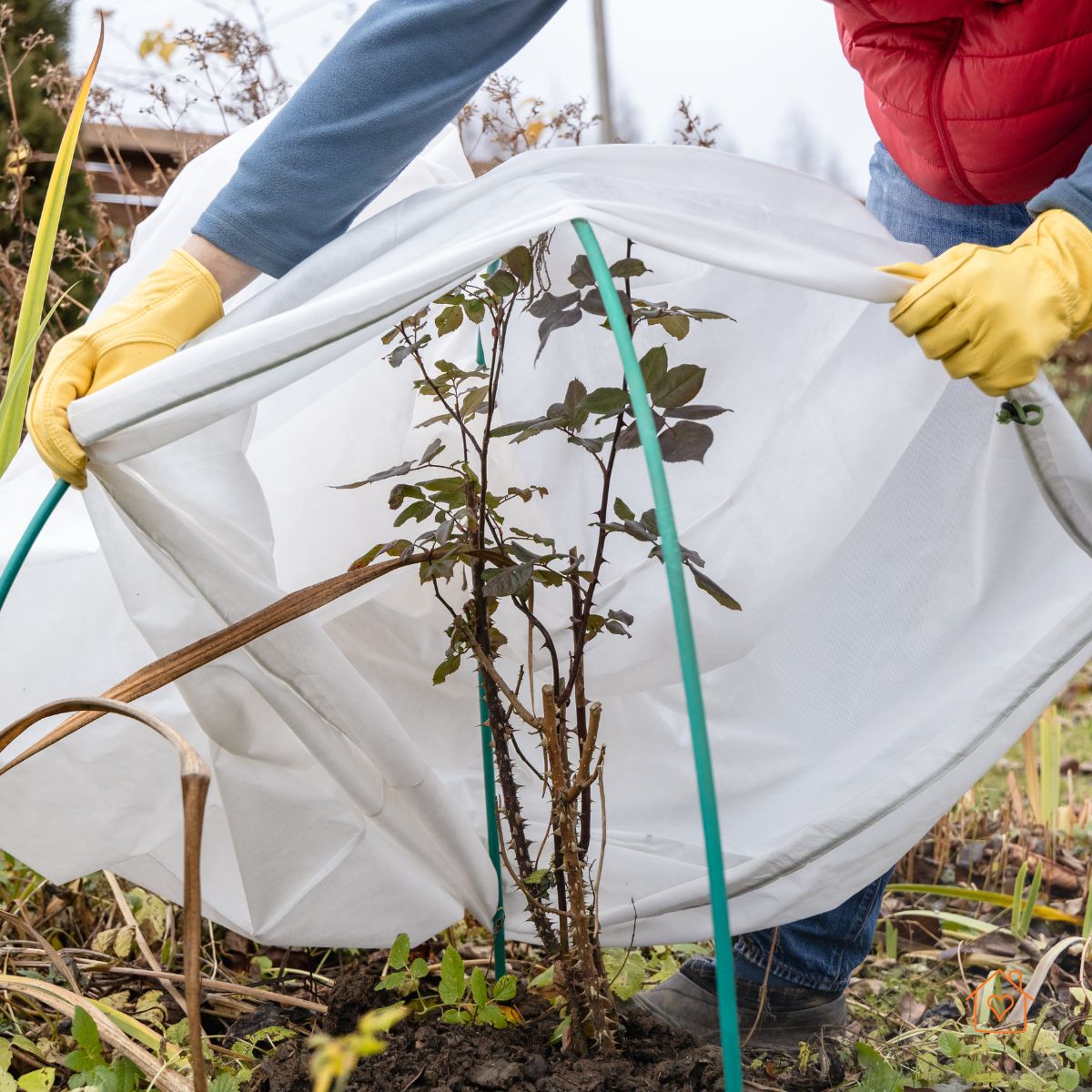
Cover tender roses with soil mounds or rose cones designed specifically for winter protection. Climbing roses benefit from being taken down from supports and covered with soil or mulch materials.
Maintain Your Garden Tools
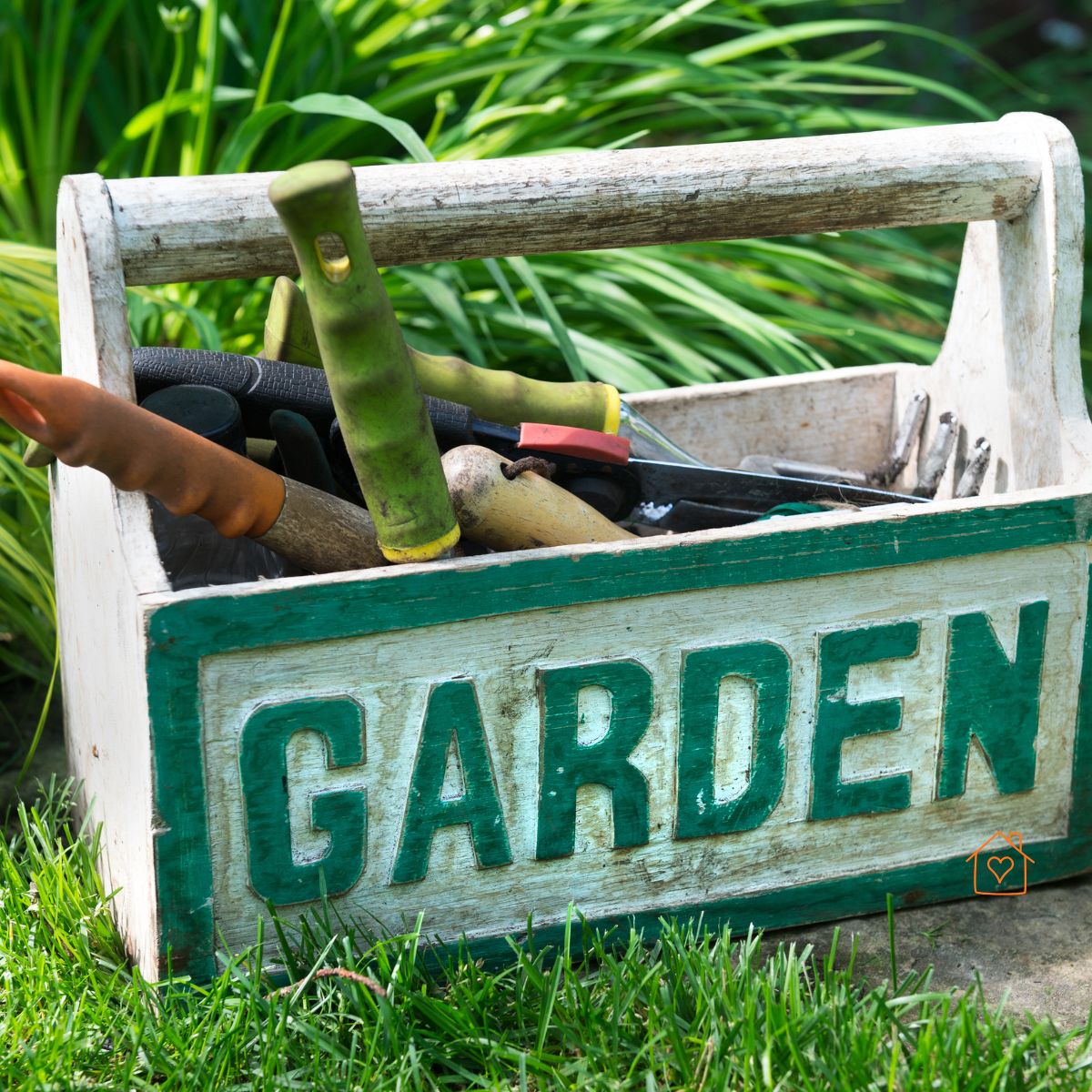
Garden tools require attention before winter storage to prevent rust, damage, and premature wear. Clean tools thoroughly, removing all soil and plant debris that can harbor disease organisms and accelerate corrosion.
Scrape or wash soil from metal surfaces, then dry tools completely before storage. Apply a light coat of oil to metal parts to prevent rust formation during storage. Wooden handles benefit from light sanding to remove splinters, followed by an application of linseed oil to prevent cracking and splitting.
Sharpen cutting tools like pruners, loppers, and hoes to maintain their effectiveness. Sharp tools make cleaner cuts that heal faster and require less effort to use. Replace or repair any damaged tools before storing them for winter.
Drain and store hoses in a heated area to prevent freeze damage. Disconnect and drain sprinkler systems according to manufacturer recommendations. Clean and oil power equipment like mowers and leaf blowers before storage.
Wrapping Up Your Fall Landscape Tasks
Fall landscaping work creates the foundation for a healthy, attractive landscape that will thrive through winter and emerge stronger in spring. The tasks outlined here address different aspects of landscape health, from basic maintenance to strategic improvements that pay long-term dividends.
Start with cleanup and lawn care tasks early in the season when weather conditions remain favorable for outdoor work. Move on to planting projects during mid-fall when soil temperatures provide optimal conditions for root establishment. Make sure you complete protection and tool maintenance tasks as winter approaches to wrap up your seasonal preparations.
Remember that timing varies significantly depending on your geographic location and local climate conditions. Monitor weather forecasts and adjust your schedule accordingly, completing outdoor tasks before severe weather makes them difficult or impossible.
The effort you invest in fall landscaping will reward you with a landscape that not only survives winter but thrives when the growing season returns. Your spring workload will be lighter, your plants will be healthier, and your outdoor space will provide greater enjoyment throughout the coming year.