Signs of Overthinking: How to Recognize and Stop It?

Have you ever replayed a recent conversation with a stranger to the point that you couldn't sleep? Or reread the message 5 times before hitting the 'Send' button? Well, all these times you've been overthinking. And though it might feel like it's never a bad thing to be cautious, the truth is your anxious thoughts are not facts.
Here is how overthinking patterns look and the strategies that might help you overcome it and find peace of mind.
*This post may contain affiliate links and I'll earn a commission if you shop through them. You can read my full disclosure here.
But first, what is overthinking exactly?
Overthinking is a form of cognitive distortion, which includes repetitive, unproductive thought patterns. It amplifies one's anxiety and adds to one's daily stress. One of the most anxiety-fueling behaviors, overthinking in relationships might cause unnecessary conflict and lead to emotional distance. In the end, overthinking is self-sabotage, as one creates problems that don't exist.

Luckily, behavioral strategies and mental health apps like Liven can help - for example, what is Liven if not a tool designed to help users identify emotional triggers and reset their thought habits in real time? All in all, such apps help one stop obsessing over the past or catastrophizing the future.
So, here are the top 5 signs you're overthinking and how to stop it.
#1: Rumination, or When reflection turns into obsession
Rumination is a highly unhelpful behavior, which happens when your mind replays the same thing over and over again. That might be a comment one made during a conversation, a silly mistake you made at work, or a past embarrassing memory.

Tips to stop ruminating
- Label the thought. This helps activate the brain area responsible for reasoning and emotional regulation - the prefrontal cortex. You can even pause and say out loud "I'm ruminating right now, but it's not helping";
- Set time limits for reflection. Give yourself "worry time" - a 10-15 minute daily slot for reflection. You can even schedule it on your calendar! This tells your brain that rumination has the end and beginning;
- Walk it out. Physical activity interrupts repetitive thought cycles as it stimulates the motor cortex and sensory systems. Plus, your body produces dopamine and endorphins, the 'feel-good' hormones.

#2: The freeze of analysis paralysis
Analysis paralysis happens when one overanalyzes every possible choice and outcome while looking for the 'perfect' solution. But the more you think, the more uncertain you become, and that decision fatigue leads to inaction. This leaves you mentally drained, self-critical, and lowers your motivation overall.

Tips to get out of the freeze mode
- Set a decision deadline. The time frame reduces mental clutter and makes you focus on essentials. For instance, give yourself 30 minutes to choose a restaurant or one day to reply to an email;
- Limit your choices. Narrow your scope to 2-3 viable choices. Let's say you're looking for a gym. Pick the top three near you, read reviews online, visit them, and decide during the next 48 hours;
- Make 'mini' decisions. Take small actions to interrupt the overanalysis loop. For instance, If you can't decide how to start a project, set a timer for 10 minutes and begin outlining.
#3: Waiting for 'perfect' keeps you from starting
When you set impossibly high standards, you're actually more prone to delaying tasks because you might subconsciously want to avoid potential mistakes. You might overthink, believing that imperfections equal failure.
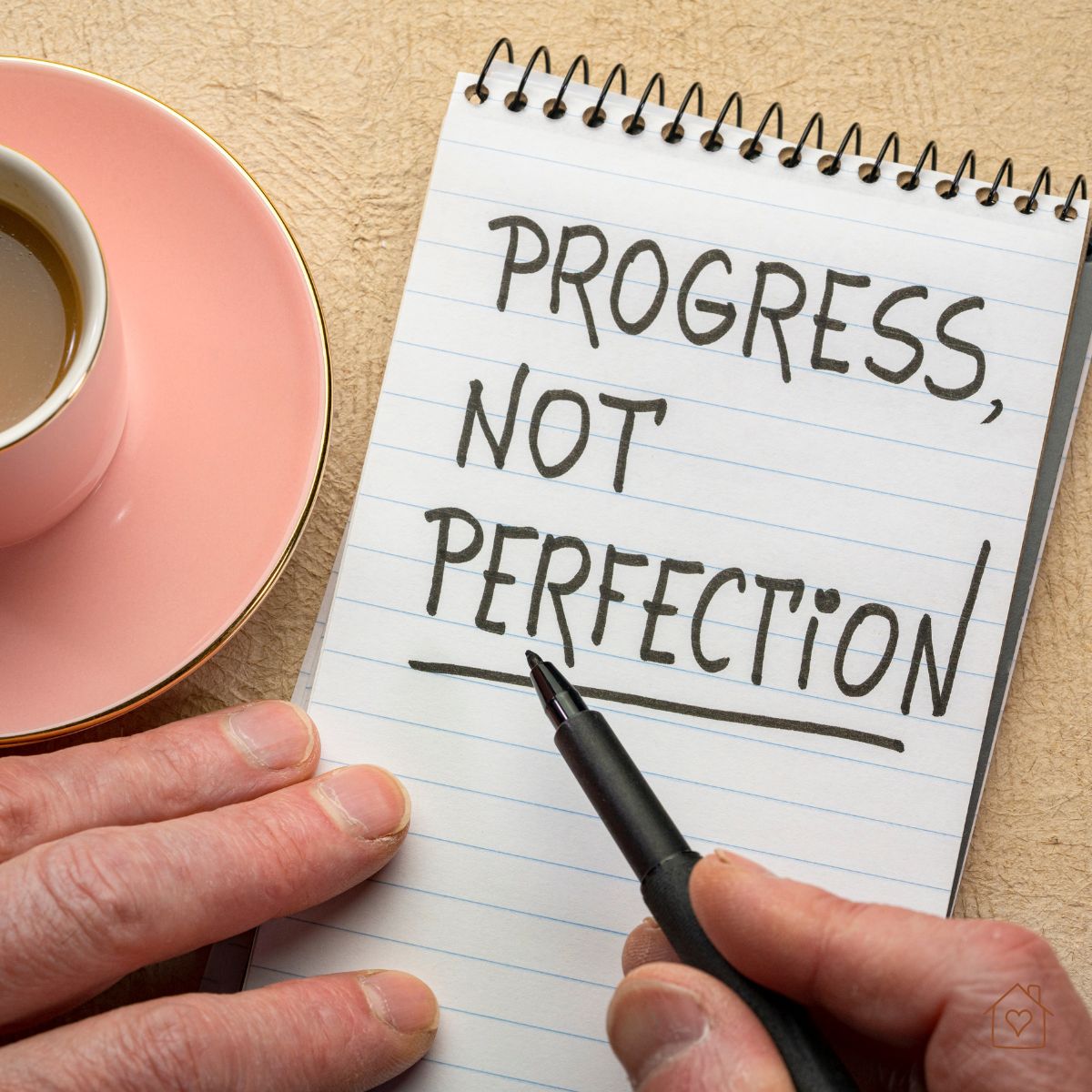
Tips for overcoming the' not-ready-yet' illusion
- Use the "good enough" rule. Yes, sometimes you'll have to settle for the first good option you find. For instance, stop once you find a gift that fits your friend's interests, even if there might be "something better" out there;
- Redefine "done." Define what "good enough" looks like before you start. For instance, tell yourself that you'll edit the article twice and then publish it before you even start writing it;
- Expose yourself to imperfection intentionally. For instance, send an email with a typo or post an unfinished drawing online. This graded exposure helps retrain your nervous system to tolerate imperfection.
#4: The reassurance trap

It might feel comforting to ask 'Was it okay?' or check chats for replies. Unfortunately, the need for reassurance from others builds dependency and a lack of self-trust over time.
Tips for rebuilding self-trust
- Pause before asking. Once you feel the urge to ask for reassurance, pause for 90 seconds. This exact amount of time helps your limbic system (emotional center) calm, while your rational brain regains control;
- Replace reassurance with self-validation. Let's say you want to ask a coworker if your presentation was good. Instead of actually doing that, remind yourself: "I prepared well - that's enough";

- Limit reassurance sources. If you usually check in with three people after sending an email, try asking just one - then none. This will help you become more self-reliant.
#5: The mind-body toll of overthinking
Overthinking stays both in mind and body. Physically, one might experience muscle tension, headaches, poor sleep, and fatigue. Meanwhile, emotionally, one might feel irritable, detached, or restless.
Tips to improve your emotional and physical wellbeing
- Regulate your nervous system through breath. Try the 4-7-8 breathing method - inhale for 4 seconds, hold for 7, exhale for 8. Within two minutes, your heart rate and stress hormones will start to normalize;
- Prioritize restorative sleep. Lack of quality sleep only worsens emotional reactivity, hence, overthinking. Opt for 7-9 hours of consistent sleep to restore emotional balance;
- Add some daily movement. Chronic worriers often have an overreactive hippocampus, the brain area responsible for emotional regulation and memory. Physical activity stimulates this area and helps burn built-up tension.
Final thoughts
With overthinking, your brain tries to prevent pain, but unintentionally creates even more worries. Meanwhile, signs of overthinking like rumination, perfectionism, and reassurance-seeking all share one biological root: a dysregulated stress response.
The good news is that you can learn to regulate it with practices like limiting decision time, building self-trust, and caring about your mental health overall.
Try different strategies and see what works. But above all, don't forget to be kind to yourself.