Best Siding Materials for NJ Climate — Expert Guide by Local Contractors
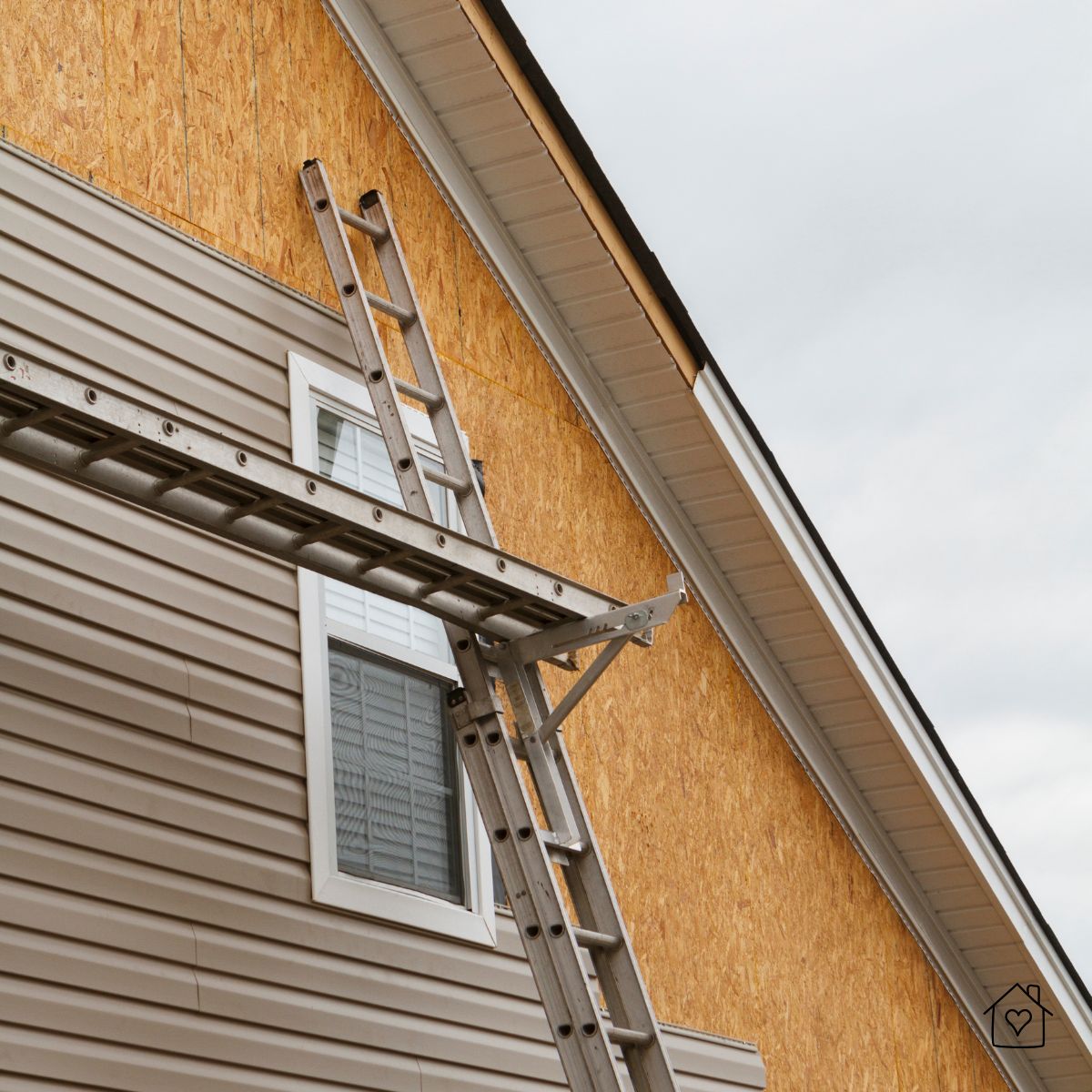
If you live in New Jersey, you already know how unpredictable the weather can be. One week it's humid and sticky, the next it's freezing and windy. Summers are hot enough to make vinyl siding warp, while winters can bring icy storms that test every nail and panel on your home's exterior. That's why choosing the right siding material isn't just a design decision-it's a long-term investment in your home's durability, comfort, and resale value.
*This post may contain affiliate links and I'll earn a commission if you shop through them. You can read my full disclosure here.
Homeowners often focus on color and texture when updating their siding, but the real priority should be performance. Siding isn't just about curb appeal. It's your home's first defense against moisture, wind, and temperature changes. Working with siding contractors NJ can make all the difference, as local professionals understand the region's specific climate patterns. They'll recommend products that can expand and contract without cracking, resist rot from humidity, and hold strong during coastal wind events.
In this article, we'll take a closer look at how New Jersey's weather impacts different siding materials. You'll learn which types hold up best in heat and cold, what to expect in terms of maintenance, and how to balance aesthetics with performance. Whether you're replacing old siding or building a new home, this guide will help you make an informed choice that looks good and lasts for decades.
Understanding New Jersey's Unique Climate Challenges
Before choosing siding for your New Jersey home, it's essential to understand what the local climate actually puts your exterior through. The Garden State isn't just known for its seasonal beauty-it's also notorious for dramatic temperature swings, high humidity, and coastal storms that can test even the strongest materials. Each of these elements affects siding differently, influencing how long it lasts, how much maintenance it needs, and how well it protects your home.
Below, we'll look at the most common environmental challenges New Jersey homeowners face and how they impact siding performance throughout the year.
Seasonal Temperature Extremes
New Jersey's climate throws nearly everything at your exterior-heat, cold, snow, salt, and sun. Temperatures can swing from below freezing in January to over 90°F in July. That expansion and contraction can take a toll on siding materials, especially cheaper vinyl or wood, without proper sealing. Over time, cracks appear, edges curl, and seams loosen.
Modern materials are designed to withstand these changes. For example, insulated vinyl and fiber cement siding can handle thermal shifts better than traditional options. Still, homeowners should prioritize proper installation and ventilation to reduce stress on the panels. Even the best siding can fail if it's not installed with climate movement in mind.
Humidity and Moisture Concerns
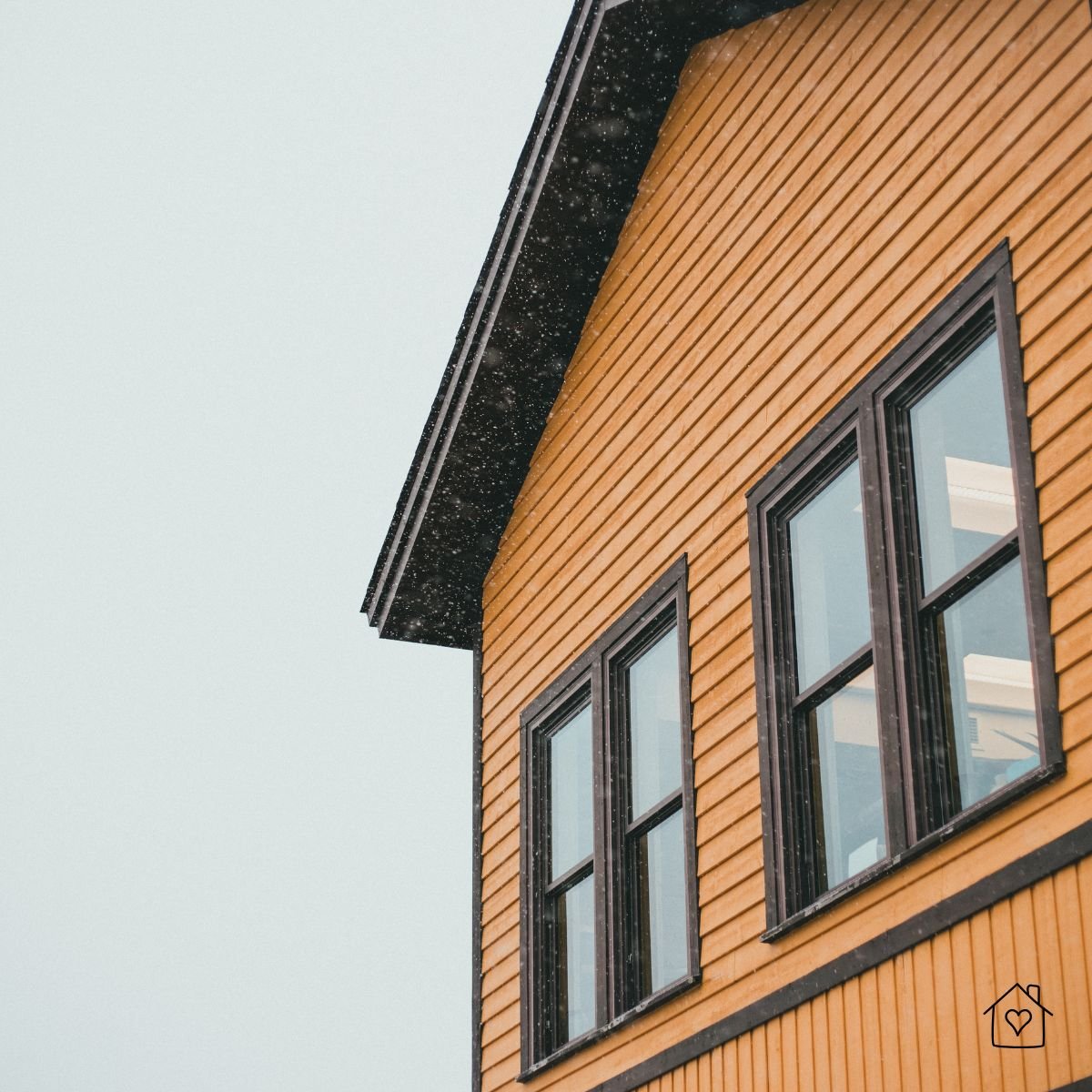
New Jersey's coastal and inland humidity creates perfect conditions for mold, mildew, and wood rot. Moisture can sneak behind poorly sealed siding, damaging sheathing and insulation underneath. This is one of the main reasons many homeowners are moving away from traditional wood in favor of more resilient materials like fiber cement or engineered wood.
Vinyl siding, though affordable and moisture-resistant, can trap water if not installed with a proper drainage system. Always look for products with built-in weep holes or vapor barriers, and ensure your home's exterior has sufficient airflow to dry out after storms. Moisture management is key to maintaining both appearance and structural integrity.
Storm and Wind Resistance Requirements
In coastal and southern parts of New Jersey, strong winds and nor'easters are common. A gusty storm can easily lift loose panels or dent softer materials. Homeowners need siding rated for high wind resistance, ideally tested for speeds above 100 mph. Fiber cement and high-quality vinyl siding typically perform well under these conditions, but aluminum or steel panels may offer extra security in exposed areas.
It's also worth checking your local building codes. Some townships have specific wind-resistance requirements, particularly near the coast. Make sure your chosen material and fasteners meet or exceed those standards.
Vinyl Siding for NJ Homes
Vinyl siding remains a favorite for its affordability and wide color selection. It's low-maintenance and can mimic wood textures convincingly. For New Jersey homeowners, it offers a good balance between cost and climate resilience-especially modern insulated options that improve energy efficiency.
However, vinyl can soften during extreme heat and become brittle in freezing temperatures. If you live in areas with constant exposure to sunlight or cold winds, you'll need thicker panels rated for higher durability. Investing in quality installation is crucial, as poor alignment or gaps can lead to warping and leaks over time.
Fiber Cement Siding Benefits
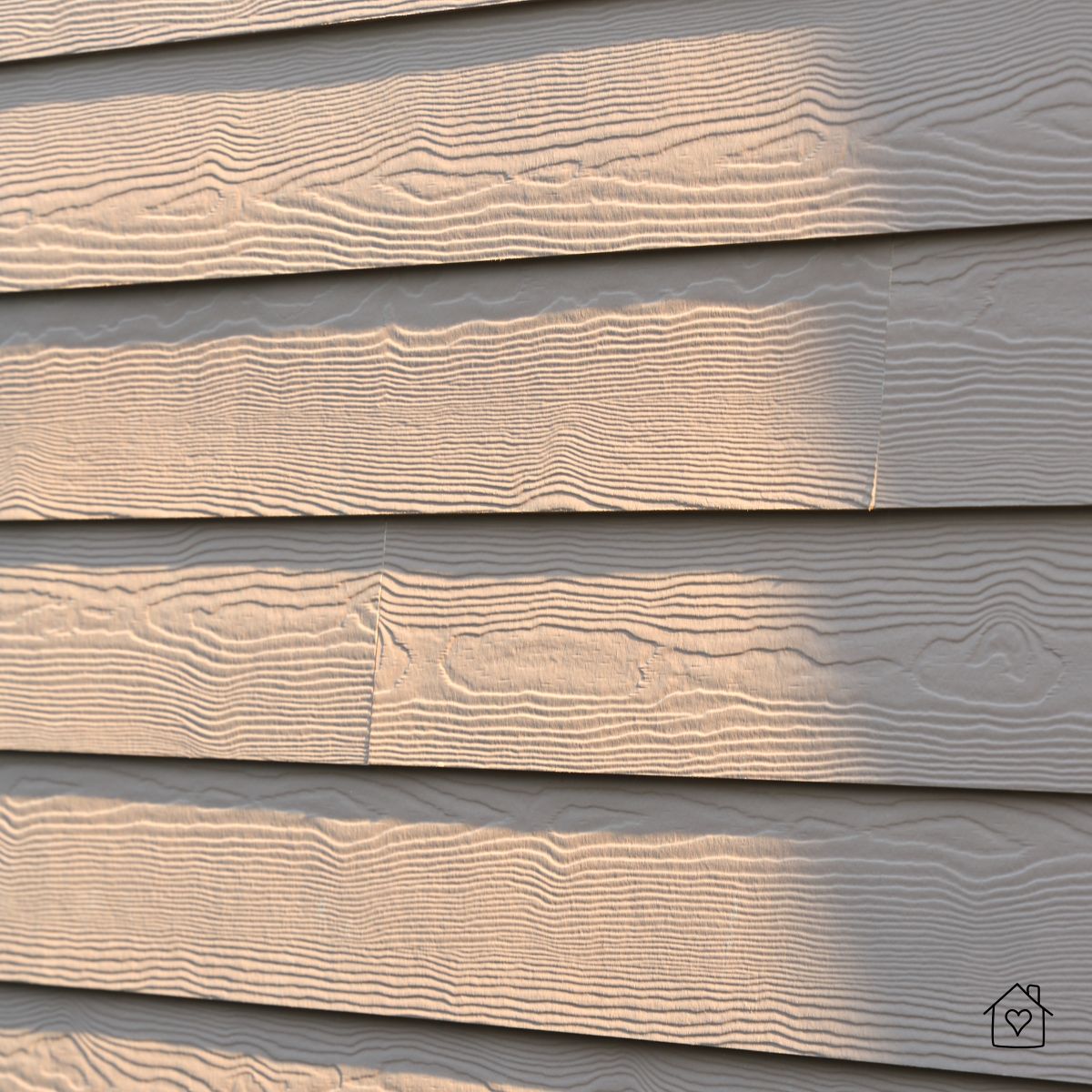
Fiber cement siding, made from a mix of cement, sand, and cellulose fibers, is practically built for NJ's climate. It's resistant to moisture, fire, and insects, and it doesn't expand or contract as dramatically as other materials. It holds paint exceptionally well, meaning you'll spend less time on upkeep and more time enjoying how it looks.
This type of siding can handle the state's weather extremes, from snowy winters to humid summers. It's heavier and pricier than vinyl, but the durability often offsets the upfront cost. Many homeowners view it as a "buy once, last decades" solution.
Engineered Wood Siding Options
Engineered wood siding is becoming a popular choice for New Jersey homeowners who love the warm, natural look of wood but don't want to deal with its maintenance headaches. It's made from wood fibers bonded with resins and treated to resist moisture, insects, and rot. This makes it far more stable than traditional lumber, especially in the state's humid climate.
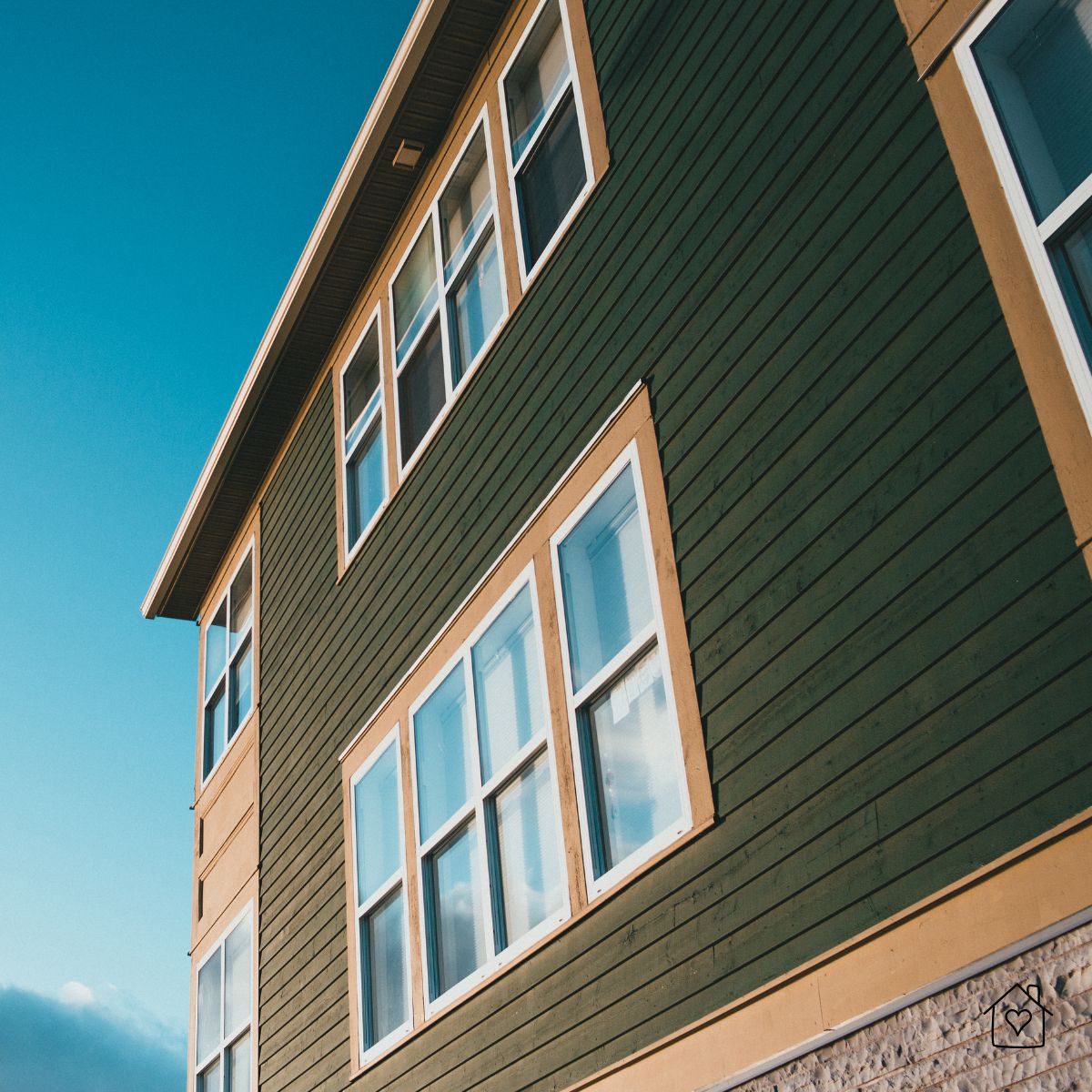
Unlike standard wood siding, engineered wood can handle temperature swings and moisture exposure with minimal expansion or warping. It's lighter than fiber cement, easier to install, and often comes pre-finished in a wide range of colors and textures. That means less painting and fewer worries about fading or cracking.
Still, installation quality matters. If seams aren't properly sealed or flashing is skipped, even engineered wood can absorb water. When maintained correctly, though, it offers a great blend of warmth, resilience, and value-ideal for New Jersey neighborhoods where style and curb appeal matter as much as durability.
Metal Siding for Contemporary Homes
Metal siding isn't just for commercial buildings anymore. In New Jersey, it's gaining traction among homeowners who prefer a sleek, modern look paired with unmatched durability. Aluminum and steel panels stand up exceptionally well to the state's weather, especially in areas exposed to coastal winds and salt air.
Steel siding, in particular, is strong enough to resist impact from hail or debris. It doesn't warp, rot, or attract insects, and with proper coating, it can handle years of moisture without rusting. Aluminum, while lighter, is more resistant to corrosion, making it ideal for properties near the shore.
Metal siding does come with a higher price tag, and its installation requires experienced professionals. But for homeowners seeking low maintenance and a bold, modern aesthetic, it's a long-term investment that performs beautifully in New Jersey's unpredictable climate.
Traditional Wood Siding in NJ

There's something timeless about real wood siding. Its warmth, texture, and natural variation give homes a handcrafted character that synthetic materials can only imitate. Cedar and redwood are the most popular species used in New Jersey, both known for their natural oils that resist decay and insects.
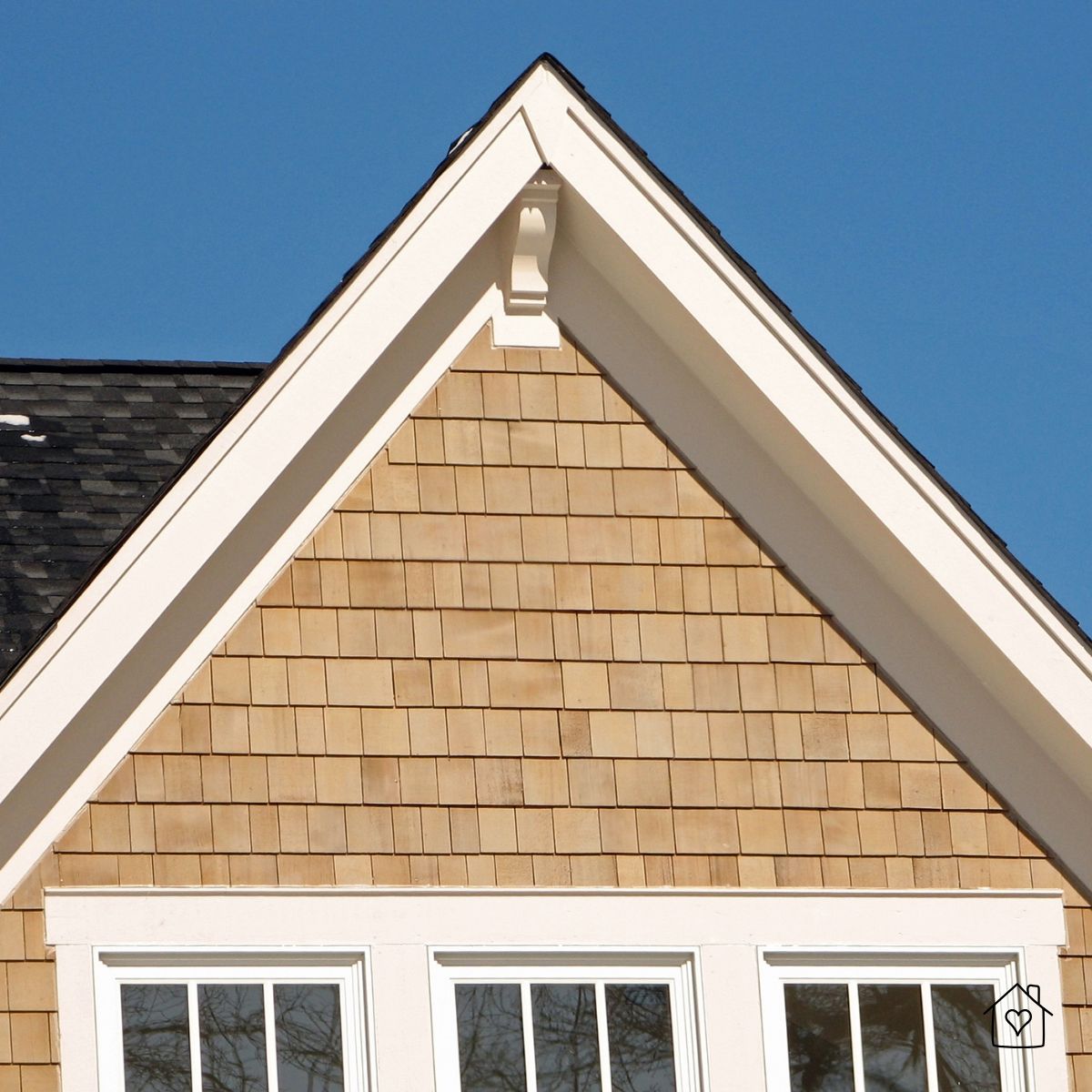
However, wood requires dedication. The humidity and temperature swings typical of New Jersey can cause expansion, cracking, and peeling if the surface isn't properly sealed and maintained. Annual inspections, repainting, or staining every few years are necessary to keep it in shape.
For homeowners committed to authenticity and willing to invest in upkeep, wood siding can still be a rewarding choice. It pairs beautifully with historic homes or rural properties where charm matters just as much as performance.
Making Your Final Decision
Choosing siding isn't about picking the trendiest material-it's about finding what fits your home, lifestyle, and budget. Vinyl offers affordability and ease. Fiber cement brings unmatched durability. Engineered wood gives you warmth with less maintenance. Metal siding is for those who want bold design and lasting strength. And traditional wood remains a classic for anyone who values craftsmanship and heritage.
Before making a decision, think about your home's exposure to sunlight, wind, and humidity. Factor in how much maintenance you're willing to handle and how long you plan to stay in the house. Consulting with local experts who understand New Jersey's weather patterns is always a smart move. The right siding choice can protect your home for decades-and make it look stunning while doing so.