How Retaining Walls Redefine Outdoor Living
*This post may contain affiliate links and I'll earn a commission if you shop through them. You can read my full disclosure here.
Outdoor spaces often have more potential than we initially see. Sloped yards, uneven terrain, and erosion issues can make landscaping feel like a challenge. That is where professional retaining wall construction in Martinez becomes essential. A well built retaining wall not only improves the appearance of your property but also adds stability and long term value. With the right design and materials, retaining walls can transform difficult landscapes into functional and beautiful outdoor areas.
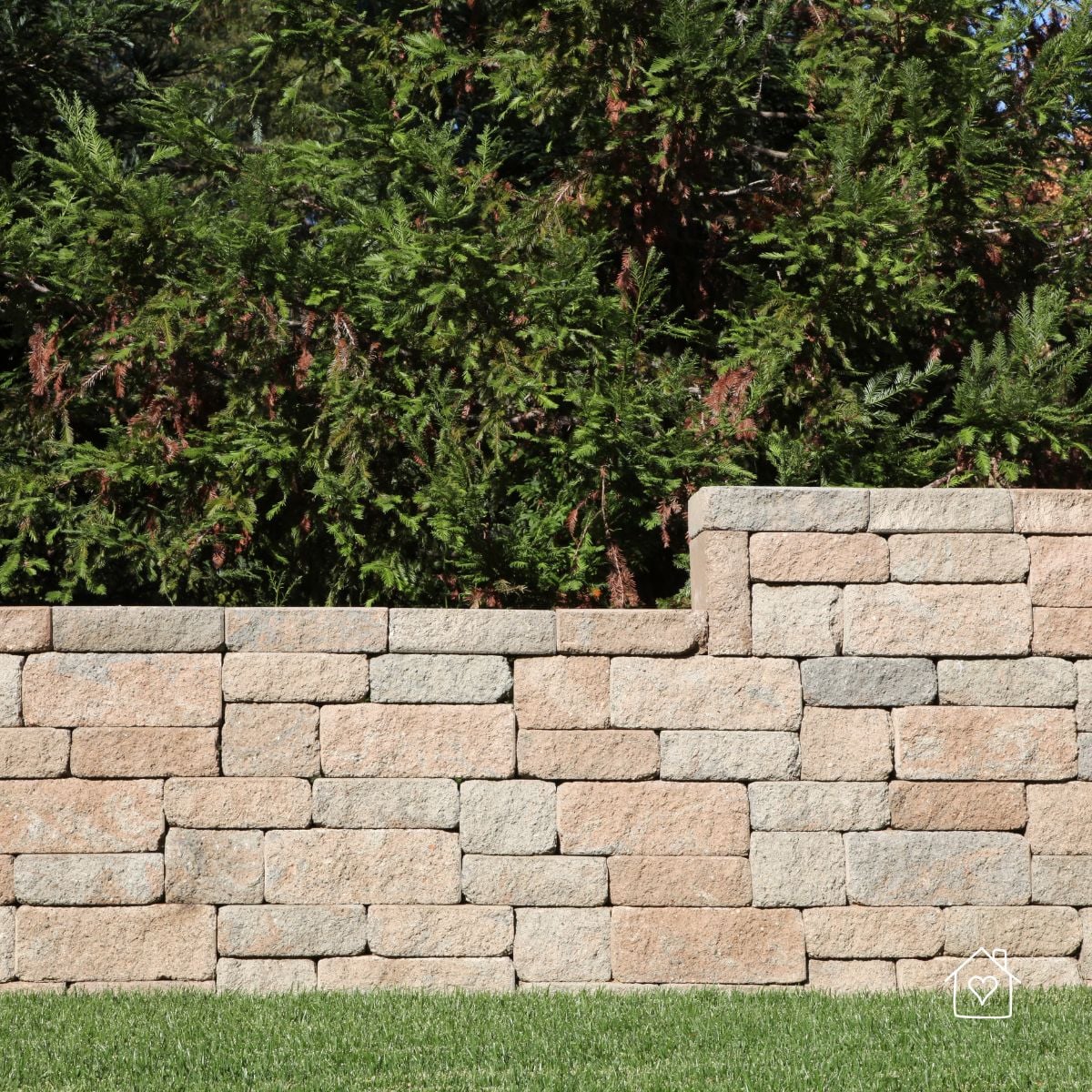
Homeowners who invest in outdoor improvements often pair retaining walls with features like patios and composite decking in Martinez to create cohesive and inviting spaces. Combining structural support with stylish outdoor elements allows you to maximize both form and function. Whether you want to prevent soil erosion or create leveled areas for entertaining, thoughtful planning makes all the difference.
What Is a Retaining Wall and Why Is It Important
A retaining wall is a specially designed structure built to hold back soil and manage changes in elevation. These walls are commonly used in yards with slopes or uneven ground. Without proper support, soil can shift over time, leading to erosion, drainage problems, and even damage to foundations or landscaping.
Retaining walls provide stability by resisting the lateral pressure of soil. They create flat surfaces where gardens, patios, or walkways can be installed. In areas prone to heavy rainfall, retaining walls also help manage water flow and prevent flooding or pooling in unwanted areas.
Types of Retaining Walls
There are several types of retaining walls, each suited for different needs and budgets. Gravity walls rely on their weight to hold back soil and are often constructed from stone, concrete blocks, or poured concrete. These walls are durable and effective for moderate height applications.
Reinforced retaining walls include additional structural support such as steel bars or geogrid materials. These are typically used for taller or more complex projects. Segmental retaining walls, made from interlocking concrete blocks, are popular for residential properties because they offer strength and aesthetic appeal.
Natural stone walls are another option for homeowners who prefer a more rustic and organic appearance. Each material choice influences not only the strength of the wall but also the overall look of the outdoor space.
Planning and Design Considerations
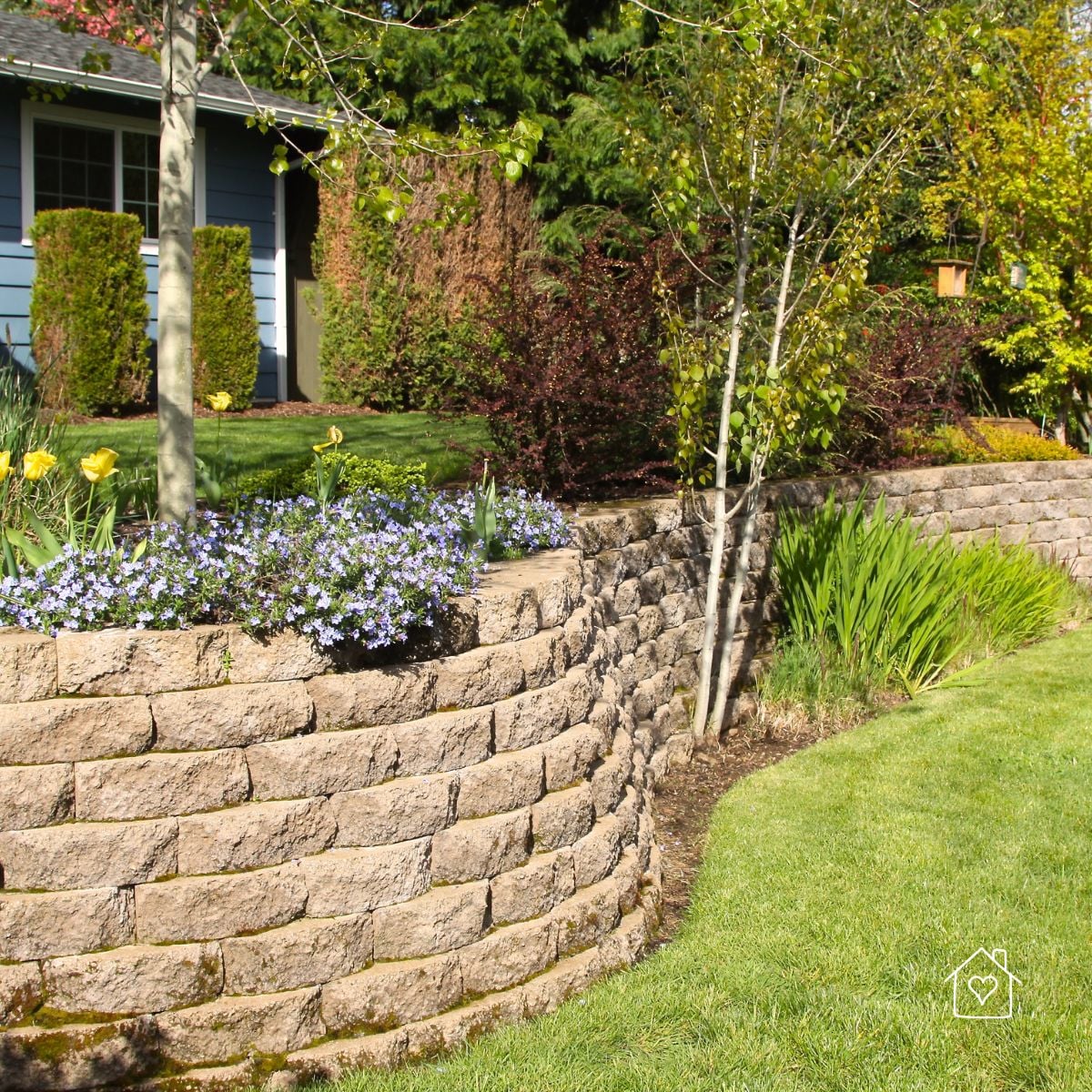
Proper planning is critical for successful retaining wall construction. Factors such as soil type, drainage, wall height, and local building codes must all be taken into account. Drainage systems are particularly important, as trapped water can increase pressure behind the wall and compromise its stability.
Working with experienced professionals ensures that engineering principles are applied correctly. They assess the slope of the land, determine the appropriate materials, and design a wall that meets both structural and visual goals. Attention to detail during the planning stage prevents costly repairs in the future.
Enhancing Outdoor Living Spaces
Retaining walls are not just functional structures. They can also enhance the beauty and usability of your yard. By creating level areas, retaining walls make it possible to install gardens, seating areas, fire pits, and outdoor kitchens. Tiered walls add depth and dimension to landscapes, turning a simple yard into an eye-catching outdoor retreat.
When paired with decks or patios, retaining walls help define different zones within the yard. For example, a raised deck overlooking a terraced garden creates a welcoming environment for gatherings and relaxation. This integration of structure and design increases both enjoyment and property value.
The Role of Drainage in Retaining Wall Construction
One of the most important aspects of building a retaining wall is proper drainage. Water accumulation behind the wall can create excessive pressure, leading to cracks or failure. Installing drainage pipes, gravel backfill, and weep holes allows water to escape safely.
A professional contractor understands how to incorporate effective drainage solutions into the design. This ensures that the retaining wall remains stable and durable for years to come. Ignoring drainage considerations is one of the most common causes of structural problems.
Long Term Benefits of Retaining Walls
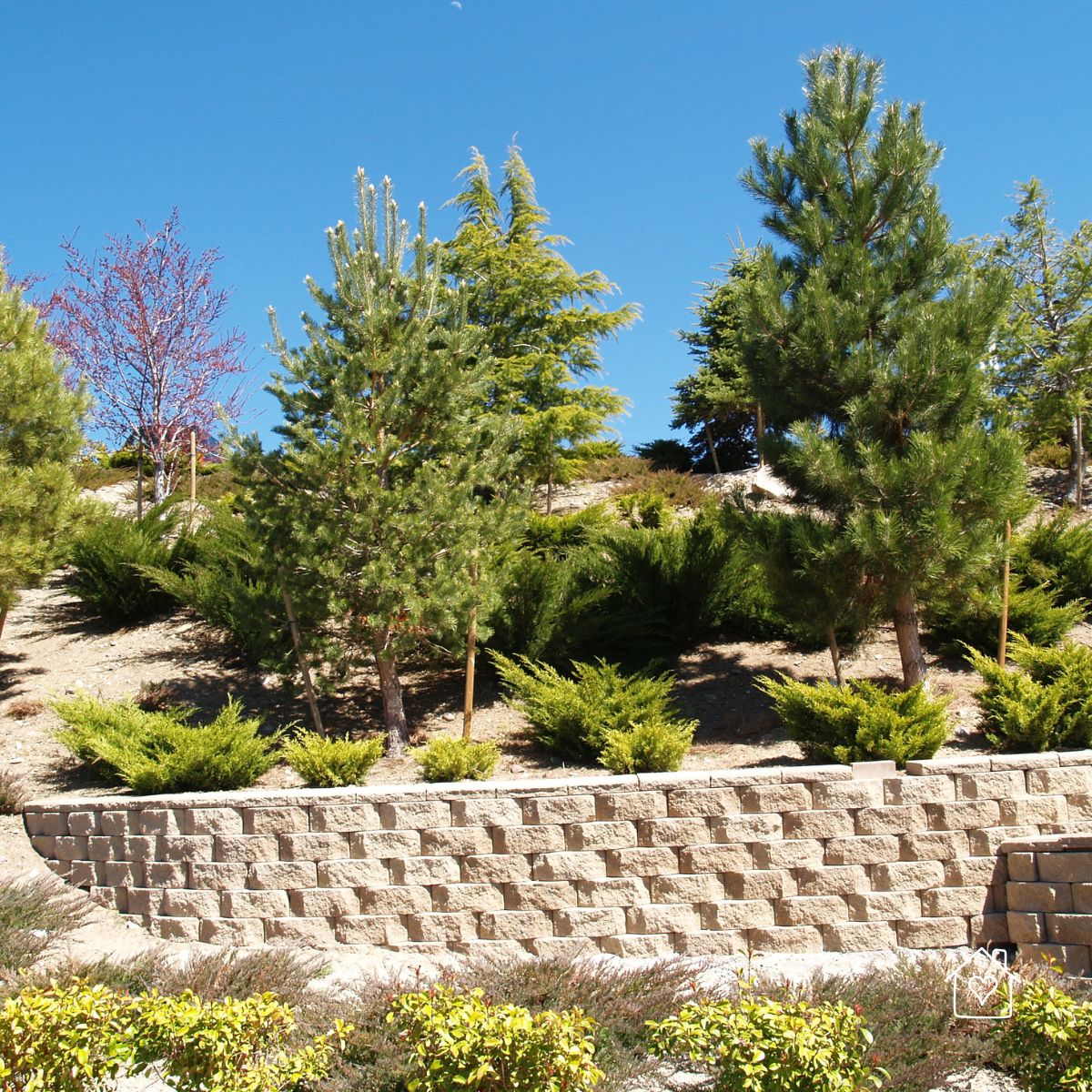
Investing in retaining wall construction offers several long term advantages. Beyond preventing erosion and managing slopes, retaining walls increase usable yard space. This can be particularly valuable for properties with limited flat areas.
Retaining walls also add visual appeal by creating clean lines and defined landscaping features. A thoughtfully designed wall can serve as a focal point, complementing plants, lighting, and outdoor furniture. Over time, these improvements contribute to higher property value and enhanced curb appeal.
Maintenance and Care
While retaining walls are built to last, regular maintenance helps preserve their appearance and strength. Inspecting for cracks, shifting, or drainage issues allows homeowners to address small problems before they become significant repairs.
Keeping the surrounding area clear of excessive debris and ensuring proper water flow are simple steps that support longevity. With proper care, a professionally constructed retaining wall can remain a reliable feature of your property for decades.
Choosing the Right Professionals
Selecting experienced contractors for retaining wall construction ensures quality workmanship and compliance with local regulations. Professionals bring knowledge of soil conditions, engineering requirements, and design techniques that guarantee safe and attractive results.
Clear communication throughout the project allows homeowners to understand timelines, material options, and cost considerations. A skilled team focuses on both durability and aesthetics, creating a structure that performs well while enhancing the overall landscape.
Conclusion
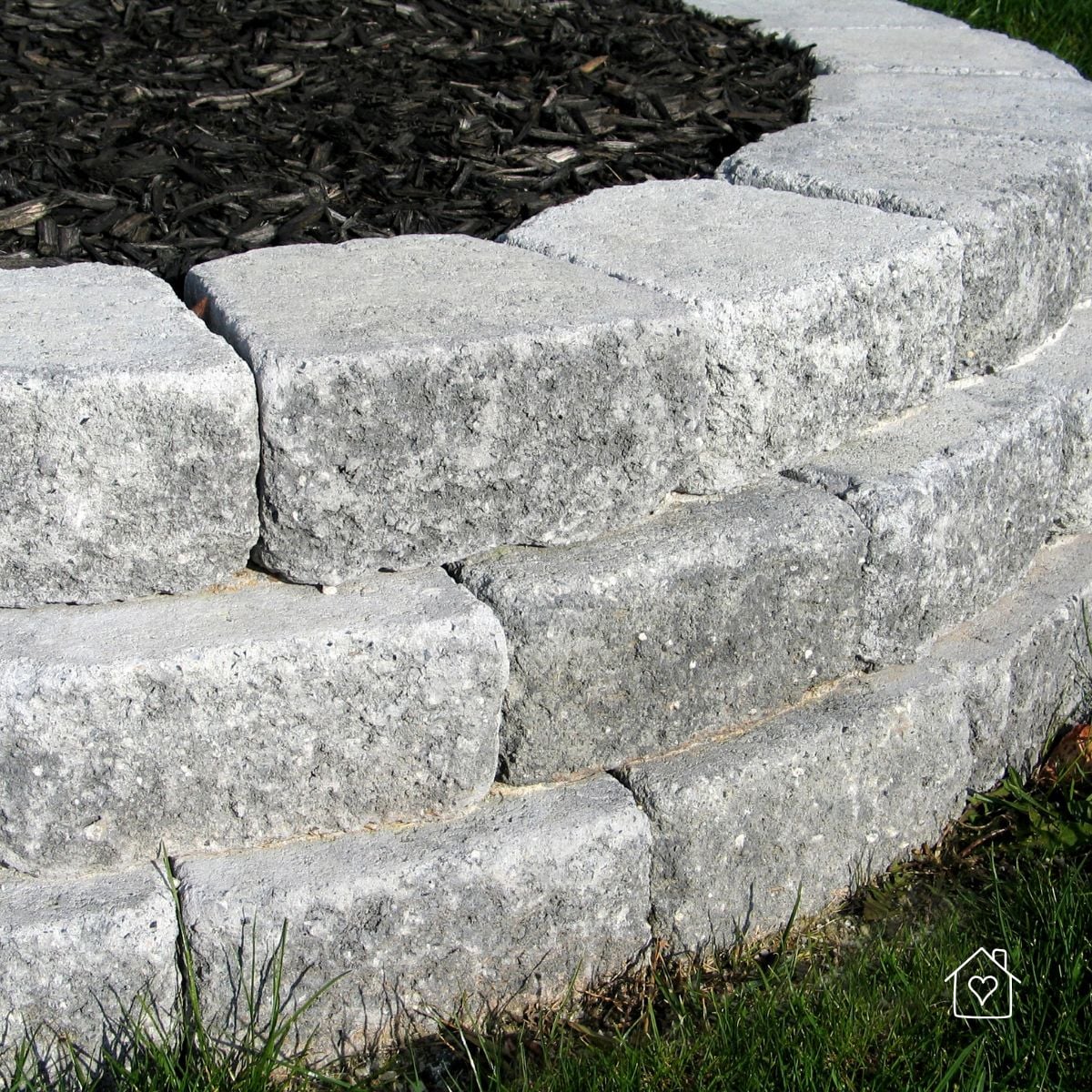
Retaining wall construction is a smart investment for homeowners seeking stability, beauty, and functionality in their outdoor spaces. By addressing slope challenges and preventing erosion, retaining walls create safer and more usable landscapes. When combined with features like decks and patios, they help transform ordinary yards into inviting environments for relaxation and entertainment.