Why More Homeowners Are Prioritizing Functional Renovations Over Purely Cosmetic Fixes
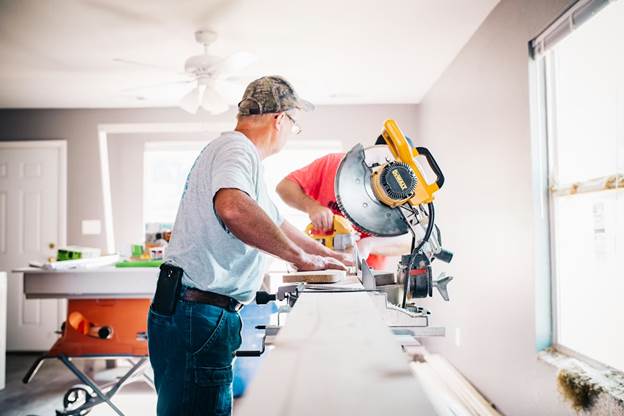
In the past, most homeowners assumed that renovations covered both functional and aesthetic upgrades at the same time. Replacing cabinets, installing new tile, or swapping fixtures was often considered a complete upgrade. Modern homeowners are beginning to recognize that visual improvements do not always solve practical issues
In this blog, we'll explore how home renovation priorities are evolving and what homeowners should consider before starting their renovation journey.
*This post may contain affiliate links and I'll earn a commission if you shop through them. You can read my full disclosure here.
Why Cosmetic-First Renovations Often Lead to Regret
Cosmetic updates can feel like a smart move, particularly for homeowners preparing to list their property and looking for quick ways to improve how it shows to potential buyers. A new backsplash or updated flooring can instantly make a home feel refreshed. However, failing to invest in functional improvements can lead to higher maintenance costs and reduced long-term value.
Replacing countertops in a poorly designed kitchen rarely changes how the space performs. You still work around the same tight corners and limited prep areas. Replacing countertops in a poorly designed kitchen rarely changes how the space performs. You still work around the same tight corners and limited prep areas. The same logic applies to bathrooms, where upgrading finishes does little to solve poor ventilation, awkward layouts, or a lack of storage.
Over time, homeowners often realize that they addressed the symptoms instead of the root cause. They end up spending more money correcting issues that could have been solved during the initial renovation. That second round of remodeling is not only expensive, but also frustrating
The Importance of Functional Home Design
Remodeling for comfort instead of focusing only on what looks new can prevent a lot of regret. Renovations should solve problems. If you still struggle to find counter space or deal with humidity after a remodel, then the upgrade did not go far enough.
Functional home design is about improving how a space performs. That might mean widening walkways, adding deeper drawers, upgrading ventilation, or choosing materials that are easier to clean. These changes are not always dramatic, but they make a noticeable difference over time.
According to the 2025 NAR Remodeling Impact report, functionality and livability (28%), durable results (23%), and beauty and aesthetics (23%) are the top priorities for homeowners who are looking to remodel. Kurt from Kitchen & More has noticed this in his business, with clients pursuing comprehensive kitchen and bathroom renovations that prioritize smarter storage and better layouts over requests that are purely aesthetic.
Popular Functional Home Renovation Trends in 2026
Home renovation trends in 2026 feel less focused on resale value and more centered on how a space functions day to day. Homeowners are paying closer attention to layout, storage, and materials before they even think about finishes.
The question is no longer just what looks good right now. It is what will continue to feel practical and comfortable years down the line. Here are the functional improvements shaping home renovation trends this year:
1. Zoned Kitchen Layouts Instead of the Traditional Work Triangle
Functional kitchen design in 2026 looks different from what many homeowners grew up with. Designers are moving away from the strict work triangle and creating flexible zones that support real, daily routines.
Instead of relying on a single flow between the sink, stove, and refrigerator, kitchens are being organized into dedicated areas for prepping,
2. Deep Drawer Systems Replacing Lower Cabinets
Anyone who has tried to retrieve a heavy pot from the back of a lower cabinet understands the appeal of deep drawer systems. Instead of reaching into dark corners or stacking items in hard-to-see spaces, homeowners can pull out an entire drawer and access everything at once. Pots, pans, lids, and small appliances can be stored in a way that feels intuitive rather than cluttered. This storage approach is especially practical for small kitchens, where maximizing vertical and horizontal space is crucial.
3. High-Performance Bathroom Ventilation with Humidity Sensors
One of the most overlooked elements of a functional bathroom is ventilation. Rather than installing standard exhaust fans, many homeowners are choosing humidity-sensing systems that activate automatically. These systems monitor moisture levels and adjust airflow as needed.
This small change makes a big difference over time. It helps prevent lingering dampness, protects paint and cabinetry, and reduces the risk of mold issues. More importantly, it supports cleaner air and a healthier space.
4. Integrated Charging and Smart Power Access
The modern kitchen does more than support
Instead of juggling extension cords or cluttered power strips, homeowners can keep devices neatly stored while they charge.
5. Curbless Showers with Slip-Resistant Flooring
If your bathroom no longer supports your daily routine, it may be a sign to consider a bathroom renovation. Curbless showers are becoming a common feature in modern bathroom renovations. Even homeowners who are not actively planning for aging in place are choosing them for the comfort and convenience they offer.
Without a raised threshold to step over, the shower feels easier to enter and move around in. When paired with slip-resistant flooring and a properly sloped drain, the space remains both safe and functional.
6. Durable Countertops That Withstand Heat and Staining
Anyone who cooks regularly knows how quickly countertops can take a beating. From hot pans to spilled sauces, surfaces are constantly exposed to wear. That is why in 2026, more homeowners are choosing materials designed to handle heat and resist staining without constant upkeep.
Instead of worrying about setting down a pot or wiping up every spill immediately, homeowners are opting for low-maintenance, non-porous options such as engineered quartz and porcelain slabs, which resist staining and require little more than routine
Key Takeaways
Renovating a home is not just about updating how it looks. It is about improving how it works. Cosmetic upgrades can be satisfying, but lasting comfort comes from thoughtful design decisions that address layout, storage, durability, and airflow. When homeowners shift their focus toward function, they often find that the results feel better long after the excitement of new finishes fades.
As home renovation priorities continue to evolve, the smartest upgrades are the ones that make everyday life easier. A kitchen that flows smoothly, a bathroom that stays dry and comfortable, and materials that stand up to daily use will always outlast trend-driven choices. The most beautiful spaces are often the ones that solve problems instead of hiding them.