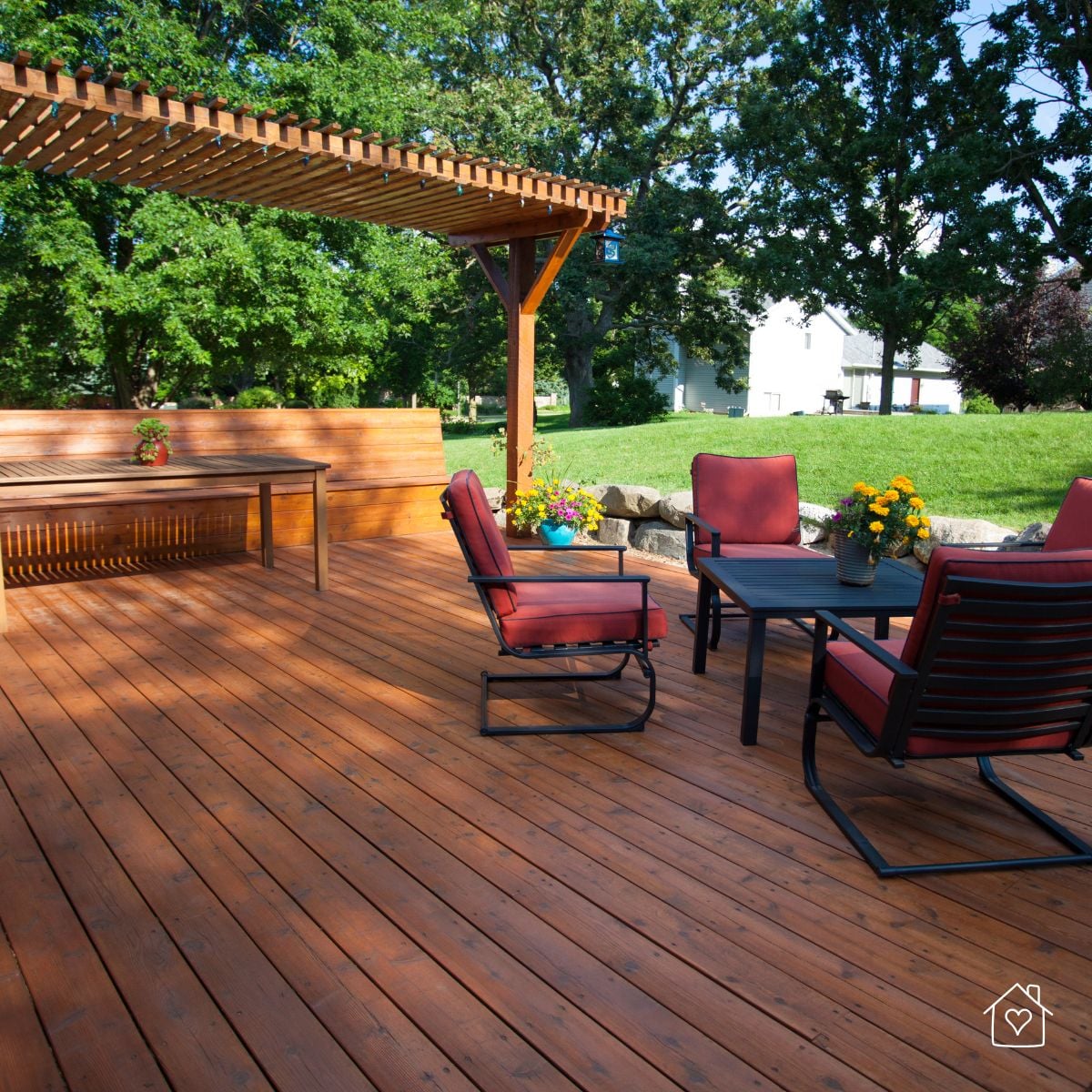
How to Set Up a Dog-Friendly Backyard?
My three rescues came with a little extra baggage of their own... noise sensitivity, unfamiliar smells that spook them out of nowhere, a habit of testing every fence like it might have a weak spot (spoiler: sometimes it did). A backyard that actually works for dogs like mine takes a bit more thought than tossing a ball out the door and hoping for the best.
The good news is that most of the fixes are simple. You don't need to gut your whole yard and start over. You need a handful of intentional choices, made once, that keep paying off every single time the dogs go outside.
From time to time, articles on The How-To Home may reference third-party websites, businesses, products, services, or review platforms as part of editorial research. When evaluating companies or services, we may consider publicly available information such as customer reviews, business websites, service offerings, licensing information when available, and overall relevance to the topic.
1. Secure Fencing and Boundaries
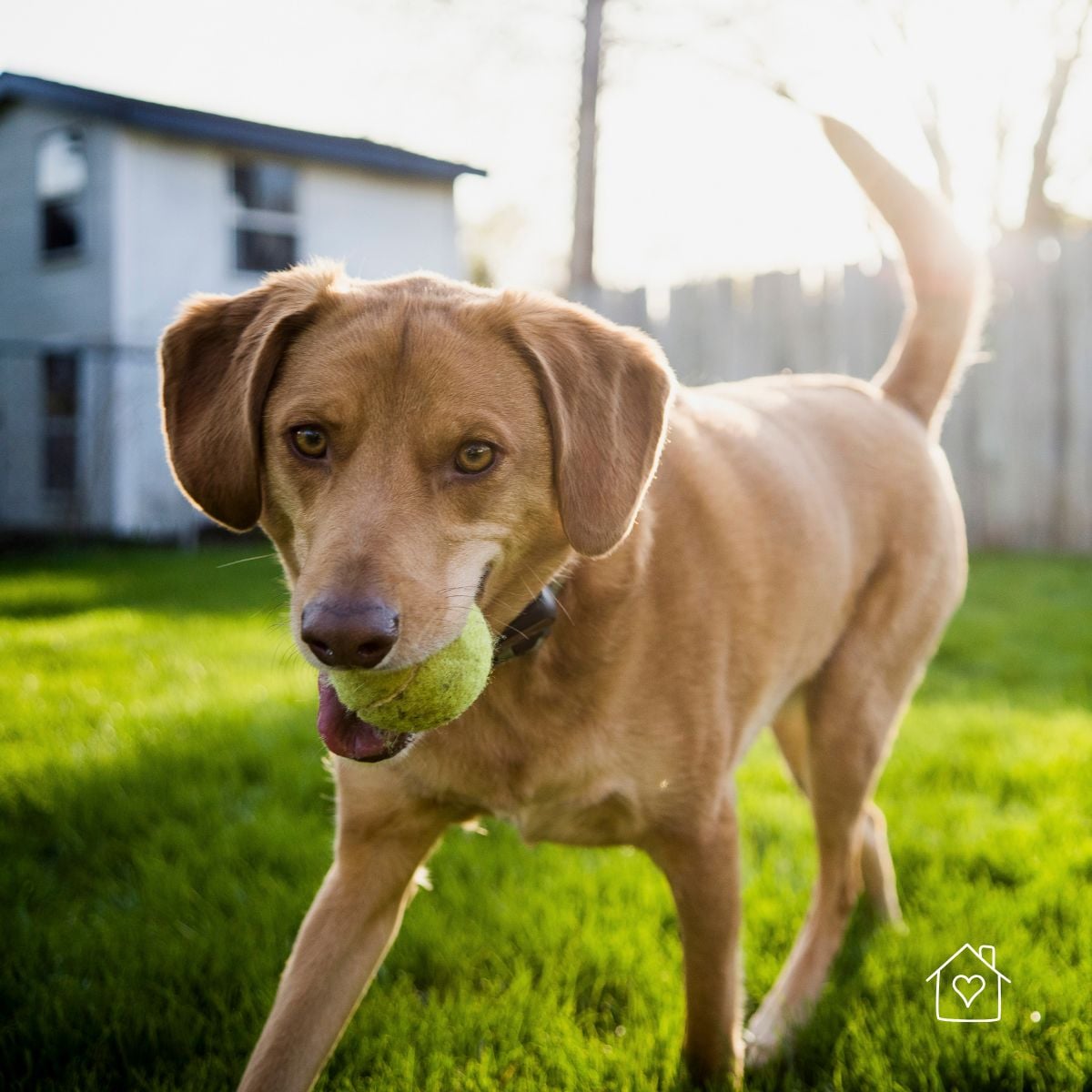
Walk the perimeter of your yard like you're the dog looking for a way out. Check for gaps under fences, loose boards, gate latches that don't quite catch. Rescue dogs especially love to test their boundaries in the first few months, so a fence that "should" hold isn't the same as one you've actually confirmed holds.
Pay attention to digging spots too. If a dog has already started working at one corner of the fence line, that's not a coincidence... that's information. Bury chicken wire flat along the base of the fence, or add pavers, and it'll stop the habit faster than any amount of scolding ever will.
Gates deserve their own gut check too. A self-closing hinge and a latch that locks automatically can save you from the one moment somebody forgets to double-check it.
If you're introducing a newly adopted dog to the yard for the first time, do it on a leash for the first week or two, even with a fence you trust. It gives you a chance to see how they react to the space before handing them full freedom in it, and it catches any fence weaknesses before the dog does. Our guide to socializing a new dog covers that same slow-introduction approach in more depth, whether you've adopted a puppy or an older rescue.
2. Choose Plants That Won't Land You at the Vet
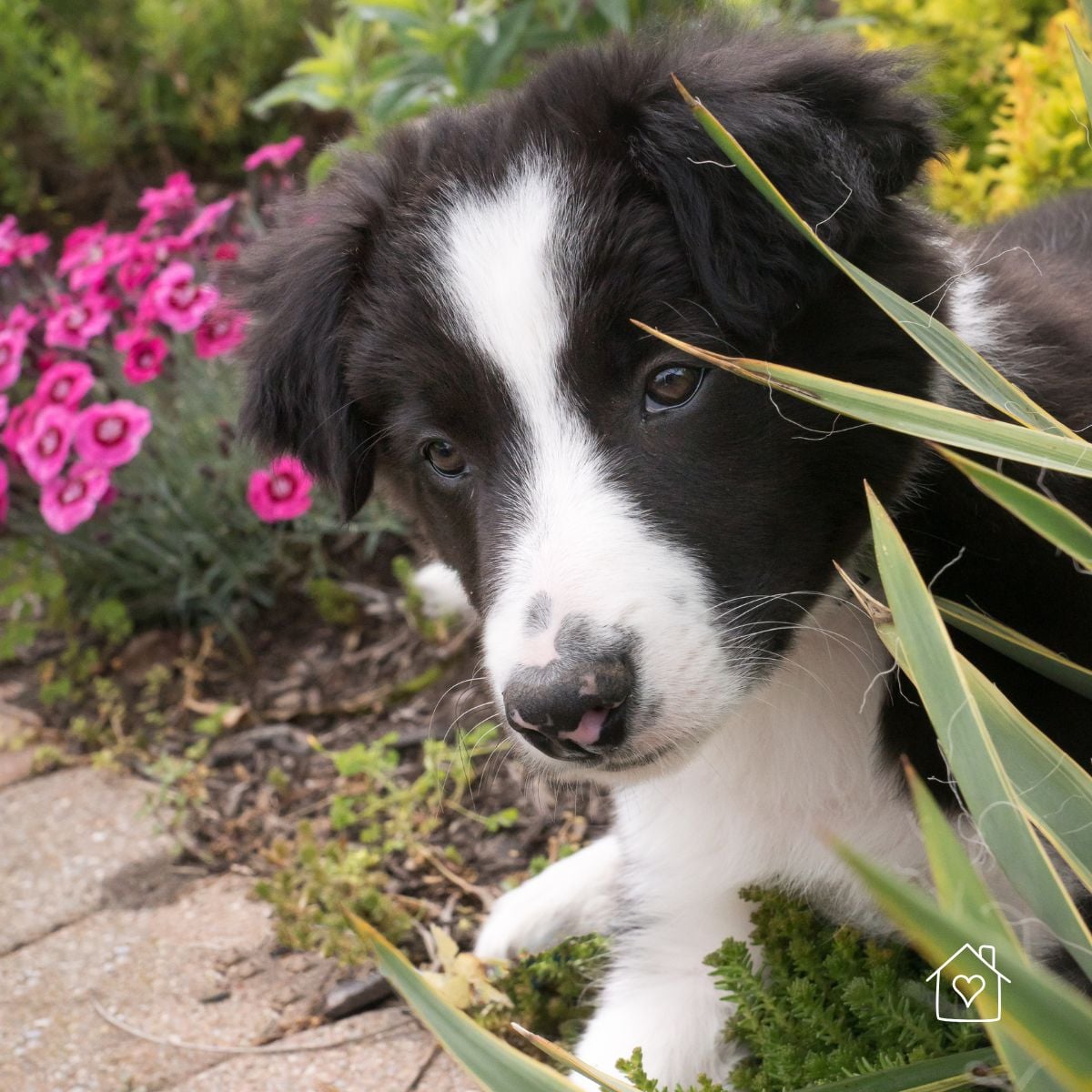
Landscaping choices matter more than most of us realize. Some common backyard plants, including azaleas, sago palms, and certain lilies, are toxic if a dog chews or eats them. That's a new check worth adding before you plant anything new... a quick search for "pet safe" alongside the plant name. Our pet-safe plants guide was written with houseplants in mind, but most of the same offenders show up in outdoor beds too, so it's worth checking against before you dig.
Mulch is another sneaky one. Cocoa mulch smells appealing to dogs but contains the same compound found in chocolate, which makes it genuinely dangerous if eaten in any quantity. Cedar or pine mulch is a safer swap that still looks good.
If your dog is a digger or a chewer, raised garden beds with a barrier around them keep the temptation a little further out of reach.
3. Watch for Seasonal Hazards Too
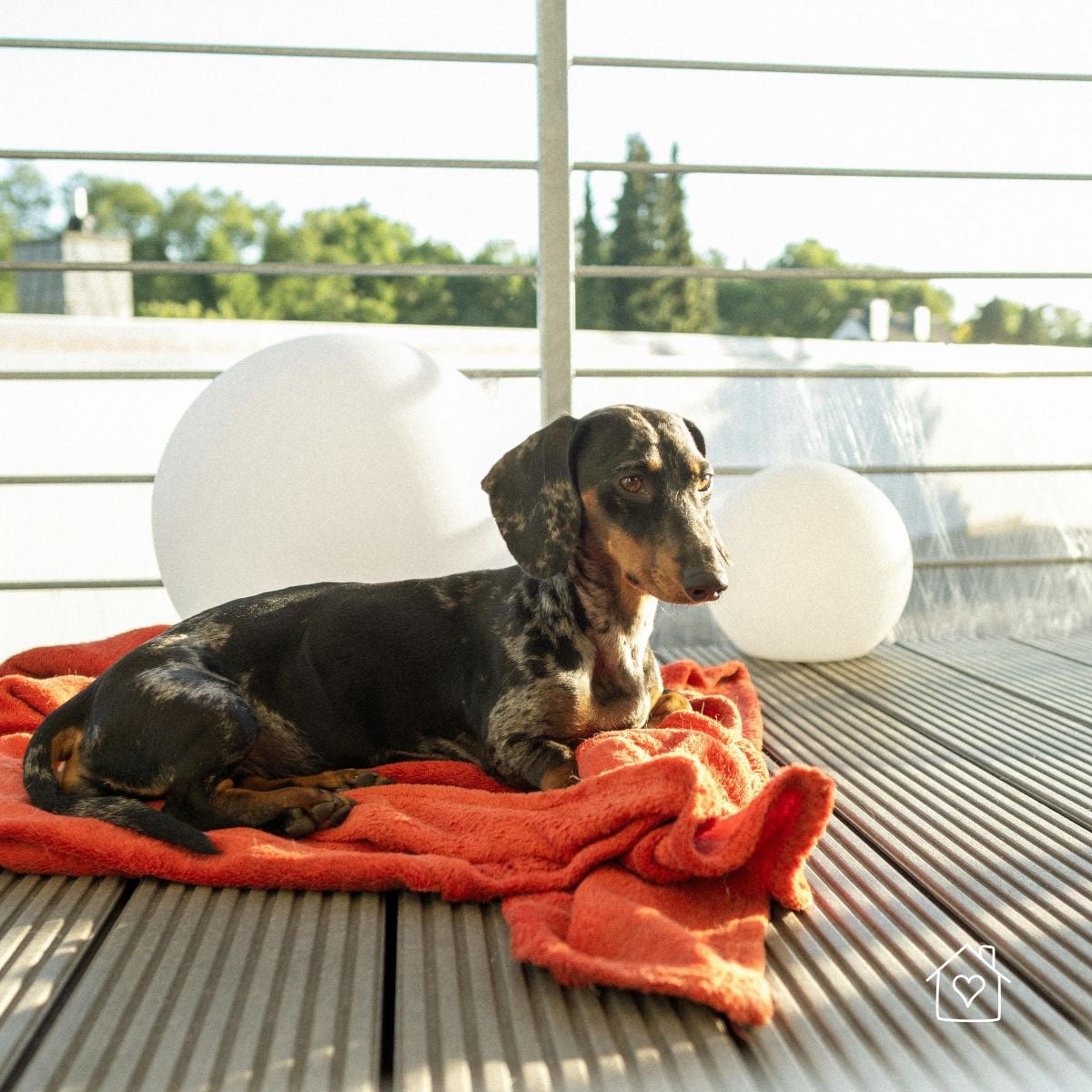
Plants aren't the only thing that changes with the seasons. In summer, pavement and dark decking can get hot enough to burn paw pads long before it feels uncomfortable to your bare feet. My rule of thumb... if I can't hold my hand on a surface for five seconds, it's too hot for the dogs to walk on.
Winter brings its own version of the same problem. Ice melt products left on walkways or patios can irritate paws and cause stomach upset if licked off afterward. Pet-safe formulas exist, and they're worth the extra cost if you live somewhere that gets real winters.
4. Build in Shade, Water, and a Place to Rest
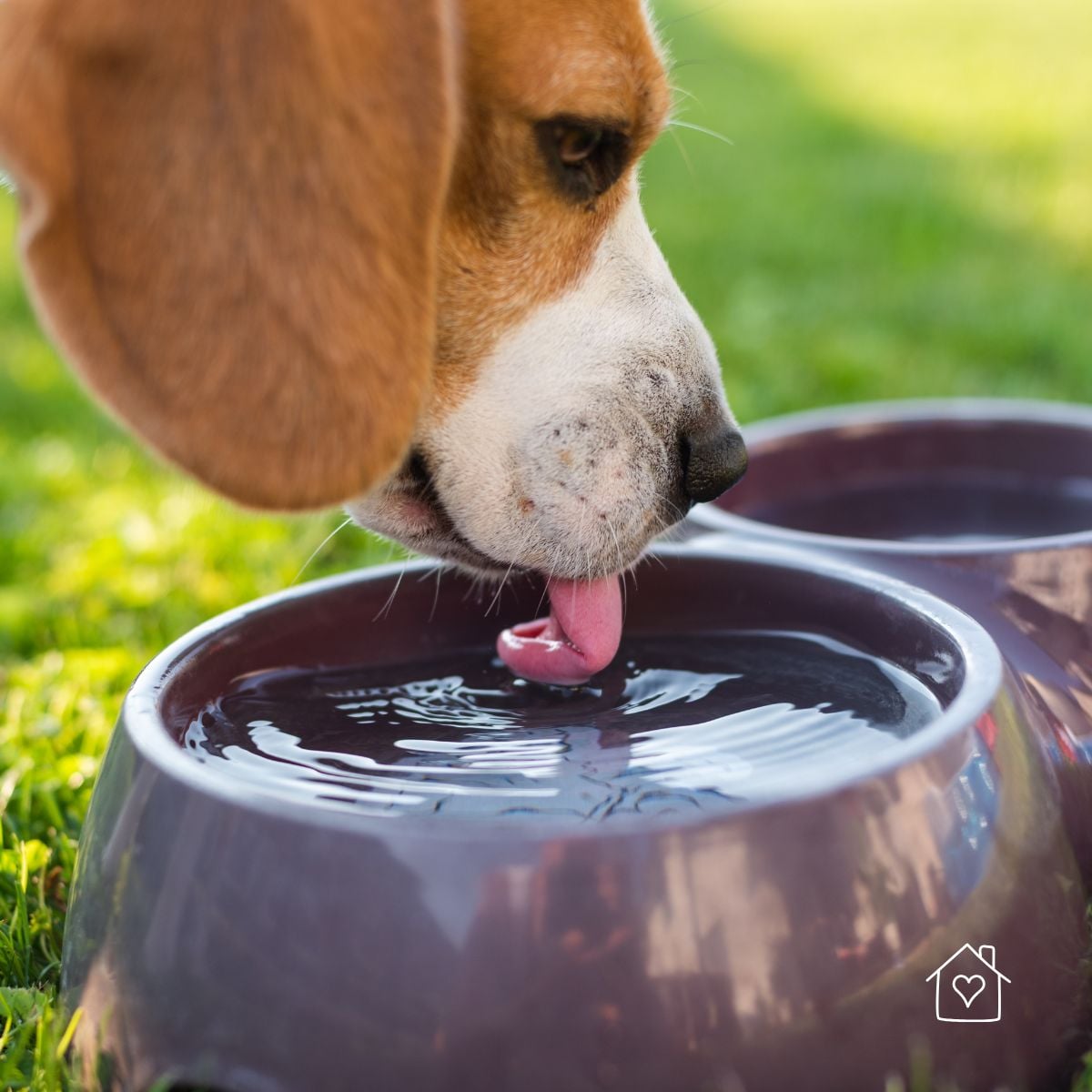
A dog-friendly backyard isn't only about the hazards you've removed. It's just as much about the comfort you've added. Start with a shade sail, or just a spot under a mature tree.
A dedicated water station, refreshed daily, keeps dogs from drinking whatever's pooled in a corner of the yard (and trust me, they will find it if you don't). And if your dog is a digger by nature, give them a designated digging pit, filled with sand or soft dirt, to redirect that instinct toward something you don't mind them wrecking.
5. Keep the Yard Low-Maintenance So You Enjoy It
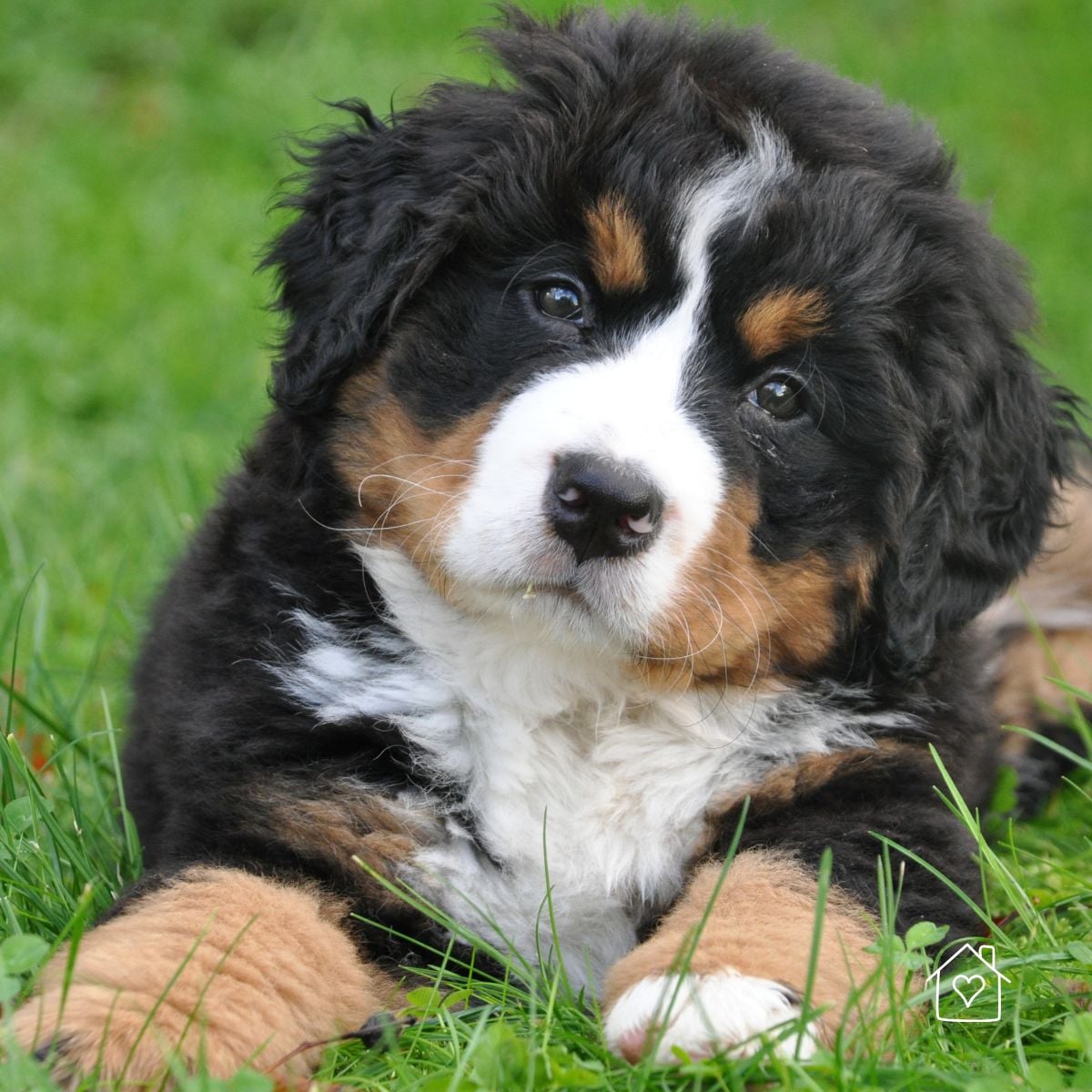
A dog-friendly yard only works if you can actually keep up with it. Between walks, vet visits, and the general chaos of pet ownership, yard work is usually the first thing that slides.
This is where I've come to really appreciate what autonomous lawn mowers can take off your plate. I switched to a Segway Navimow last year mostly because I was tired of mowing around dog toys and holes, and the time it freed up on weekends ended up being the real surprise. It runs its schedule quietly in the background while I'm inside doing literally anything else.
What matters more for a dog household, though, is how it behaves around the dogs themselves. Segway's models use onboard sensors that detect
If you're on the fence about investing in one of the newer autonomous lawn mowers, dog ownership is honestly one of the better reasons to do it.
6. Give Them Room to Play and Explore
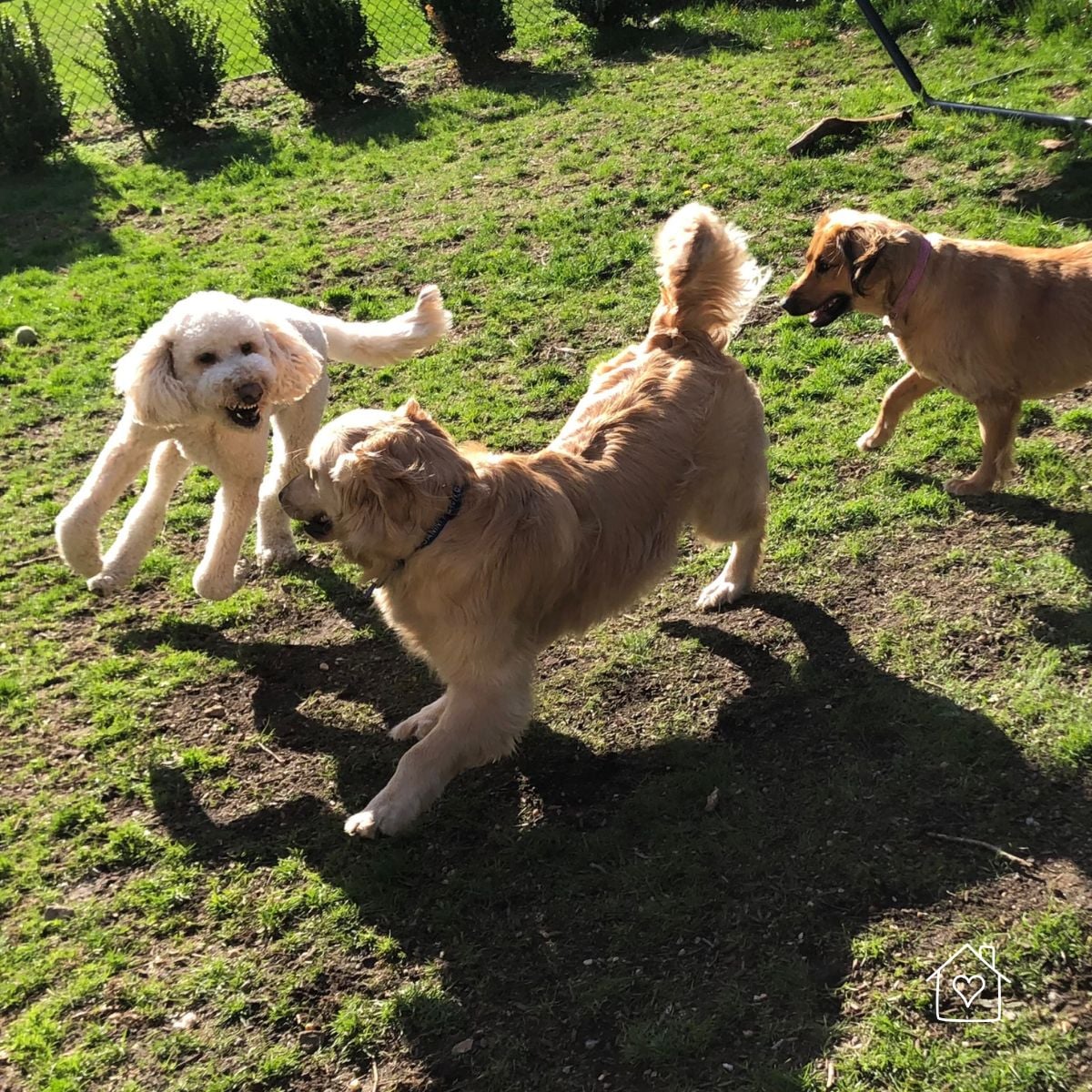
Dogs, especially rescues who are still settling in, do better with some structure in how the yard is laid out. A designated play zone, separate from garden beds or delicate landscaping, gives them somewhere to run and wrestle without you wincing every time. Our ideas for unused backyard space cover that same kind of zoning, just applied to people, and the two mix well when you're planning where each part of the yard should live.
A sniffing patch of taller grass or varied plants along one edge also gives them something to explore at their own pace... which is its own kind of enrichment.
A well-placed dog run along one side of the yard also gives high-energy dogs a legitimate outlet, especially if you've got more than one dog who likes to chase.
Final Thoughts
A dog-friendly backyard isn't only about the dogs, not entirely. It's about building a space where you both get to relax... without one of you constantly on alert and the other buried in yard work every weekend.
My three rescues never needed anything fancy. They needed a safe yard, a little bit of shade, and someone willing to sit outside with them once in a while. Everything else was just details.