How to Transition Your Child from a Car Seat to a Booster Seat Safely
As a parent, your priority is to keep your child safe, especially when they are in your vehicle. That's where baby car seats come in. These seats secure your baby during transits.

This keeps your mind at ease until they outgrow it. Kids grow quickly, and to ensure their continued safety, you will need to transition from a car seat to a booster seat. When considering this, keep in mind that switching your child from a car seat to a booster seat too early is risky.
You must also understand that switching from a car seat to a booster seat isn't something that naturally comes to a child. In this article, we're going to discuss how you can help your child transition safely and comfortably.
*This post may contain affiliate links and I'll earn a commission if you shop through them. You can read my full disclosure here.
Understanding Booster Seats and When Kids Are Ready for Them
Each child's age bracket has an appropriate car seat, as their needs change as they age. As they grow, booster seats come into play.
Booster seats are a great option for children who have outgrown rear and/or front-facing car seats but aren't big enough to be safely secured with a regular seat belt.
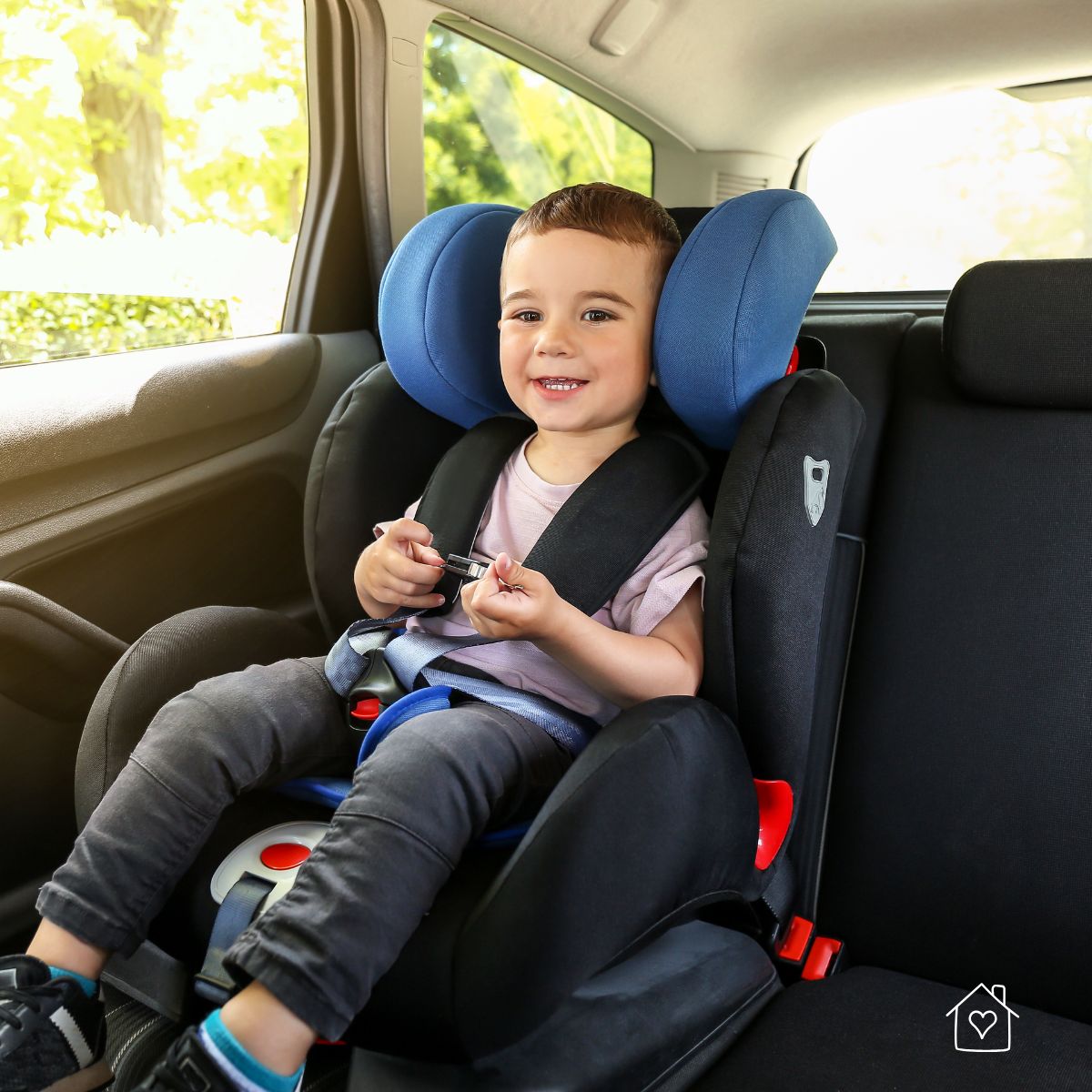
If you're looking for options or want to learn more about safety features, you can explore booster seats here to better understand how they work and which type may suit your child. The gist is that booster seats will raise your child slightly above the level of a car seat.
As such, the car's seat belt will be positioned properly and safely around your child's body. Without a booster seat, the seat belt will be placed across your child's neck and stomach, which is quite unsafe and uncomfortable.
Signs Your Child Has Outgrown Their Forward-Facing Car Seat
The first thing to watch for is the position of the car seat's shoulder straps. Forward-facing car seats harness should be slightly above the child's shoulders. If you notice the harness is already below your child's shoulder, transition to a booster seat.
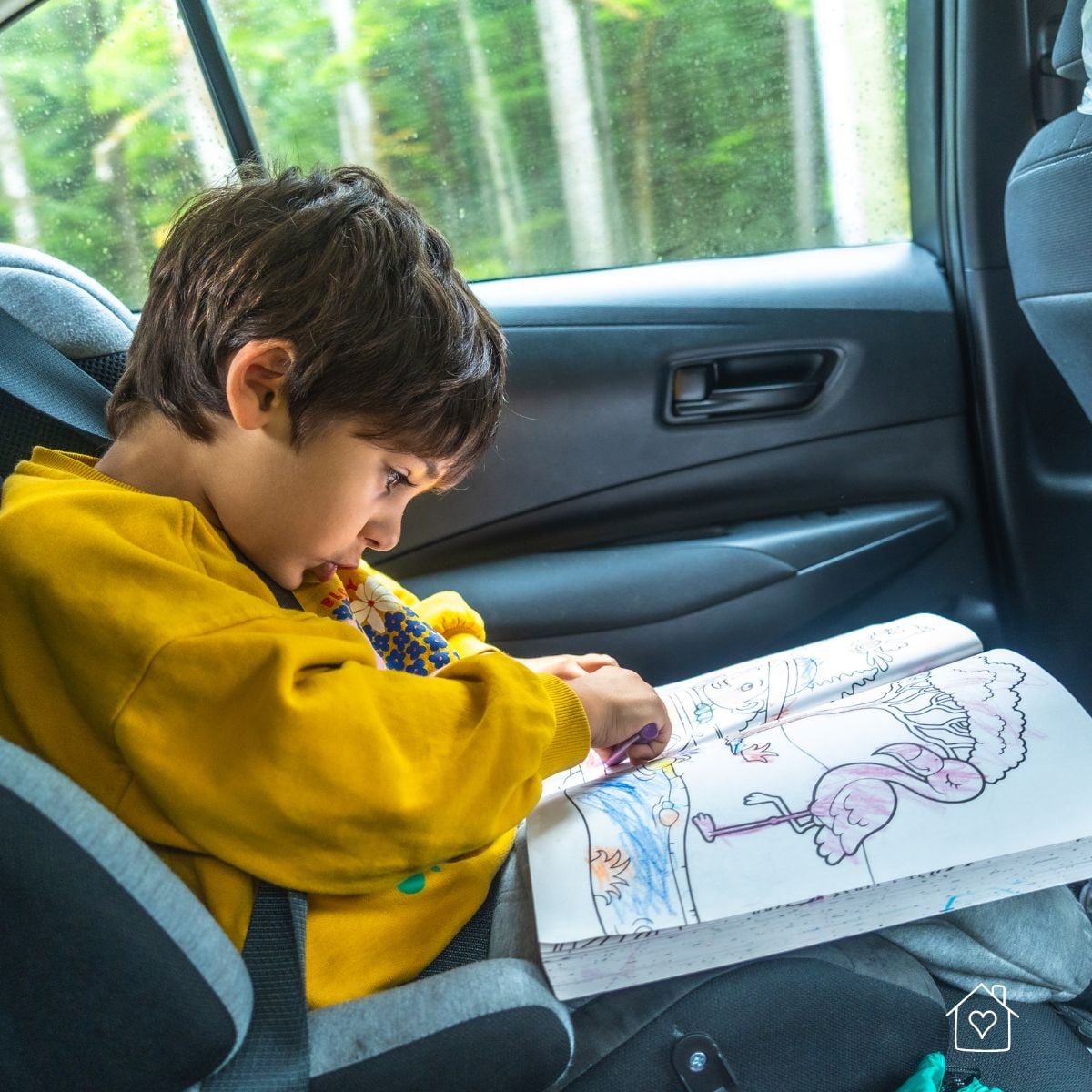
Next, check the car seat manufacturer's recommendations for the car seat you currently have, which is usually based on height. Each car seat has its specific height limits, so knowing these details is important. Once your child reaches the prescribed height limit, you should start considering changing to a booster seat.
You know your child's growth and progress, and you'd be able to tell whether or not your child is still comfortable with their car seats. If you think that they've developed faster than anticipated and are now moving uncomfortably in their seats, then perhaps it's time to make the switch.
On the other hand, if you think that they're still safe and snugly in their old seats, then perhaps you can still hold it off for a few more months until the signs become much clearer.
Teaching Your Child How to Sit Safely in a Booster
Once you have transitioned to a booster seat, the next step is to teach your child how to sit properly in it. Remember that a booster seat's safety is only effective if the child is seated correctly.
Your child should sit upright, with their back against the vehicle seat, facing forward throughout the ride.
The seat belt should also stay in the proper position all the time. The lap belt should be low over the hips or upper thighs, not over the stomach. The shoulder belt must be positioned across the chest and shoulder, not fall off the shoulder or press against the neck.
Remind your kids not to slouch, lean to one side, or put the seat belt behind their back or under their arm. Teaching these small yet crucial habits to your children once will ensure not only their safety but also the effectiveness of booster seats.
The Right Time Makes All the Difference
Although switching from a car seat to a booster seat is a significant milestone, safety should always come first. Select the appropriate seat, establish good behaviors, and wait until your child is actually ready.