Motorized Shades vs. Manual Shades: What’s Worth Your Money?
Homeowners often weigh motorized shades vs. manual shades when updating their windows, and the decision can shape how comfortable a room feels from morning to night. Both types have their purpose. Each one brings its own balance of cost, convenience, and long-term value. A closer comparison helps you see where your money goes and which option fits your everyday routines.
Upfront Costs And What They Include
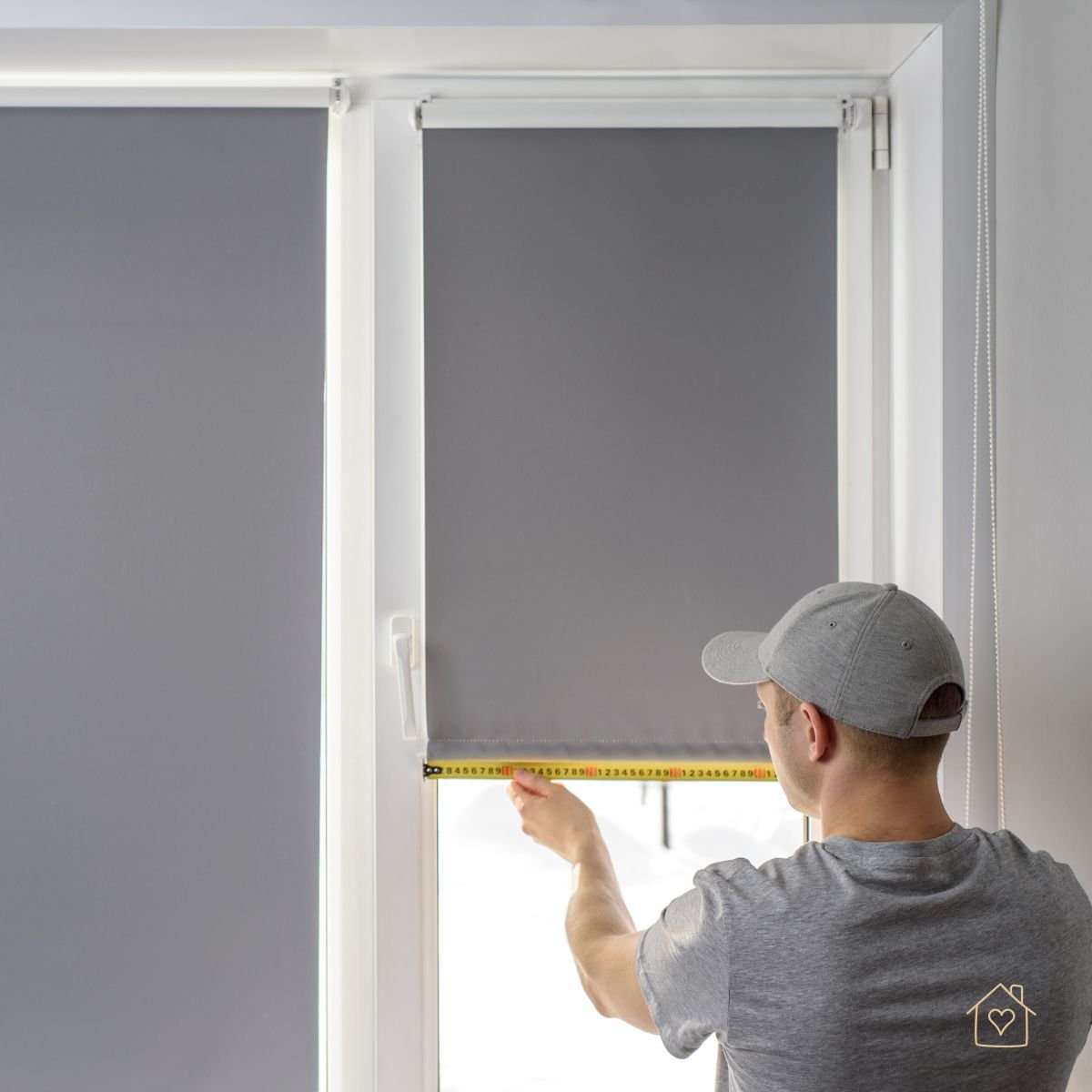
Price is usually the first difference people notice. Manual shades usually fall into a modest range because the hardware is simple and the installation rarely calls for anything more than a few tools and a steady hand. Whether you install them yourself or hire someone to put them up, the project tends to move quickly and stays within a predictable budget.
Motorized shades increase the initial cost. Each unit includes a motor, a control system, and a power source. These pieces add to the total, and some setups require wiring or professional programming. When you move into customized fabrics, wide spans, or large windows, the difference begins to narrow. At that point, the fabric quality itself takes the lead, and the motor becomes one part of a more complete design.
*This post may contain affiliate links and I'll earn a commission if you shop through them. You can read my full disclosure here.
Side-by-Side Comparison of Automated and Manual Shades
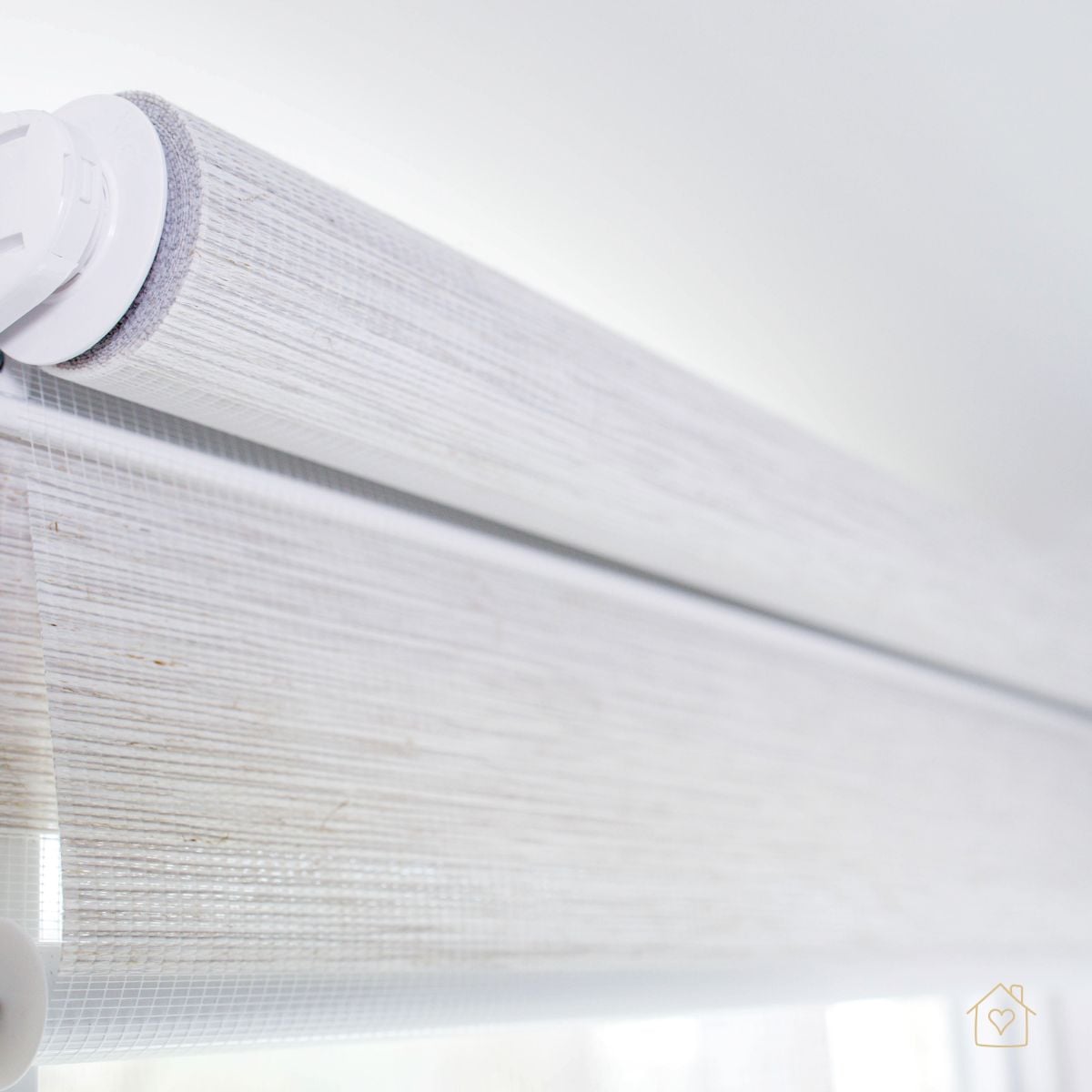
This table outlines how motorized shades and manual shades differ in cost and function.
| Category | Motorized Shades | Manual Shades |
| Price Range | Higher because of motor and control components | Lower and suitable for budget projects |
| Installation | Often needs a pro and sometimes wiring | Simple and often DIY |
| Daily Use | Remote, app, or voice control | Lift cords, chains, or cordless bars |
| Maintenance | Battery changes or motor servicing | Occasional hardware or cord fixes |
| Best For | Large homes, tall windows, tech-focused households | Smaller homes, rentals, tight budgets |
What It Feels Like To Use Them
The day-to-day experience with motorized or manual shades shapes how much you enjoy them. Manual shades give you direct control. You raise and lower them by hand, which works well when the windows are small, easy to reach, and used occasionally.
Motorized shades change that rhythm. A remote, phone app, or wall switch adjusts the entire room at once. Bedrooms feel calmer in the morning when you can soften the light without getting out of bed, especially if you prefer warm and restful spaces where you like to snuggle up this winter. Schedules bring even more control. Morning light can enter naturally while afternoon glare stays out, and the pattern continues on its own.
Benefits Of Motorized Shades
Motorized shades appeal to people who want a simple and smooth experience. These strengths often stand out:
- Easy control of tall or hard-to-reach windows
- Consistent use of shades throughout the day
- Timed schedules for morning, afternoon, and evening
- Cord-free operation that reduces clutter and improves safety
- Compatibility with smart home systems and voice controls
If you prefer to integrate window coverings into a broader smart home setup, many homeowners choose motor shades that pair well with their existing devices.
Benefits Of Manual Shades
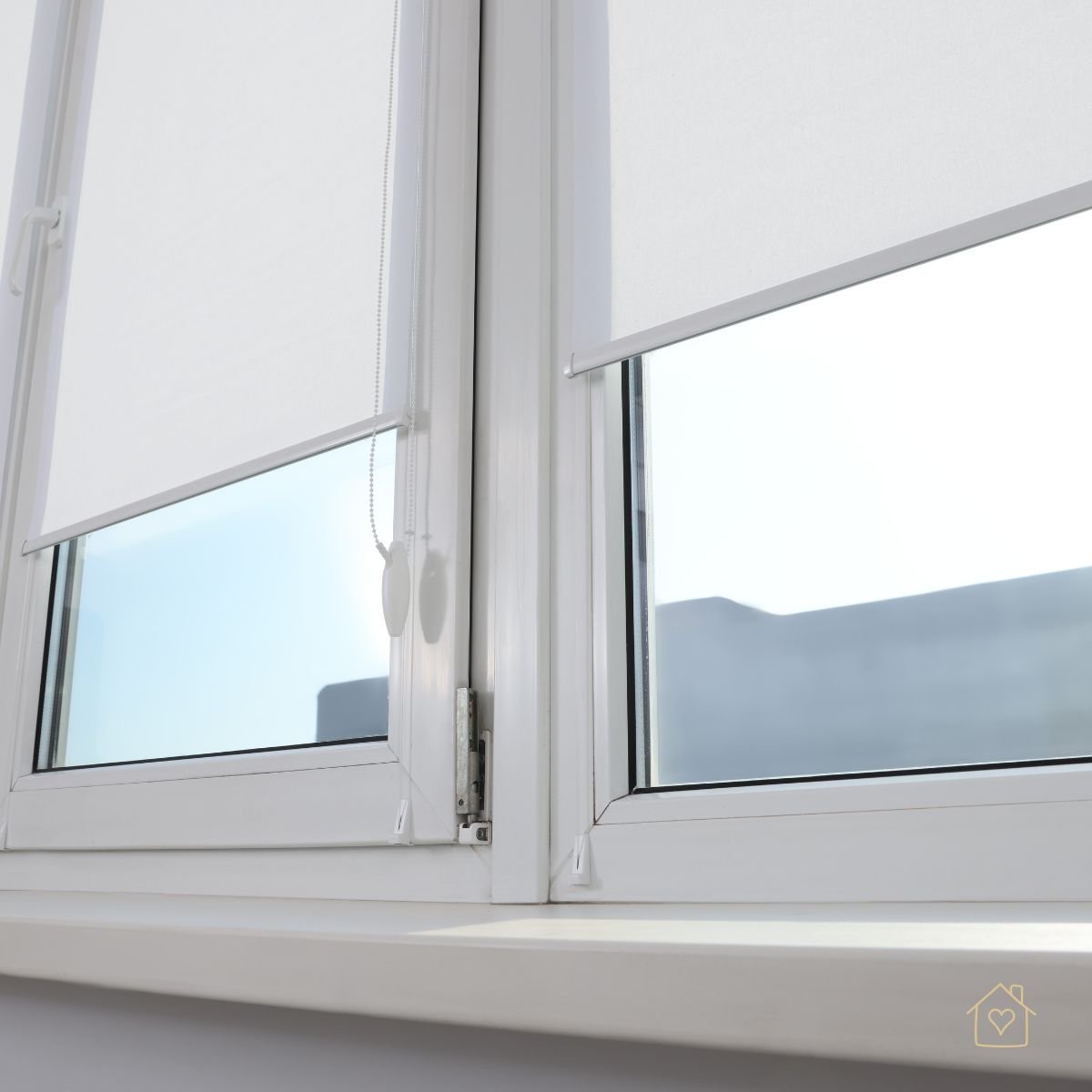
Manual shades remain a strong, practical choice. They work well for rooms that do not change lighting often and for homeowners who need to manage costs closely.
- Lower price for most window sizes
- Straightforward installation and simple hardware
- No motors, batteries, or charging to track
- Reliable use when the power is out
- A good match for rentals, small homes, or shorter-term projects
Decorative details can personalize the space too. Something as simple as a pretty curtain tie-back can add interest without taking attention away from the shade itself.
How They Affect Comfort And Energy Use
Shades influence comfort more than people expect. Sunlight can heat a room quickly, and cold glass can do the opposite in winter. Good positioning helps balance both effects. The guidance around energy efficient window coverings explains that window attachments reduce heat gain during hot weather, limit heat loss during cold weather, and support more consistent temperatures across the seasons.
Manual shades help with this, but only when people remember to adjust them. Many households leave them in one position for days. Motorized shades move more often because they require so little effort. Some even respond to timers or changing daylight, which makes rooms feel steadier without much thought.
Airflow also shapes indoor comfort. There is a reminder in the EPA indoor air guidance that better airflow helps reduce stagnant air and encourages cleaner air movement. Opening and closing shades at the right times supports natural ventilation and helps rooms feel less closed off, especially when outdoor conditions are mild enough to use the windows.
When Motorized Shades Are Worth The Investment
Motorized shades tend to shine in homes with tall windows, wide glass walls, or strong sunlight. They help people stay comfortable without constantly adjusting things by hand. Households with children or
If you have rooms that heat up quickly or spaces where glare becomes a problem, motorized shades can make those areas more enjoyable throughout the day.
When Manual Shades Are The Right Fit
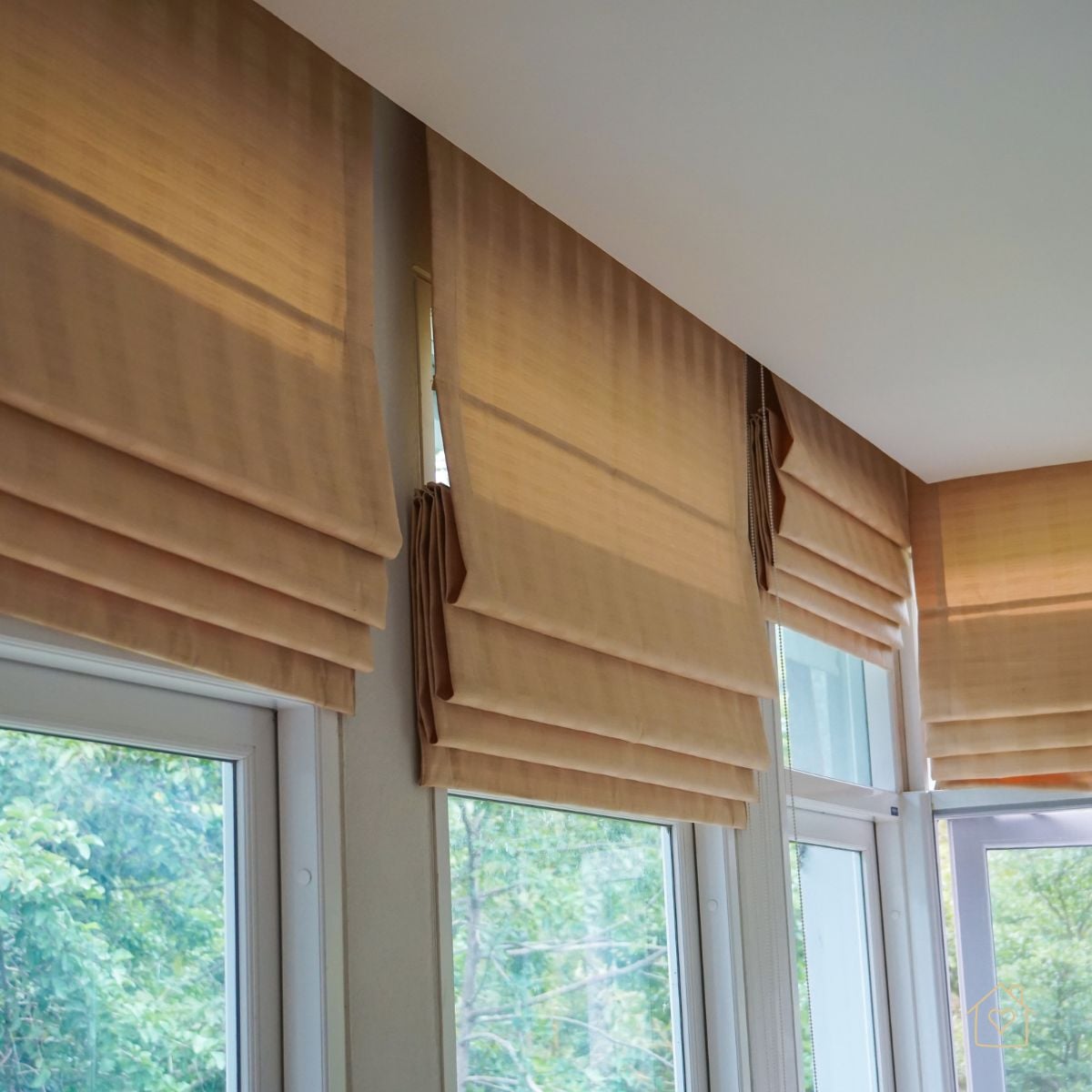
Manual shades remain the sensible choice in plenty of situations. If you only need to cover one or two windows, the price difference becomes hard to justify. Renters also benefit from a simpler design since manual shades are easier to install and remove.
They make sense in homes with small, reachable windows where adjustments are quick. A well-made manual shade still provides privacy, soft light, and steady comfort without raising the project cost.
Combining Both In One Home
You do not need to commit to one type across every room. Many homeowners choose a mix. They use motorized options in high-traffic areas and manual ones in smaller or secondary spaces. This approach manages the budget while giving you convenience where you feel it most.
It also lets you update rooms gradually. If you decide to add more automation later, you can build it one room at a time without replacing everything.
Final Thoughts
Choosing between motorized shades vs. manual shades comes down to how you live, how much convenience you want, and which rooms matter most. Some homes benefit from timers and remote control, while others work perfectly well with simple, hands-on adjustments.