Mulch Keeps Washing Away After Rain? Here’s What Might Be Missing
If your mulch keeps washing away after rain, the problem is rarely the wood chips alone. It is typically a combination of weak containment borders, improper grading, compacted subsoil, and unmanaged roof runoff. This guide explains the core structural elements missing from your landscape and how to stabilize your garden beds permanently.
From time to time, articles on The How-To Home may reference third-party websites, businesses, products, services, or review platforms as part of editorial research. When evaluating companies or services, we may consider publicly available information such as customer reviews, business websites, service offerings, licensing information when available, and overall relevance to the topic.
To solve chronic washout, you must control surface water velocity and establish clear physical boundaries. Installing robust garden border edging provides a critical vertical barrier that blocks soil and mulch migration. By understanding how water moves across your property, you can move from short-term fixes to a more stable, long-term solution.
Quick Scan: Why Your Mulch is Washing Away
- Weak or missing edging: No vertical barrier to stop lateral water movement.
- Lightweight mulch: Buoyant materials that float and drift easily.
- Compacted soil: Hard ground that refuses to absorb water, creating heavy surface runoff.
- Direct downspout discharge: High-velocity water blasting directly into planting beds.
- Bare slopes: A lack of root support to slow down moving water.
Why Edging Matters More Than Most Homeowners Think
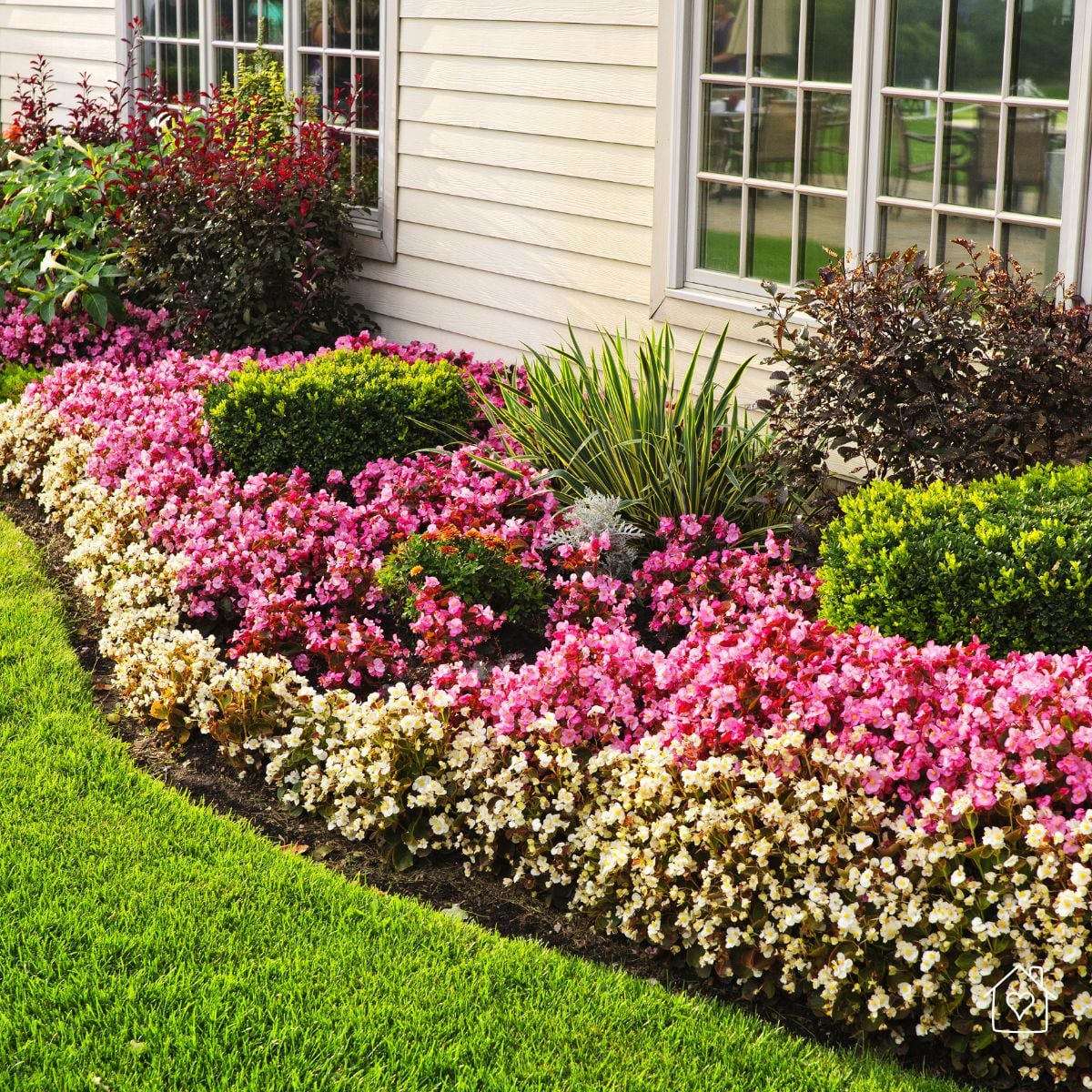
A frequent landscape design flaw is building garden beds that sit completely flush with adjacent lawns, sidewalks, or driveways. Without a dedicated vertical perimeter, surface runoff moves completely unimpeded, carrying your ground cover with it.
The Failure of Spade-Cut Edges
Hand-dug trenches or spade-cut edges provide temporary separation but fail during heavy storms. These shallow trenches quickly fill with eroded silt, leaves, and decomposing organic debris. Within months, the trench disappears, creating a smooth ramp that allows rainwater to sweep mulch directly onto your turf or hardscapes.
Benefits of Heavy-Duty Physical Edging
Solid, commercial-grade edging acts as a protective retaining dam. When surface runoff moves toward the perimeter of a garden bed, it hits the solid barrier, which slows down the water velocity. This drop in speed forces the water to shed its energy and drop any suspended mulch particles back into the bed. For reliable containment during peak storm surges, the border should sit at least two inches higher than the top of your mulch layer.
Why Some Mulch Types Wash Out Faster Than Others
Low-weight, rounded materials are highly susceptible to erosion. The weight, shape, and surface texture of your ground cover dictate how well it resists displacement during a storm.
The Danger of Large Bark Nuggets
Large bark nuggets decompose slowly, but their high volume-to-weight ratio makes them incredibly buoyant. Because they feature smooth, rounded edges, they roll easily when pushed by water and fail to mechanically lock together, causing them to drift away in minor storms.
Why Shredded Hardwood Resists Washout
Double- or triple-shredded hardwood is highly resilient against storm runoff. The shredding process creates long, jagged, stringy fibers that naturally interlock when spread and watered down. This creates a cohesive, woven mat that behaves as a single unit, making it far more difficult for flowing water to lift or separate individual pieces.
Utilizing Inert Materials in High-Flow Zones
In high-velocity runoff channels, organic mulches will always fail. Replacing wood chips with heavy decorative stones, river rocks, or crushed gravel provides the physical mass required to withstand intense hydraulic pressure without shifting.
The Hidden Impact of Subsurface Grading and Soil Absorption
What lies beneath your ground cover directly impacts how much water pools on the surface. If the underlying substrate behaves like concrete, water volume will quickly overwhelm the bed.
The Slip-and-Slide Effect of Landscape Fabric
Placing smooth plastic sheeting or thick weed-control fabrics directly under a thin layer of wood chips triggers severe erosion. These synthetic materials eliminate surface friction. When rain penetrates the mulch layer, it hits the slick fabric and sheets downward, carrying the loose wood chips along with it.
Combating Subsoil Compaction
Compacted clay soils have dense, tightly packed pore spaces that reject water penetration. Instead of sinking down into the subsoil, rainwater immediately pools, turns into a muddy current, and lifts the mulch. Incorporating organic compost and mechanically aerating garden beds before applying mulch reopens the soil structure, maximizing water absorption directly into the ground.
How Concentrated Roof Runoff Destroys Garden Beds
Often, the primary cause of severe localized washout is not uniform rainfall, but rather concentrated torrents collected by your roof and channeled directly into your landscape beds.
The Destructive Downspout Impact
A downspout that discharges directly into a mulched garden bed acts like a high-pressure hose. The water exits the pipe with intense velocity, carving deep channels into the soil and blasting away all ground cover within its immediate impact zone. Similarly, homes without functional gutter systems create a high-altitude sheet line of water that continuously pounds the garden beds below.
Mitigation Strategies: Splash Blocks and Creek Beds
To protect these high-impact zones, you must armor the landing area. Placing wide, heavy splash blocks or concrete pads at downspout exit points breaks up the concentrated stream and disperses its energy. For major drainage pathways, constructing a dedicated dry creek bed using a mix of large river boulders and medium cobblestones creates a durable, non-erodible highway that safely channels stormwater away from planting zones.
Why Plant Roots Help Hold Mulch in Place
Open, unplanted expanses covered exclusively by loose wood chips invite surface water to build up velocity. Incorporating strategic, dense plantings creates natural structural barriers against water movement.
How Root Networks Bind the Soil
Plants with deep, fibrous root networks act as a stabilizing net beneath the surface. They hold the subsoil together and prevent subsurface erosion. Additionally, as roots grow and expand, they naturally loosen the earth, creating micro-channels that accelerate water infiltration rates during heavy downpours.
Groundcovers as Hydraulic Speed Bumps
Planting dense, low-growing groundcovers or ornamental grasses in staggered patterns establishes physical speed bumps across the path of surface runoff. These living barriers disrupt horizontal water flow, stripping the current of its velocity and forcing the water to drain into the ground rather than carrying away the surrounding mulch.
A Step-by-Step Rebuilding System for Washout-Proof Beds
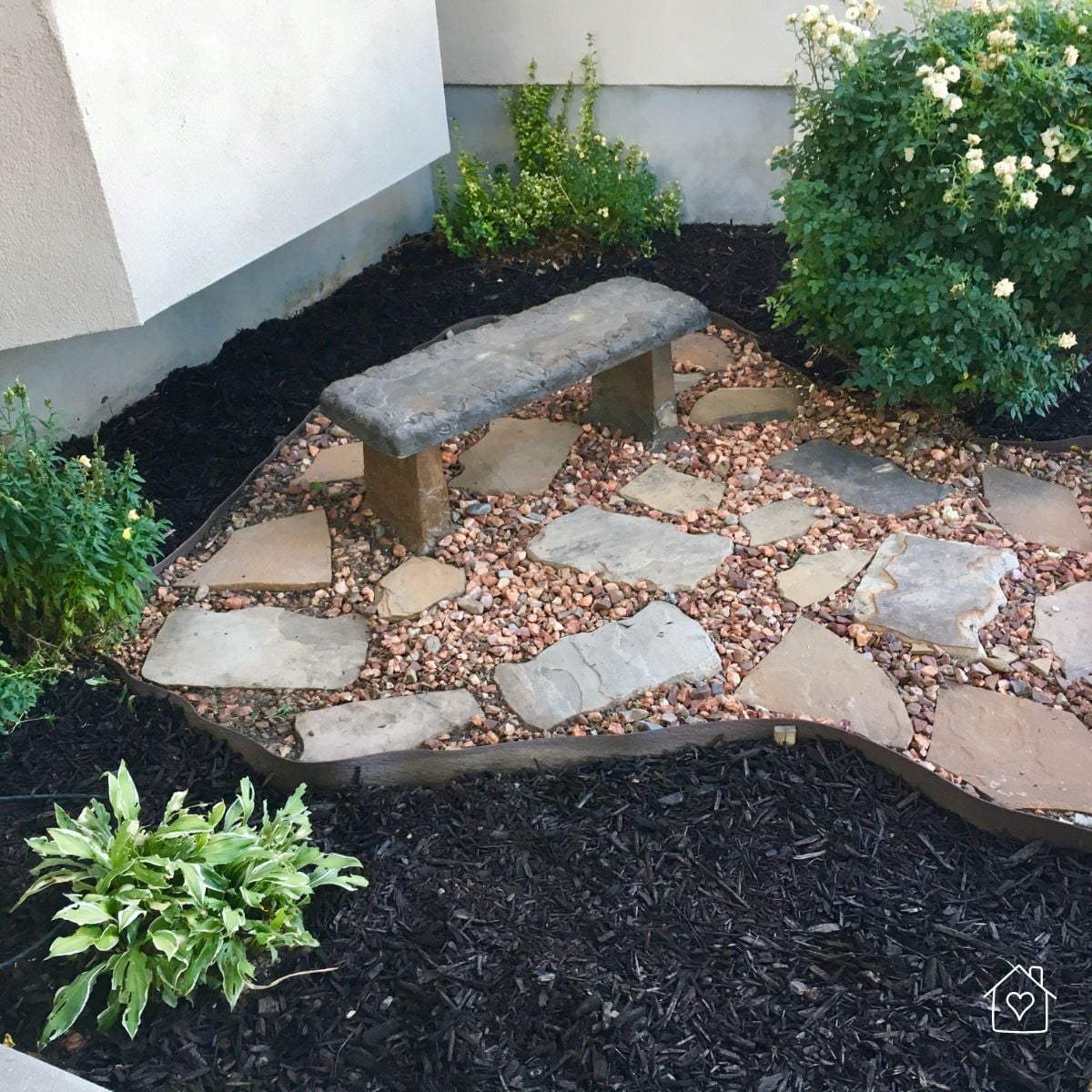
If your current garden bed configuration consistently fails during rainstorms, use this systematic approach to rebuild the area for long-term stability:
- Step 1: Correct the Subsurface Grade
Rake back existing mulch and evaluate the underlying soil slope. The grade must slope gently away from your home's foundation at a minimum 2% slope (a two-inch drop for every ten feet). Fill any low spots where water pools. - Step 2: Install Rigid Containment EdgingExcavate a clean trench along the bed perimeter and secure heavy-duty border edging using deep grounding stakes. Ensure the top lip remains at least two inches above the final mulch line.
- Step 3: Aerate and Amend Compacted Soil
Break up hard clay sublayers with a garden fork or tiller, blending in several inches of organic compost to transform the compacted ground into an absorbent, highly porous sponge. - Step 4: Armor High-Impact Zones
Line the areas directly beneath roof valleys and downspout discharge zones with heavy river rock or gravel to absorb concentrated water impact. - Step 5: Plant Staggered Root Barriers
Position groundcovers and shrubs in alternating, staggered layouts to maximize their runoff-interception capabilities. - Step 6: Apply Interlocking Shredded Mulch
Spread a uniform two- to three-inch layer of double-shredded hardwood mulch. Lightly mist the bed with a garden hose to settle the fibers and lock the woven mat together.
Long-Term Drainage Maintenance
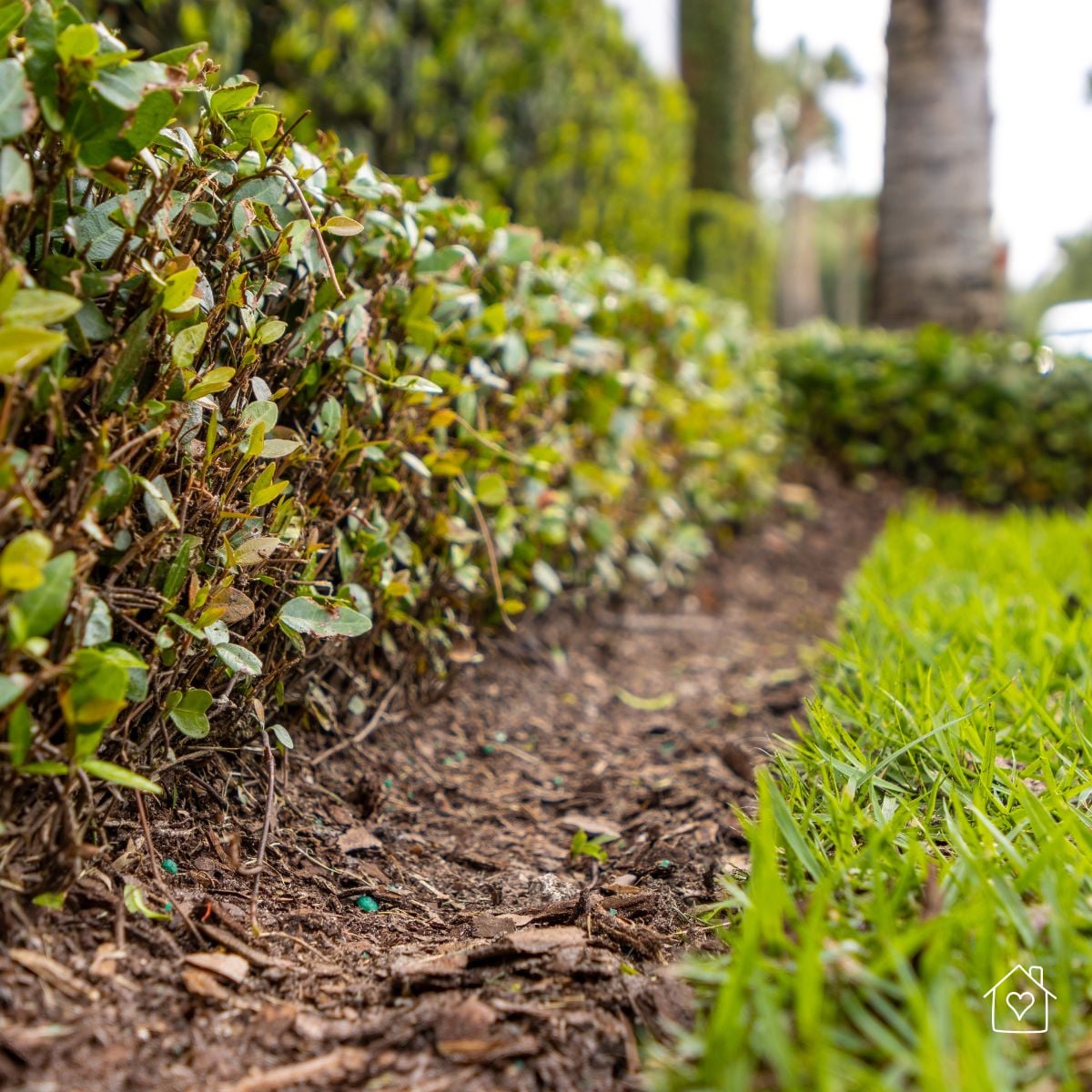
Maintaining a storm-ready property requires regular evaluation of your yard's water management infrastructure. Inspect your garden beds after major storms to identify early signs of erosion, such as small channels or silt accumulation along your borders. Catching these patterns early allows you to make precise grading adjustments before severe washouts occur. Furthermore, keep your gutter systems clean; overflowing gutters create high-altitude waterfalls that destroy any ground cover directly below them.
When properties feature complex slopes, severe low zones, or massive volumes of incoming runoff, surface adjustments alone may not suffice. Managing high-volume runoff requires advanced subterranean infrastructure, catch basins, and strategic site grading. Partnering with a professional drainage company provides access to engineered water management systems and specialized tools necessary to keep your soil, mulch, and foundation completely secure through major storm events.