Storm Season Checklist: What to Inspect, Upgrade and Protect Below Your Home's Foundation
Basements and crawlspaces face heightened risks during storm season, from water intrusion and structural damage to sewage backflow that can compromise both safety and property value. While some vulnerabilities may not be visible until severe weather arrives, property owners can take proactive steps to improve basement systems and reduce the risk of costly damage. A storm-ready home starts with knowing where upgrades can help and which protective measures can provide an added layer of security.
From time to time, articles on The How-To Home may reference third-party websites, businesses, products, services, or review platforms as part of editorial research. When evaluating companies or services, we may consider publicly available information such as customer reviews, business websites, service offerings, licensing information when available, and overall relevance to the topic.
Inspect the Foundation for Vulnerabilities
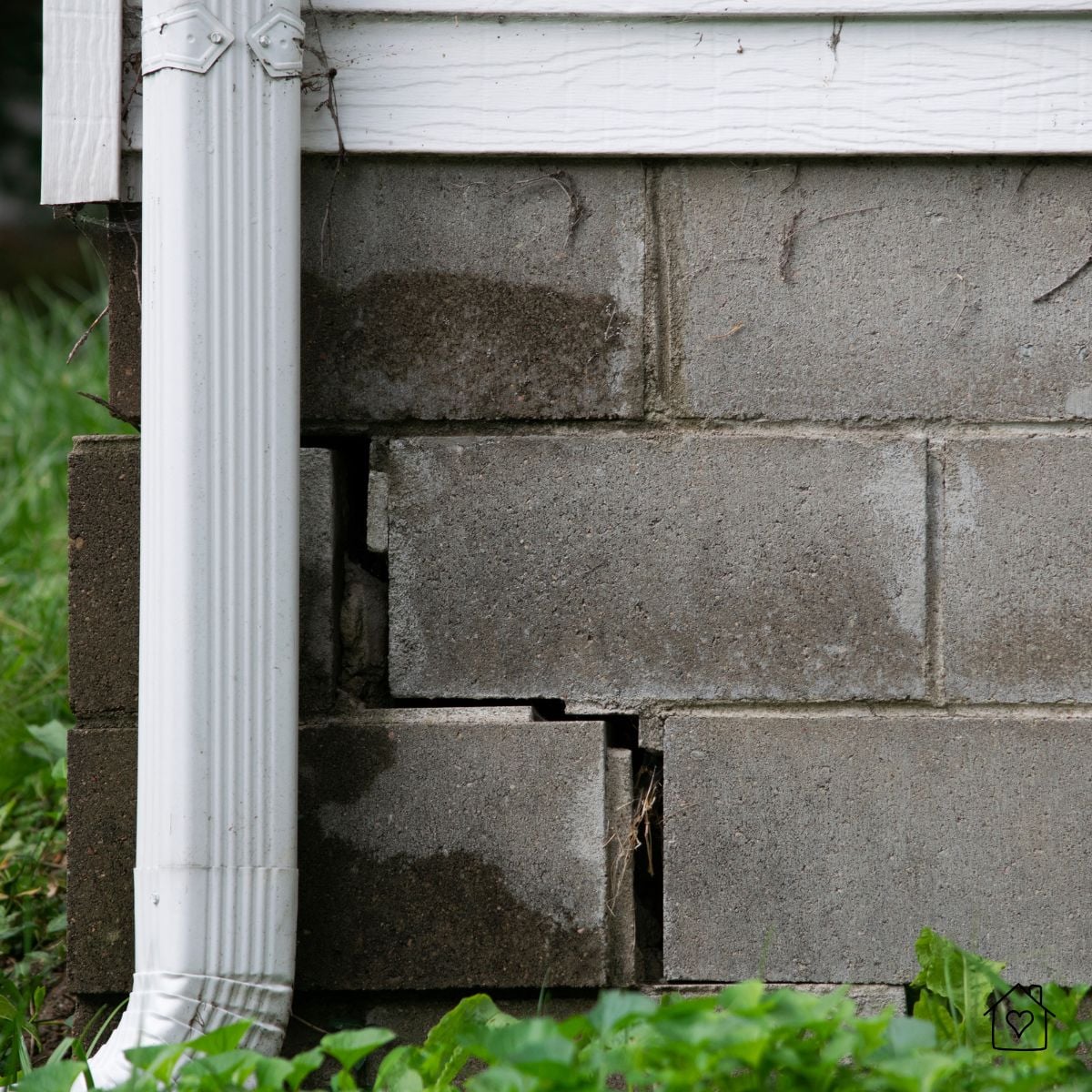
The U.S. experiences approximately 100,000 thunderstorms each year. Heavy rainfall and high winds can cause structural damage related to moisture, pressure or erosion, especially in below-grade areas. Since a strong foundation provides the structural base for the entire home, it's the starting point for preparing for the storm season.
While not immediately alarming, drywall cracks, water stains and uneven floors can indicate an underlying structural concern. Property owners should reach out to a professional foundation inspector for a thorough structural evaluation.
Identifying vulnerabilities during a visual check helps determine whether cracks or movement require further attention. Depending on the condition of the foundation, different professionals can provide specialized assessments.
Homeowners should call different specialists for different assessments:
- Structural engineer: For cracks, shifting, settlement or other structural concerns
- Foundation inspection specialist: For foundation-specific assessments and signs of foundation damage
- Qualified building inspector: For a broader assessment of the property's condition and potential vulnerabilities
Addressing structural concerns before heavy rain or groundwater reaches the basement helps reduce the risk of a bigger problem. Beyond the foundation, improvements to basement bathrooms and preventive measures for managing water intrusion and other storm-related risks are also essential.
1. Upgrade Below-Grade Systems With Star Water Systems
Sewage backflow can become a concern when heavy rainfall overwhelms below-grade drainage systems. To ensure proper drainage and proper waste removal, an upflush toilet or basement bathroom pump system helps move wastewater upward, supporting more reliable below-grade plumbing.
For those seeking the best upflush toilet system for a basement bathroom, Star Water Systems' Powerflush Optima Pro line offers a purpose-built solution to reduce the risk of sewage backflow. Its design makes it a practical option for adding bathroom functionality without extensive concrete work.
Upflush toilets come in different types to suit different plumbing needs. For instance, a basement macerating toilet breaks down waste before pumping it upward to the existing sewer line, making it well-suited for basement bathrooms.
Apart from handling wastewater, a basement bathroom pump system should also work in tandem with waterproofing and leak detection to address water intrusion.
2. Protect Against Water Intrusion With Forte Waterproofing
Water may enter below-grade spaces through foundation cracks, joints, floors or walls. Heavy rainfall can make existing weaknesses more apparent, potentially leading to dampness, mold growth or more extensive water damage. Sealing cracks, joints and other vulnerable points helps create a stronger barrier against moisture before storm conditions intensify.
Forte Waterproofing offers complete basement waterproofing, including interior and exterior crack sealing, wall penetration sealing and foundation wall waterproofing. Its services can help address multiple points of water entry and strengthen below-grade spaces against storm-related moisture.
Taking preventive steps against water intrusion before storm season can help keep below-grade spaces drier when rainfall increases.
3. Detect Water Problems Early With MadisonWater
A slow leak in a basement utility area or a burst pipe can quickly escalate into costly water damage, especially in below-grade spaces where problems often go unnoticed. Early detection gives residents more time to respond before a small leak becomes a larger issue.
Homeowners should consider water detection solutions that provide timely warnings. Smart systems offer added convenience by monitoring high-risk areas and triggering alarms or sending alerts to connected devices when a leak occurs.
For example, MadisonWater provides sensors, real-time notifications and automatic shut-off valves to help detect leaks early and limit water damage. These water leak detection devices are ideal for high-risk spaces such as laundry rooms, under sinks, near water heaters and behind appliances.
4. Consider Flood Insurance Coverage With Neptune Flood
With heavy rainfall and rising water, below-grade spaces face a heightened risk of flood damage. To help mitigate potential losses, the National Flood Insurance Program (NFIP) provides federal flood insurance to property owners in participating communities. Available to residents in 22,600 participating communities, the program covers physical damage to the building, its contents or both.
For those not eligible for NFIP or seeking additional coverage, Neptune Flood provides enhanced flood insurance options for residential, commercial and condominium properties. Depending on the policy choice, coverage can include basement contents, unattached structures, pools and other areas that may not be included under standard coverage.
Reviewing existing policies and comparing available options before storm season can help property owners understand applicable limits, exclusions and additional protections.
Safeguarding a Home's Foundation Before the Next Storm
Storm season preparedness requires a multi-layered approach that addresses structural vulnerabilities, system upgrades and financial protection. Each layer of preparation works together to reduce risk, prevent damage and provide peace of mind when severe weather threatens below-grade spaces. Taking these proactive steps today helps safeguard one of the home's most vulnerable areas before the next severe weather event arrives.