The 2025 Buyer's Guide to Retractable Awning Pricing
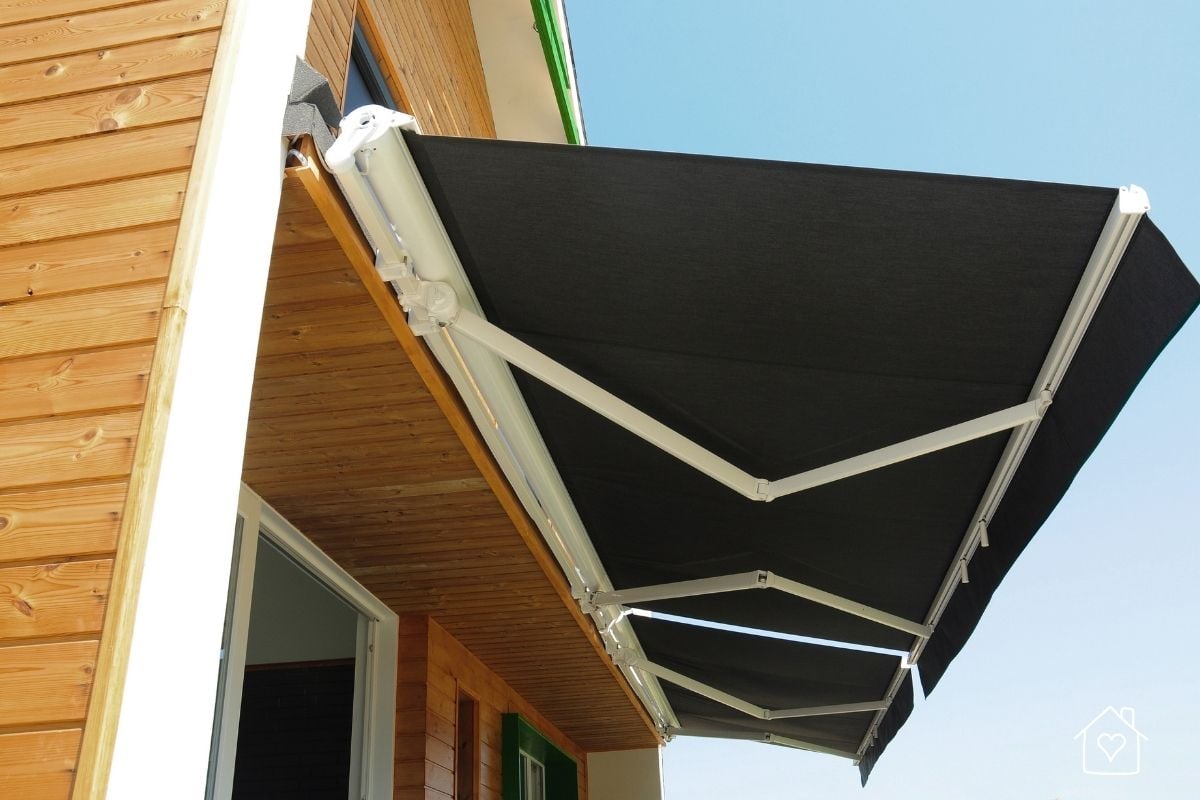
Pricing for retractable awnings has evolved with new materials and smart technology that didn't exist just a few years ago. What used to be straightforward manual fabric systems now include motorization, sensors, and connectivity features that add both functionality and cost complexity to purchasing decisions that require understanding modern options.
Before you commit, it helps to understand what drives the retractable awning cost in 2025 and how to find the best mix of quality and value. Prices vary dramatically based on features, materials, and installation requirements that aren't always obvious when comparing basic quotes that might not include everything needed for complete, functional installations.
*This post may contain affiliate links and I'll earn a commission if you shop through them. You can read my full disclosure here.
Breaking down updated pricing factors, emerging features, and how to plan a realistic budget for your outdoor project helps with understanding retractable awning cost accurately. Modern awnings offer more options than ever, and knowing what's standard versus premium helps buyers make informed decisions rather than discovering unexpected costs after commitments when backing out becomes difficult or expensive.
Current Price Ranges and What's Included in 2025
Basic manual awnings start around $800-$1,500 for smaller sizes with standard fabrics and frames suited for straightforward installations. These entry-level options provide functional shade without advanced features, working well for budget-conscious buyers wanting simple coverage. Prices increase with size, with larger manual awnings reaching $2,000-$3,000 before installation costs get added.
Mid-range motorized systems typically cost $2,500-$5,000 including basic automation that eliminates manual cranking and adds convenience most users appreciate. Remote controls, simple timers, and quality fabrics fall into this category representing sweet spots balancing features and affordability. These systems deliver modern functionality without premium pricing that advanced features command.
Premium awnings with smart-home integration, weather sensors, and high-end materials run $5,000-$10,000 or more depending on size and customization. These top-tier systems include sophisticated controls, commercial-grade components, and designer fabrics that justify premium pricing through performance and longevity. Buyers wanting best-in-class solutions should budget accordingly rather than expecting premium features at mid-range prices.
Material, Motorization, and Customization Costs
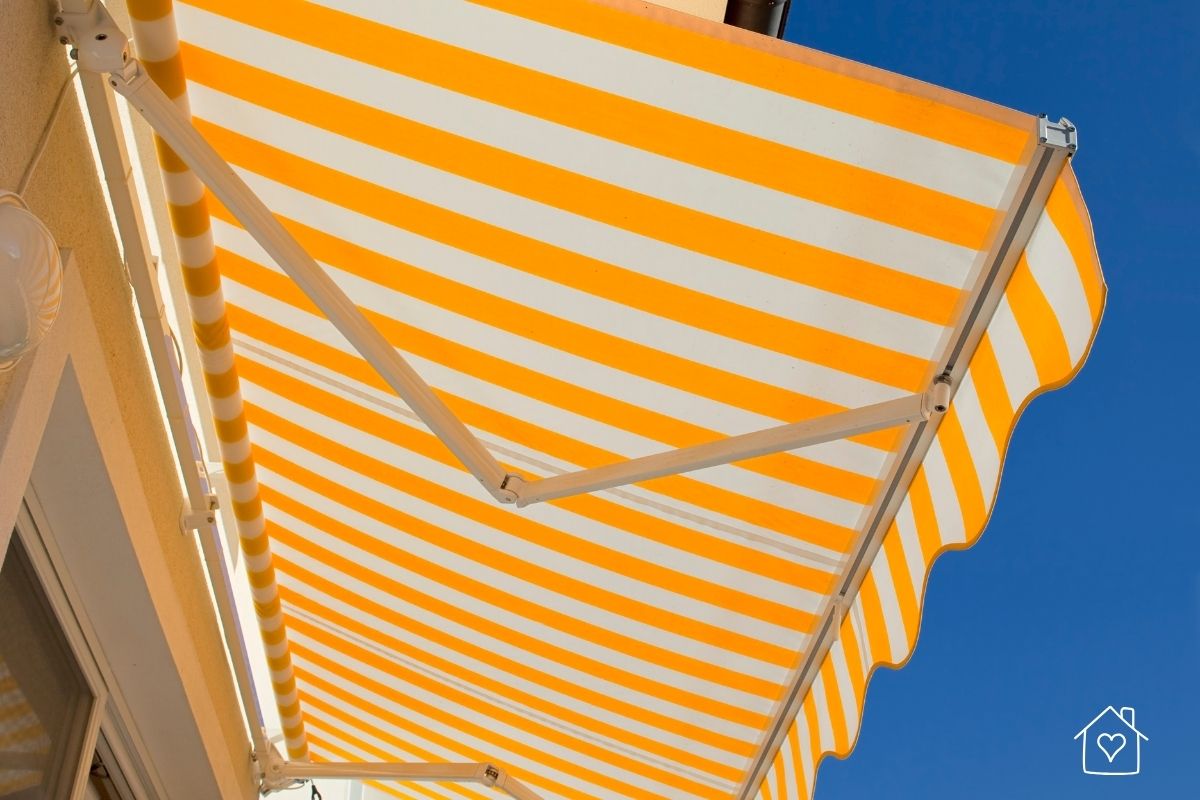

Fabric quality significantly impacts pricing, with solution-dyed acrylics costing 30-50% more than basic polyester blends that fade and wear faster. Premium fabrics resist UV damage, mildew, and weathering far better than budget alternatives, justifying higher costs through longer lifespans. Choosing fabrics means balancing upfront costs against replacement frequency that budget materials require sooner.
Motorization adds $800-$2,000 depending on system sophistication and whether installations include weather sensors or smart-home connectivity. Basic motor kits with remotes cost less than integrated systems connecting to home automation platforms. This upgrade substantially improves convenience and awning longevity through automated retraction protecting from wind damage that manual systems risk when users forget or delay retracting during weather changes.
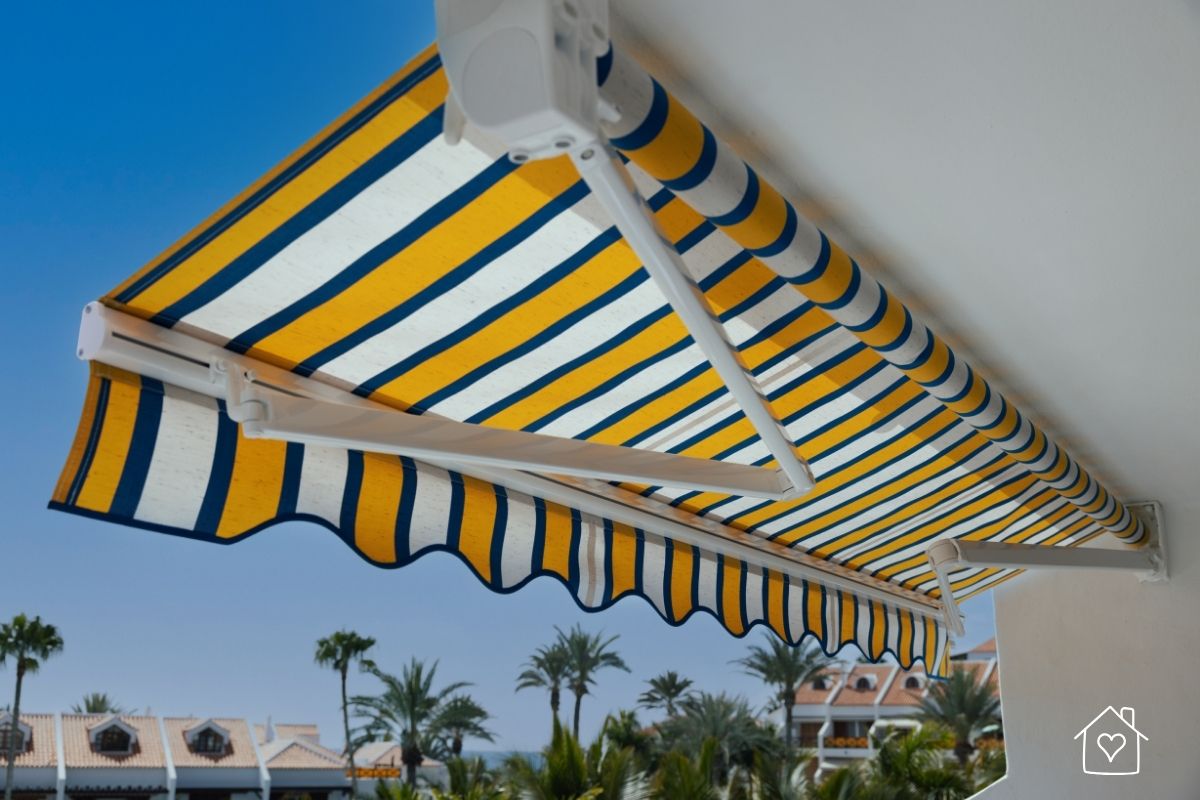
Custom sizes, colors, and features increase costs but deliver precisely what spaces need rather than compromising with stock options. Custom valances, decorative trim, LED lighting, and powder-coated colors all add expenses while creating cohesive designs matching home aesthetics. These customizations typically add 15-30% to base prices but transform generic awnings into personalized outdoor features.
Hidden Fees: Installation, Permits, and Upkeep
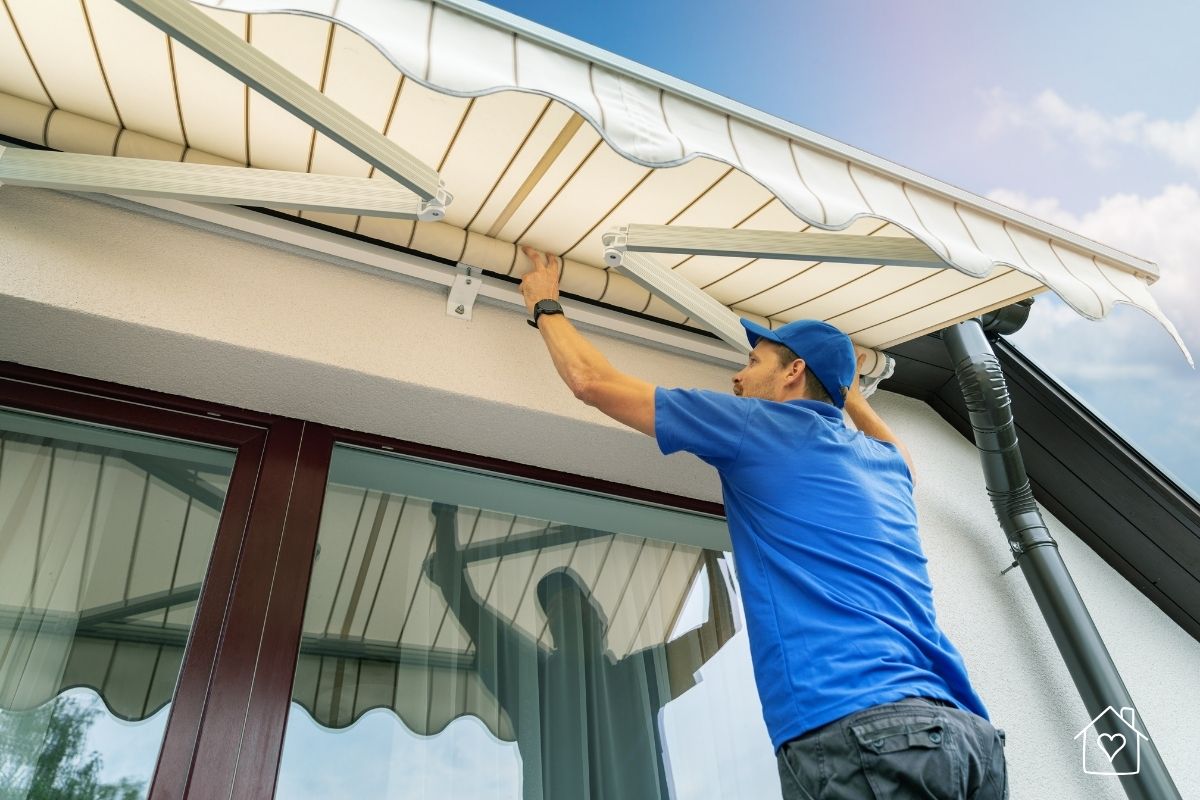
Professional installation costs $400-$1,200 depending on mounting complexity, awning size, and regional labor rates that vary dramatically between markets. Simple wall mounts on wood-frame homes cost less than installations requiring masonry anchors, structural reinforcement, or electrical work for motorized systems. Getting detailed installation quotes prevents surprises when actual costs exceed basic product pricing.
Permit requirements vary by municipality, with some areas requiring approvals adding $100-$300 to total project costs through fees and inspection requirements. Not all locations require permits for awnings, but checking local rules prevents code violations and potential removal orders. Professional installers typically handle permit processes, but verifying this coverage prevents assuming it's included when quotes don't specify permit handling.
Ongoing maintenance costs stay modest but should factor into ownership budgets through annual
Tips for Comparing Quotes and Avoiding Overpaying
Multiple quotes from reputable installers reveal fair pricing ranges while preventing overpaying or choosing suspiciously cheap options that cut corners. Three quotes typically provide sufficient comparison without overwhelming decision-making, showing market rates for your specific project. Significant outliers either indicate problems or exceptional value deserving investigation before dismissing based solely on price differences.
Detailed breakdowns showing material costs, labor, and features separately help identify where money goes and which variables drive total prices. Vague quotes hiding details make comparison difficult and suggest installers who'd rather not explain pricing. Transparency indicates confidence and professionalism that suspicious vagueness never provides regardless of claimed quality or experience.
Warranty coverage and post-installation support matter as much as purchase prices when evaluating total value over ownership periods. Comprehensive warranties covering parts and labor for 5-10 years indicate quality and provide protection against premature failures. Skimpy warranties or installers disappearing after final payments create risks that small upfront savings never offset when problems arise without recourse.
Conclusion
Modern pricing insights show retractable awning cost driven by materials, automation, installation complexity, and customization that vary dramatically between basic and premium systems. Stressing transparency in quotes and understanding what's included prevents surprises while helping buyers make informed choices matching budgets and needs accurately.
Buyers should weigh lifetime value against upfront costs by considering durability, warranties, and features that affect long-term satisfaction. Cheapest options rarely deliver best value when premature failures, limited functionality, or poor installation create bigger expenses. Investing appropriately from the start provides better outcomes than trying to save money through compromises that generate regrets.