The Ultimate Balance Bike Guide for Toddlers
There's a moment many parents recognize: your toddler spots another child zooming across the park and immediately wants to join in. Not on a stroller. Not on a tricycle. On that small bike with no pedals.
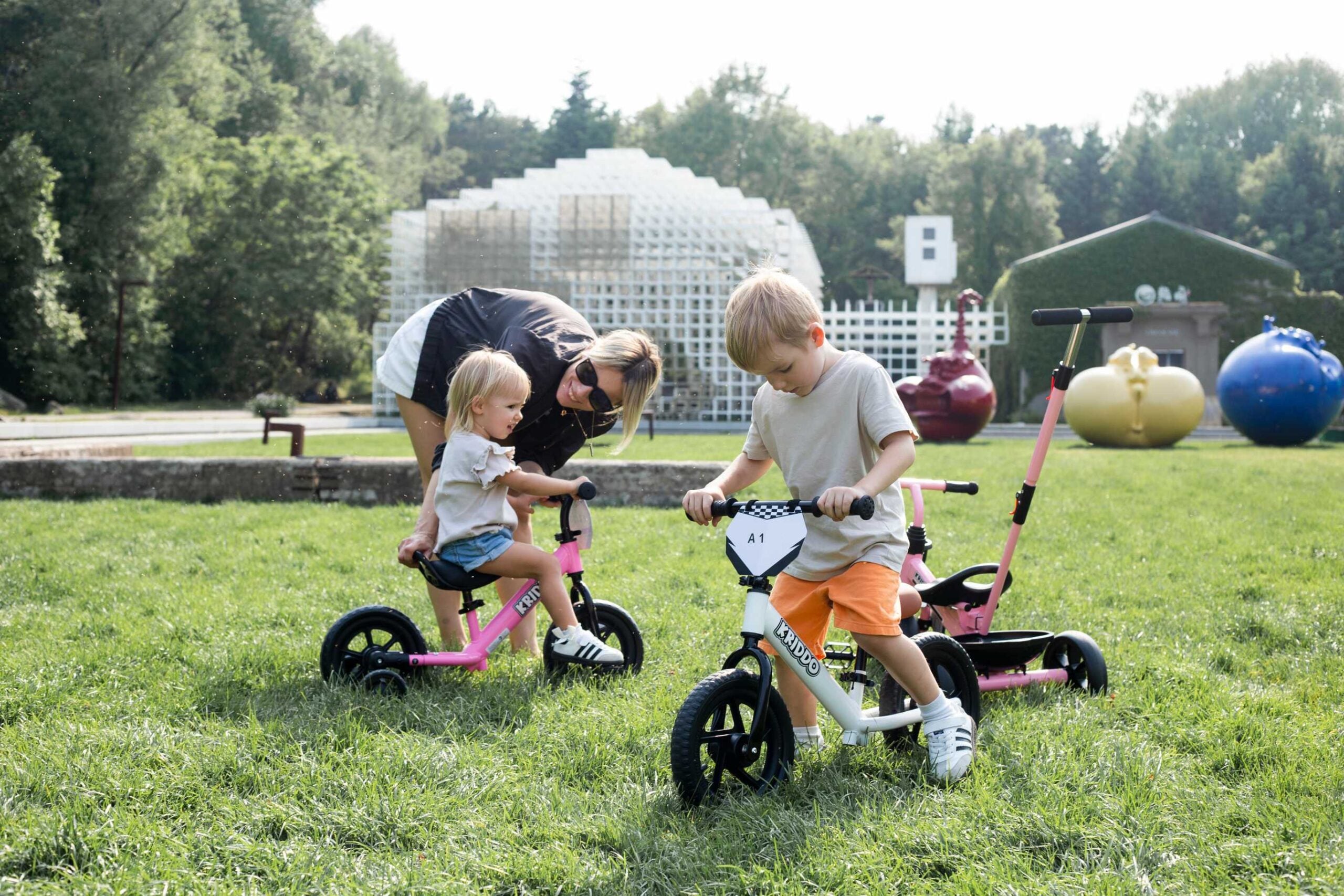
At first glance, a kids balance bike might look unusual. But for many families, it quickly becomes one of the most-used outdoor toys they own. More importantly, it helps young children build confidence, coordination, and independence long before they ever touch a pedal bike.
In this guide, we'll cover what a balance bike does, why it's so effective, and how to choose one that fits your child.
*This post may contain affiliate links and I'll earn a commission if you shop through them. You can read my full disclosure here.
What Is a Balance Bike?
A balance bike is a small bicycle without pedals. Instead of pedaling, children push themselves forward with their feet while learning how to balance and steer.
Because there are fewer skills to master at once, kids can focus on the most important part of cycling, balance.
Some reasons parents love balance bikes include:
- No pedals to complicate learning
- Lightweight and easy for toddlers to control
- Suitable for children as young as 18 months
- Helps many kids skip training wheels later
- Encourages independent movement and confidence
Many parents are surprised by how quickly children progress once they start riding. Understanding how balance bikes support development helps explain why they've become such a popular first bike choice.
Why a Toddler Balance Bike Is Worth It
A balance bike does much more than prepare kids for cycling. It supports both physical and emotional development in ways that show up long after the ride is over.
Physical Benefits
Every ride gives toddlers a chance to practice important motor skills.
As children push, steer, stop, and glide, they naturally:
- Improve balance and coordination
- Strengthen leg and core muscles
- Develop better body control
- Build agility and reaction speed
Many parents notice improvements in overall confidence with movement, whether their child is climbing playground equipment or running around the backyard. You can learn more about the physical advantages through these detailed balance bike benefits.
Cognitive and Emotional Benefits
The growth isn't just physical.
Riding encourages children to make decisions, judge distance, and react to obstacles. At the same time, each new skill helps build self-confidence.
A successful glide may seem small to adults, but to a toddler, it feels huge. Those little victories teach persistence, independence, and trust in their own abilities.
The Four Stages of Learning
One helpful thing for parents to remember is that balance bike skills develop gradually. Every child moves at their own pace.
Stage 1: Getting Comfortable
At first, many toddlers simply walk alongside the bike or straddle it without sitting down.
This stage is all about exploration. Some children move through it quickly, while others spend weeks becoming familiar with the bike.
Patience matters here. The goal isn't speed, it's comfort.
Stage 2: Sitting and Walking
Next, children begin sitting on the saddle while taking short steps forward.
They're starting to understand how the bike moves and how their body controls it. Watching other kids ride can be especially motivating during this phase.
Stage 3: Running and Gliding
This is when things become exciting.
Children push off more confidently, pick up speed, and briefly lift their feet off the ground. Those first few seconds of balancing feel like a major accomplishment.
A safe, open riding area gives them the freedom to practice and experiment.
Choosing the Right Balance Bike
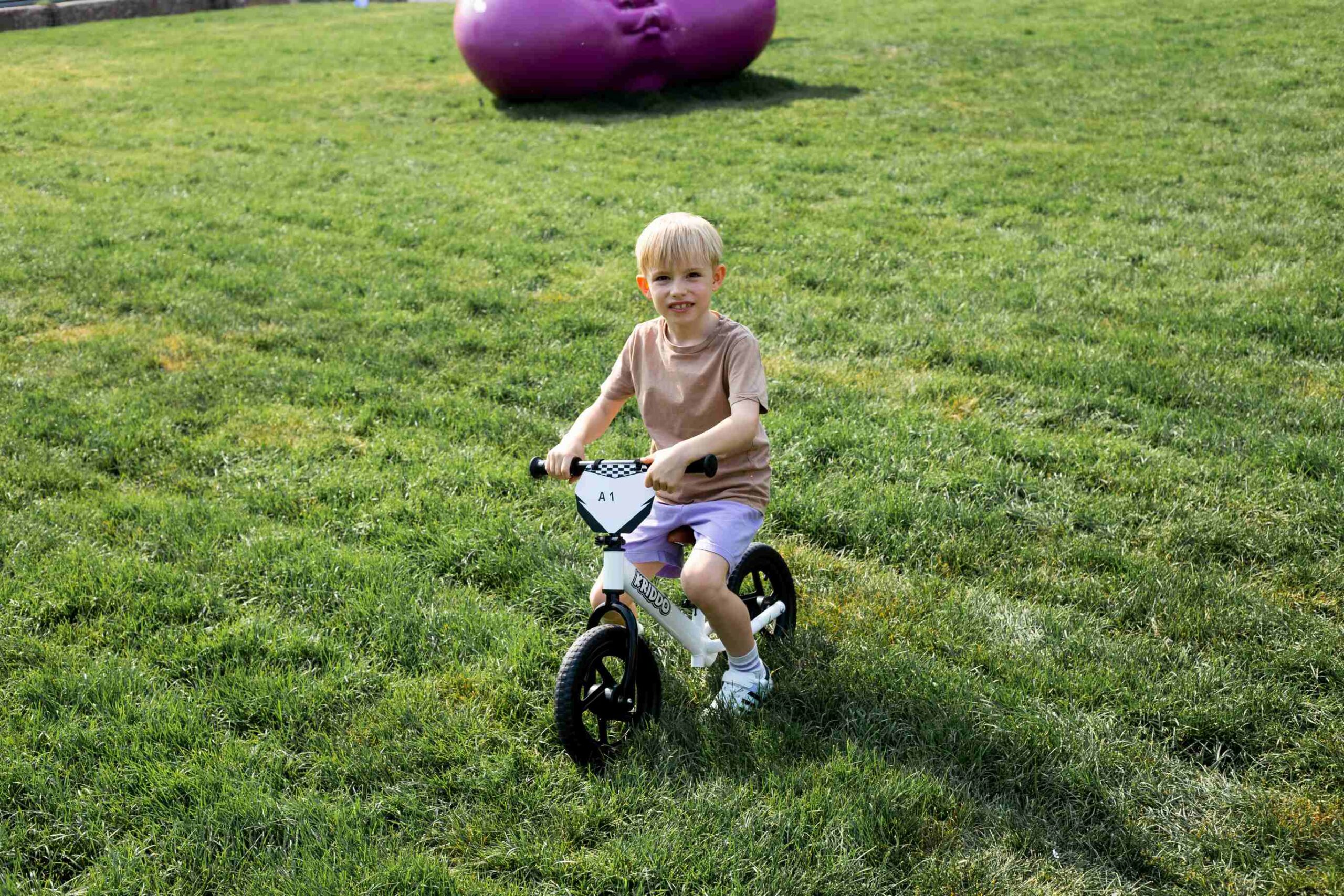
The right bike like KRIDDO kids bike can make learning easier and more enjoyable. A poor fit, on the other hand, may create frustration.
Here are the most important factors to consider.
Weight
Lighter is usually better.
A bike that's too heavy can be difficult for toddlers to maneuver and tiring for parents to carry when the ride is over.
Steering
Look for smooth steering that feels predictable and responsive. Some beginner-friendly models include steering limiters to prevent sudden handlebar rotation.
Brakes
Younger toddlers often stop using their feet, but older riders may benefit from a properly sized hand brake as they gain confidence and speed.
Wheels
Foam tires are popular because they're lightweight, maintenance-free, and suitable for most everyday riding surfaces.
Seat Height
The saddle should allow your child to place both feet flat on the ground while seated. Adjustable seats also provide room for growth.
Finding the right size balance bike is one of the most important steps in helping children ride comfortably and confidently.
Final Thoughts
A balance bike is much more than a child's first set of wheels.
It teaches balance, builds confidence, encourages independence, and turns outdoor time into an adventure. The process isn't always fast, and every child learns differently. But that's part of what makes it special.
One day, your toddler will glide effortlessly across the driveway. Later, they'll hop onto a pedal bike and ride away without training wheels.
And when that happens, you'll realize those early balance bike rides were about much more than learning to cycle.