The Ultimate Native Plant Guide by Zone (Zones 3-9)
This post is sponsored by Tennessee Wholesale Nursery. All opinions and plant recommendations are my own.
This native plant guide by zone takes the guesswork out of choosing plants that actually thrive where you live. If you have ever stood in a garden center feeling overwhelmed by plant tags, zone maps, and conflicting advice, I completely understand. It does not have to be that complicated. Native plants are the answer, and once you know which ones belong in your zone, everything clicks into place.
This guide breaks down the best native plants for zones 3 through 9, covering everything from woodland shade lovers to sun-drenched prairie standouts. Whether you are restoring a hillside, creating a pollinator garden, or just want a low-maintenance yard that looks good year after year, there is something here for you.
I partnered with Tennessee Wholesale Nursery for this post. They grow and ship native plants and restoration species directly to you, and their restoration and mitigation plant collection is genuinely impressive. Let me show you what I mean.
Why Native Plants Are Worth Every Penny
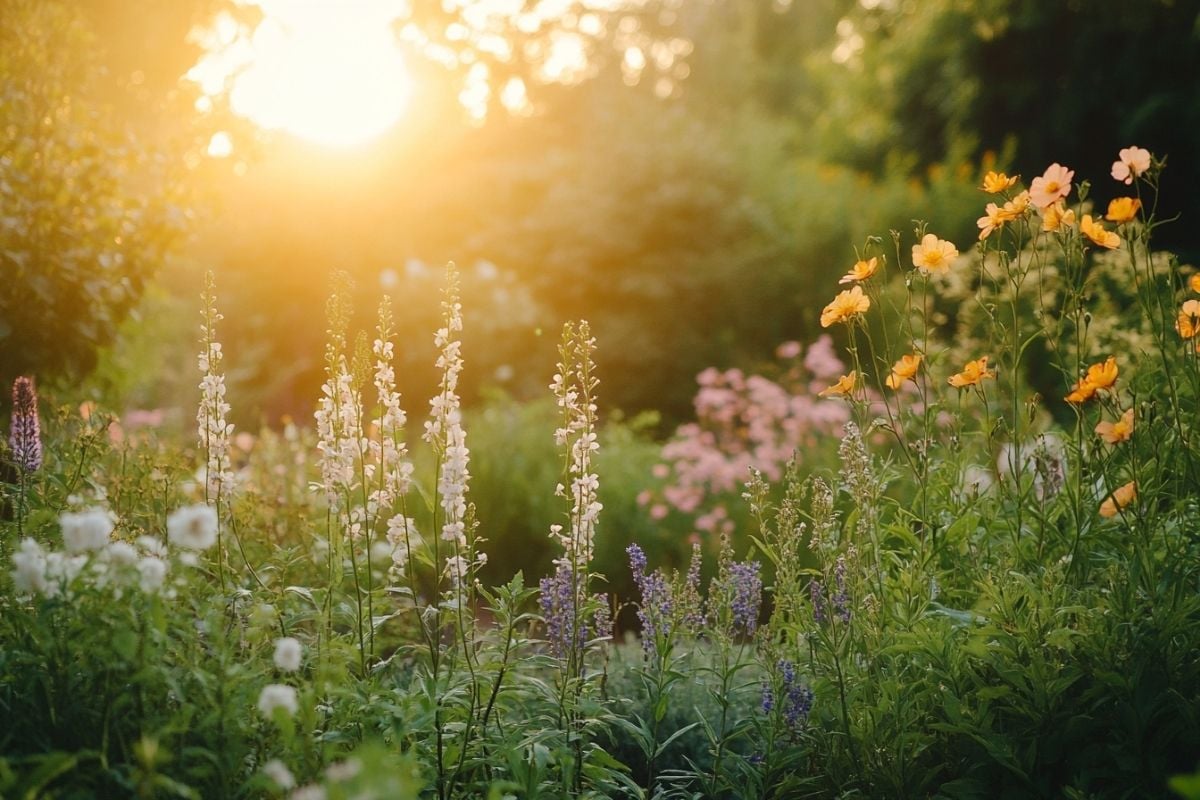
Native plants evolved alongside local insects, birds, and soil conditions over thousands of years. That means they are already adapted to your climate, your rainfall patterns, and even your local pollinators. Once they are established, they largely take care of themselves.
Here is why that matters for your garden and budget:
- Drought tolerance once rooted means less watering and lower water bills
- Often little to no fertilizer needed once established, especially when plants are matched to the right soil conditions
- Attract native bees, butterflies, and birds that keep your whole yard healthy
- Deep root systems prevent erosion and filter runoff naturally
- Long-lived and self-seeding so your garden fills in beautifully over time
Your Native Plant Guide by Zone: Zones 3 Through 9
Not sure what zone you are in? Check the USDA Plant Hardiness Zone Map. Once you know your zone, use this native plant guide by zone to find your section below and start planning.
Keep in mind that USDA zones are based on winter temperatures only. Factors like soil type, sunlight, and moisture levels also play a big role in how well a plant will perform.
Zone 3: Cold Hardy Natives for Short Summers
Zone 3 covers northern Minnesota, parts of Montana, and areas where winters regularly dip below -35 degrees F. Plants here need serious cold hardiness and the ability to bloom quickly in a short season.
Top native picks for Zone 3:
- Canada Goldenrod (Solidago canadensis) for pollinators and late-season color
- Prairie dropseed (Sporobolus heterolepis) for ornamental grasses
- Bur Oak (Quercus macrocarpa) for long-term shade and wildlife habitat
- Purple coneflower (Echinacea purpurea) for color and medicine
Zones 4 and 5: Transitional Climates with Plenty of Options
Zones 4 and 5 cover much of the upper Midwest, New England, and the Mountain West. These zones offer a nice balance of cold winters and warm summers, which means a wide range of native plants thrive here.
Top native picks for Zones 4 and 5:
- Red Maple (Acer rubrum) for stunning fall color and shade
- White Dogwood (Cornus florida) for spring blooms that stop you in your tracks (best suited for Zones 5-9)
- Elderberry (Sambucus canadensis) for birds, pollinators, and homemade elderberry syrup
- Eastern Redbud (Cercis canadensis) for early spring color before the leaves arrive
Zones 6 and 7: The Sweet Spot for Native Gardeners
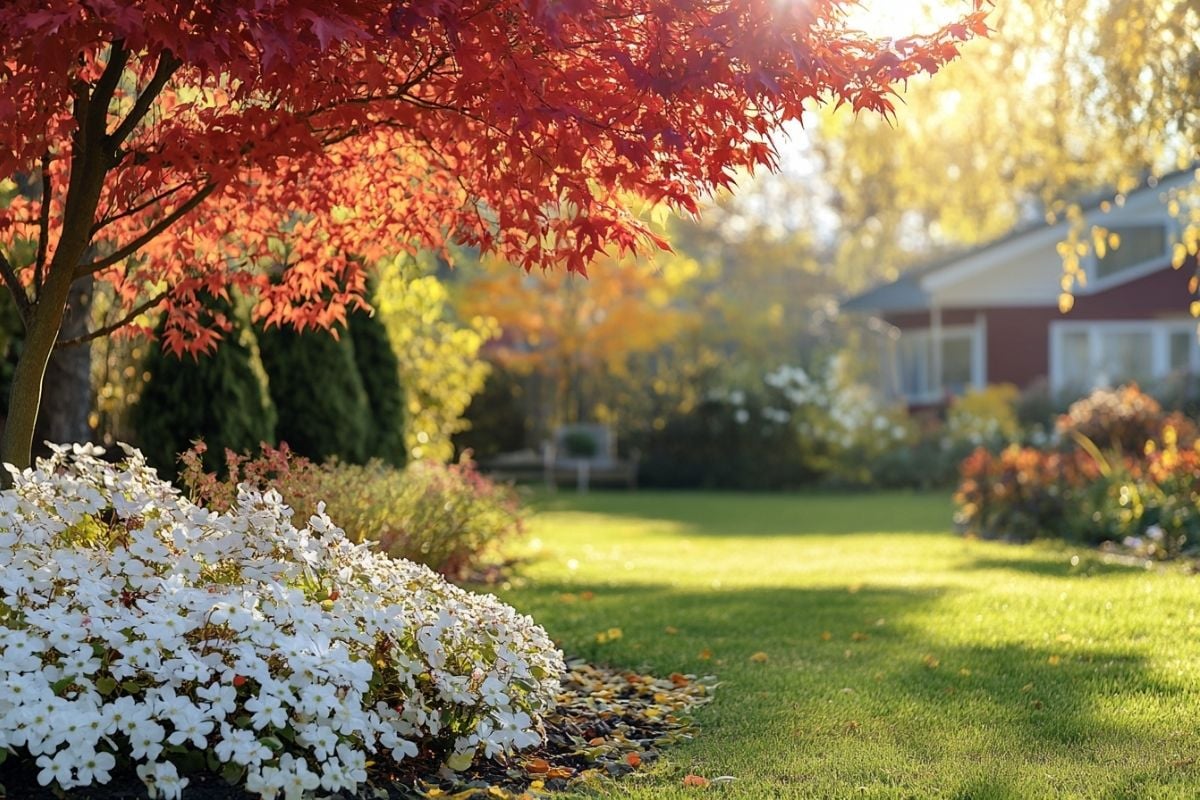
If you live in zones 6 or 7, you are in the sweet spot. This range covers Pennsylvania, Virginia, the Carolinas, Tennessee, and much of the mid-Atlantic and South. The growing season is long, winters are manageable, and an incredible variety of native plants call this zone home.
Top native picks for Zones 6 and 7:
- Eastern Redbud (Cercis canadensis) for brilliant purple-pink spring color
- Buttonbush (Cephalanthus occidentalis) for wet spots and pollinator magnets
- Virginia Sweetspire (Itea virginica) for fragrant blooms and fall color
- Bald Cypress (Taxodium distichum) for wet areas, streambanks, and dramatic form
Zones 8 and 9: Warm-Climate Natives That Thrive in the Heat
Zones 8 and 9 cover the Deep South, Pacific Coast, and parts of the Southwest. Heat tolerance becomes especially important in these zones, though many regions also support moisture-loving natives depending on local conditions.
Top native picks for Zones 8 and 9:
- Loblolly Pine (Pinus taeda) for fast-growing shade and wildlife cover
- Possumhaw Holly (Ilex decidua) for winter interest and bird food
- Swamp Milkweed (Asclepias incarnata) for monarch butterflies, especially suited for moist or wet soil conditions
- Persimmon (Diospyros virginiana) for wildlife, edible fruit, and gorgeous fall color
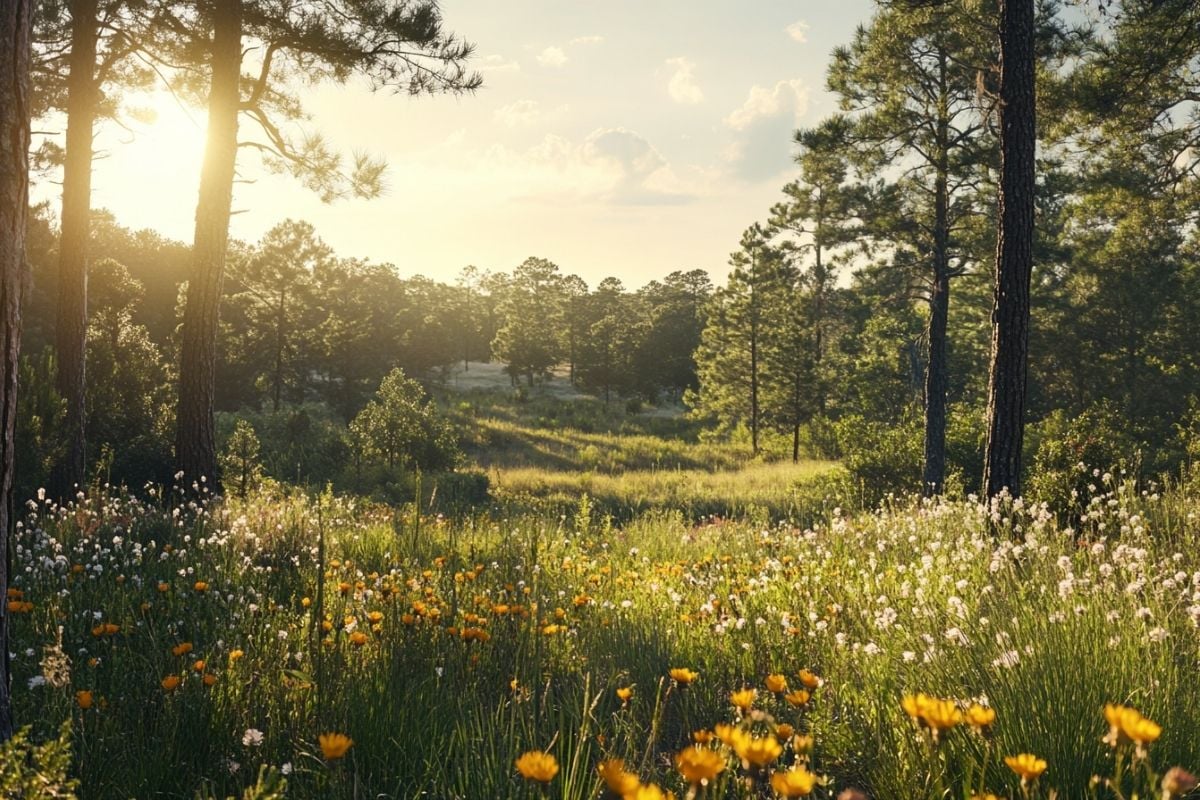
5 Native Plants Worth Spotlighting (Available from Tennessee Wholesale Nursery)
I want to call out a few specific plants from Tennessee Wholesale Nursery's restoration collection because they are genuinely useful across a wide range of zones and landscape goals.
1. Red Maple Seedlings (Zones 3-9)
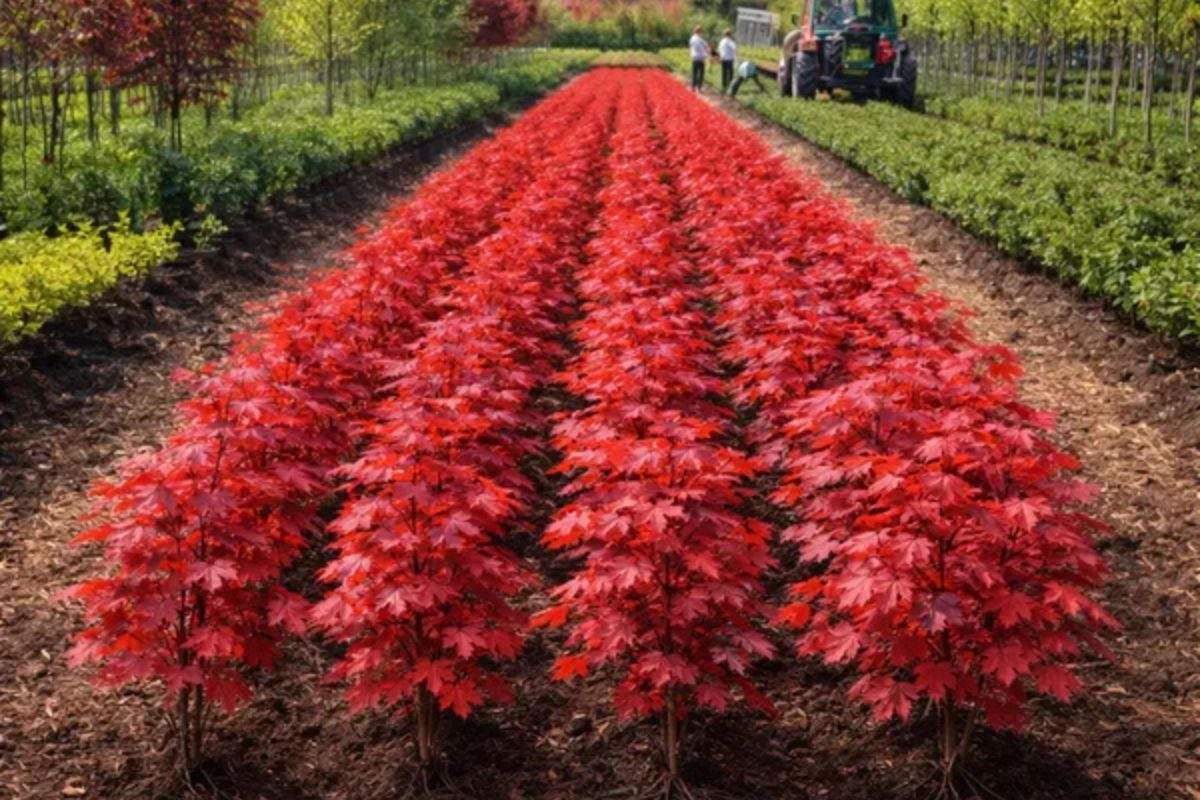
Few trees are as reliably beautiful or as wildlife-friendly as the Red Maple. It delivers that signature burst of red, orange, and gold in fall, provides dense summer shade, and supports roughly 285 species of caterpillars, making it one of the most valuable trees for wildlife. Tennessee Wholesale Nursery's Red Maple Seedlings are available starting around $1.29 each depending on quantity, which makes them a smart investment for anyone doing large-scale landscaping or land restoration.
2. White Dogwood Seedlings (Zones 5-9)
White Dogwood is the kind of tree that makes neighbors stop and stare in April. Those classic white blooms arrive before the leaves, creating a show that lasts weeks. Beyond the beauty, Dogwoods feed birds with their bright red fall berries and offer dappled shade that underplantings love. Grab White Dogwood Seedlings from TN Nursery available starting around $1.29 each.
3. Redbud Seedlings (Zones 3-9)
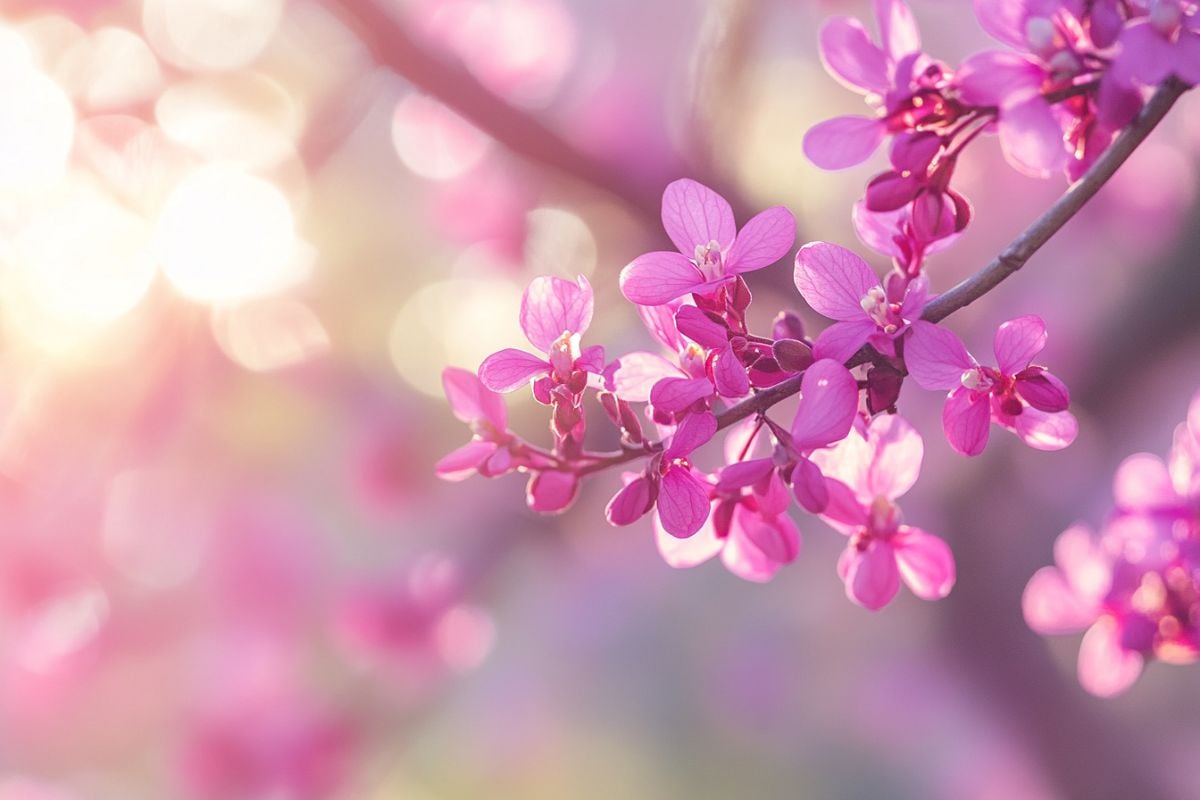
Eastern Redbud is one of the first trees to bloom in spring, sending up vivid magenta-pink flowers directly on the bark before a single leaf appears. It is a small tree, topping out around 20-30 feet, which makes it perfect for smaller yards or as an understory tree under taller oaks and maples. The Redbud Seedlings from TN Nursery are available starting around $1.29 each, an absolute steal for the impact they deliver.
4. Elderberry Live Stakes (Zones 3-9)
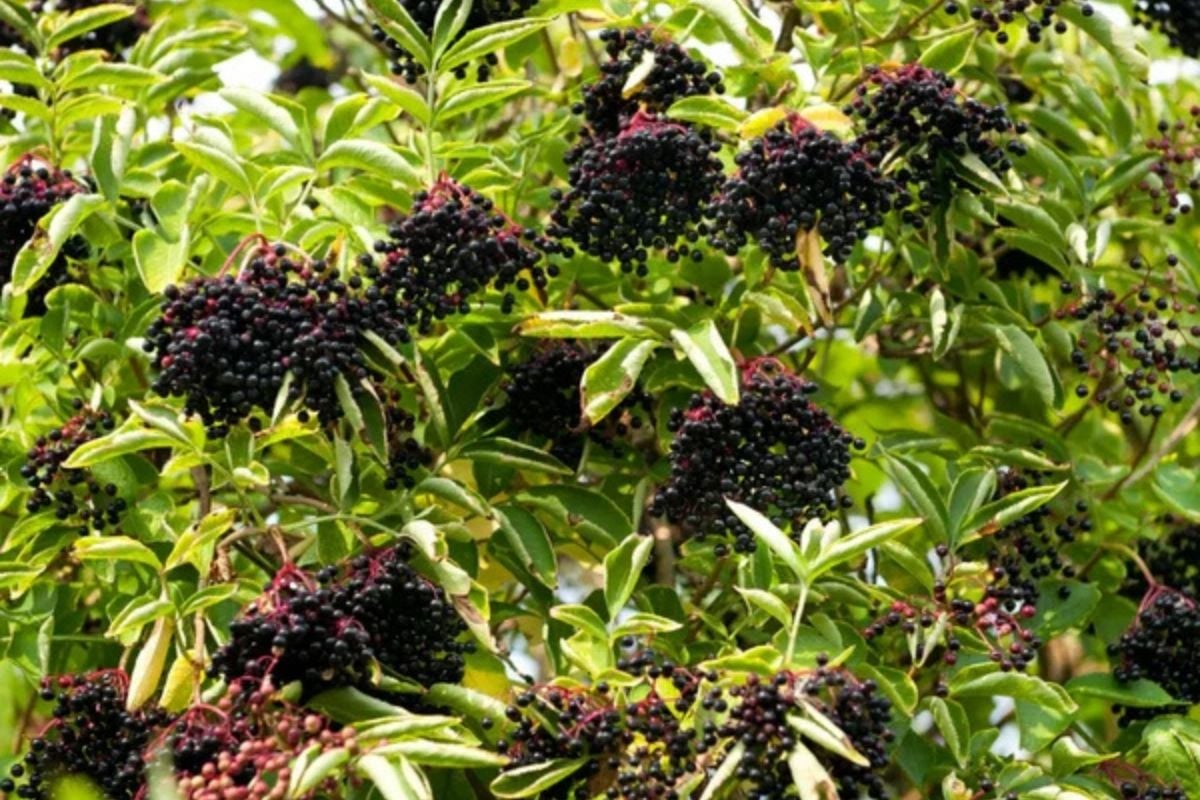
Elderberry is one of those plants that does everything. The flat-topped white flower clusters attract dozens of pollinator species in early summer, and the dark berries that follow feed birds and can be harvested for syrups and tinctures. Elderberry spreads naturally and is fantastic for stabilizing streambanks and wet areas. TN Nursery's Elderberry Live Stakes are an affordable, fast-establishing option available starting around $1.49 each.
5. Bald Cypress Seedlings (Zones 4-9)
If you have a wet area, low spot, or pond edge that needs help, Bald Cypress is your answer. This ancient native tree handles flooding, standing water, and drought once established. Its feathery needles turn a gorgeous russet-orange in fall before dropping for winter. It is one of the most dramatic and functional native trees available. Shop Bald Cypress Seedlings available starting around $1.39 each.
Native Plants for Restoration and Mitigation Projects
If you are working on a larger project, like stabilizing a slope, restoring a streambank, replanting after construction, or creating a wildlife corridor, you need plants that do real work, not just look pretty.
Tennessee Wholesale Nursery has an entire restoration and mitigation plant collection built specifically for this purpose. You will find live stakes, fascines, brush layers, and native tree seedlings all vetted for performance in real conditions, not just garden centers. These are the plants that conservation professionals, land managers, and municipalities rely on.
What makes this collection stand out is the species diversity. From Silky Willow Live Stakes for streambank stabilization to Bald Cypress for wetland areas, every plant is chosen because it works hard and lasts. If you are doing any kind of erosion control, wetland mitigation, or land reclamation, this is the collection to save.
Tips for Planting Native Plants Successfully
Even easy-care native plants need a little help getting started. Here is what I always tell people:
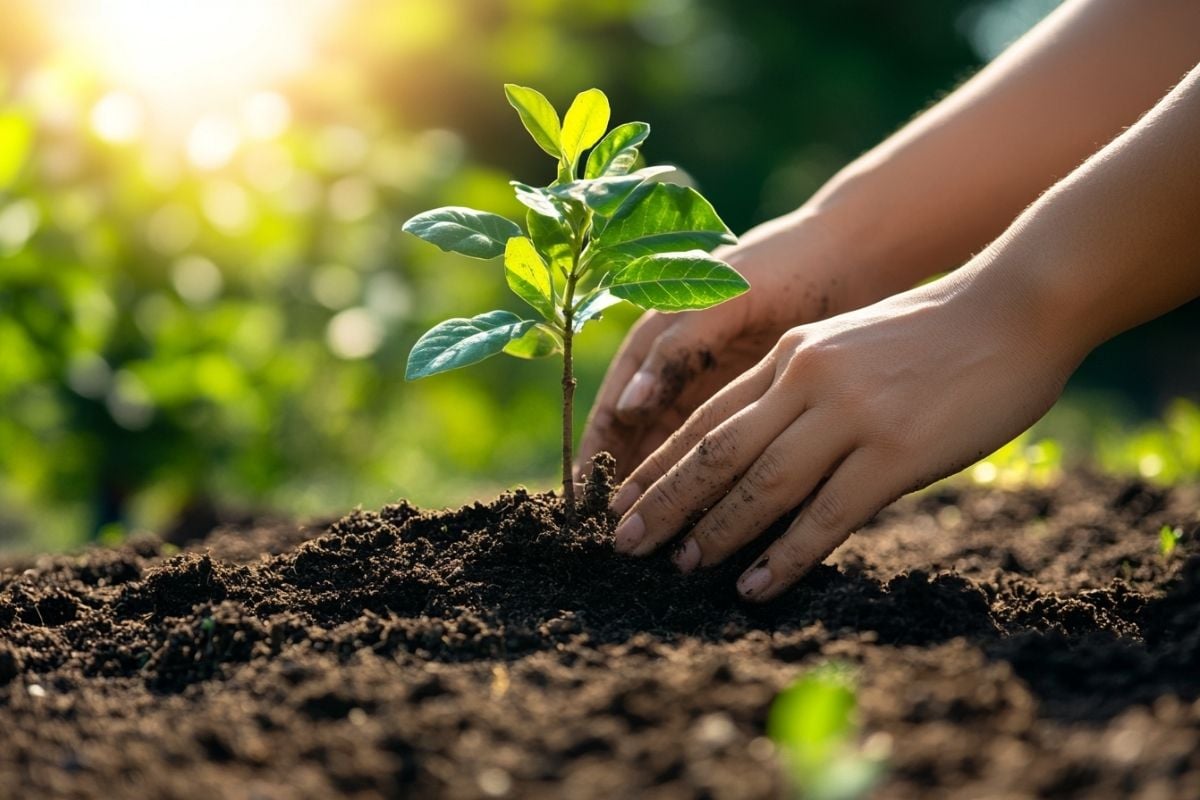
- Plant at the right time. Fall and early spring are generally ideal for most native trees and shrubs.
- Water deeply for the first season. Once established, many native plants need less supplemental watering, especially when planted in conditions that match their natural habitat.
- Go easy on fertilizer. Native plants often prefer lean soil and heavy feeding can push weak, fast growth.
- Mulch the base but keep it away from the trunk or stem.
- Plant in groups when possible. Native plants spread and naturalize beautifully over time.
Final Thoughts on Building a Native Plant Garden
No matter what zone you are in, there are native plants ready to work with your climate, your soil, and your yard. The key is starting with species that are genuinely suited to where you live, and that is exactly what Tennessee Wholesale Nursery makes easy.
Browse their full restoration and mitigation collection for bulk planting and land projects, or explore tennesseewholesalenursery.com for their full selection of trees, shrubs, perennials, and more.
Your yard, your land, and your local ecosystem will thank you for it. Bookmark this native plant guide by zone for your next planting season.