Transform Your Tank: The Top Plants for Creating a Natural Aquascape
Aquascaping turns a plain fish tank into a living feature that makes a room feel calmer and more put-together. It also fits well into a do-it-yourself routine because you can build it step by step, then maintain its appearance with simple weekly habits. The biggest difference comes from your plant choices. When you start with the top plants for creating a natural aquascape, you get a layout that looks natural, holds its shape and stays manageable alongside your daily routines.
Best Aquatic Plants for Natural Aquascapes
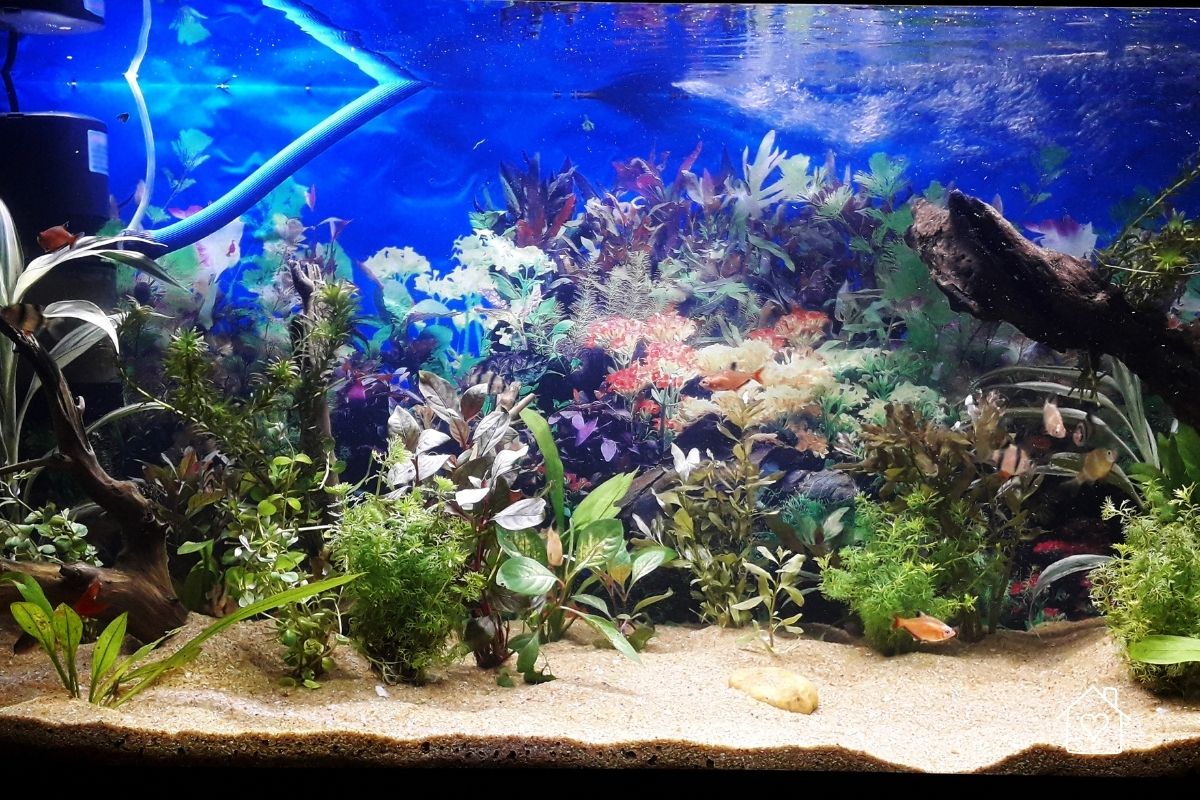
A setup works best when your hardscape and plants mimic what you see in streams and river edges. Research on aquarium enrichment indicates that adding structure to a tank can influence behavior and stress-related measures in ornamental fish, thereby enhancing the value of planted, complex layouts in home aquariums. Some plants work best for these structured designs.
*This post may contain affiliate links and I'll earn a commission if you shop through them. You can read my full disclosure here.
Anubias
Anubias, especially Nana and Barteri types, is one of the easiest ways to make a tank look established. The leaves are thick and hold up well in community tanks, including setups with curious fish that graze on surfaces. It also handles low light well, so you can focus on layout and routine maintenance before thinking about upgrades.
Placement is flexible because you can attach anubias to driftwood or rocks with cotton thread or aquarium-safe glue. Keep the rhizome exposed so water can move around it. Growth is slow, which suits busy households because trimming is occasional and predictable.
A wide selection of Anubias is available from specialist aquascaping retailers, such as Aqua Forest Aquarium, alongside other top aquascape plant groups.
Java Fern
Java Fern brings height and texture without demanding much from its keepers. Like Anubias, it thrives in low to moderate light and can be attached to wood or stone. That makes it useful when building a layout on a budget, as you can skip nutrient-heavy substrates at the start and still get good coverage.
Java Fern looks natural when placed in the midground or toward the back, angled slightly so the leaves follow the flow from your filter. Leave the rhizome visible and secure it loosely so it can grip over time. As it matures, it creates a layered jungle feel that frames open swimming space and makes equipment less noticeable.
Java Moss
Java Moss is a practical workhorse for natural-looking detail. It softens hard edges, fills awkward gaps and gives shrimp and tiny fish a place to hide. It can also be draped over branches, shaped into a carpet with a mesh base or spread across a backing to form a moss wall.
This plant tolerates a wide range of conditions, which is why many treat it as one of the best plants for aquascapes when you want reliable growth. Trim it like you would a hedge - pinch or snip the outer layer, then remove loose bits during a water change so they do not settle elsewhere.
Cryptocoryne
Cryptocoryne, often called Crypts, adds grounded, natural texture that looks right at the front and midground. Many varieties remain compact with wavy leaves, making them ideal for creating a riverbank effect. Crypts are root-feeders, so they respond well when planted into a nutrient-rich substrate or when you add root tabs near the base later on.
A common surprise is Crypt melt, where the plant drops older leaves after being moved. It is usually a response to a change in water chemistry, light or planting method. Keep your routine consistent and give it time. Once it settles, new leaves generally grow in, which makes Crypts a strong choice for homeowners who prefer low-maintenance plants that improve over time.
Amazon Sword
Amazon Sword is a classic background plant that creates an instant focal point, especially in medium and larger tanks. The broad leaves add scale and make a layout feel mature. It also works well if you prefer a slightly wild aesthetic, as a healthy Sword can quickly fill space.
This plant feeds heavily from its roots. Plant it in a quality substrate, or plan to use the root tabs and aim for moderate to high light so the leaves stay strong. Give it room, as large specimens can shade smaller plants. In bigger aquariums, it is often counted among the best aquatic plants for natural aquascapes because it delivers height, shelter and visual weight.
Comparing the Top Aquascape Plants
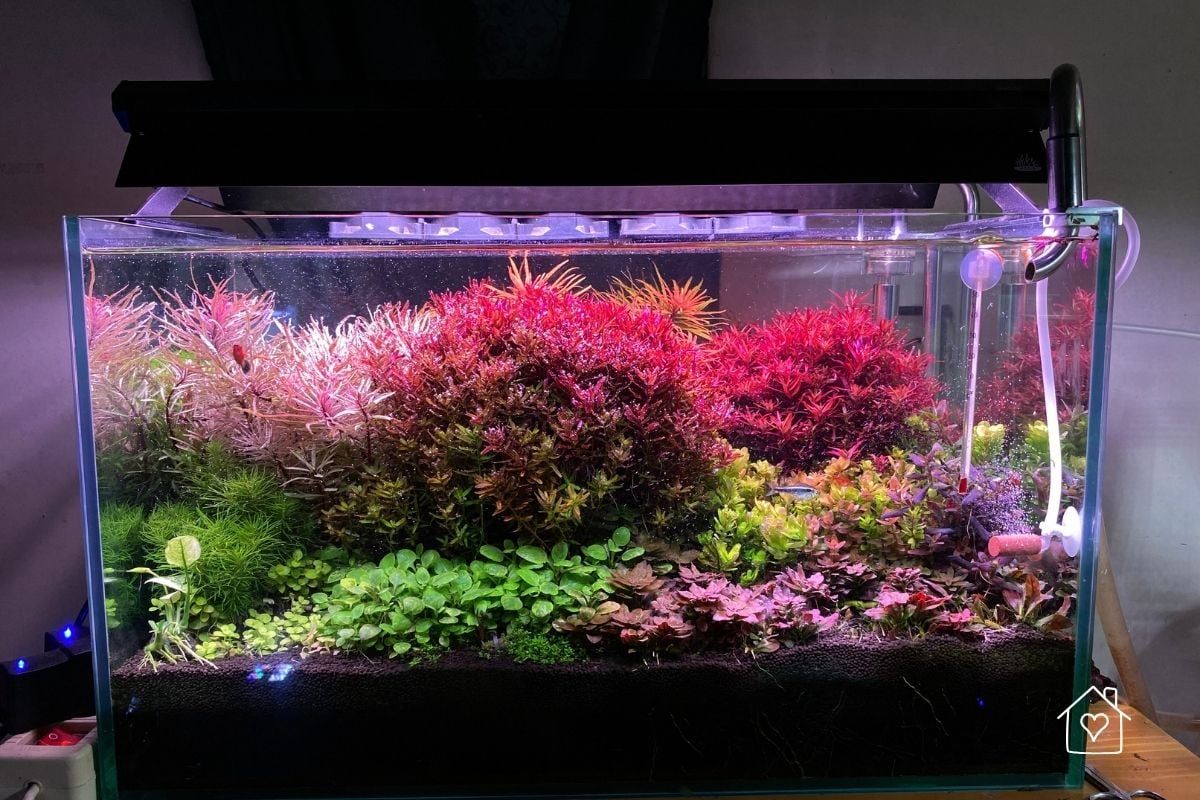
When you are planning around household schedules, it helps to see the basics in one place. Use this table to match the five beginner-care-level plants to your tank size, lighting and the amount of trimming you can realistically keep up with.
| Plant | Lighting | Placement | Growth Rate |
| Anubias | Low-Medium | Foreground and Midground | Slow |
| Java Fern | Low-Medium | Midground and Background | Slow-Moderate |
| Java Moss | Low-High | Anywhere | Moderate-Fast |
| Cryptocoryne | Low-Medium | Foreground and Midground | Slow-Moderate |
| Amazon Sword | Medium-High | Background | Moderate-Fast |
Designing Your Natural Aquascape
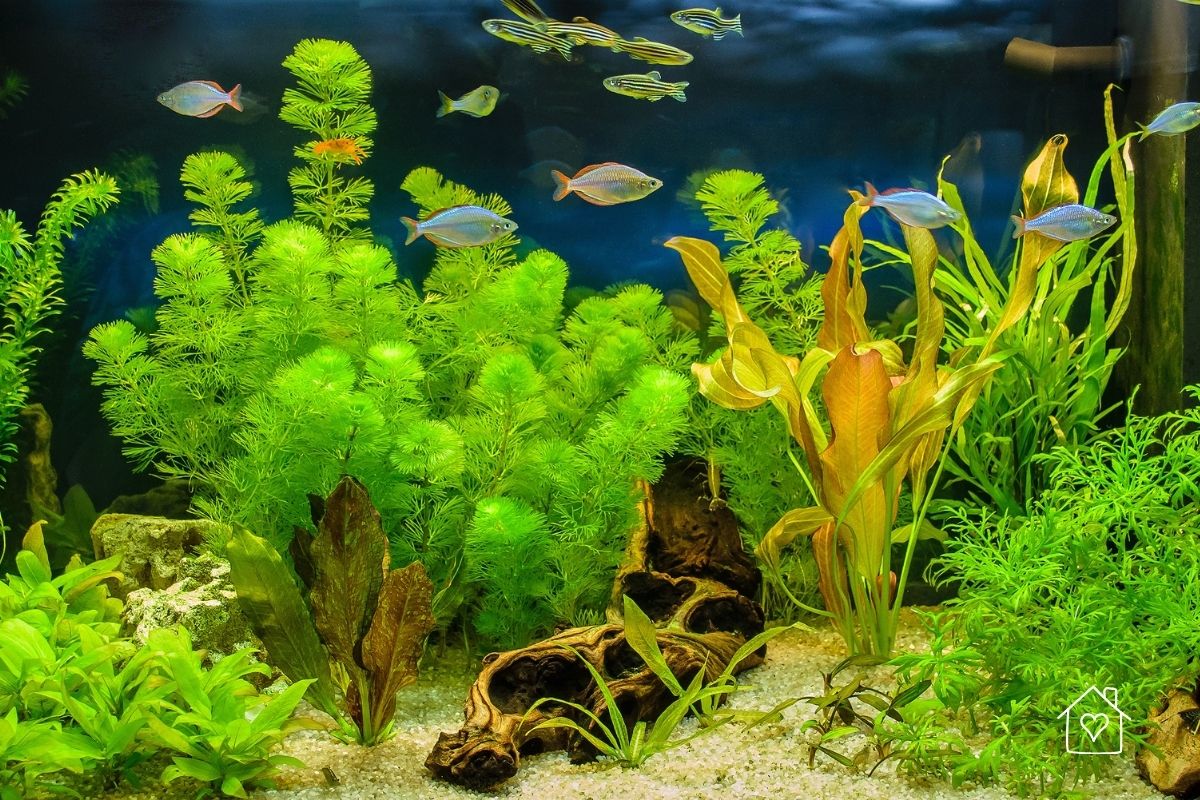
A natural layout looks more convincing when you plant it like a garden bed, with taller growth at the back, detail plants at the front and texture running through the middle. Start with your hardscape, then add the best plants for aquascapes with the intention of keeping maintenance work to a minimum and ensuring your tank looks cohesive as it grows.
- Create depth: Use taller plants, like Amazon Sword or Java Fern, at the back and shorter plants, like Anubias or Cryptocoryne, at the front.
- Add texture: Attach Java Moss to driftwood to soften edges and create a mature look that suits natural themes.
- Think in groups: Plant small clusters so the layout looks intentional and the plants form clear layers rather than scattered patches.
A Natural Aquascape You Can Keep Looking Great All Year
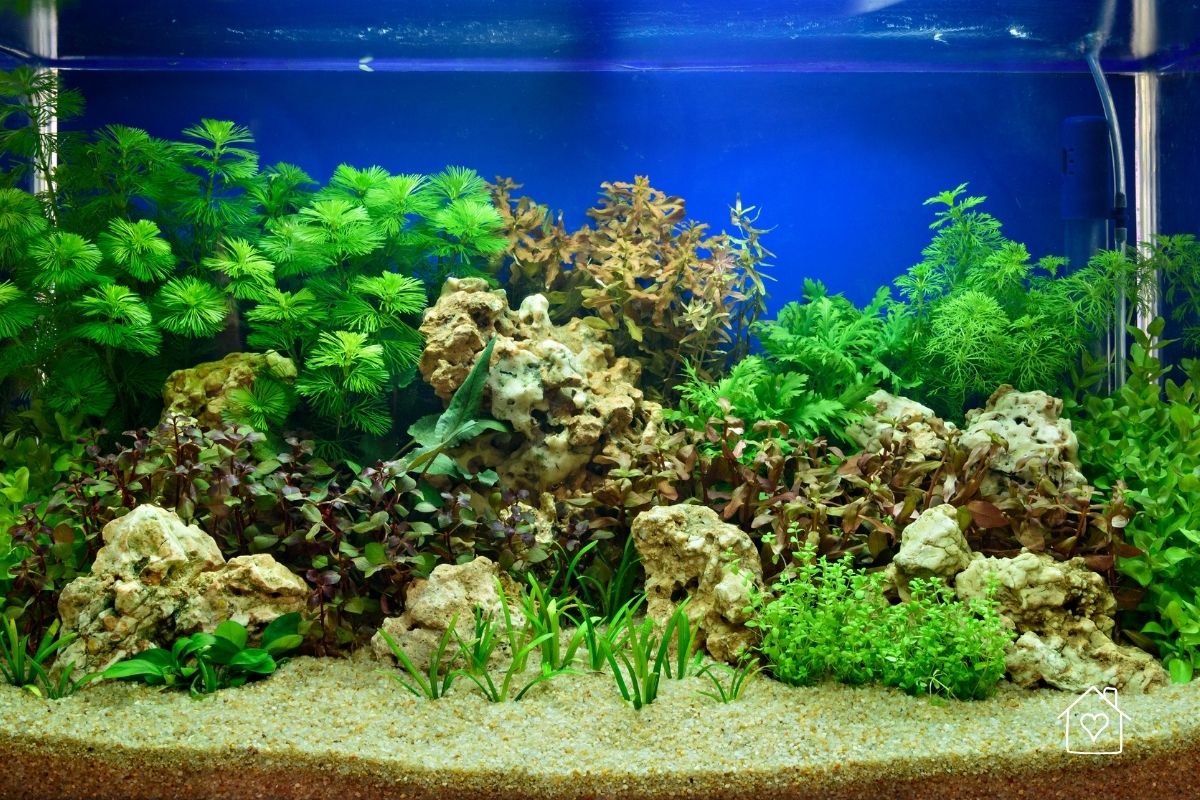
Choose plants that match your tank size, lighting and schedule to have the best results. Anubias, Java Fern and Java Moss provide shape and texture with manageable upkeep, while Cryptocoryne and Amazon Sword add rooted details and background presence. Keep your maintenance routine simple - tidy during water changes, trim only when growth blocks light and let slower growers settle in. Over time, your underwater garden becomes a calm focal point that rewards consistency.