What's Actually Included in Heating Maintenance?
This has been one of those years where the fall weather has been nothing short of glorious....but the nights have gotten a little chilly, even dipping into the 30s a few times. A few weeks ago I checked the forecast, and when I saw those dips, I knew it was time to turn the heat back on. Before I did, though, my furnace needed a checkup: some basics (a new filter) and a few more steps.
I have a gas furnace, which comes with its own set of prep and checkup steps that are different from other kinds of heat. I grew up with hot water heat, and I remember my dad bleeding the valves every fall. It seemed like so much harder of a job (17 rooms, all with baseboard radiators!)....I'll take changing a filter over that any day!
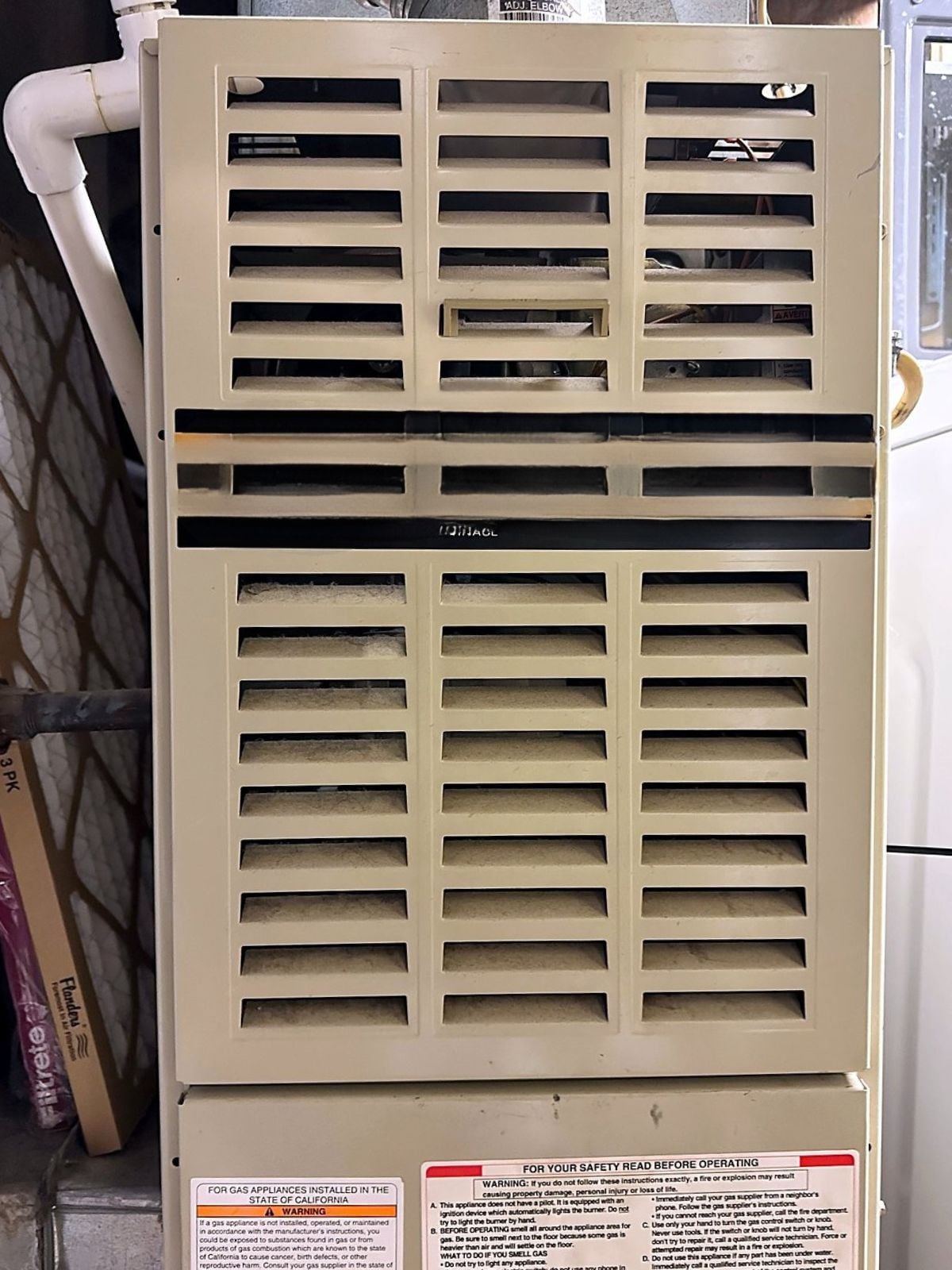
A professional visit before the cold settles in can catch problems early, help your system run more efficiently, and keep it operating safely all season. What's involved in heating maintenance services depends on the type of equipment you have, and it can range from inspecting and
Knowing what heating maintenance involves (and what it costs) also helps you plan ahead, so there are no surprises.
What Does a Heating Maintenance Visit Actually Include?
A professional heating tune-up starts with a check of the equipment and a look at how the whole system is performing. The technician makes sure everything is running the way the manufacturer intended.
What's included depends on your system, but a visit may cover:
- Air filter: The technician checks how dirty the filter is and whether it's time to clean or replace it.
- Thermostat: The technician confirms the thermostat is communicating properly with the heating equipment.
- Burner: Burner parts that can be removed get cleaned to clear away any dirt, if needed.
- Blower motor and fan: These get checked for dirt, worn parts, and any sign they aren't running properly.
- Electrical: The technician goes through the wiring, connections, and electrical parts.
- Heat exchanger: This gets inspected for cracks, wear, and other damage.
- Venting: The technician makes sure nothing is blocking the flue, vent, or exhaust pipe and checks it for damage.
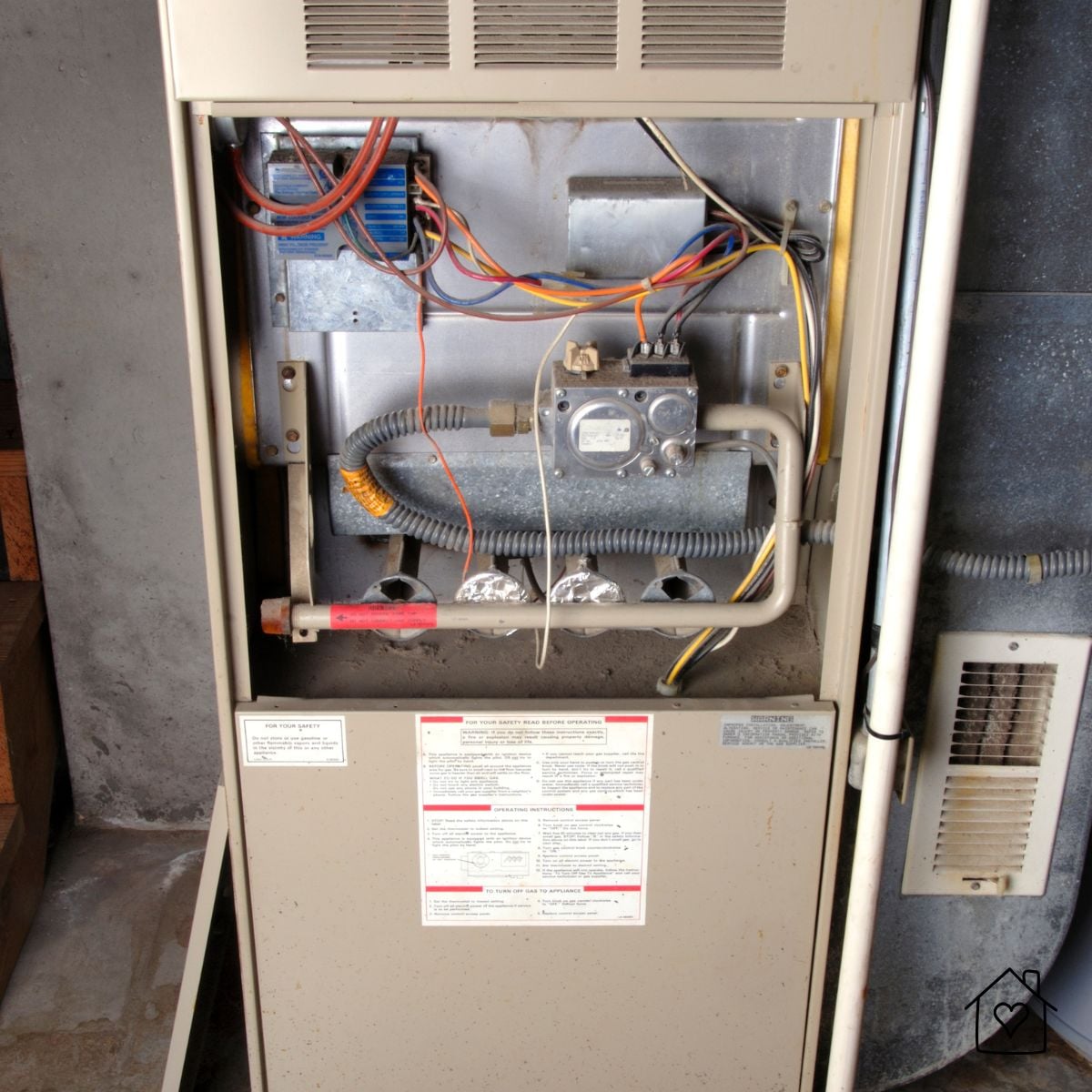
The technician can also clean the parts they can reach and make adjustments so the system runs better going forward. Exactly what gets done will vary with the type and condition of your equipment and what the manufacturer requires.
How Does Heating Maintenance Address Safety?
Safety is one of the biggest reasons to have a pro take a look, and it matters most with gas and oil systems (my gas furnace included). Problems with combustion, venting, and damaged parts can pose serious risks.
During a maintenance visit, a technician can:
- Inspect the heat exchanger for signs of damage.
- Inspect fuel lines for leaks and damage.
- Check flues and exhaust vents for blockages.
- Test safety switches and shutdown controls.
- Test combustion efficiency with the proper equipment.
- Check carbon monoxide levels, where appropriate, for anything abnormal.
- Watch for overheating or anything else unusual in how the system runs.
Maintenance doesn't replace working carbon monoxide alarms, though (you still need those!). And even routine checks can't guarantee a system will never fail.
What Is Usually Not Included in Standard Heating Maintenance?
Think of a maintenance appointment as prevention. The technician can often diagnose a problem and fix it, but the repair isn't always part of the tune-up bill.
These usually come with an extra fee:
- Replacing a broken blower motor.
- Repairing a damaged heat exchanger.
- Replacing a thermostat or an ignition unit.
- Repairing leaky ductwork.
- Fixing electrical faults.
- Replacing a damaged gas valve.
- Clearing complicated blockages.
- Setting up an alternate heat source.
Bigger jobs like adding insulation, replacing ductwork, or replacing the furnace itself are usually separate services.
How Often Should a Heating System Receive Professional Maintenance?
Regular heating system maintenance can help prevent unexpected breakdowns, improve efficiency, and extend the life of your equipment. According to ENERGY STAR, homeowners should schedule professional heating system maintenance once a year, ideally before colder weather arrives. A qualified HVAC technician can inspect the system, identify potential problems, and check components, including refrigerants such as Freon where applicable, to help keep everything running safely and efficiently.
You may want to plan for extra inspections if:
- Your heating equipment is older.
- The system runs for long stretches every day.
- Your home is especially dusty.
- Your heat isn't working as well as it used to.
- The equipment keeps switching on and off.
- Problems were found during a previous maintenance visit.
Furnaces, boilers, heat pumps, and other heating systems all have different needs (my gas furnace and the hot water heat I grew up with are about as different as it gets!), so follow the maintenance schedule your manufacturer recommends.
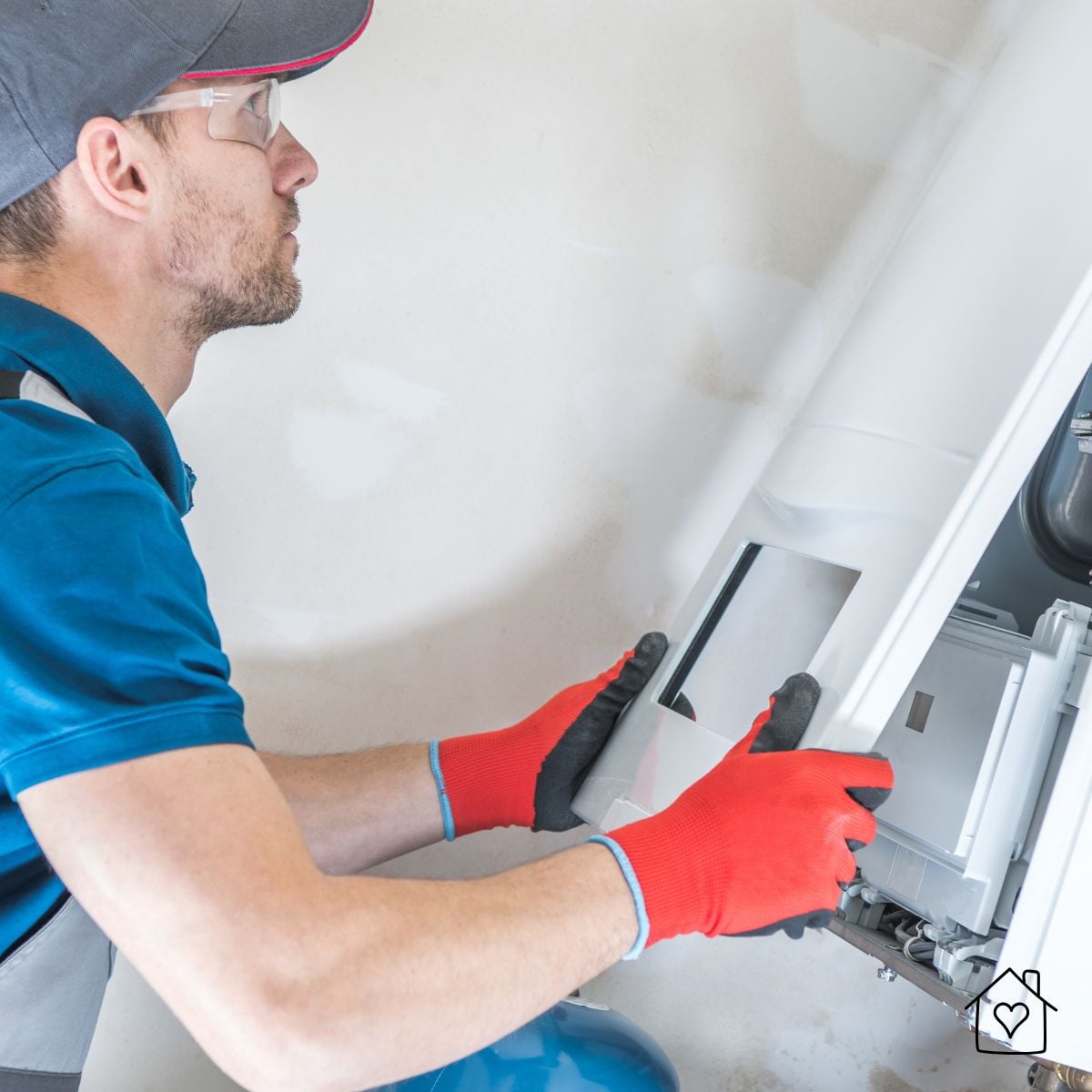
What Should Homeowners Do Between Professional Heating Tune-Ups?
In between professional tune-ups, there are a few things you can do at home to keep the air flowing and your system working the way it should.
Here's what to keep an eye on:
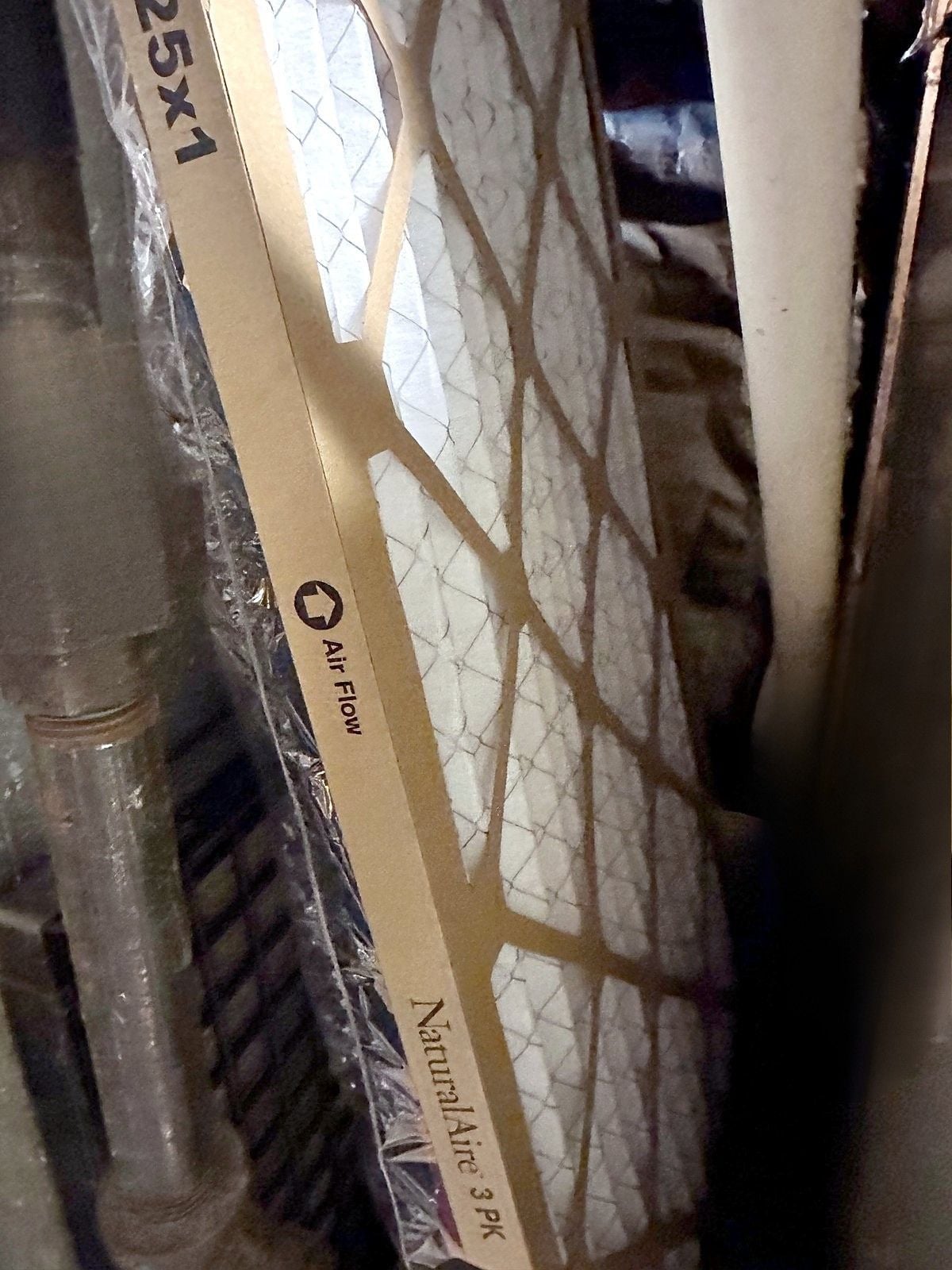
- Air filter: Check it, then clean it or swap in a new one if needed. This was step one for me before I turned my heat back on this fall.
- Vents: Keep furniture, rugs, and anything else away from your supply and return vents.
- Heating unit: Clear the area around it so nothing is stored right next to it.
- Thermostat: Test it and make sure it's set to the temperature you want.
- Safety alarms: Test your carbon monoxide alarms following the manufacturer's directions.
Please don't attempt difficult repairs yourself. Only professionals should install gas lines, electrical systems, combustion systems, and refrigerants.
Wrapping It Up
Heating maintenance goes way beyond changing the air filter. A good heating maintenance checklist covers control testing, electrical connections, the heat exchanger, safety operation, and more.
A yearly tune-up is what keeps your heating system safe and ready for the season, and the at-home basics (checking filters, clearing vents, and watching for warning signs) fill in the gaps between visits. How do you get your home ready when the nights start dipping into the 30s?