Big Home Projects, Smarter Plans: How to Handle Pools, Fire Damage, and Everything in Between
Every summer, the pool conversation happens. Someone brings it up at a backyard barbecue, the kids ask again, and for a week or two the idea feels real. Then the quotes come in and life moves on. And separately, somewhere in your neighborhood, a family is dealing with something far less fun - a kitchen fire that started with a forgotten pan and spiraled into months of insurance calls, contractor delays, and living out of a hotel.
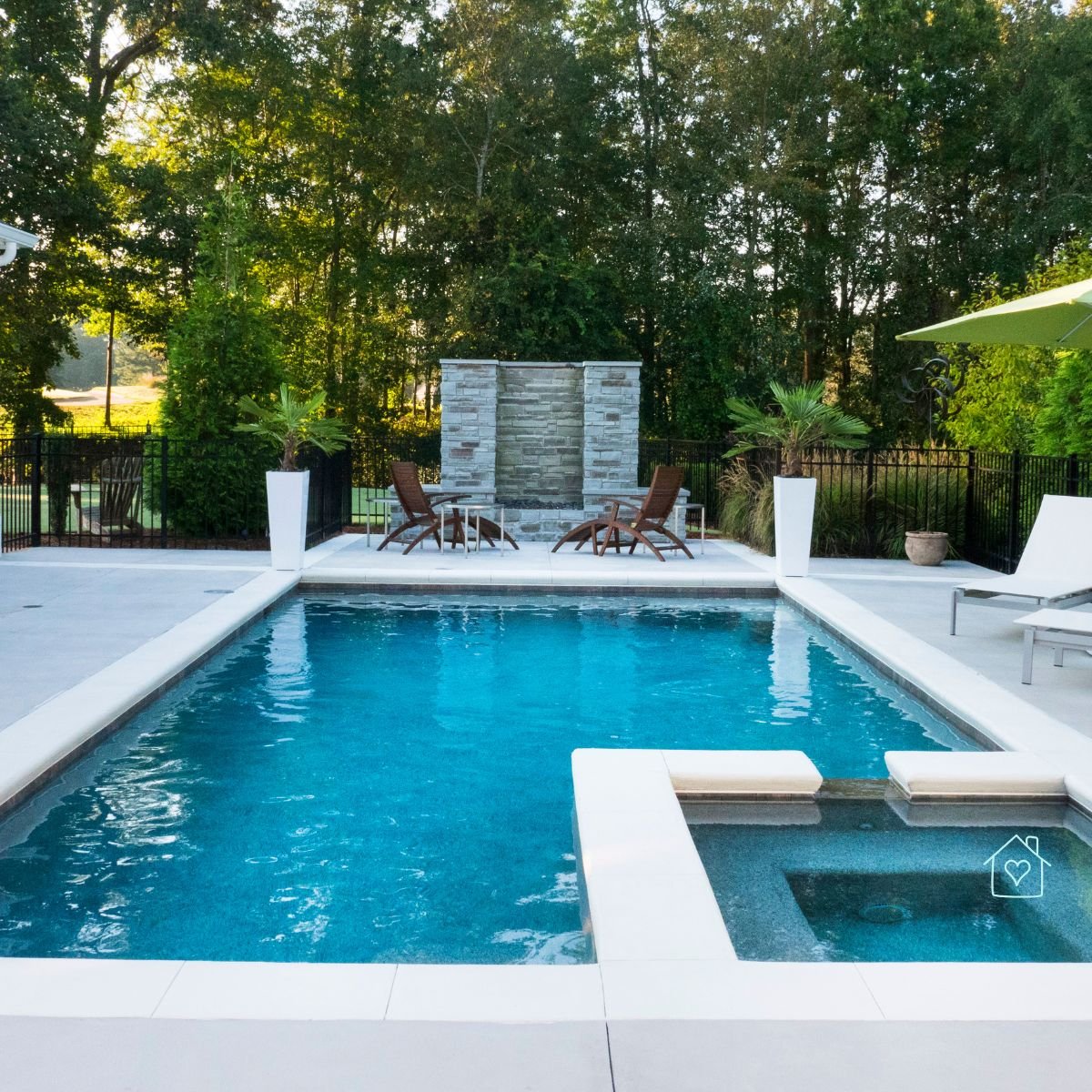
These two situations don't seem related. But they share something important: most families haven't actually prepared for either. Not practically, not financially. The pool stays a dream. The fire damage becomes a crisis instead of a managed repair.
The homeowners who come out ahead on both are the ones who did the planning work before the moment arrived.
*This post may contain affiliate links and I'll earn a commission if you shop through them. You can read my full disclosure here.
Adding a Pool: Why Families Keep Putting it off
The interest in backyard pools has never been stronger. According to Fixr's 2025 outdoor living trends report, 56% of outdoor living professionals say homeowners are prioritizing outdoor upgrades more in 2025 than in any prior year. And 98% of those same experts agreed that an updated outdoor space has a measurable positive effect on home value.
So why do families keep delaying?
Cost is the honest answer. An inground pool installation costs between $44,499 and $87,349 nationally, with most homeowners landing around $65,909, according to Angi's 2025 data. That's not a number most people have sitting in a savings account. And when the price tag looks like a down payment on a car, it's easy to say "maybe next year."
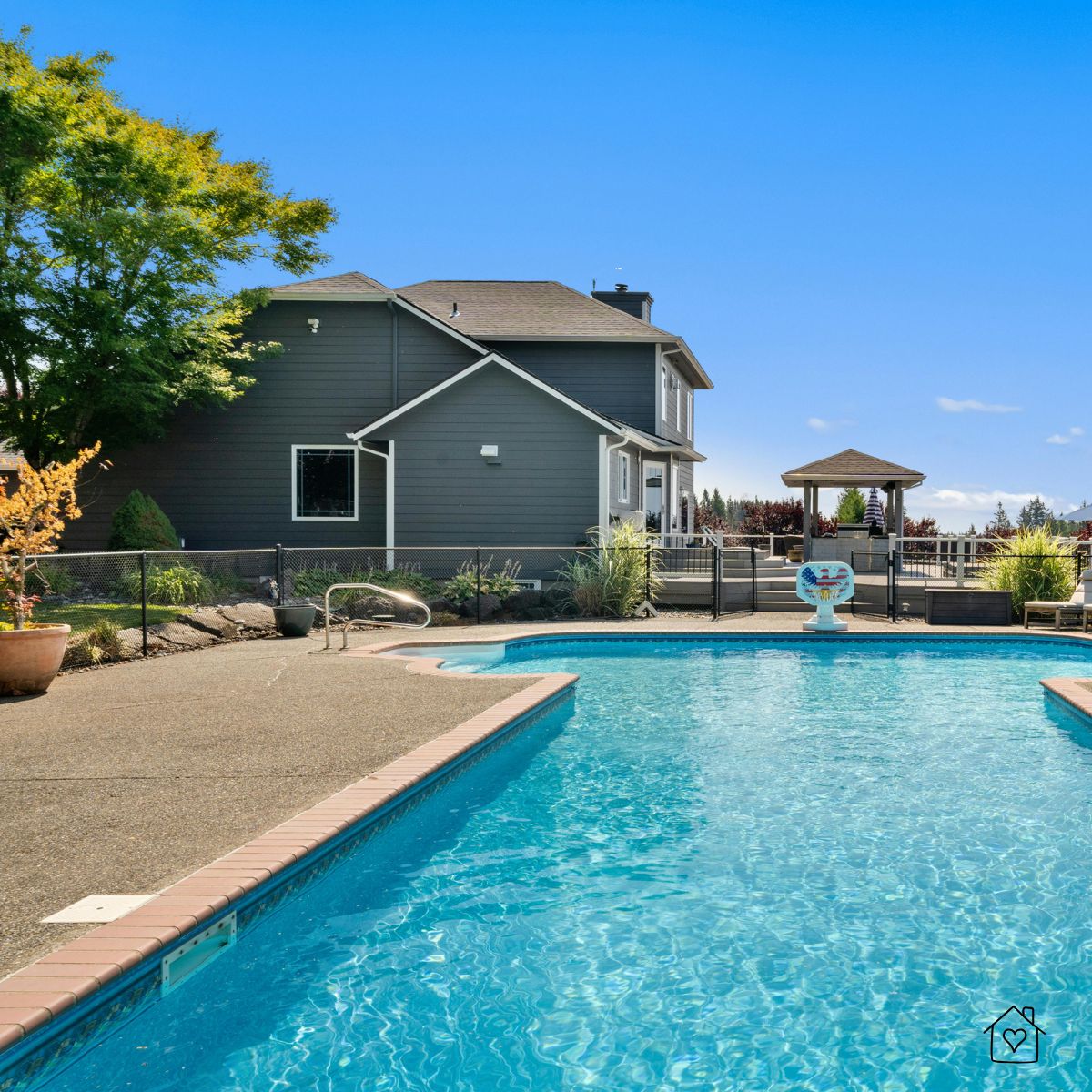
What a lot of homeowners don't realize is that cash isn't the only path. Dedicated loans for pools are built specifically for this type of large backyard project and often come with more flexible terms than a standard personal loan, making the numbers easier to work with. Home equity loans and HELOCs are also common routes, especially for homeowners who've built up equity over the last few years when property values climbed. Bankrate's 2025 pool financing guide breaks down how these options compare on rates and eligibility.
The other thing worth knowing: the U.S. now has 10.7 million residential swimming pools, according to a 2025 RenoSys industry report. That's roughly one pool for every 31 people in the country. This isn't a luxury outlier anymore - it's a mainstream home feature, and in the right climates, Angi data shows pools can add up to 7% to a home's resale value.
If you've been treating a pool as one of those "someday" essential home upgrades, the financing options available today make "someday" a lot more achievable than most families assume.
Planning Your Pool Project the Right Way
Once you've decided the pool is happening, the planning matters as much as the financing.
Start with multiple quotes - at least two or three from licensed pool contractors in your area. Prices can vary significantly even within the same zip code depending on the type of pool (concrete, fiberglass, vinyl liner), size, and site conditions. Permits are also a real cost to factor in: Angi estimates permit fees typically run $450 to $1,800 depending on your municipality.
Then there's ongoing maintenance. HomeAdvisor puts the annual cost of pool upkeep between $3,030 and $5,995, covering chemicals,
Timing is something most people get wrong. If you want to swim by July 4th, you need to be talking to contractors in October or November. Pool builds typically take 8 to 12 weeks from permit approval to finished installation, and the early spring rush means contractors book up fast. Starting the process in fall or winter gives you the best shot at a summer-ready pool without competing with every other family who waited until March.
For house remodeling tips that apply more broadly, getting contractor quotes early and locking in permits before the busy season applies to almost any major exterior project - not just pools.
When Damage Happens: Navigating Fire and Smoke Restoration
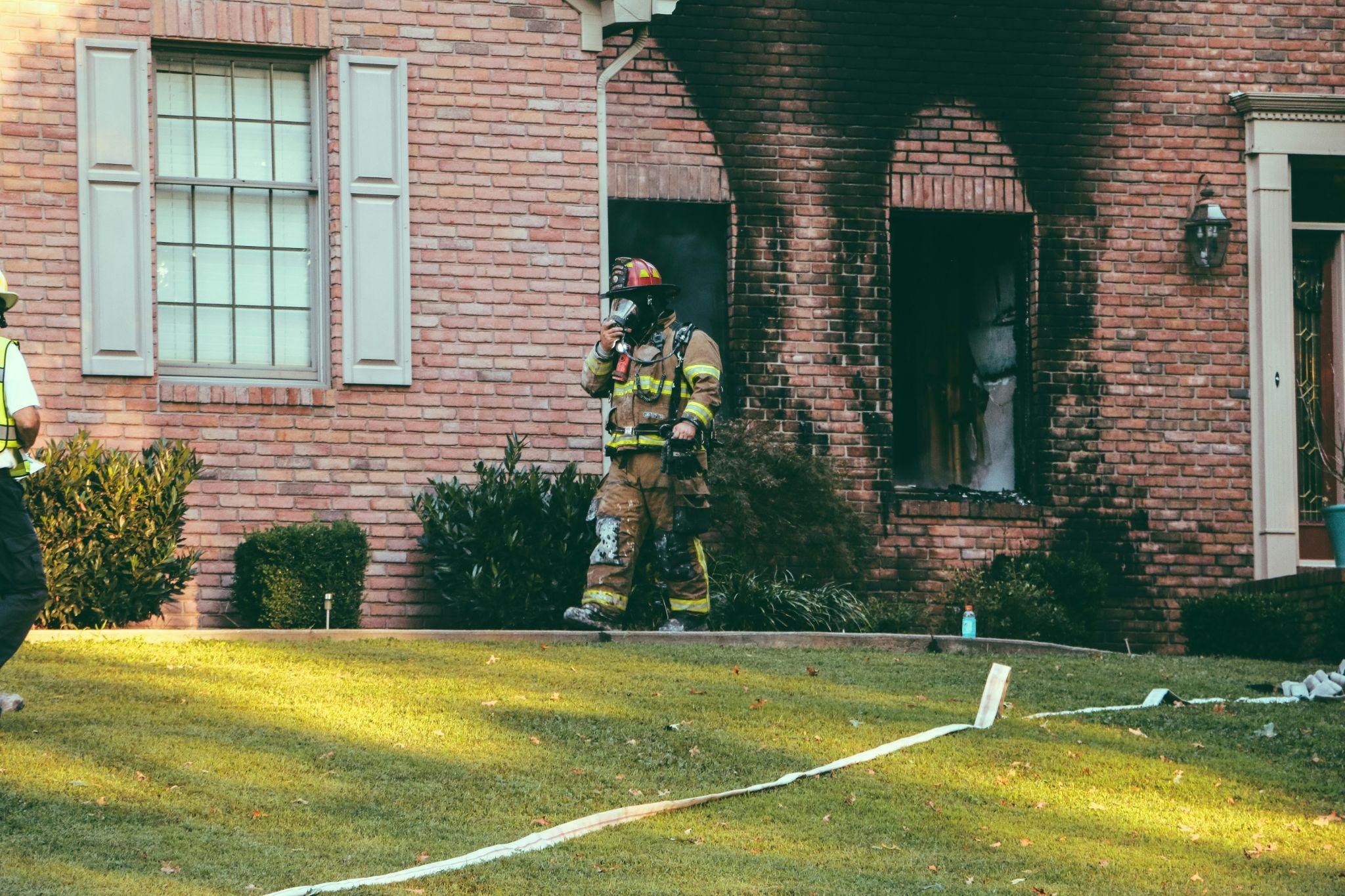
Not every major home project is one you chose. Some get chosen for you.
There were 344,600 house fires in the U.S. in 2023 alone, according to data compiled by Guardian Service from National Fire Protection Association records. That's roughly 25% of all fires nationally. And the most common cause wasn't a faulty appliance or an electrical issue - it was
Fire damage restoration costs between $3,098 and $51,243, with the national average sitting at $27,091, according to HomeAdvisor's 2025 cost data. That range is wide because the damage varies so much - a contained kitchen fire with surface soot is a very different project from a fire that penetrated walls, damaged structural framing, or spread to an HVAC system.
One thing that consistently makes fire damage worse: waiting. Smoke and soot don't stop moving after the fire is out. Soot is acidic - it continues to etch surfaces, discolor walls, and work its way into HVAC systems and soft materials for days after the initial event. Professional fire damage cleanup services handle the full scope - emergency board-up to secure the structure, soot removal, odor neutralization, and content restoration. These aren't tasks to DIY or delay. Every 24 hours without professional intervention typically means more material that can't be saved.
On the insurance side: most standard HO-3 homeowner's policies cover fire damage restoration, including structural repairs and personal property loss. Deductibles typically run $1,000 to $2,500. What's often less covered are smoke damage to high-value personal items or contents not properly documented. Keeping a home inventory - photos of each room and a list of major items - makes insurance claims significantly easier and faster to process. Angi's fire damage restoration cost guide outlines what to expect at different damage levels, which helps when reviewing insurance estimates for accuracy.
Smart Financing: Paying for Both the Expected and the Unexpected
Annual homeowner spending on improvements and repairs is projected to reach $522 billion by the end of 2026, according to the Harvard Joint Center for Housing Studies. That number reflects a reality that most families already feel: homes cost more to maintain and upgrade than people expect when they buy them, and the costs only grow over time.
The smartest thing a homeowner can do is separate these costs into two buckets before either one arrives.
For planned projects like a pool build, a kitchen renovation, or a major outdoor space upgrade, financing options include personal loans, home equity loans, HELOCs, and project-specific financing products. Interest rates on home equity products have averaged in the 8-9% range recently. Shopping rates before you're under time pressure gives you negotiating room and the ability to compare terms without urgency pushing you toward the first offer.
For emergency situations such as fire damage, flood, or roof failure, the calculus is different. Insurance is the first layer, and knowing your actual coverage before a claim happens saves an enormous amount of stress. Read your policy. Know what your deductible is. Know whether your personal property is covered at replacement cost or actual cash value (the difference can be thousands of dollars on a claim).
Beyond insurance, financial advisors commonly recommend a dedicated home repair fund holding 1-2% of your home's value annually. On a $400,000 home, that's $4,000 to $8,000 per year set aside specifically for the unexpected. That fund doesn't replace financing for a pool - it covers the broken furnace, the roof leak, the fire damage deductible.
These aren't complicated ideas. But most homeowners don't have them in place until after a crisis has already made the point.
The Homes That Come out Ahead
The families who navigate big home projects best, whether they're building something new or recovering from something unexpected, tend to share one trait: they made decisions before they were under pressure.
That means getting pool quotes in October instead of April. It means knowing what your homeowner's policy actually covers. It means understanding your financing options before you're standing in a smoke-damaged kitchen at midnight trying to figure out how to pay for the next three months. The good news is that none of this requires being especially wealthy or organized. It requires doing a bit of research early. If you're considering a pool, start with financing options and get two contractor quotes before the season heats up. If you haven't reviewed your homeowner's insurance in a few years, do it this week. These are the crucial renovation projects in planning that most homeowners skip, and they're the ones that make the biggest difference when it counts.