What New San Antonio Homeowners Should Know About Fire Safety in Their Neighborhood
Moving to San Antonio comes with a lot of excitement: the culture, the food, the warm weather, and the sense of landing in a city with deep roots and a strong community feel. But settling into a new home also means getting familiar with the local services that keep your household safe, and fire protection is one of the most important ones to understand early on. Whether you are buying your first home, relocating from out of state, or simply moving into a new neighborhood across town, knowing how fire safety works in San Antonio helps you protect your family, your property, and your peace of mind from the very first day.

*This post may contain affiliate links and I'll earn a commission if you shop through them. You can read my full disclosure here.
Understanding San Antonio's Fire Protection Setup
San Antonio has a large and active fire department serving a sprawling metro area that spans several hundred square miles. As a homeowner, it helps to know that local fire codes govern everything from smoke detector placement to sprinkler requirements in newer builds. When you are buying a home here, your inspector should flag any fire safety compliance issues, but it is worth asking about them proactively, especially in older properties or homes that have undergone recent renovations where work may not have been fully permitted or inspected.
Standard fire safety for homeowners includes working smoke alarms on every level, carbon monoxide detectors near sleeping areas, a fire extinguisher in the kitchen, and a clear home evacuation plan that every family member knows. These are basics, but a surprising number of people move into a home and never verify that any of them are actually in place and functioning.
Home Renovations and Temporary Alarm Outages
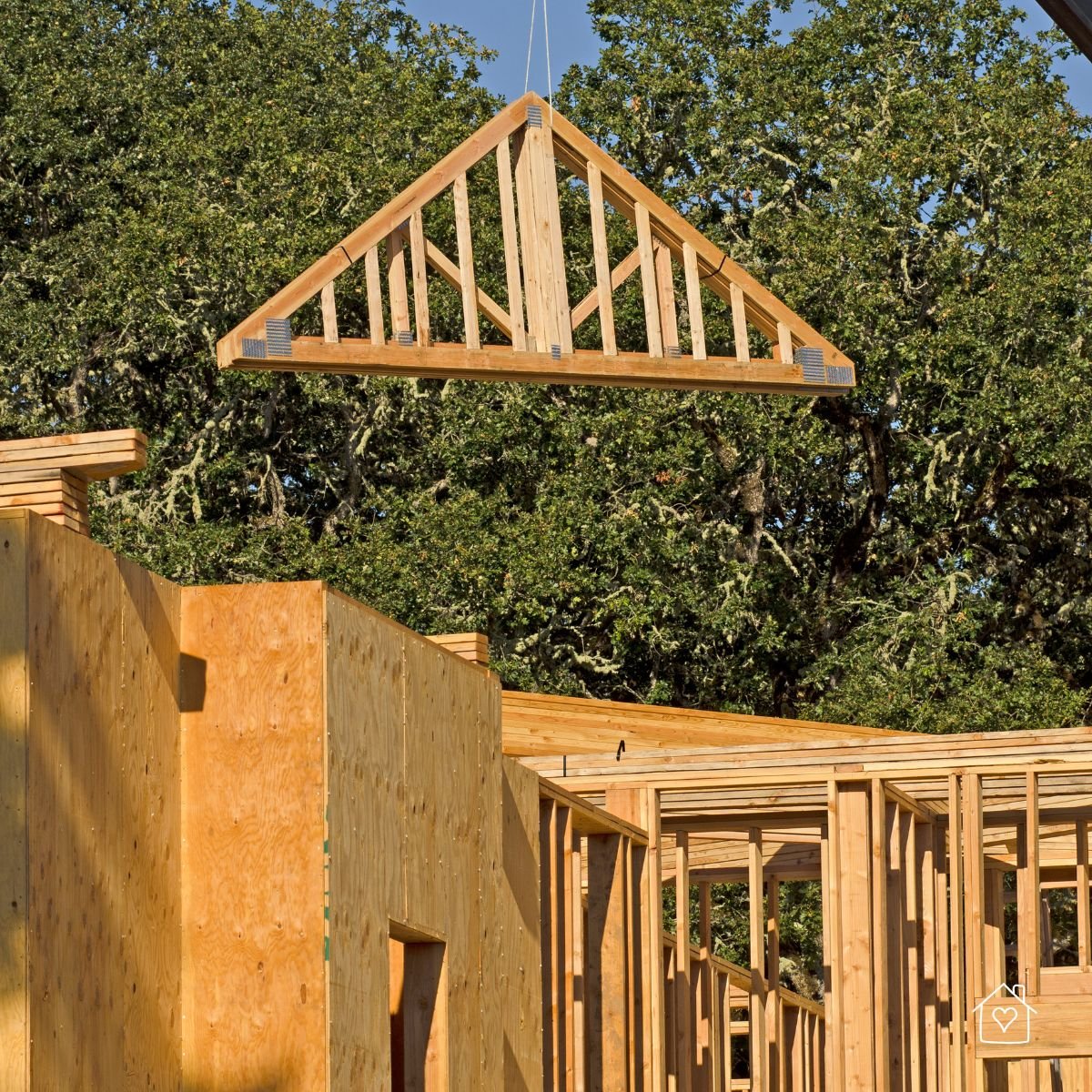
One scenario many new homeowners do not think about: what happens when your alarm system needs to be taken offline during a renovation or repair? This is more common than you would expect. Contractors often need to disable smoke detectors or the central alarm panel while doing electrical work, drywalling, or major HVAC upgrades, and that window of time is when your home is at its most vulnerable. Depending on the scope of the project, an alarm system can be down for several days or longer.

A good precaution during those periods is to look into San Antonio fire watch services, which provide on-site monitoring while your alarm system is down. Instead of leaving your home unprotected for days or weeks during a big project, a trained fire watch guard keeps an eye on the property and can respond immediately if something goes wrong. It is the kind of local resource that is easy to arrange in advance and gives you real peace of mind while the work is underway.
Choosing a Neighborhood With Fire Safety in Mind
If you are still deciding on a neighborhood, fire station proximity is a quiet but meaningful factor that many buyers overlook. Homes located closer to a fire station generally come with lower homeowner's insurance premiums, which is worth checking when comparing properties at similar price points. San Antonio has fire stations distributed across the city, but response times can vary noticeably between established inner-loop neighborhoods and newer developments on the outer edges of the metro, where infrastructure is still catching up with growth.
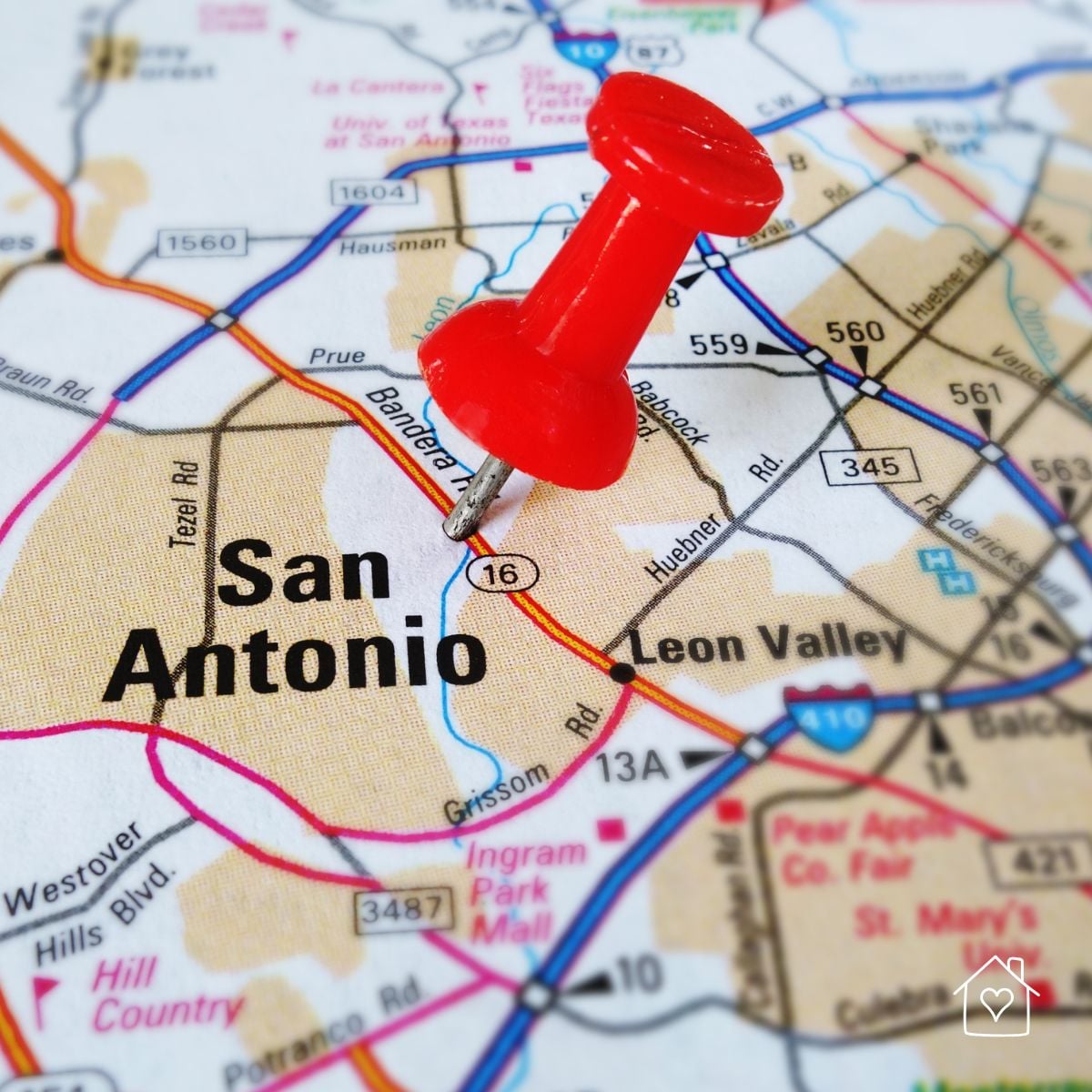
Asking your real estate agent about ISO fire protection ratings in specific zip codes can give you a clearer picture before you commit to a neighborhood. A lower ISO rating means better local fire protection, and that translates directly into savings on your annual insurance premium. It is a small piece of research that can make a real difference over time.
Making Your San Antonio Home Fire-Safe from Day One
Once you are in your new home, a few practical steps go a long way toward reducing risk and giving your household a solid safety foundation:
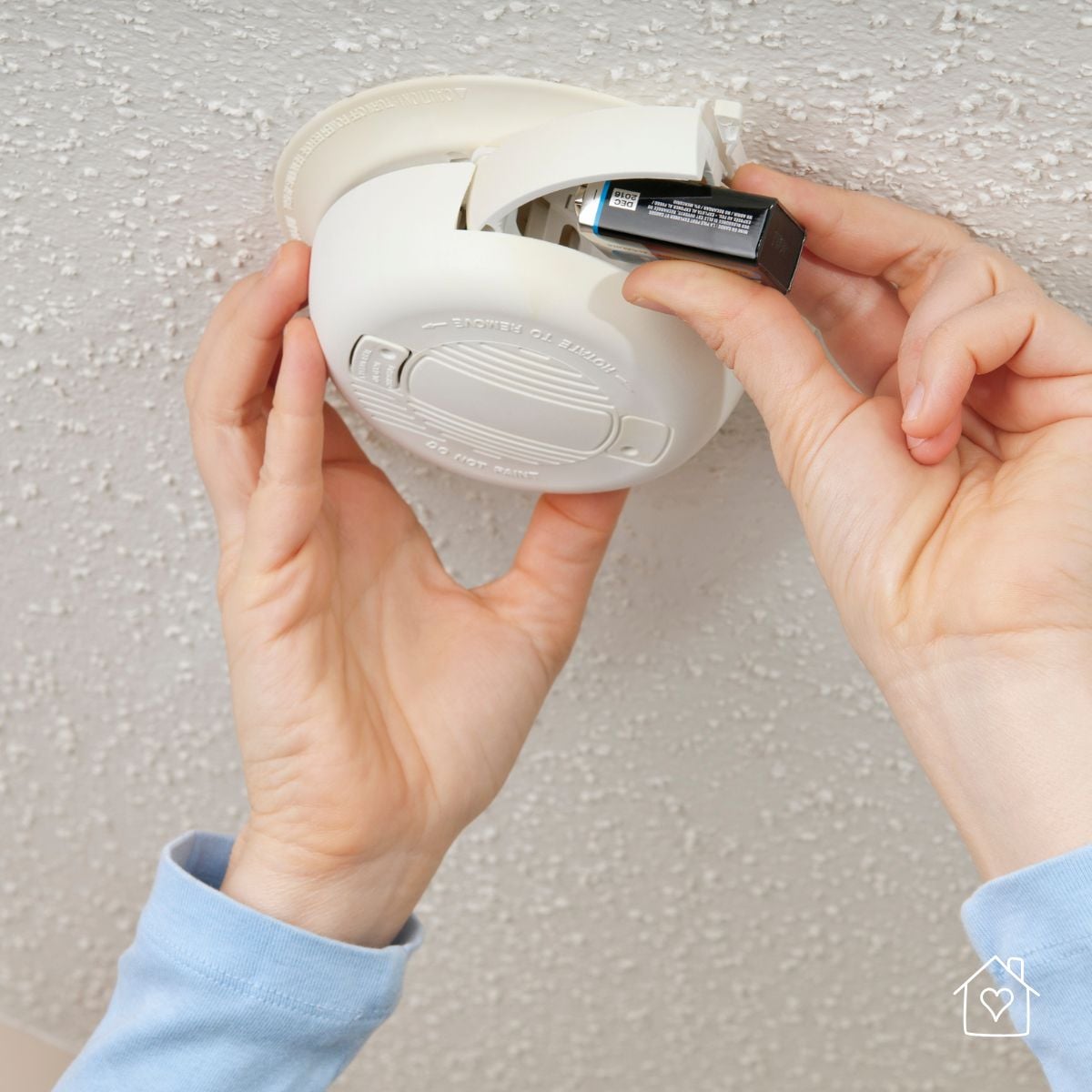
- Test every smoke detector when you move in. Do not assume they work or that the batteries are fresh, even in a newly listed home.
- Check your dryer vent for lint buildup. It is one of the most common and most preventable causes of residential fires.
- Locate your gas shutoff valve and make sure every adult in the household knows where it is and how to use it.
- Review your homeowner's insurance policy. Many insurers offer discounts for homes with monitored alarm systems or sprinklers, and it is worth calling to ask what credits you qualify for.
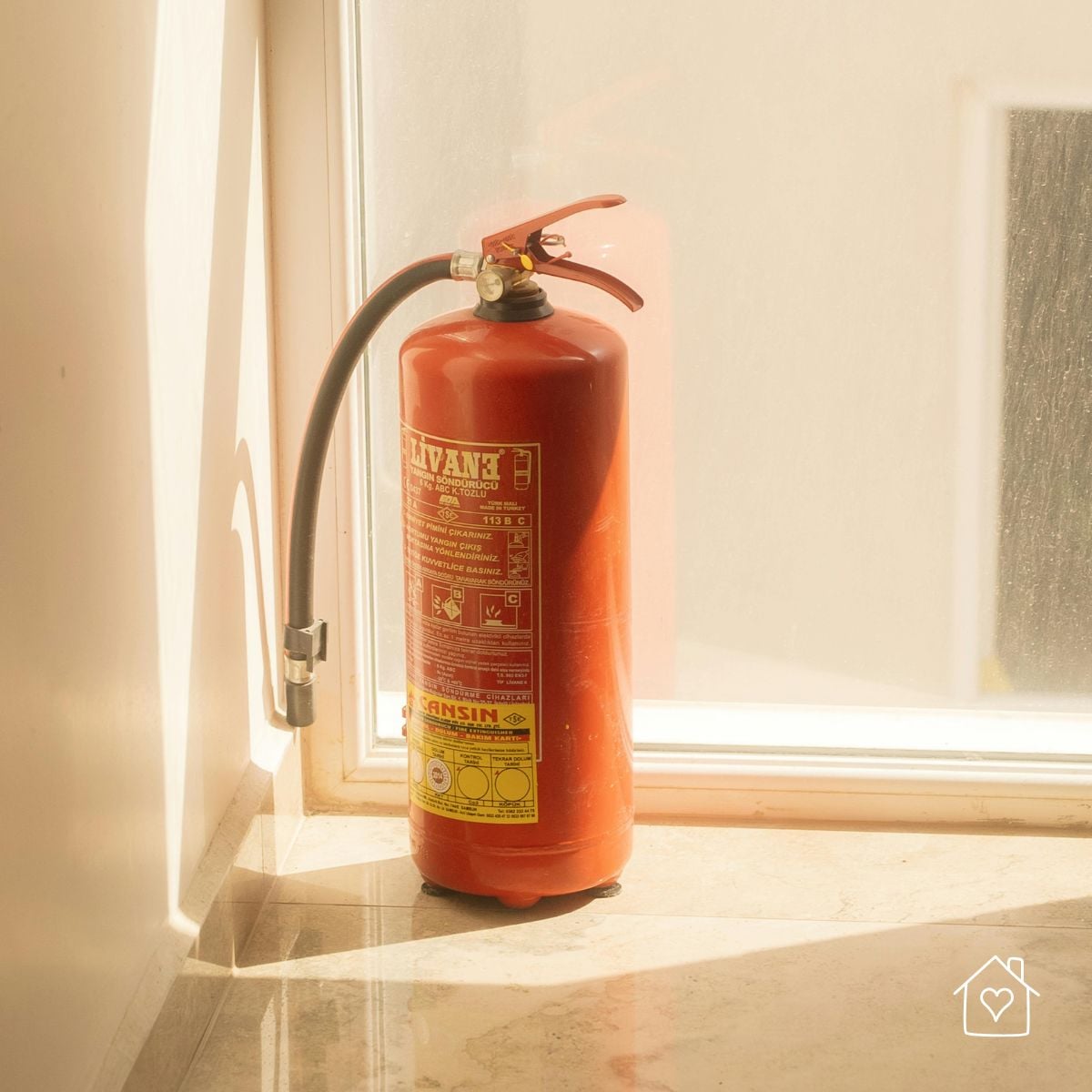
- Keep a fire extinguisher in the kitchen and check that it is charged. Replace or recharge it after any use, even partial.
Getting to Know Your Local Resources
San Antonio's local fire stations often host community events and open houses, especially in neighborhoods with active civic associations. Getting connected early, whether through a neighborhood group, a local Facebook page, or a direct call to your nearest station, can give you a better sense of what resources are available and what your specific area's risk profile looks like. Some neighborhoods near industrial corridors or areas with older housing stock have unique considerations that a local station can help you understand.
It is also worth registering your home security system with the city if you have one. San Antonio has protocols around alarm verification that can affect how quickly emergency services respond, and making sure your registration is current keeps you in good standing.
Fire safety is not just a checkbox when you are buying a home. In a city as large and varied as San Antonio, it is one of those neighborhood details that genuinely affects daily life, your insurance costs, and your family's wellbeing long after moving day is over. Starting with the basics and knowing what local services are available puts you well ahead of most new homeowners before the first box is even unpacked.