10 Best Native Plants for Woodland Landscaping
Disclosure: This post is sponsored by TN Nursery. I only share brands and products I genuinely believe in and think you will love.
The Most Beautiful Part of Your Yard Might Be the Shady Part
If you are searching for the best native plants for woodland landscaping, you have come to the right place. I have always believed that a garden should do more than just look pretty, and nowhere is that more true than in a shaded, wooded space. Maybe it is the way the light filters through the tree canopy in the morning, or the way everything feels cooler and quieter back there. When I had my perennial garden in full swing, the shaded edges were always my favorite spots to plan and plant. Getting that layered, naturalistic look just right felt like a real accomplishment.
If you have a wooded area, a shady backyard corner, or a stretch of trees along a fence line that you have been staring at and not sure what to do with, native plants are your answer. I partnered with TN Nursery to bring you this list of 10 native plants perfectly suited for woodland landscaping. TN Nursery has been growing native plants for over 60 years and even contracts with the Department of Transportation on ecological restoration projects, so these are plants with real credentials behind them. Every one ships bare root right to your door.
*This post may contain affiliate links and I'll earn a commission if you shop through them. You can read my full disclosure here.
Why Native Plants Are the Secret to Beautiful Woodland Landscaping
Non-native plants can struggle in the deep shade, root competition, and naturally acidic soils that come with wooded areas. Native plants do not have that problem. They evolved in conditions just like yours, which means they establish more easily, require less care once settled in, and look completely at home in a way that ornamental plants rarely do.
They also support the local ecosystem in ways that non-natives simply cannot. When you plant natives in a wooded area, you are not just landscaping, you are building habitat.
10 Native Plants Perfect for Woodland Landscaping
1. Paw Paw Tree
The Paw Paw Tree is one of the most exciting native trees you can add to a woodland landscape. It is the only tropical-looking fruit tree native to North America, with enormous leaves that create dramatic, lush canopy and sweet, custard-like fruit that ripens in late summer and early fall. Paw paws grow naturally as understory trees along riverbanks and woodland edges, making them ideal for shaded or partially shaded spots. TN Nursery is actually the largest paw paw grower in the United States, growing over 2 tons of seeds each year.
2. Red Maple Tree
The Red Maple Tree is a true four-season showstopper. In spring it opens with delicate red flowers before the leaves even come out. In summer it provides generous shade. And in fall it absolutely ignites with brilliant scarlet and orange foliage. Red maples are incredibly adaptable, thriving in a wide range of soil types and moisture levels, including the wet, shaded conditions often found in natural woodland settings. They are also exceptional wildlife trees, supporting hundreds of species of native insects, birds, and mammals.
3. Christmas Fern
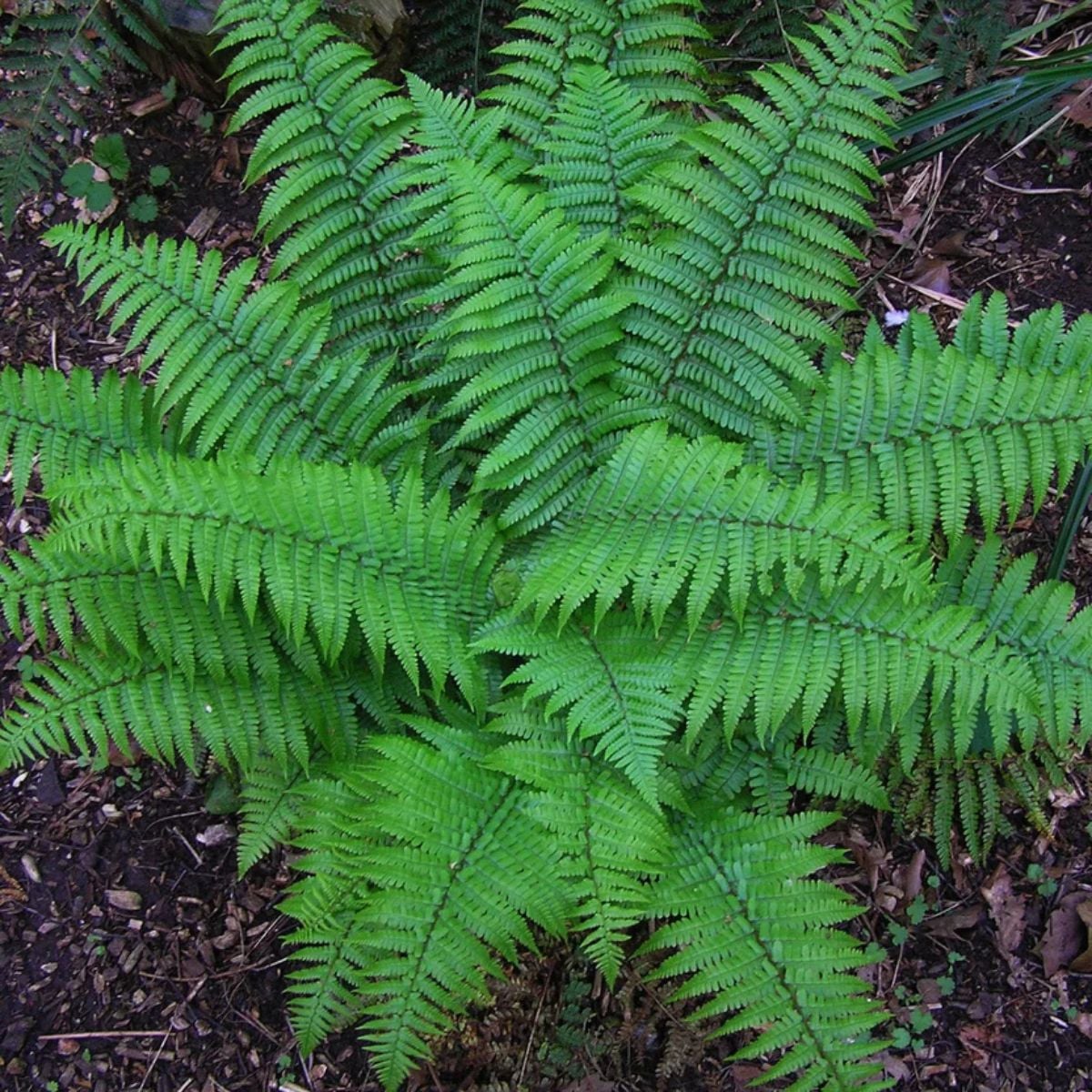
The Christmas Fern is one of the most reliable and beautiful native ferns you can grow. It is evergreen, meaning those glossy dark green fronds stay attractive all year, even through snow and ice. Christmas ferns thrive in the deep shade of mature trees and in the rich, moist, slightly acidic soil typical of wooded areas. They are deer resistant and essentially maintenance-free once established. Plant them along pathways, at the base of trees, or in sweeping masses for a lush, timeless look.
4. New York Fern
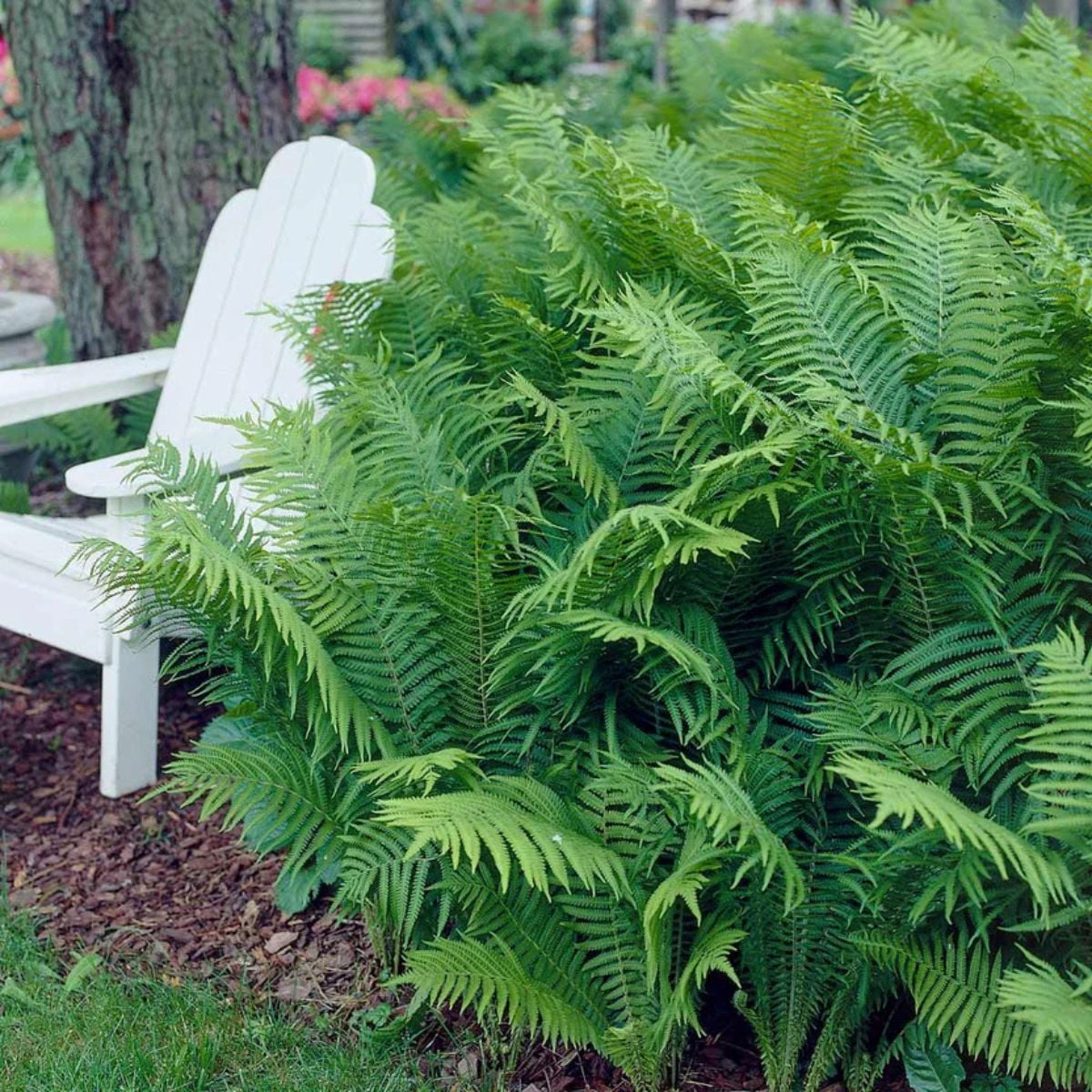
Where the Christmas fern offers year-round evergreen coverage, the New York Fern offers something different and equally beautiful: a soft, feathery, carpet-like texture that spreads gradually to fill in the woodland floor. Its light green fronds taper gracefully at both ends, giving it an elegant, almost translucent quality in dappled light. New York ferns are excellent for naturalizing large shaded areas and controlling erosion on slopes. In fall, the fronds shift to warm gold tones before dying back for winter.
5. Lady Fern
For a fern with a little more drama and height, the Lady Fern is a wonderful choice. Its finely divided, lacy fronds grow upright and can reach up to three feet tall, creating a graceful, feathery presence in the shade garden. Lady ferns are adaptable to both partial and full shade and tolerate a wide range of moisture conditions. They are one of the best ferns for adding soft texture and vertical interest to a woodland border, and they pair beautifully alongside lower-growing ground covers like wild ginger and foam flower.
6. Foam Flower
If there is one native ground cover that looks like it belongs on the cover of a garden magazine, it is Foam Flower. The delicate white flower spikes that rise above the mounded, maple-shaped leaves in spring look exactly like their name suggests: soft, frothy clouds of bloom floating over the woodland floor. Foam flower spreads gently to form a gorgeous ground cover in partial to full shade and pairs beautifully with ferns, hostas, and other shade-loving natives. It is low maintenance, deer resistant, and truly stunning in mass plantings.
7. Virginia Bluebell
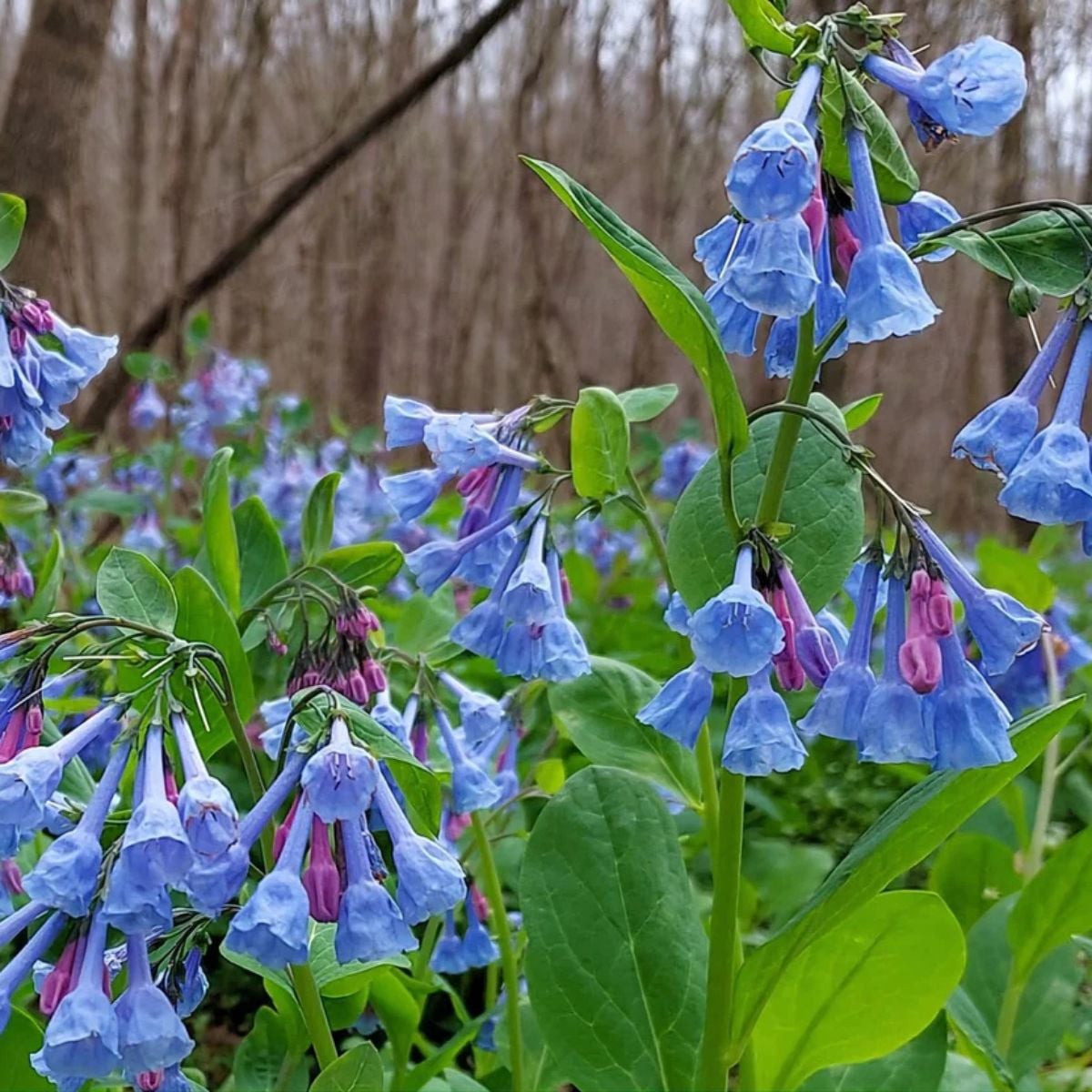
One of the most breathtaking of all native spring wildflowers, Virginia Bluebell produces cascading clusters of soft sky-blue trumpet flowers that carpet the woodland floor in early spring. The flowers begin as pink buds and gradually shift to that signature powdery blue, a transformation that is genuinely magical to watch. Since Virginia bluebell goes dormant by summer, it pairs perfectly with later-emerging ferns and hostas that fill in the gaps as it fades. Plant it in drifts for maximum impact.
8. Wild Geranium
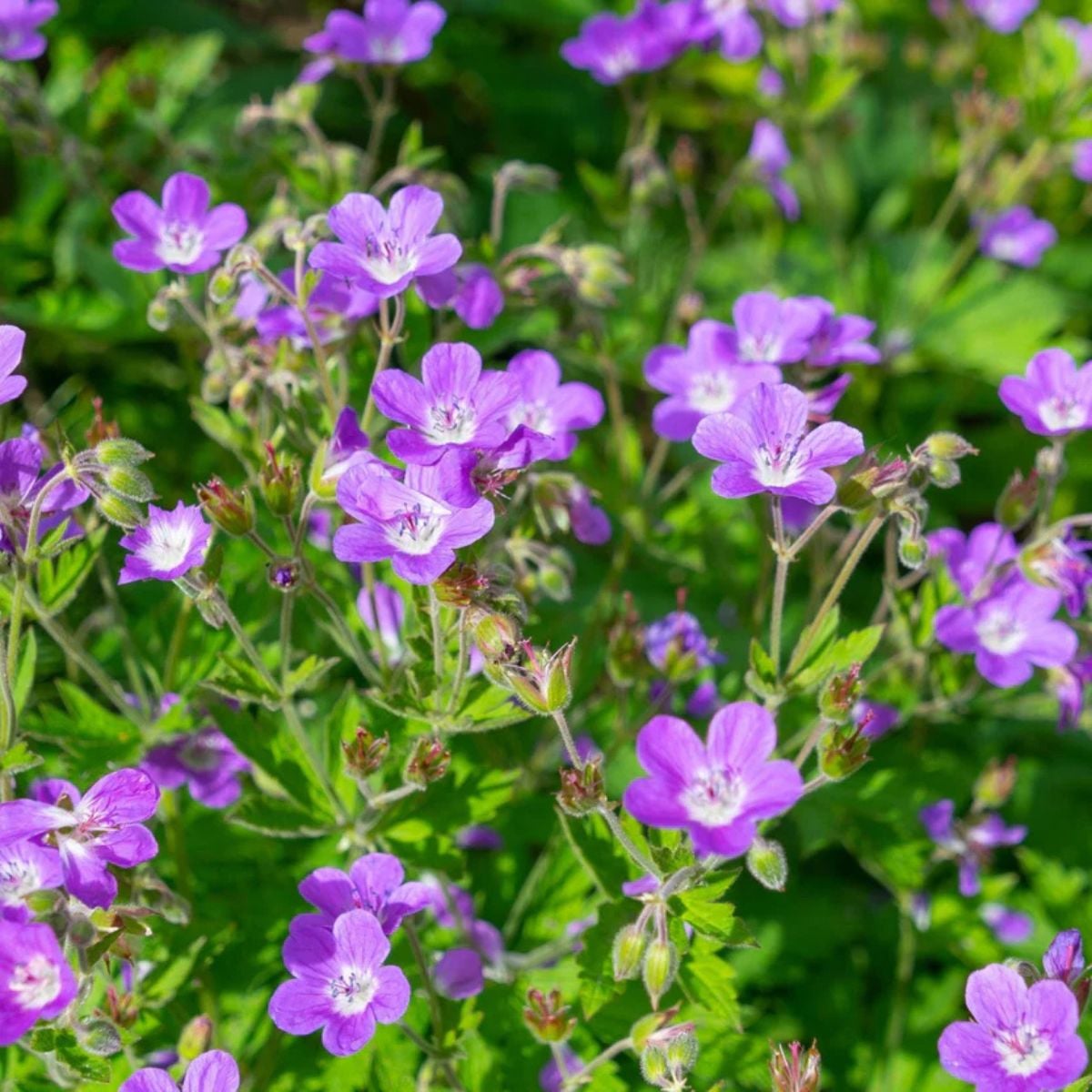
Wild Geranium is a native spring bloomer with pretty five-petaled lavender-pink flowers that bees love. It is incredibly adaptable, thriving in both sun and partial shade, and it spreads gently to form a lovely ground cover in woodland borders. Deer resistant and low maintenance, wild geranium is one of those reliable native plants that rewards you with beautiful blooms every single spring without any fuss. It also naturalizes beautifully, looking more established and natural with each passing year.
9. Dutchman's Breeches
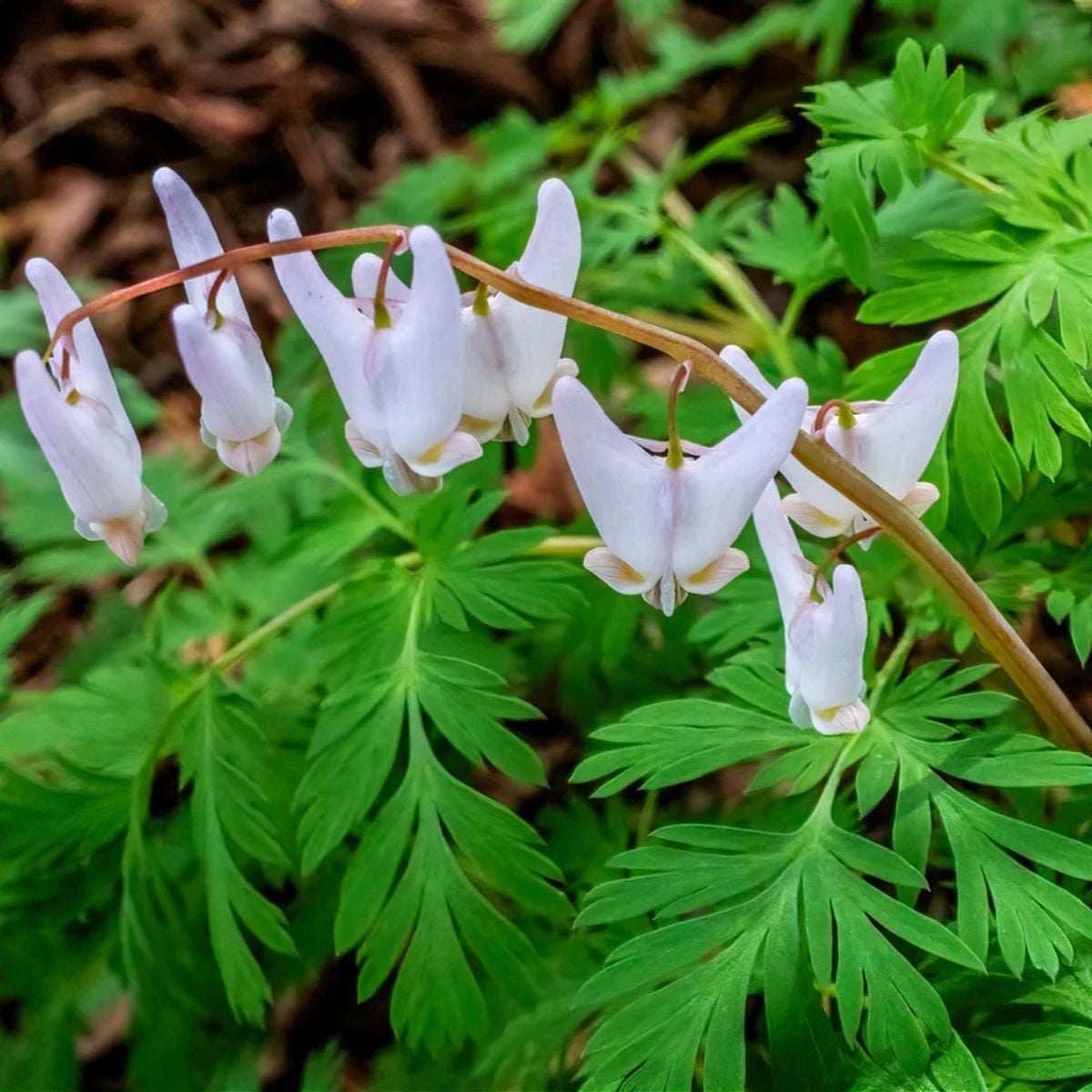
One of the most charming and whimsical of all native woodland wildflowers, Dutchman's Breeches gets its unforgettable name from its tiny pantaloon-shaped white flowers that dangle in a row from arching stems in early spring. The finely divided, fern-like foliage is as pretty as the flowers, and the whole plant has a delicate, fairy-tale quality that is hard to describe until you see it in your own garden. It blooms just as the forest canopy begins to leaf out, providing early-season nectar for bumblebees before going dormant for summer.
10. Celandine Poppy
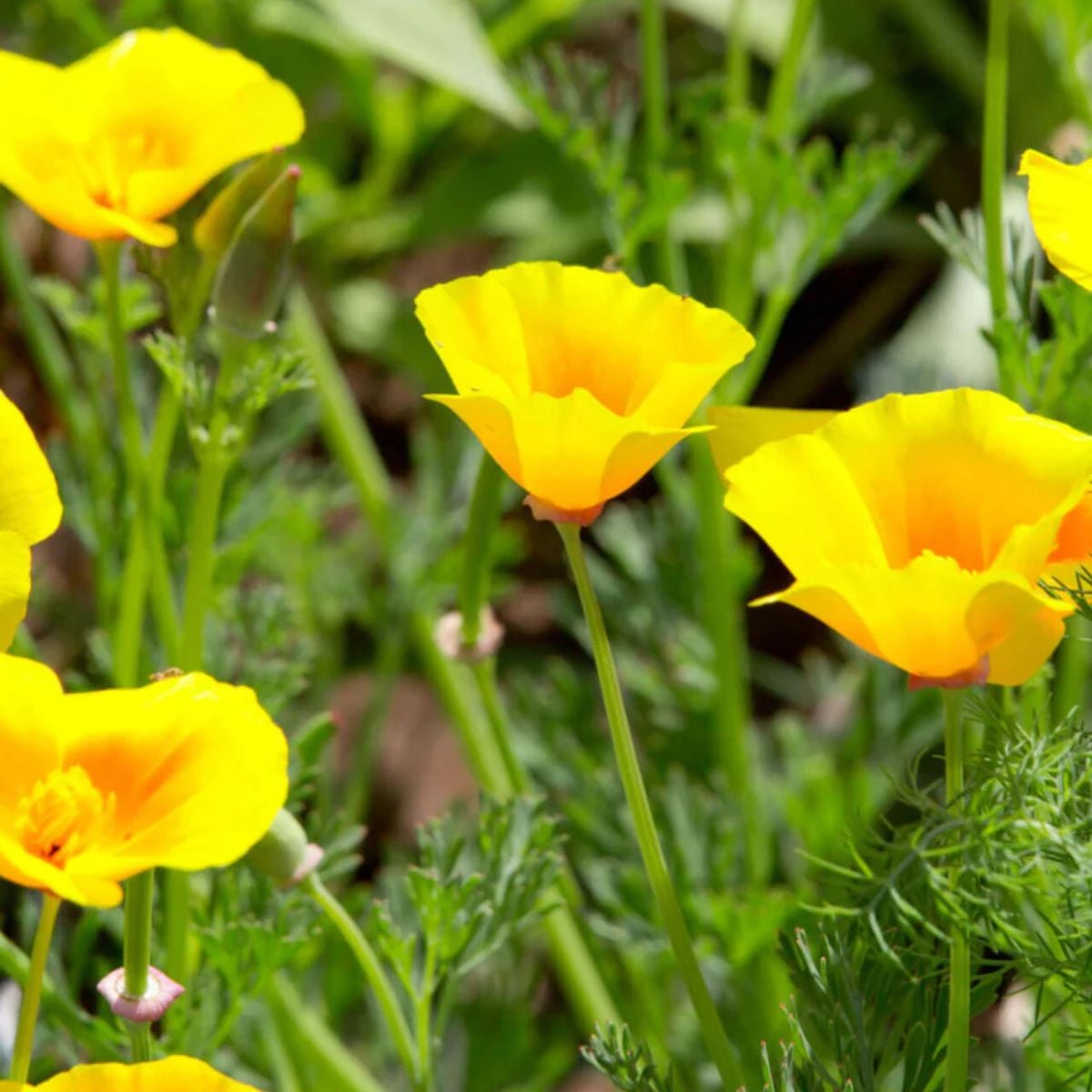
To close this list with a burst of golden sunshine, there is the Celandine Poppy. This native woodland wildflower produces cheerful, bright yellow blooms from mid-spring through early summer, making it one of the only yellow-flowering natives for shaded conditions. It self-seeds gently to form beautiful golden colonies under trees over time, and it pairs magnificently with Virginia bluebells, wild geranium, and ferns for a layered, naturalistic spring display. Low maintenance, pollinator-friendly, and genuinely stunning.
Tips for Planting a Native Woodland Garden
When it comes to native plants for woodland landscaping, a few simple principles will make your planting more successful and more beautiful from the very first season:
- Work with your existing soil rather than against it. Woodland soil is naturally acidic and rich in organic matter from decomposing leaves. Most native woodland plants actually prefer it that way.
- Layer your plantings just like a real forest: canopy trees at the top, understory trees and shrubs in the middle, and ground covers and wildflowers at the floor level.
- Leave the leaf litter. Fallen leaves insulate plant roots, feed the soil food web, and provide habitat for beneficial insects. Let them decompose naturally where they fall.
- Plant in drifts and groups rather than single specimens for a more naturalistic, established look.
- Water new plantings consistently for the first full season. Once native plants are established in conditions they are suited for, they largely take care of themselves.
Shop Native Woodland Plants at TN Nursery
All 10 of these native plants for woodland landscaping are available through TN Nursery and ship bare root, which means they establish quickly and develop strong, deep root systems. Whether you are starting a woodland garden from scratch or filling in an existing shaded area, TN Nursery has the native plants to make it happen.