Framing Lumber and Its Uses Explained
One of the key contributors to many construction projects is framing lumber. Builders count on it for its strength, dependability, and versatility. Knowing its applications allows for safer structures with high durability.
*This post may contain affiliate links and I'll earn a commission if you shop through them. You can read my full disclosure here.
What Is Framing Lumber?
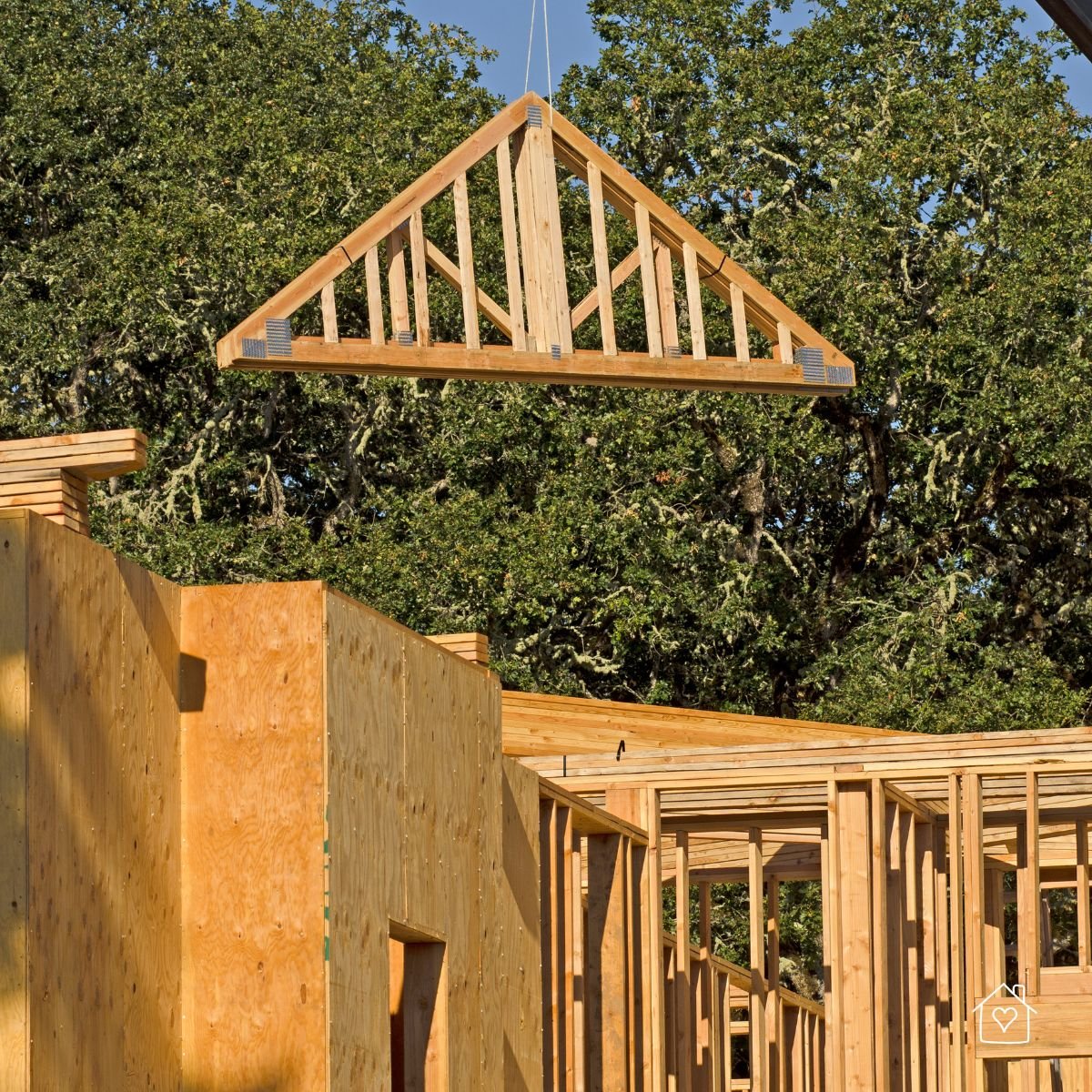
Framing lumber is timber that has been squared off and processed to serve as the structural framework of a building. It provides support for the floors, walls, ceilings, and roofs of a building. This is typically done with softwoods like pine, spruce, or fir, among others.
Grades and Sizes
Framing lumber comes in different grades and sizes. The higher the grade, the better and more solid the wood. Higher grades have fewer knots or other imperfections and are used for load-bearing parts. Common dimensions are two-by-fours, two-by-sixes, and two-by-eighths, used for different construction functions.
Moisture Content and Treatment
To prevent warping and decay, it is crucial to take control of the moisture. The majority of framing lumber is kiln-dried before use to lower its moisture content and increase stability. Parts exposed to ground contact may be treated for insects and fungi with preventive chemicals.
Common Applications in Residential Construction
This is the wood that builders use to construct the frame of houses. Although cinder block walls are fairly common, stud framing appears in many residential walls and spans a few floor and ceiling joists. Rafters are essentially the structure for the roof. They also underpin a form of stability and support in kitchens, bedrooms, living rooms, etc.
Commercial and Industrial Uses
Framing lumber is necessary not just in homes but also in commercial and industrial buildings. In warehouses or offices, they can accommodate heavy loads with larger boards and beams. It also allows for creative design and safe structures in a variety of environments.
Selecting the Right Lumber
The right type and grade are essential for any project. Decisions are guided by things like strength, weight, and elemental resistance. Builders check out building codes to determine the appropriate wood for each use according to the safety law.
Sustainability and Sourcing
Many people consider environmental impact when choosing construction materials. Wood that is responsibly sourced comes from forests managed for renewability and biodiversity, not clear-cuts. Certification labels can help us find wood that has been harvested with care for nature and people.
Handling and Storage Tips
Proper storage prevents lumber from deteriorating before it is used. The boards are kept off the ground and are covered to prevent moisture damage. Good airflow diminishes the chances of mold or warping that would render any piece weak and unusable before construction starts.
Safety Considerations
Framing lumber has its own safety requirements. Gloves, eye protection, and sturdy footwear prevent injuries. Proper tool use and safety practices are essential for keeping workers safe while preserving the integrity of the job.
The Role of Fasteners
Nail guns use fasteners, such as screws, nails, and metal plates, to hold the support framing lumber together. For the type and size of wood, we made the right choice in selecting fasteners and the load. Structural integrity derives significantly from sound connections.
Building Codes and Standards
Building codes will apply to construction projects. These standards govern the grade, dimension, and configuration of framing materials. The following codes make sure that completed structures will be safe, sound, and durable.
Innovations in Framing Techniques
Innovations in engineering have resulted in novel techniques for framing. But engineered lumber products-like laminated veneer lumber or parallel strand lumber-have more durability and flexibility. These materials enable the construction of larger or more energy-efficient spaces.
Cost Considerations
Material selection still involves price as a consideration. It may be best to pay a little more for higher-quality lumber so that you will have less repair and maintenance over time. Proper mitigation of the budget with performance goes a long way in ensuring successful results for any construction task.
Conclusion
Framing lumber is an integral part of safe and durable building. Knowing about its types and uses, as well as following the best practices, guarantees every project will hold on. Intelligent selection, handling, and adherence to standards yield spaces that last for generations.