Framing Your DIY Dreams: A Beginner’s Guide to Roof Trusses for Home Additions
There's something deeply satisfying about sketching out a new space-an extra room, a garage, maybe a backyard workshop-and knowing you're the one making it happen. Home additions aren't small undertakings, but for hands-on homeowners, they're the kind of challenge worth tackling.
The thrill of new square footage quickly meets the reality of structural planning. And while finishes and flooring are fun to pick out, what holds everything up-literally-is where your project truly begins. Before you get too far into the design phase, it's worth understanding how roof trusses shape the strength, layout, and lifespan of your build.
Because the right frame doesn't just support a roof, it supports your entire vision.
*This post may contain affiliate links and I'll earn a commission if you shop through them. You can read my full disclosure here.
Why Roof Trusses Matter in DIY Home Projects
When you're adding onto your home or building from scratch, framing decisions can make or break the outcome. Roof trusses play a central role in how your structure bears weight, handles stress, and stands the test of time. For DIYers, they also simplify a complex job.
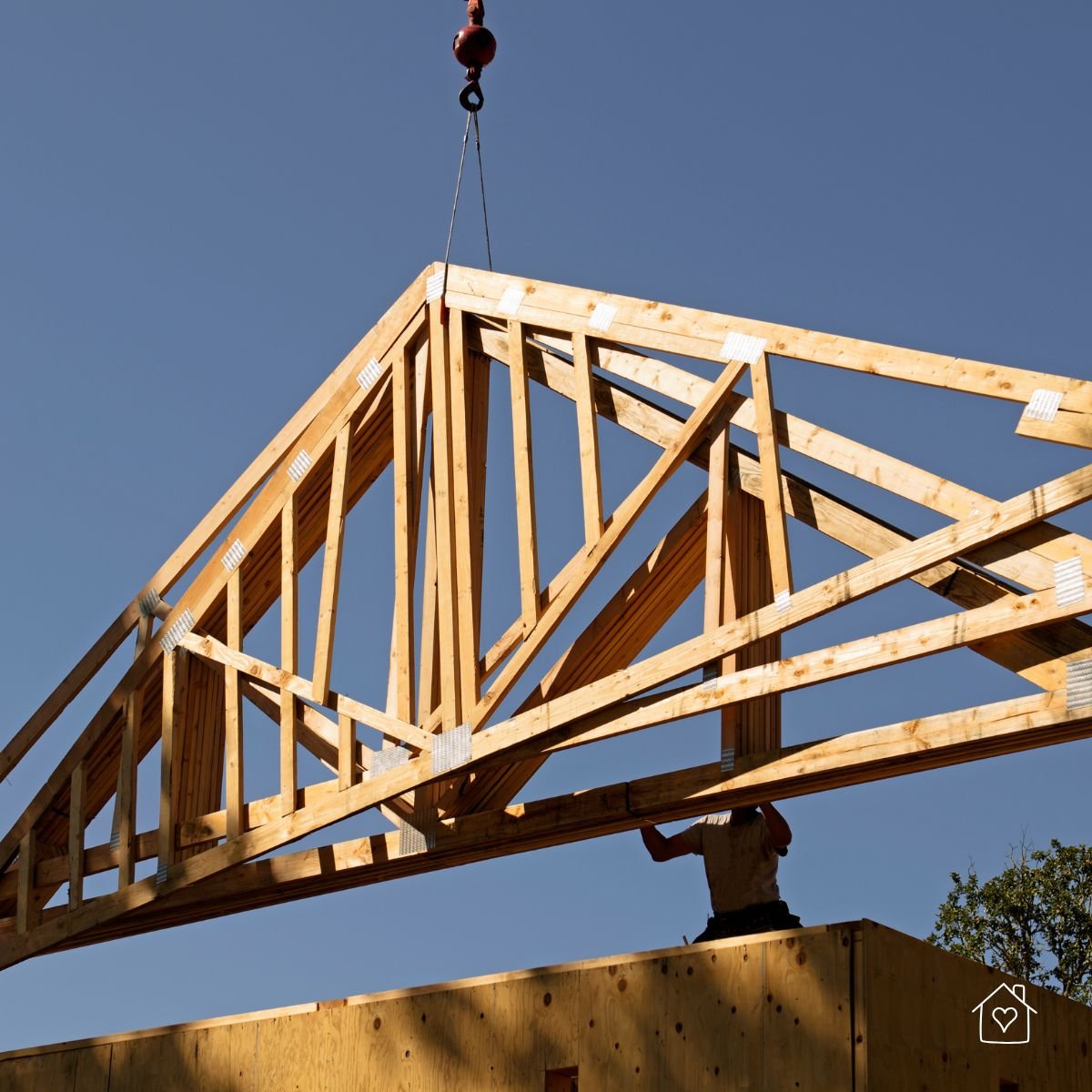
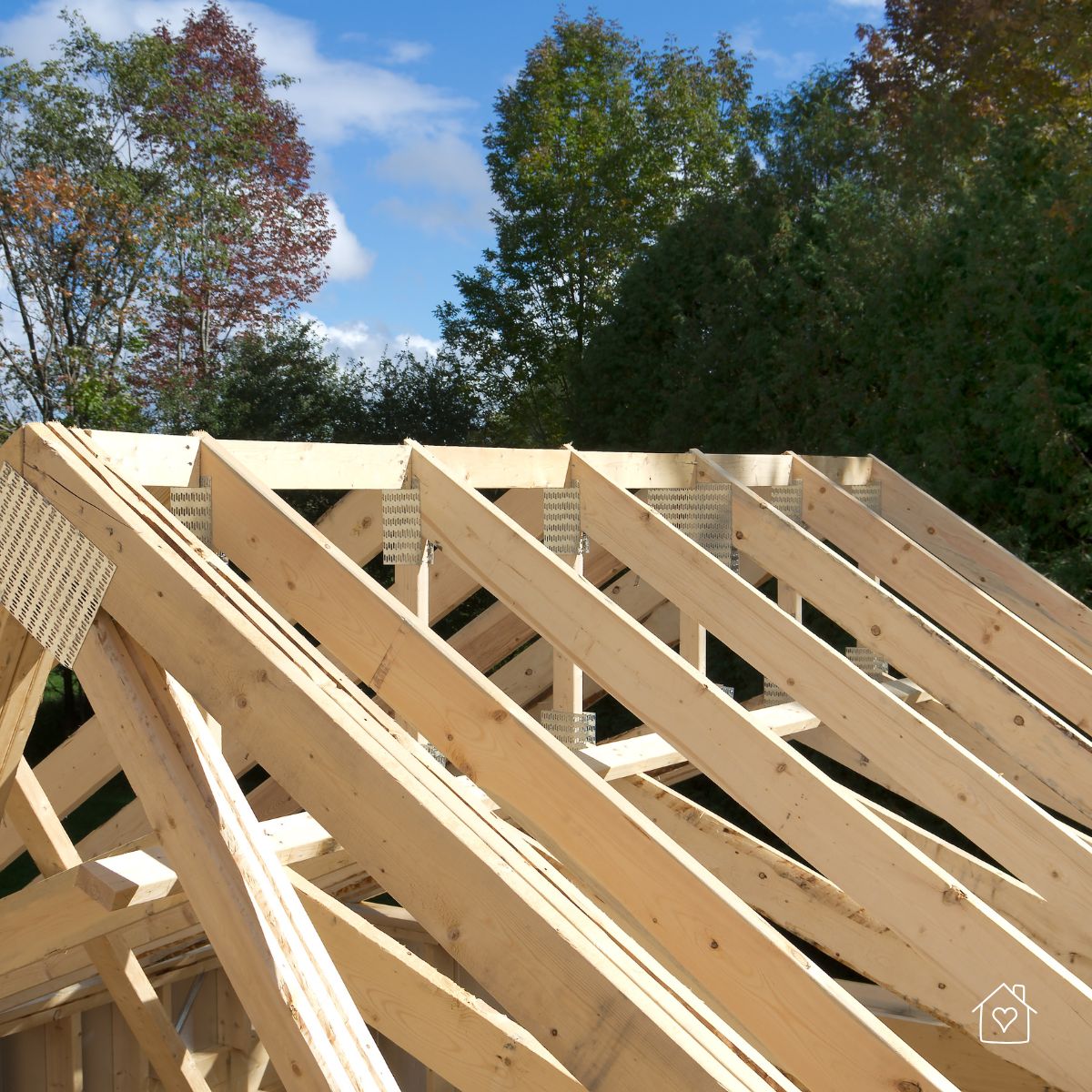
Traditional roof framing (known as stick framing) involves cutting and assembling each rafter on-site. It's labor-intensive and requires a solid grasp of geometry and load distribution. Trusses, on the other hand, are prefabricated units built to exact specifications. They arrive ready to install, making them faster and more reliable for anyone not working with a full crew.
But it's not just about saving time. Trusses can span wider distances without interior load-bearing walls, which gives you more flexibility in your interior layout. They're also engineered for strength and consistency-two qualities that matter when you're building something to last.
Whether you're planning a sunroom, bonus room, or workshop, trusses take the guesswork out of roof framing and bring lasting integrity to your project.
Types of Roof Trusses Explained (Simply)
Not all trusses are built the same. The style you choose depends on your space, design goals, and structural needs. Here's a straightforward look at a few common types.
- Gable Trusses
The most widely used style. Gable trusses form the classic pitched roof with two sloping sides and a flat end. They're ideal for additions, garages, and rectangular layouts-easy to work with and cost-effective.
- Scissor Trusses
These create a vaulted ceiling effect by angling the bottom chord (the interior ceiling line). If you want taller ceilings or a more open feel, scissor trusses are worth considering.
- Attic Trusses
Designed with built-in open space, attic trusses allow for a livable room under the roof. Heavier and more specialized, they're perfect for adding usable square footage without a full second floor.
- Mono Trusses
A single-sloped truss is often used for lean-tos, sheds, or when tying into an existing roof at an offset.
Each option serves a different purpose. But when it comes to straightforward DIY projects, gable trusses are often the most practical-simple, strong, and adaptable to many designs.
Spotlight: Gable Roof Metal Trusses for Stronger, Simpler Builds
If you're planning a home addition or something like a detached garage or backyard studio, structural strength matters from the start. One increasingly popular option among experienced DIYers is the gable roof metal truss.
Compared to traditional wood, metal trusses offer durability with less weight. They resist warping, moisture, and pests, and can span longer distances without additional supports. That means fewer interior interruptions and more freedom in how you design the space.
These trusses are also pre-engineered, which cuts down on install time and ensures precision-especially helpful if you're building with a small team or doing the work yourself. For homeowners looking for a reliable framing solution that's built to last, gable-style metal trusses are a smart, low-maintenance choice.
What to Consider When Planning Your Roof Framing
Before you pick a truss type, take time to think through the structural essentials. Every roof has to support its weight, but also account for weather, wind, and other stress over time.
Start with the span. That's the distance the trusses need to cover without interior support. Longer spans require more robust construction. Then consider the total load-not just the weight of the roofing materials, but snow, wind, or equipment like solar panels.
Building codes also come into play. Your local guidelines may dictate the size, spacing, and materials allowed for residential roof framing. It's worth checking your area's permit requirements and reviewing the basics of gable vs. hip roofs to determine which type of roof best suits your build.
If the structural math feels overwhelming, prefab truss suppliers often offer guidance and support. They can help you get the specs right without needing to hire an architect or engineer upfront.
Getting Started with Your Home Addition the Smart Way
Before any construction begins, make sure you've laid the groundwork. That means knowing your budget, understanding local code requirements, and creating a detailed build plan. These early steps might not be as exciting as choosing finishes, but they're what keep your project on track.
Using prefabricated trusses simplifies one of the most complex parts of the build. You won't need to calculate angles or build everything piece by piece. With factory-built precision and clear installation steps, even experienced DIYers can streamline the process and save time on-site.
Once the frame is up, your attention turns to materials. The roof system and siding you choose have a direct impact on weather resistance, energy efficiency, and long-term durability. Choosing high-quality roofing and siding materials from the start helps ensure your new addition holds up season after season.
Build With Confidence
Every strong addition begins with solid framing. Trusses may sit out of sight once the structure is finished, but they determine how well everything holds together. Knowing your options and choosing the right setup gives your build the foundation it deserves.
Because when the bones are strong, everything else has room to grow.