Material Transitions: Roofing and Siding Choices That Define Durability
A home's exterior is its most visible promise-a declaration of shelter and stability. It is the first line of defense, a silent guardian standing against searing sun, driving rain, and seasonal storms.

The materials chosen for this protective shell are therefore not merely decorative decisions; they are fundamental investments in the structure's longevity and the safety of everything within.
This selection process involves a critical balance between the aesthetic character that brings a home to life and the functional durability that ensures it endures for generations.
- Climate Suitability: The material's ability to withstand local weather conditions, such as intense sun, heavy rain, or freezing temperatures.
- Overall Cost: This includes not just the initial purchase and installation price but also long-term expenses for upkeep and potential repairs.
- Maintenance Requirements: The amount of effort and expense needed to keep the exterior performing its best, from simple
cleaning to regular painting or sealing. - Architectural Style: How the material's texture, color, and form complement the home's overall design.
- Environmental Impact: The sustainability of the material, including its source, manufacturing process, and end-of-life recyclability.
While visual appeal is what often captures the imagination, it is the underlying strength and resilience of the chosen materials that provide true, lasting value.
Exploring the options for a home's exterior means delving into a world of material science where innovation meets tradition, with the ultimate goal of creating a facade that is as tough as it is beautiful.
*This post may contain affiliate links and I'll earn a commission if you shop through them. You can read my full disclosure here.
The Foundation of Protection: A Holistic Approach to Exterior Cladding
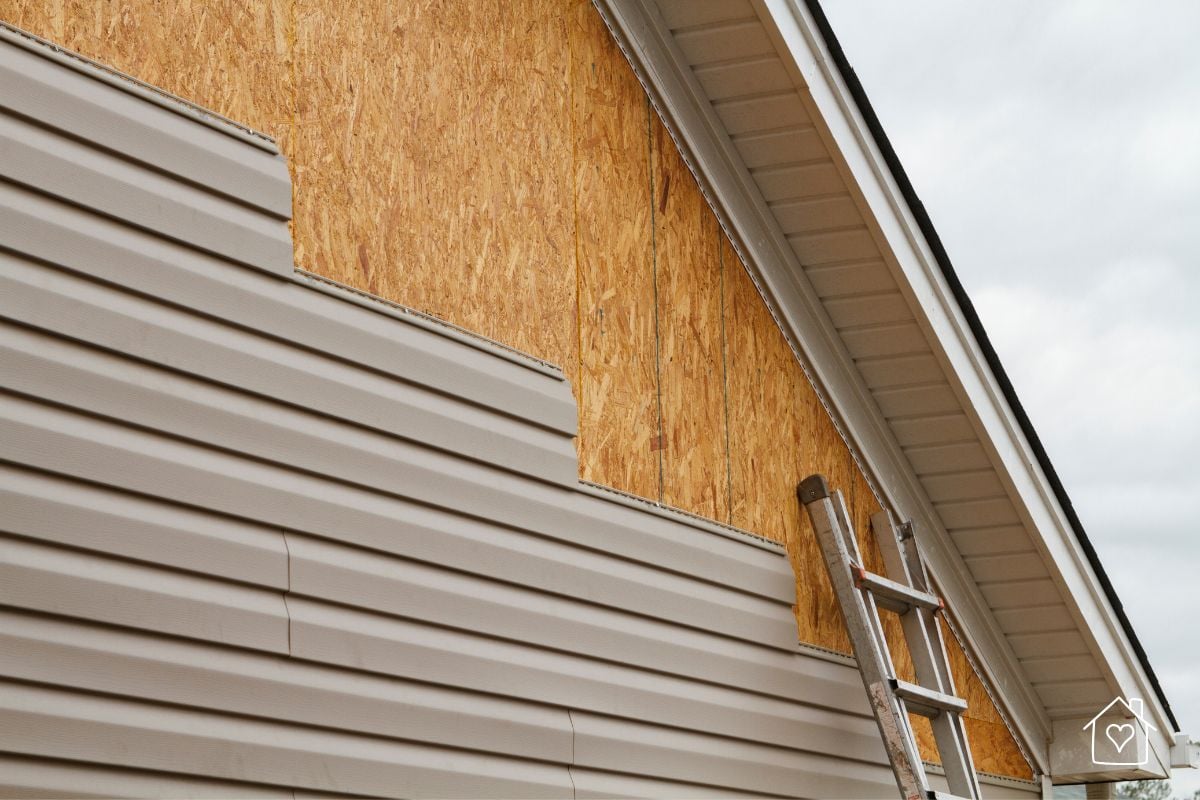
The resilience of a home is not determined by a single component, but by how its protective elements function as an integrated system. The roof and walls must work in concert, creating a seamless envelope that effectively sheds water, resists wind uplift, and withstands impacts. When homeowners and builders consider these choices together, the synergy between the roofing and siding can be optimized for maximum protection and a cohesive architectural vision.
A failure in one area, such as improperly installed flashing where a roofline meets a wall, can compromise the entire structure, leading to moisture intrusion and decay. This holistic view recognizes that wind-driven rain does not distinguish between vertical and horizontal surfaces.
Therefore, planning the exterior requires a comprehensive strategy that accounts for how these two critical barriers will interface, expand, and contract together through the changing seasons, ensuring the home remains sealed, secure, and structurally sound for decades.
Modern Marvels in Siding: Fiber Cement and Engineered Wood
For decades, the choice in siding was a straightforward matter of wood, vinyl, or aluminum. Today, however, material science has delivered remarkable alternatives that offer superior performance without sacrificing aesthetic versatility.
Fiber cement siding, a composite of cement, sand, and cellulose fibers, stands out for its incredible durability. It is non-combustible, impervious to rot and termites, and remains stable through extreme temperature fluctuations, resisting the cracking and warping that can plague other materials.
Similarly, engineered wood siding offers the timeless appeal of natural wood but is treated with binders and resins to resist moisture and decay far more effectively.
These advanced materials provide homeowners with the ability to achieve any look, from classic lap siding to modern, clean-faced panels, all while drastically reducing long-term maintenance demands and bolstering the home's primary defense against the elements. Their longevity makes them a prudent investment in a property's future.
The Enduring Canopy: Exploring Metal and Slate Roofing

While the solutions provided by conventional asphalt roofing services meet the needs of many homeowners, a different class of materials exists for those seeking ultimate, multi-generational longevity. In this premium category, few options can compete with the performance of metal and slate.
Standing-seam metal roofs, crafted from steel, aluminum, or copper, offer a lifespan of 50 years or more, easily shedding snow and rain while providing exceptional resistance to high winds and fire. On the other end of the spectrum is slate, a natural stone that has been used as a roofing material for centuries.
A properly installed slate roof can last for over 100 years, offering a timeless aesthetic that is virtually impervious to the elements.
While the initial investment for these systems is significantly higher, their unparalleled durability and minimal maintenance needs present a compelling case for long-term value, transforming them from mere roof coverings into permanent architectural features.
The Trusted Mainstay: The Evolution of Asphalt Shingles
Asphalt shingles remain the most common roofing material across North America, largely due to their affordability and straightforward installation. However, today's shingles are a far cry from the simple, flat 3-tab products of the past.
Modern architectural or dimensional shingles are thicker, heavier, and manufactured with multiple layers of fiberglass and asphalt, creating a varied, textured appearance that enhances curb appeal. This laminated construction also provides superior durability, with enhanced warranties and higher wind-resistance ratings that make them a reliable choice in many climates.
The key to unlocking their full potential lies in the quality of the installation. Professional asphalt roofing services ensure that every detail, from the starter strip to the ridge cap ventilation, is handled correctly. This expert application is essential not only for preventing leaks and ensuring the shingles perform as designed but also for validating the manufacturer's warranty, securing the homeowner's investment for decades.
The Crucial Role of Craftsmanship in Material Longevity
Selecting a high-performance material is only half the battle; its real-world durability is ultimately determined by the skill of the installer. Even the most advanced fiber cement siding or a 100-year slate roof can fail prematurely if not fastened, flashed, and integrated correctly.
Proper craftsmanship ensures that water is directed away from vulnerable areas, that materials have room to expand and contract without buckling, and that the entire exterior envelope functions as a single, cohesive unit. This is where the reputation and expertise of the chosen contractor become paramount.
A firm like GME Remodeling, for example, builds its name on the promise that meticulous installation translates directly to longevity and client peace of mind. Investing in a skilled installation team is as crucial as investing in the materials themselves, as it guarantees that the potential durability promised on a product spec sheet becomes a tangible reality in your home.
Conclusion
Ultimately, the materials that form a home's exterior are more than just a facade; they are a long-term commitment to the structure's integrity and resilience.
The transition from choosing materials based on initial cost to prioritizing life-cycle value marks a significant shift in homeowner perspective. Investing in the inherent durability of fiber cement siding or the enduring strength of a metal roof is an investment in peace of mind, drastically reducing future maintenance costs and the likelihood of premature failure.
However, this choice is intrinsically linked to the quality of the installation. The most sophisticated materials cannot perform as designed without meticulous craftsmanship. When thoughtful material selection is combined with expert installation, the result is a home that is not merely shielded from the elements but is fortified by a beautiful, lasting, and truly durable exterior sanctuary.