Choosing Between Realistic and Contemporary Mural Styles for Your Estate
*This post may contain affiliate links and I'll earn a commission if you shop through them. You can read my full disclosure here.
Estate owners face artistic decisions that will define their living environments for generations. The choice between realistic representation and contemporary abstraction extends beyond personal preference into architectural harmony, cultural significance, and investment strategy. Each approach offers distinct advantages while serving different lifestyle requirements and aesthetic philosophies.
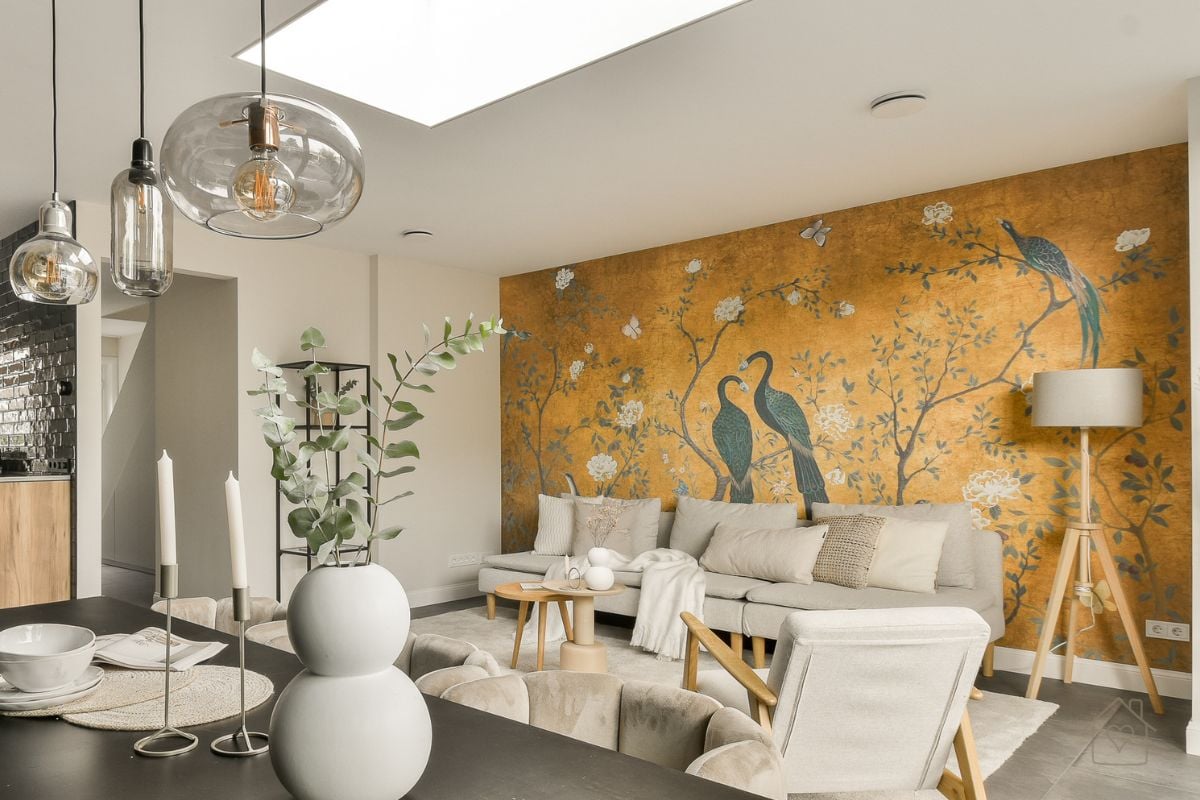
Professional mural agency consultants understand that sophisticated property owners require comprehensive guidance when navigating these artistic territories. The decision influences immediate visual impact, long-term satisfaction, property value enhancement, and family legacy considerations. The selection process demands careful evaluation of architectural style, room function, lighting conditions, and personal aesthetic vision.
Understanding Estate Mural Style Categories
Estate owners benefit from understanding the distinct characteristics that separate realistic and contemporary mural approaches. Each category encompasses various techniques, materials, and aesthetic philosophies that serve different design objectives and architectural contexts.
Realistic Mural Approaches for Luxury Properties
Traditional realistic techniques emphasize accurate representation of natural subjects, architectural elements, and cultural themes. Artists employ classical training methods to create three-dimensional, lifelike artwork requiring extensive skill in perspective, proportion, and detail rendering.
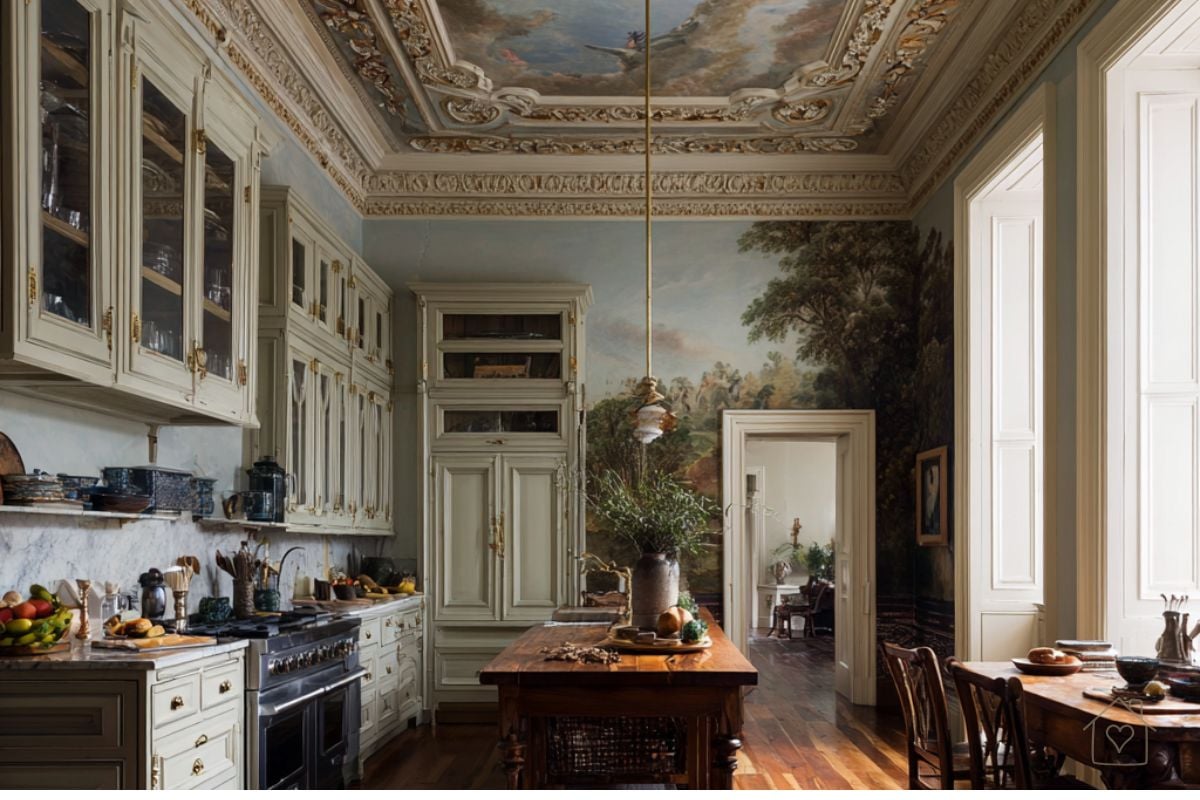
Botanical realism captures garden beauty with scientific accuracy, bringing outdoor splendor indoors. Landscape murals extend property views beyond physical boundaries, creating illusions of expanded space. Architectural trompe-l'oeil techniques add perceived structural elements that enhance existing design features. Historical and cultural themes connect estates to artistic traditions and regional heritage, appealing to owners who appreciate traditional craftsmanship.
Contemporary Mural Design Philosophy
Modern contemporary approaches prioritize color relationships, geometric compositions, and innovative materials over representational accuracy. Artists explore abstract concepts through bold color fields, dynamic patterns, and experimental techniques that challenge traditional boundaries, emphasizing emotional response and spatial transformation.
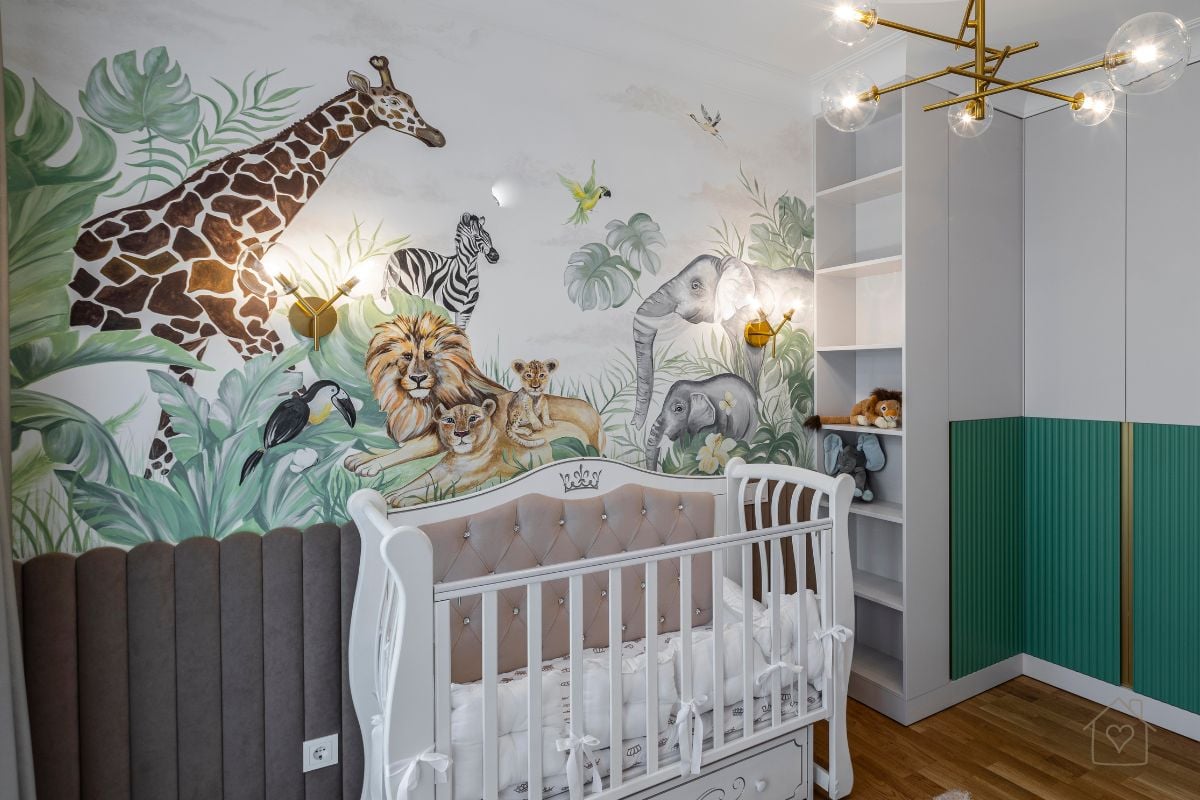
Geometric designs integrate mathematical precision with artistic vision, complementing modern architectural elements. Color field applications use large areas of pure color to influence mood and spatial perception. Minimalist aesthetics embrace simplicity and restraint, using subtle variations in texture and tone to create sophisticated visual experiences suitable for understated elegance.
Architectural Harmony and Style Selection
Successful estate mural projects require careful coordination between artistic vision and existing architectural characteristics. The relationship between mural style and structural design determines whether the artwork enhances or detracts from overall aesthetic coherence and property value.
Classical Estate Architecture and Mural Coordination
Georgian and Colonial architecture present formal frameworks where realistic artwork often achieves superior integration. Traditional proportions, symmetrical compositions, and historical materials create contexts complemented by realistic botanical and landscape themes. Color palettes derived from historical samples ensure harmony between new artistic elements and established architectural finishes.
Modern Estate Design Integration
Contemporary architectural styles featuring clean lines, large windows, and open floor plans provide different contexts for mural integration. Modern estates often benefit from abstract and geometric approaches that complement architectural simplicity. Contemporary murals can define spaces within open floor plans while maintaining spatial openness that modern design prioritizes.
Transitional Estate Style Solutions
Many estates combine architectural elements from different periods, requiring approaches that bridge traditional and contemporary philosophies. Neutral palettes and simplified compositions provide flexibility for estates undergoing renovation, enabling artwork that remains appropriate as interior design evolves.
Room Function and Mural Style Relationships
Different estate rooms serve distinct purposes that influence optimal mural style selection. Understanding these relationships enables owners to maximize both functional performance and artistic impact through appropriate style matching.
Formal Entertainment Areas and Style Choices
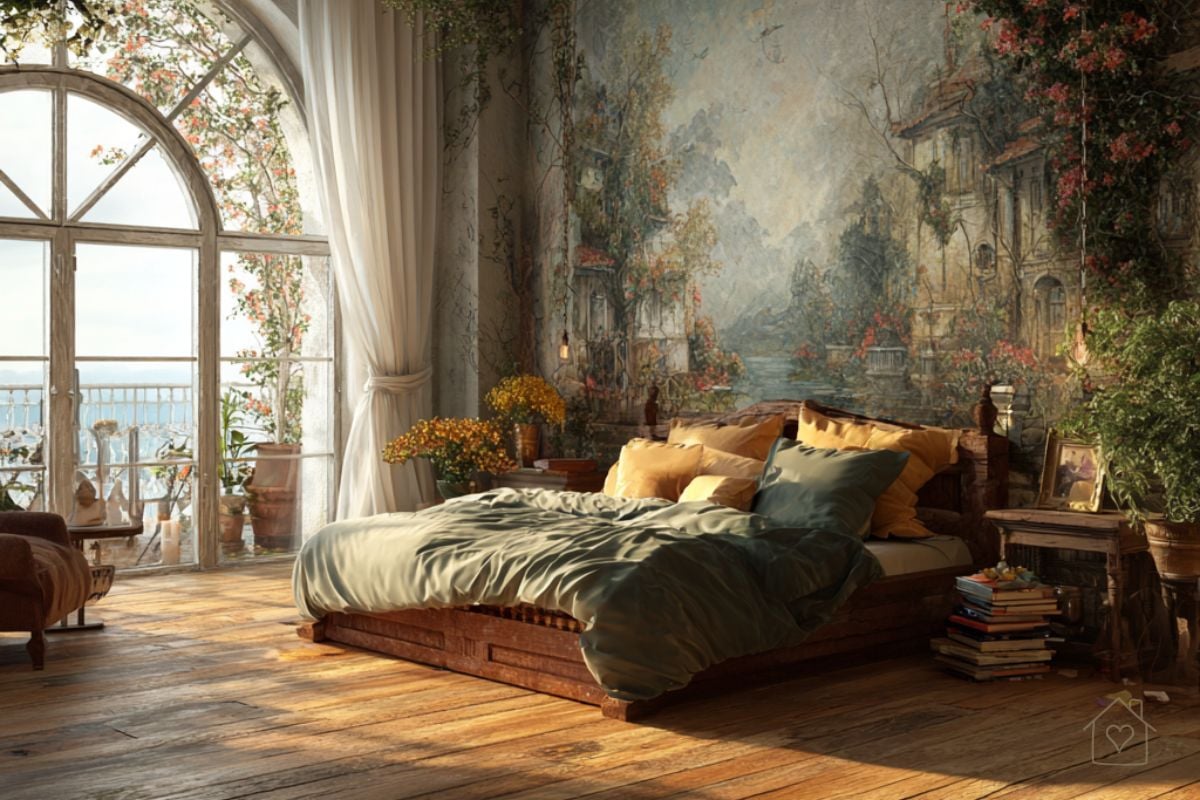
Dining rooms require treatments that enhance social interaction without overwhelming conversation. Realistic botanical compositions create sophisticated backdrops, while contemporary abstracts can energize spaces without creating visual fatigue. Library environments suit realistic themes that inspire contemplation, while music rooms present unique acoustic challenges that geometric patterns can address.
Private Estate Quarters and Personal Expression
Master suites require treatments promoting relaxation through contemporary color fields or calming, realistic nature scenes. Guest bedrooms benefit from neutral approaches accommodating diverse visitor preferences. Personal offices can utilize murals reflecting professional identity, while spa areas benefit from realistic nature themes promoting wellness.
Service and Utility Area Artistic Enhancement
Kitchen environments present opportunities for functional art, with contemporary patterns suiting modern designs and realistic botanicals complementing traditional
Outdoor Living Space Integration
Pool houses require weather-resistant applications enabling sophisticated artistic treatment. Garden pavilions provide opportunities for realistic landscape continuation, while recreational facilities benefit from energizing contemporary compositions that complement athletic activities.
Investment Analysis and Style Value Retention
Estate mural investments require evaluation through both aesthetic satisfaction and long-term financial performance criteria. Style selection influences market appeal, maintenance requirements, and adaptation potential, affecting overall investment returns.
Market Appeal and Resale Considerations
Realistic styles generally achieve broader market acceptance due to universal appreciation for natural beauty and traditional craftsmanship, reducing risk for eventual property sales. Contemporary styles present higher market risk but can distinguish estates in luxury markets where uniqueness commands premium pricing. Neutral, sophisticated approaches provide maximum flexibility for future sales and renovations.
Long-term Style Relevance and Adaptability
Classic, realistic themes demonstrate historical longevity, suggesting continued future appeal. Contemporary styles require careful quality evaluation to predict future relevance, though high-quality work by recognized artists often appreciates. Professional updating services enable style adaptation as preferences and market conditions change.
Estate Legacy and Generational Considerations
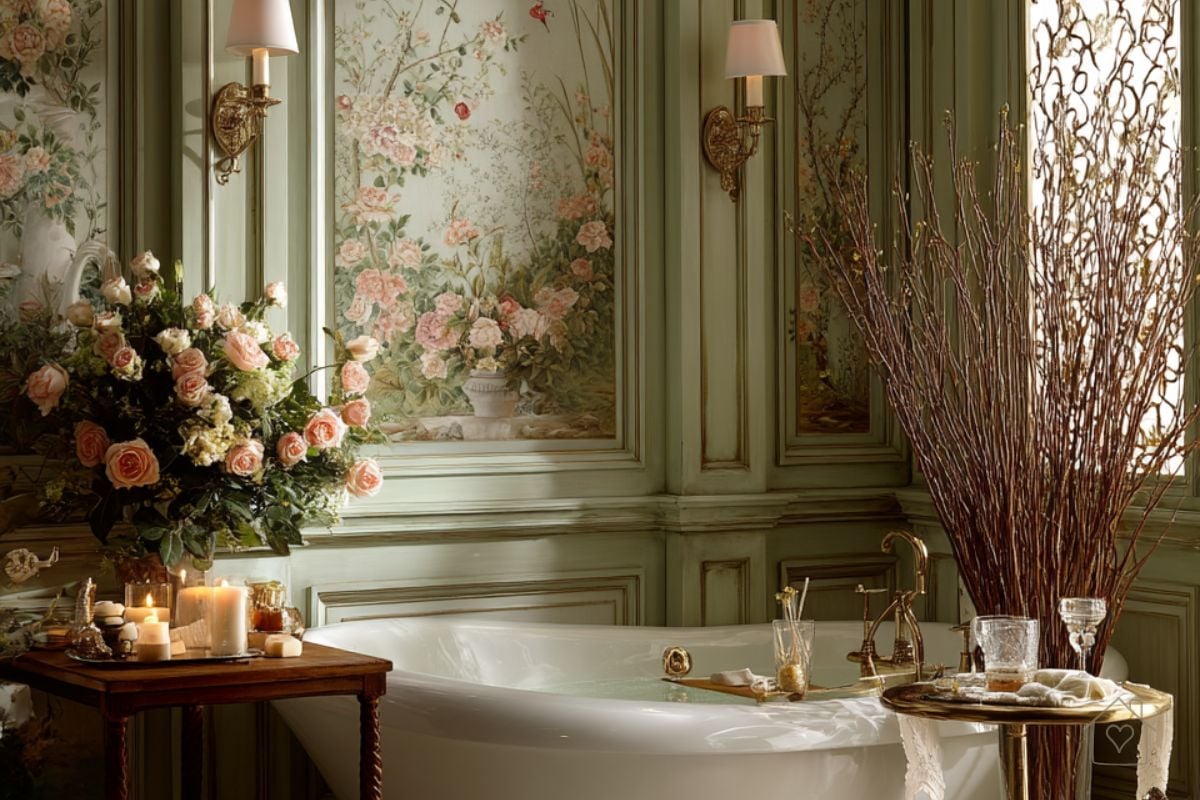
Family art collection integration influences style selection for generational properties. Realistic approaches often complement traditional collections while providing educational value about natural history and cultural heritage. Contemporary pieces expose family members to innovative artistic concepts and modern cultural expressions.
Technical Execution and Style-Specific Requirements
Different mural styles require distinct technical approaches, materials, and artist qualifications, affecting project complexity, timeline, and costs. Understanding these requirements enables appropriate planning and professional selection.
Realistic Mural Creation Complexity
Detail accuracy demands exceptional drawing skills and patient craftsmanship that few contemporary artists possess. Color matching, perspective calculations, and extensive reference research distinguish professional realistic creation from amateur attempts. The technique requires traditional training and master-level expertise commanding premium pricing.
Contemporary Mural Technical Precision
Color field application requires different skills, focusing on smooth distribution and crisp boundaries. Geometric accuracy often exceeds realistic precision demands, requiring mathematical calculations and professional-grade tools. Superior surface preparation and modern materials enable visual effects impossible through traditional approaches.
Regional and Cultural Influences on Style Selection
Geographic location and community characteristics influence appropriate mural style selection. Understanding contextual factors prevents choices that conflict with local standards or community expectations.
Traditional Regional Aesthetic Considerations
Historic district guidelines often favor realistic approaches that honor architectural authenticity. Local heritage and landscape integration through realistic representation demonstrates community connection while creating unique artistic expressions tied to place.
Modern Luxury Market Expectations
Contemporary art appreciation in affluent communities influences style acceptance and market positioning. Gallery and museum influence on private collecting affects residential choices, while international style recognition becomes important for cosmopolitan estate owners.
Collaborative Design Process and Style Development
Successful projects result from effective collaboration between owners and artistic professionals. The process requires clear communication, shared vision development, and professional project management, ensuring satisfaction with creative and practical outcomes.
Initial Consultation and Style Preference Assessment
Lifestyle analysis and aesthetic preference evaluation form the foundation for appropriate style selection. Existing art collection review ensures new work complements established investments, while family input coordination builds consensus for multi-generational properties.
Artist Selection Based on Style Specialization
Realistic expertise requires assessment of drawing skills and detailed rendering capabilities. Contemporary vision evaluation focuses on creative problem-solving and composition skills. Professional reference checking ensures artists possess the technical abilities and client service standards appropriate for luxury residential environments.
Design Development and Client Collaboration
Professional presentation methods help owners understand proposed solutions through sketches, color development, and scale mockups. Transparent approval processes and execution timelines protect both parties while ensuring communication about expectations and deliverables.
Maintenance and Longevity Considerations
Different styles present varying maintenance requirements and longevity expectations, influencing care planning and preservation strategies. Understanding these differences enables appropriate planning and budget allocation for artistic asset protection.
Realistic Mural Preservation Requirements
Detail protection requires specialized conservation services and careful environmental management. Color accuracy maintenance demands understanding of pigment stability and protective systems, while professional conservation standards preserve artistic and financial value.
Contemporary Mural Care and Updating
Surface integrity maintenance focuses on preserving clean lines and color relationships. Contemporary styles offer advantages in modification possibilities and modern material durability, providing longer service life and adaptation potential for evolving aesthetic preferences.