Red Flags From Your Home It’s Time for an Air Purifier
Have you noticed your kids sneezing a lot more than usual? Or maybe the furniture seems dustier, no matter how often you clean? These little signs may feel like just another day, but they could be your home telling you it's time to take its air quality seriously.
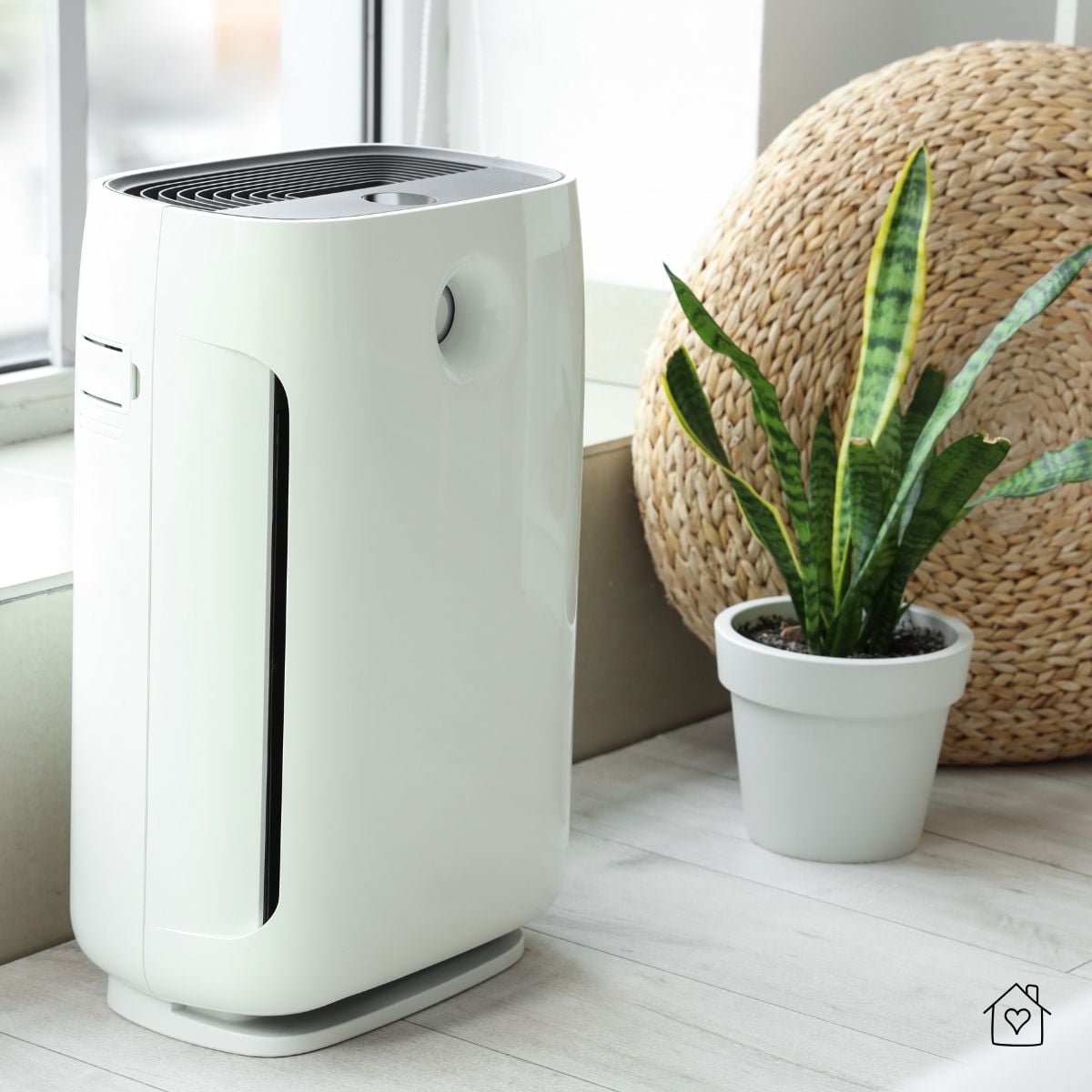
We often assume the air inside our homes is safe, but that's not always the case. Between everyday activities, outdoor pollution sneaking indoors, and other unseen culprits, your family's health could be at risk. Thankfully, air purifiers make your home fresher, cleaner, and healthier.
Let's continue reading as we discuss the most common red flags from your home that it's time for an air purifier. A healthier home doesn't just happen overnight, but identifying these warning signs is step in the healthiest direction.
*This post may contain affiliate links and I'll earn a commission if you shop through them. You can read my full disclosure here.
Why Air Purifiers Matter
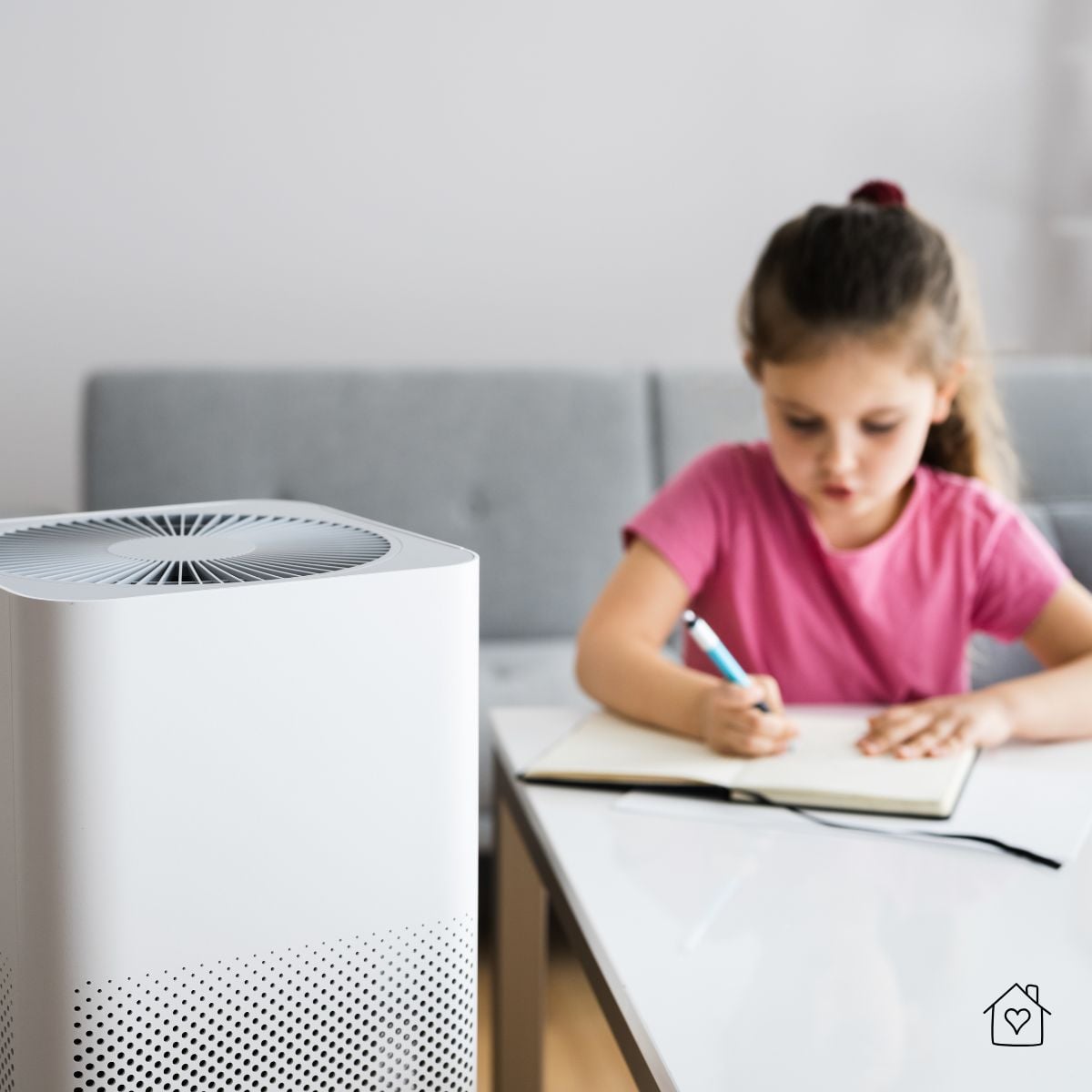
Before we jump into the red flags, it's important to understand what air purifiers actually do. Think of them as small, hardworking machines that filter out harmful particles like allergens, dust, pet dander, and more. They ensure that the air circulating in your home becomes cleaner and safer to breathe. And yes, this matters more than people might think.
Pollutants like pollen or airborne bacteria lower your family's comfort and may impact overall health in the long run, especially for those with sensitive lungs or existing conditions like asthma and allergies.
Air purifiers also tackle odors caused by
The Hidden Problem of Indoor Air Quality
Many homemakers focus on keeping surfaces clean but rarely think about what's floating around in the air. Pollutants build up surprisingly quickly inside our homes. Everyday activities like
On top of that, harsh
Household Red Flags: It's Time for an Air Purifier
Now that we've covered why air purifiers matter in the first place, it's time to look at the trouble areas in your home. If these red flags sound familiar, it may be time to add an air purifier to your home cleaning arsenal:
Dust That Just Won't Quit
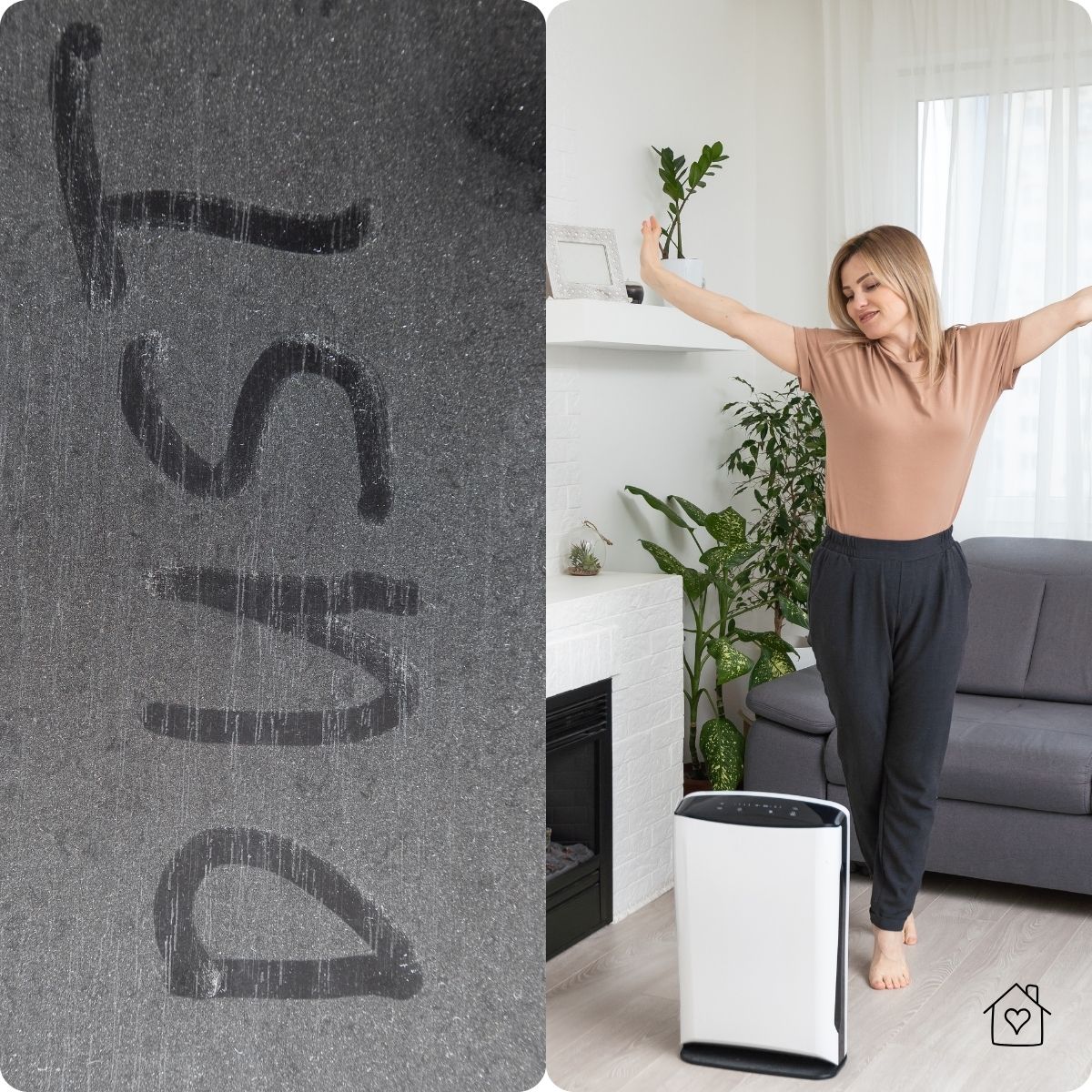
You wipe your shelves, but within a day or two, the dust is back in full force. Dust buildup happens faster in homes with poor air circulation, meaning particles are settling everywhere instead of filtering out. Over time, breathing in this dust can lead to itchy eyes, a runny nose, or even trouble sleeping.
Lingering Odors That Won't Go Away
We've all experienced kitchen smells lingering far longer than they should. Strong
Allergies Acting Up Indoors
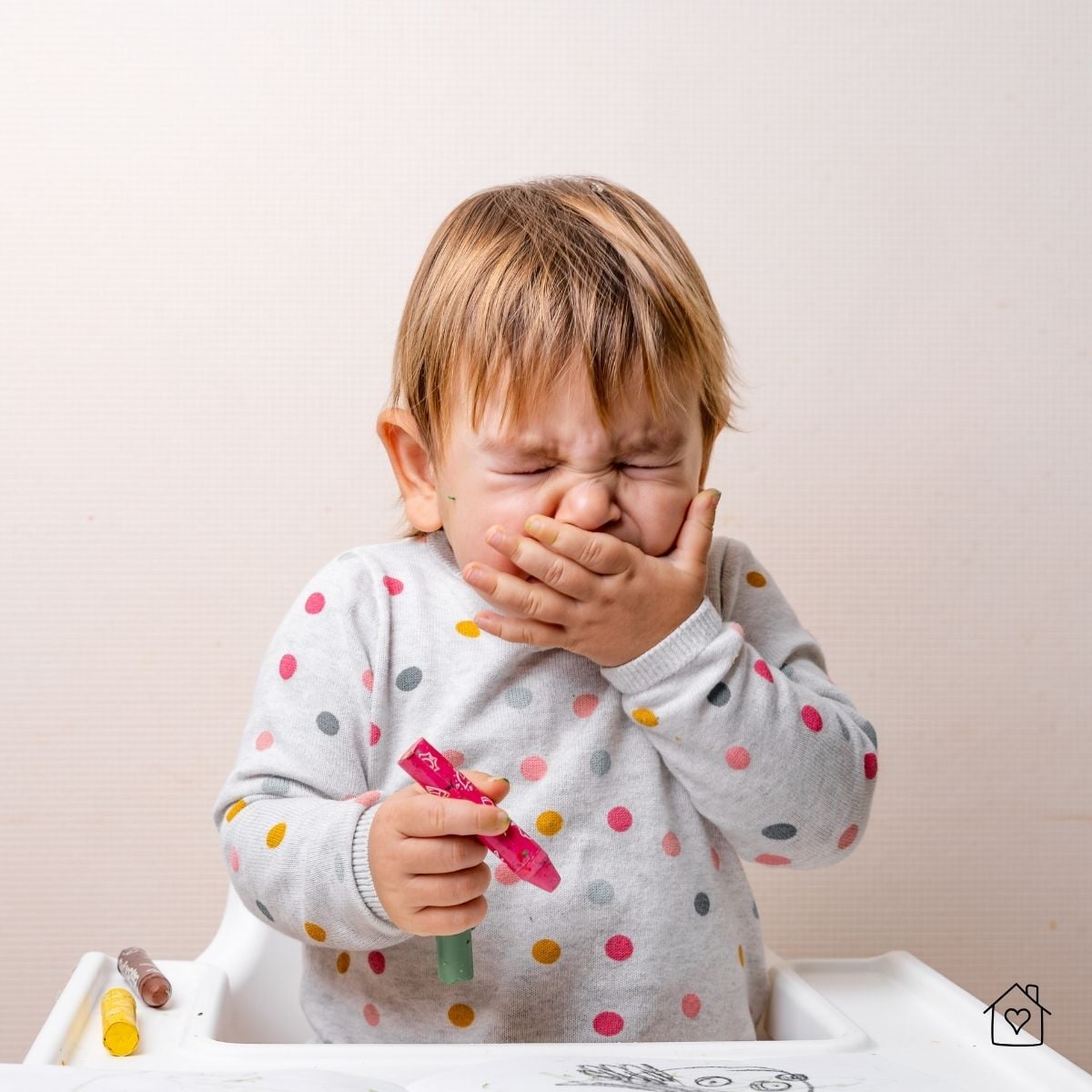
If your kids find themselves sneezing, wheezing, or rubbing their eyes more when they're at home, the air could be the culprit. Allergens like pollen, mold spores, and pet dander often concentrate indoors, especially during seasons when windows stay shut.
Trouble Sleeping or Feeling Congested
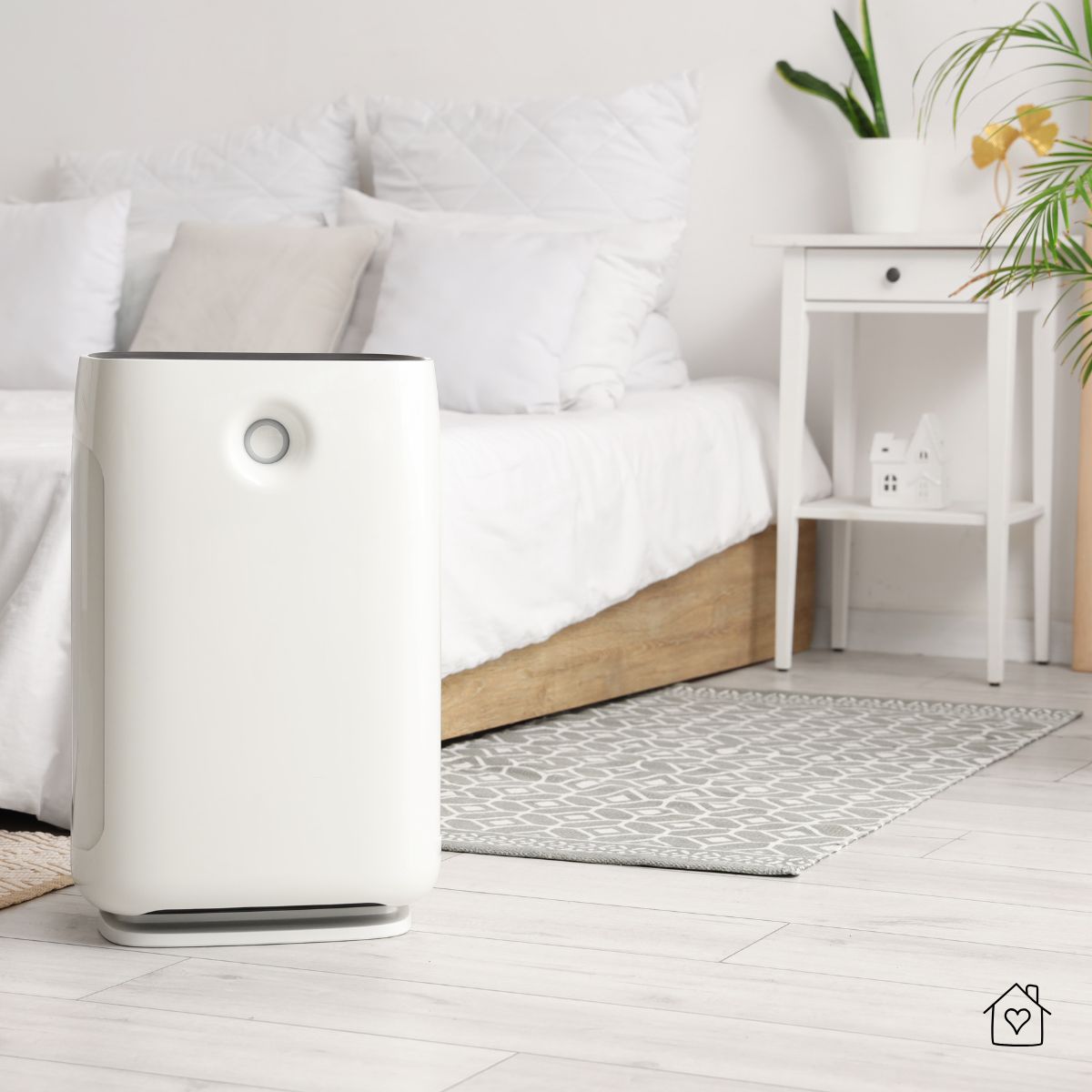
Waking up with a dry throat, stuffed-up nose, or even headaches? Stale air full of irritants could be to blame. Poor-quality air affects your sleep quality, leaving your family tired and irritable during the day.
Pet Hair and Dander Everywhere
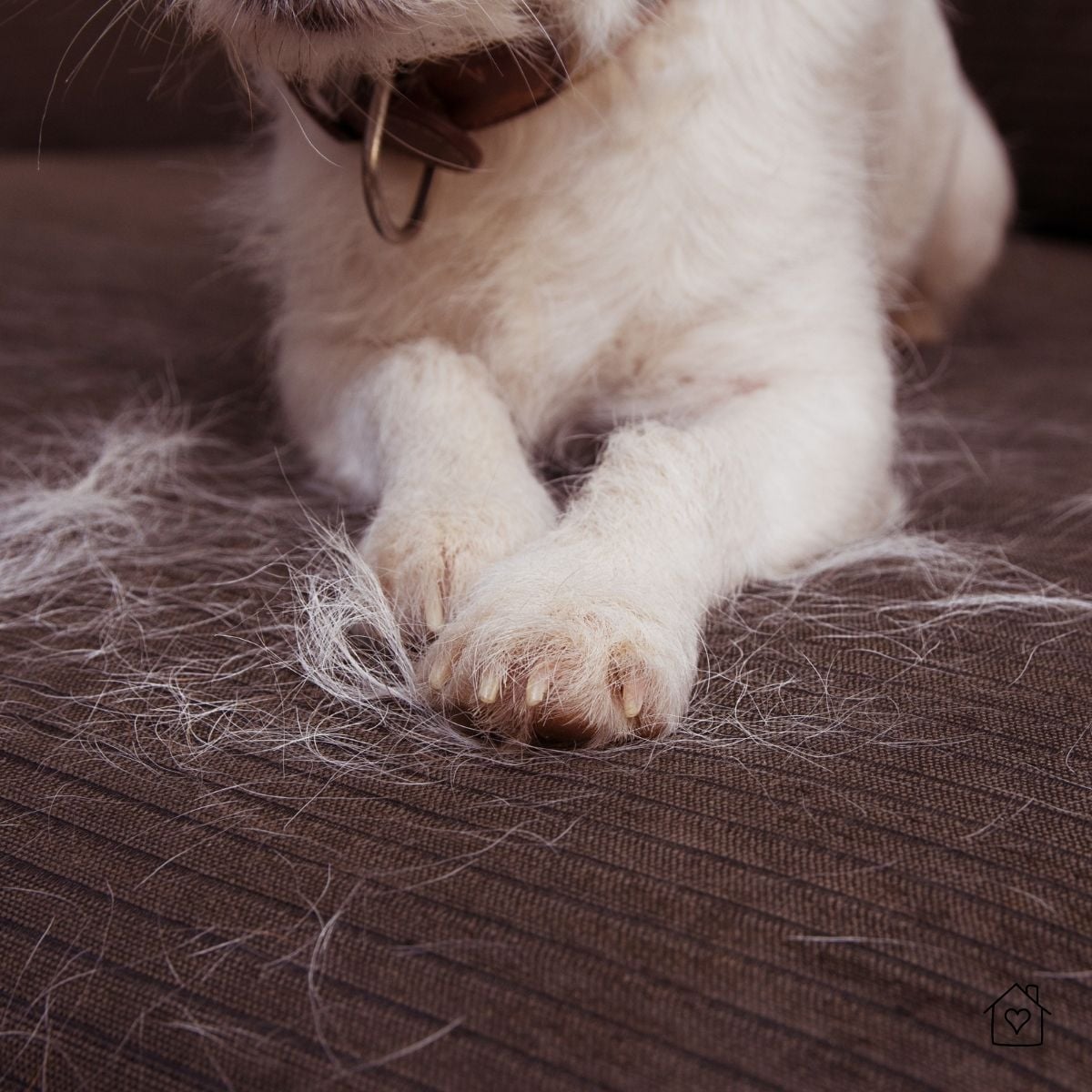
We love our furry family members, but they do leave behind more than just cuddles. Pet hair and dander can float in your air for hours, even sneaking into rooms they don't have access to. This is especially problematic for anyone with allergies or asthma.
Choosing the Perfect Air Purifier for Your Home
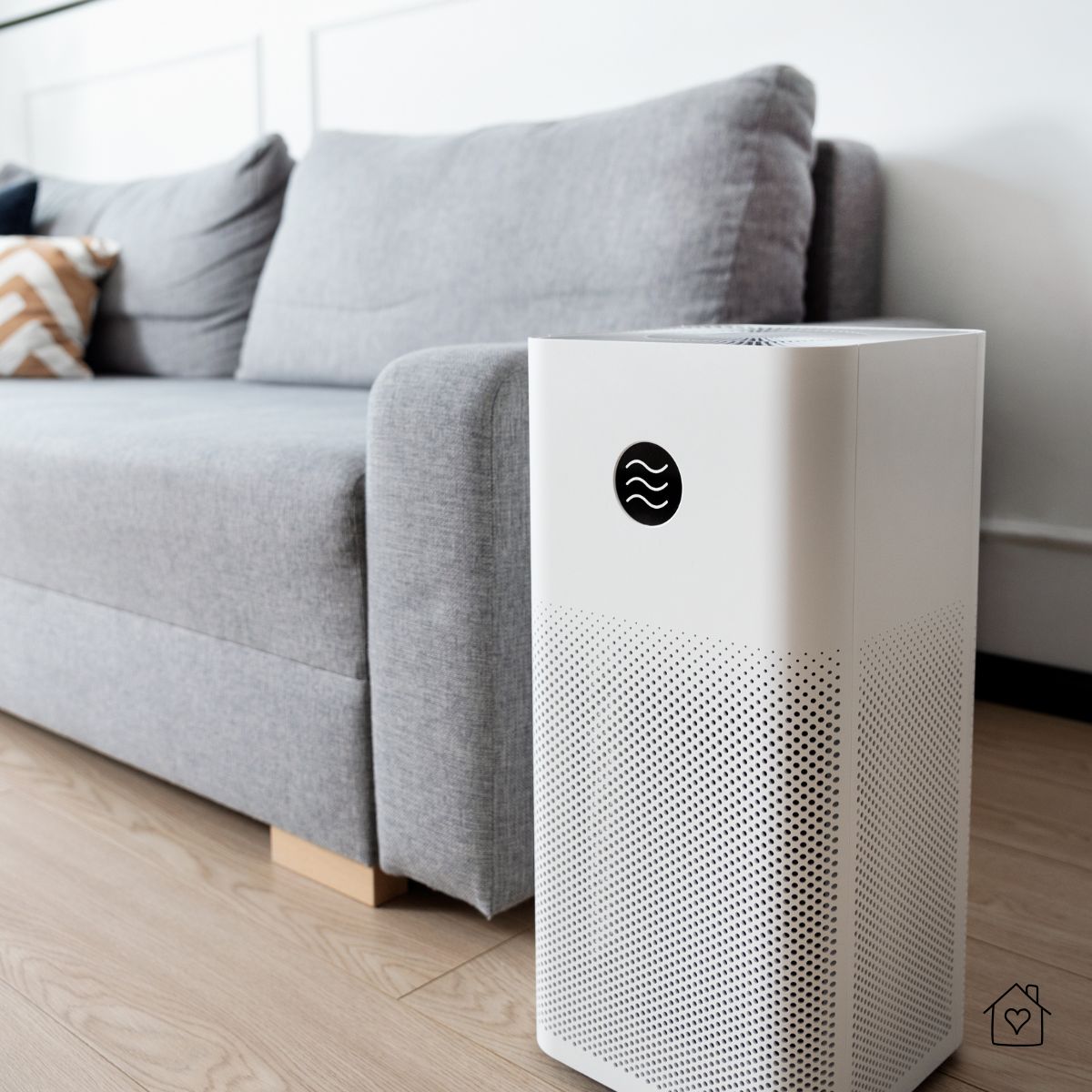
After identifying red flags, deciding on the right air purifier is critical. Not all purifiers are created equal, so here are a few buying factors to consider:
Room Size Matters
Determine which room needs the most attention. If it's your living space where the kids play or your bedroom where sleep is essential, choose a purifier suitable for the size of that room. Purifiers with coverage matching your square footage are the most effective.
Filter Efficiency
Typically, HEPA filters are the gold standard. They target up to 99 percent of particles as small as 0.3 microns. For households dealing with allergies, asthma, or
Specialized Features
Do you need something specifically designed to remove odors or combat mold? Look for purifiers with activated carbon filters or UV features. If silence is key while you or your little one sleeps, go for models labeled as quiet or whisper soft.
Simple Tips for Cleaner Indoor Air
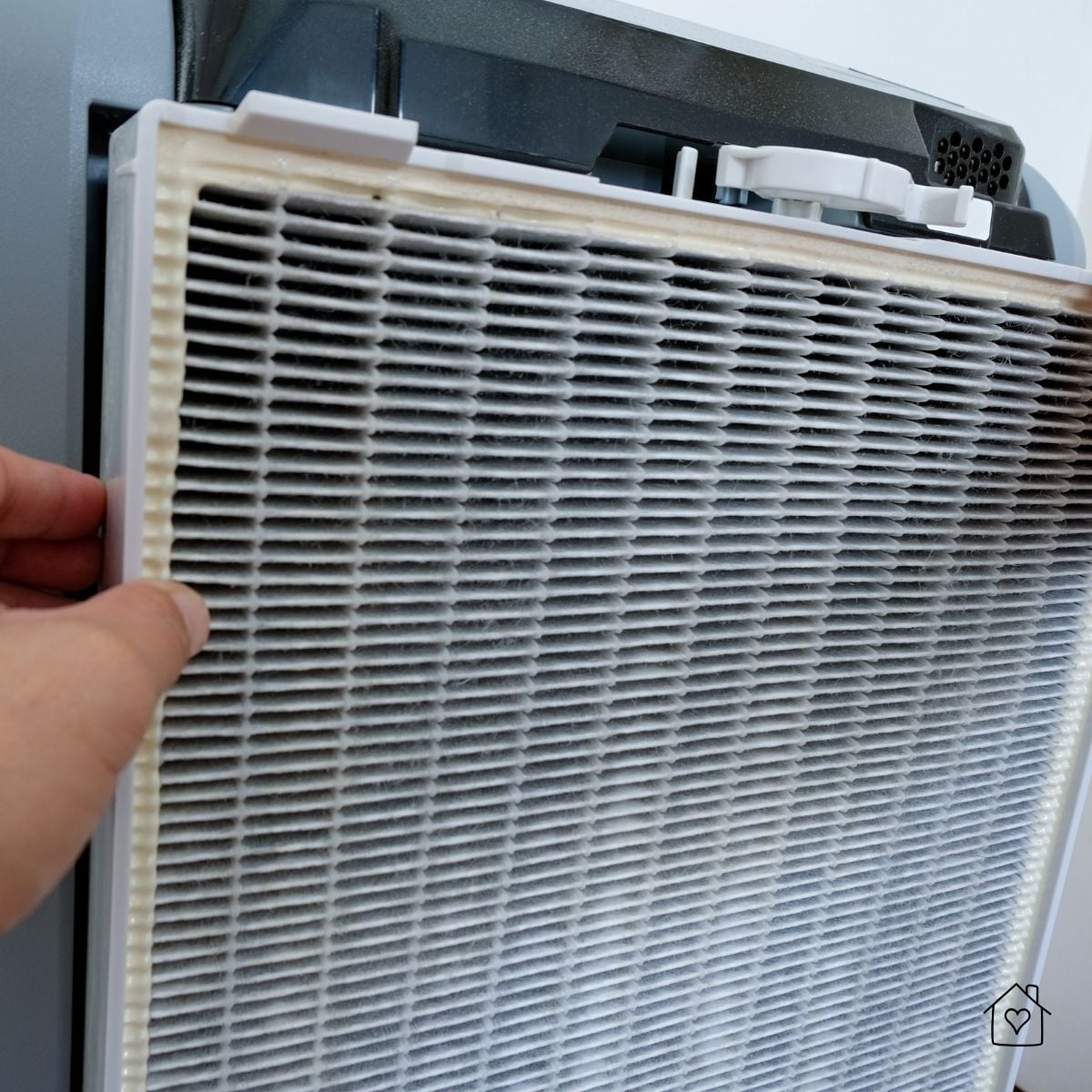
Getting the most out of your air purifier isn't just about turning it on and walking away. Position your purifier somewhere central, away from walls, for better circulation. Clean or replace the filters regularly to keep it running at peak performance. And don't forget to reduce air pollutants at the source, such as vacuuming frequently and using natural
Combining an air purifier with good
Making Your Home a Haven for Clean Air
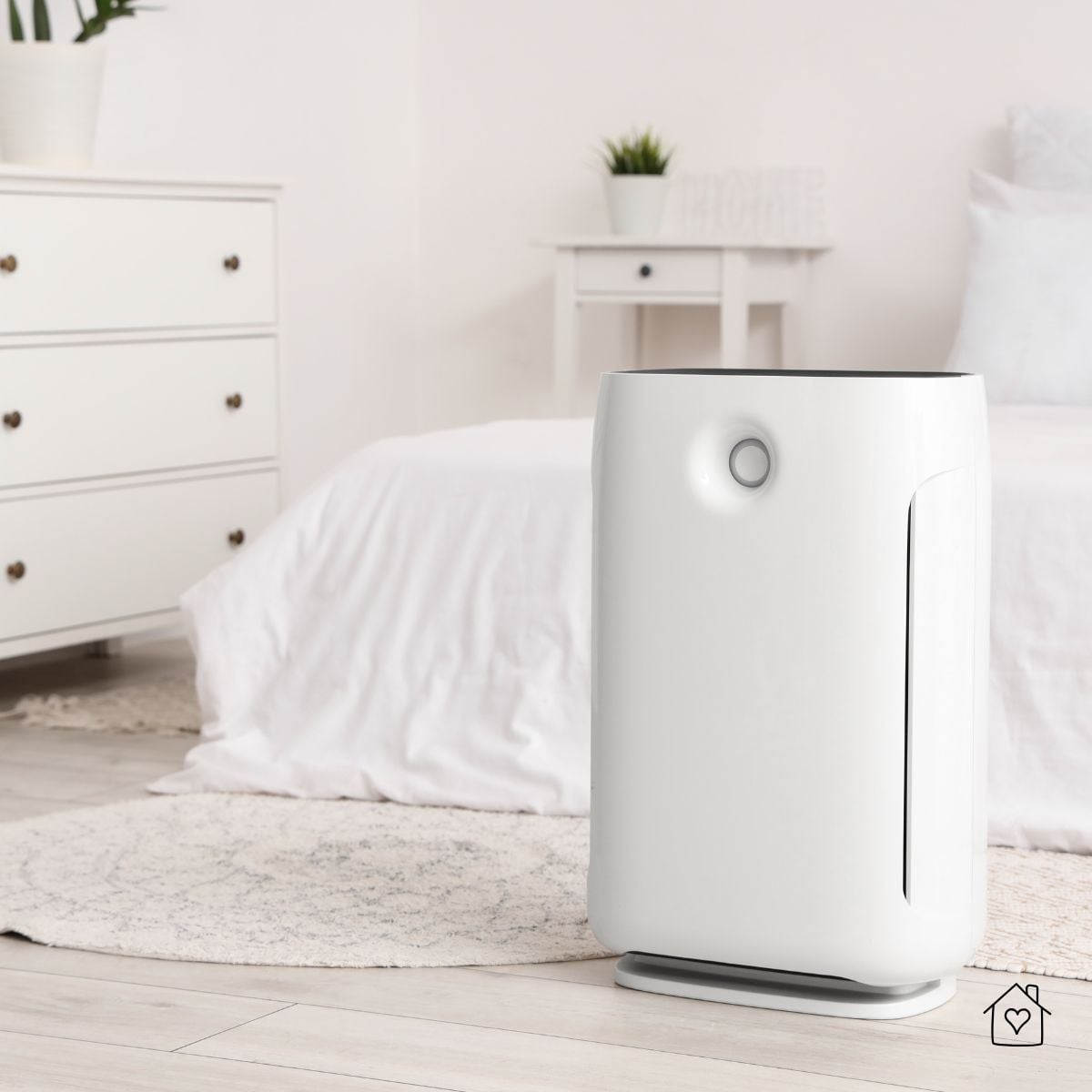
Your home is where your family spends so much of their time, building memories and sharing laughs. It's also where your kids play, learn, and rest after a long day. Recognizing the red flags of poor air quality and investing in an air purifier can create a healthier, more welcoming environment.
By taking these steps to improve the indoor air your family breathes every day, you're making a smart choice that influences their well-being for years to come. Listen to the signs your home is giving you and take action with confidence.