How to Refresh Your Space with Area Rugs and Clean Room Transitions
Subtle updates can dramatically change the feel of your home. Area rugs and careful floor transitions offer a way to refresh your surroundings without disruptive renovations. Simple details can bring new life to any room, combining beauty and practicality.
*This post may contain affiliate links and I'll earn a commission if you shop through them. You can read my full disclosure here.
Using small changes like strategic soft furnishings and clever trim can revamp interiors with minimal effort or cost. Rather than undertaking a full remodel, focusing on elements such as rug placement and flooring bar applications gives each space a fresh perspective. Flooring bars can help blend style and safety, especially where floors meet or change. When coordinated well, these touches support comfort, define activity zones, and boost the polish of home environments.
Soft furnishings give rooms instant personality
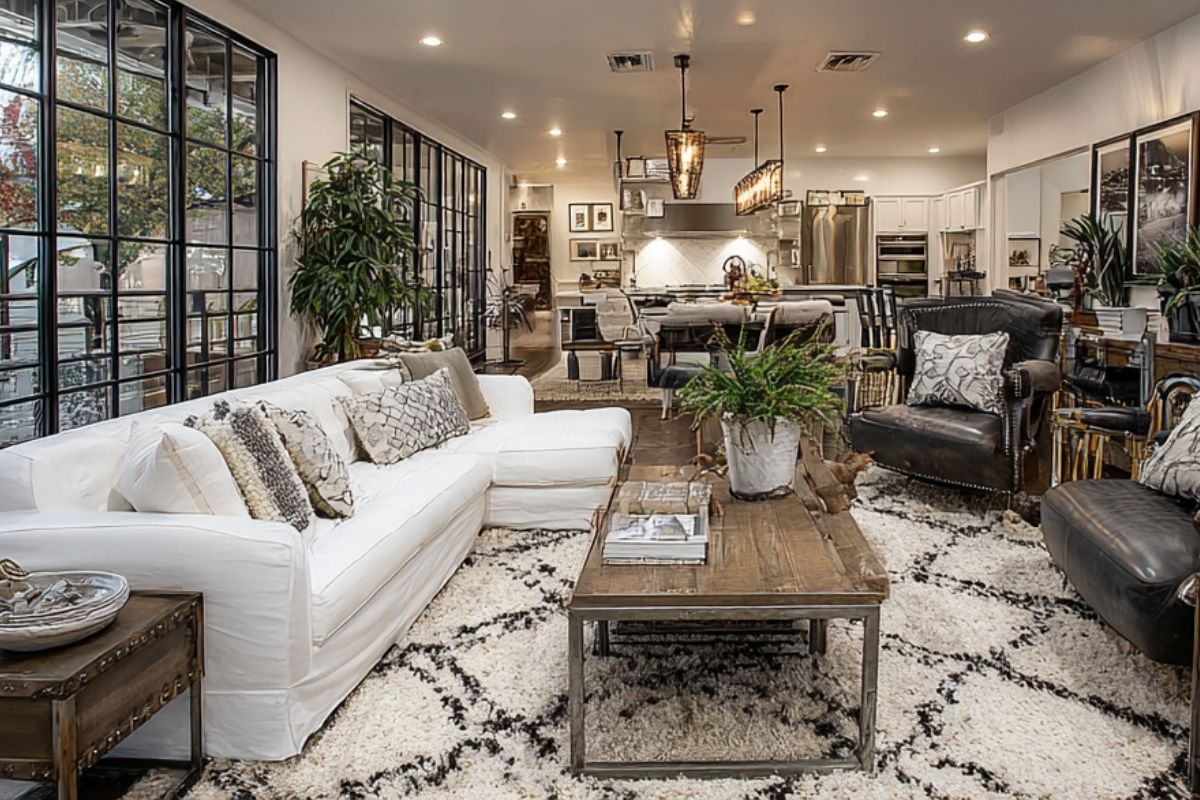
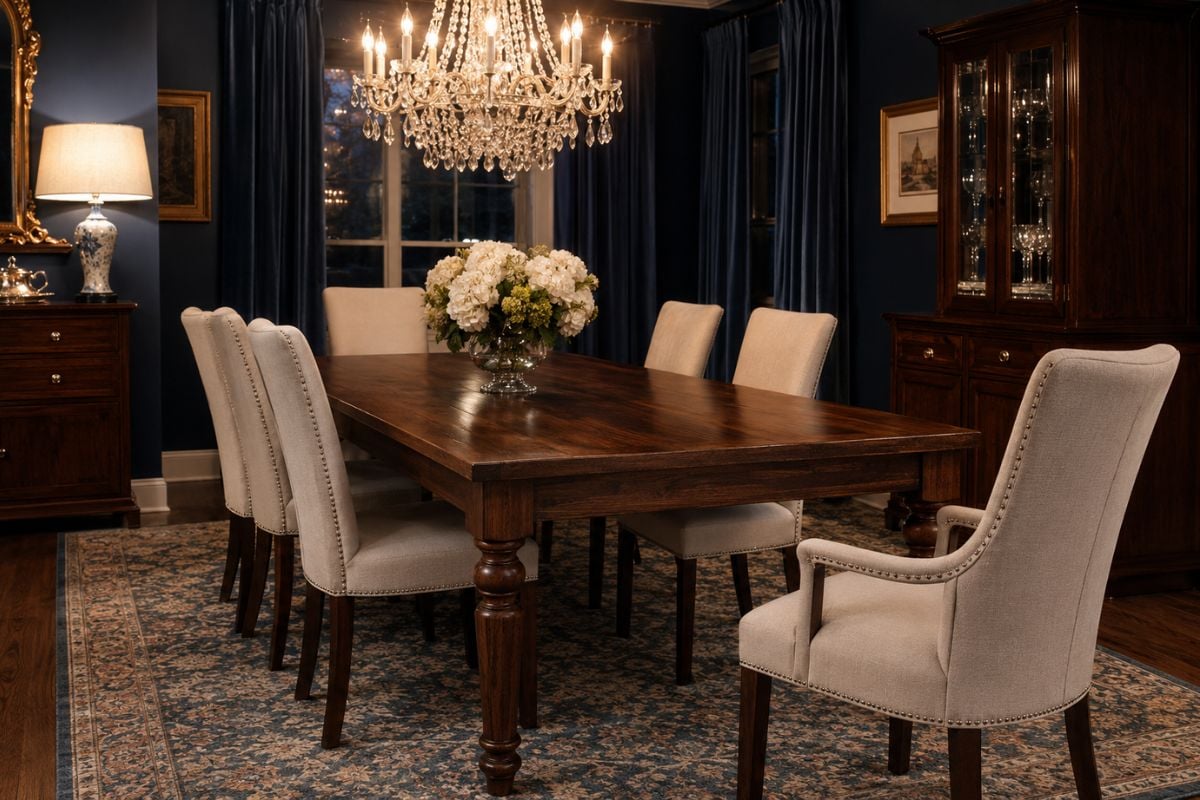
Adding an area rug is one of the most effective ways to define specific spaces, especially in open-plan layouts. By placing a large rug under a seating group or beneath a dining table, you can clearly mark living and dining zones while keeping the look cohesive. Rugs create visual order, making each area feel distinct yet connected, and are especially helpful for sectioning off a home office nook without constructing permanent barriers. In addition, they add comfort underfoot, improve warmth during cooler months, and offer sound absorption to help control echo or noise in larger rooms.
Another benefit of a strategically placed area rug is the protection it provides for high-traffic floor sections. Whether you have hardwood, laminate, or tile, regular footfall can lead to scratches and visible wear, especially in hallways and entryways. The right rug can shield these vulnerable areas and delay the need for repairs or resurfacing. Area rugs also make floors safer, reducing the slip risk that can come with smooth surfaces, while contributing to a room's overall design through color, texture, and pattern choices.
Practical considerations for selecting your rug

Choosing the best rug for a room starts with considering the right size. For a living area, you will typically want your rug to fit under at least the front legs of major furniture pieces to anchor the seating arrangement. In a dining space, ensure the rug extends well beyond the edges of the table to accommodate chair movement, while bedrooms often look finished with large rugs placed under and around the bed. Balancing proportions helps the space feel larger and more unified, preventing the rug from appearing like an afterthought.
Material is another crucial factor, as easy-clean synthetics can be practical in homes with children or
Washability is also worth considering in rooms where spills, muddy shoes, or pet hair are part of everyday life. Rugs designed for easier home
Timeless styling and seamless floor transitions
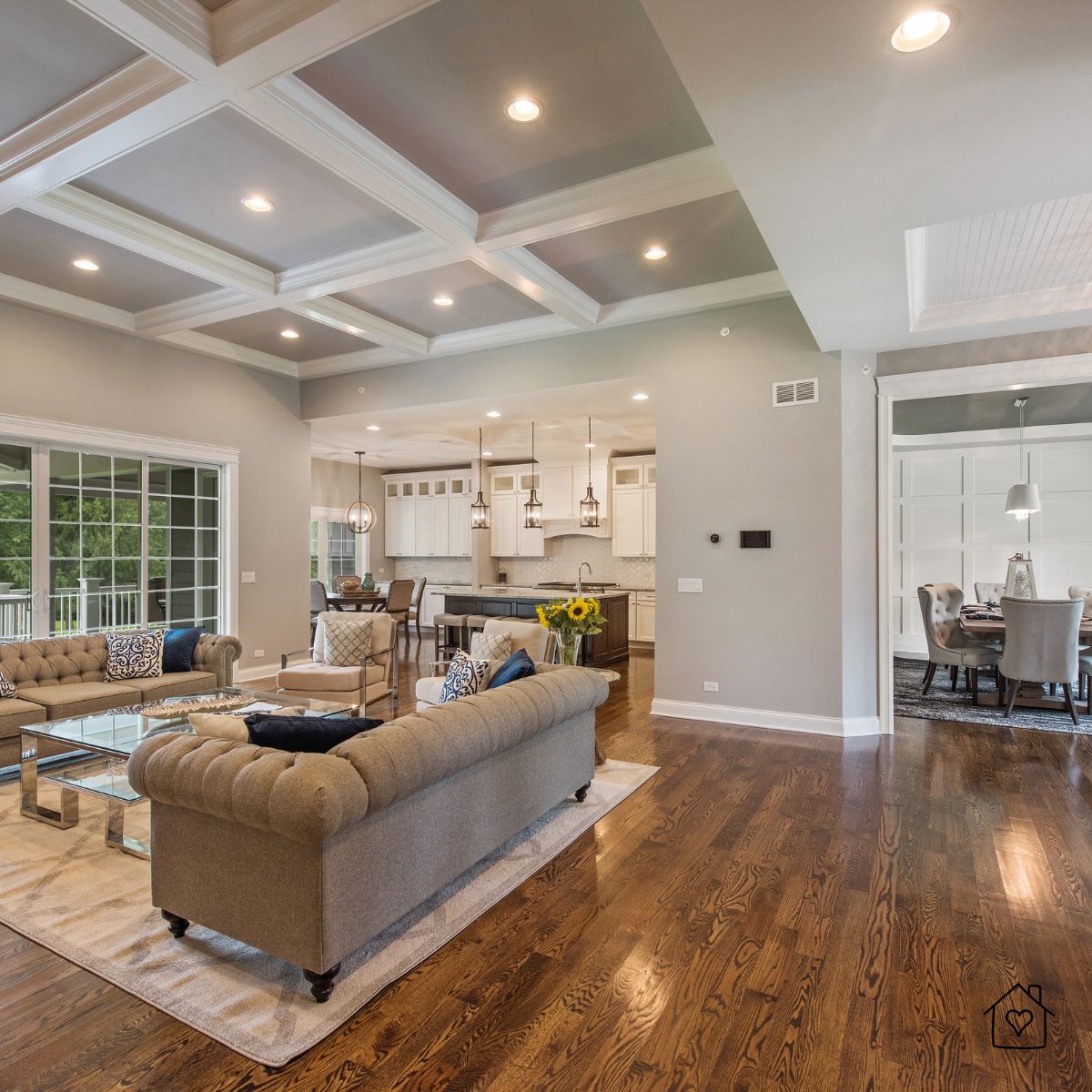
Layering rugs lets you coordinate colors and balance bolder patterns, like hand-knotted antique rugs, against more neutral flooring or walls. If existing floors have lots of character, such as patterned tile or richly grained wood, opt for simple, textured rugs that do not compete visually. For subtle or single-tone floors, brighter area rugs can inject personality and enliven an otherwise understated setting. Timeless styling tips like choosing classic shapes and boundary-respecting placements help maintain an elegant atmosphere over years of use.
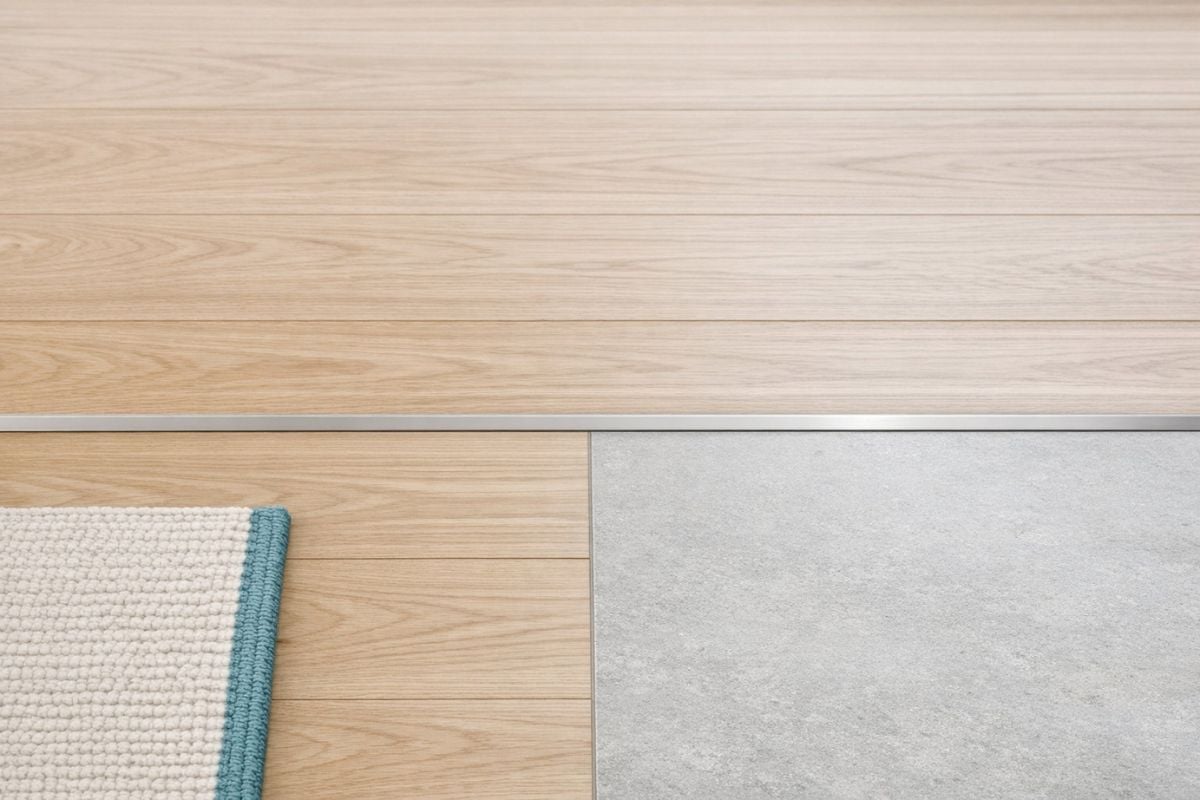
Attention to room transitions is key for safety and visual effect. Where floors change type or level, such as moving from living to kitchen, or at door thresholds, careful selection of transition strips and trims ensures smooth movement and helps prevent edge damage. Simple threshold pieces blend two surfaces unobtrusively, while the right flooring bars can help reduce tripping risks and uneven wear. Clean, well-designed transitions support the look you want and help busy homes function smoothly.
Maintenance for spaces that always feel renewed
Regular cleaning habits keep rugs and floors both looking and performing their best. Vacuuming at least once a week helps prevent dirt buildup that can grind down rug fibers or scratch flooring underneath, and rotating rugs every few months supports even wear, especially in heavy-traffic spots. Spot
Inspecting transition bars and floor trims periodically helps maintain safe, attractive boundaries between surfaces. If edges start to lift, fray, or shift, quick attention can help avoid larger repairs and preserve overall design cohesion. Careful coordination of color and finish supports lasting appeal and can help reduce common issues like curling corners and uneven thresholds. With smart selections and consistent upkeep, refreshed spaces can stay inviting and practical over the long term.