Before You Buy Kitchen Cabinets: 7 Things Homeowners Should Know
A kitchen renovation is one of the most rewarding home improvement projects. A well-designed kitchen not only improves daily life but can also significantly increase the value of your home.
However, cabinets are often the largest expense in a kitchen remodel, and many homeowners feel overwhelmed when trying to choose the right ones. Styles, materials, finishes, and prices vary widely, making the decision more complicated than it first appears.
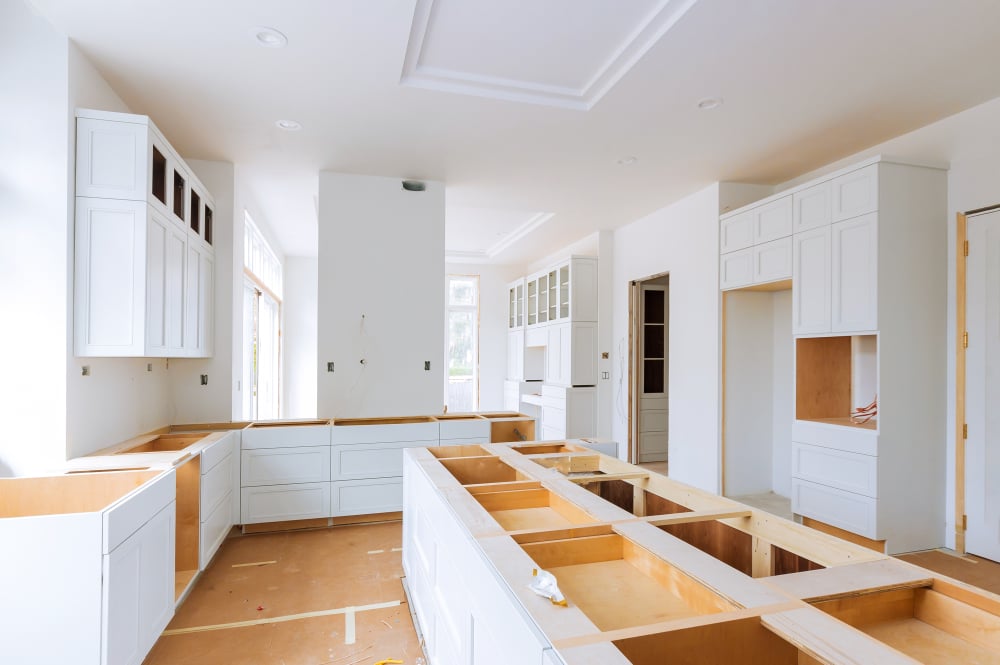
Before ordering cabinets for your renovation, it's helpful to understand a few key factors that influence both appearance and long-term durability. The tips below can help homeowners make smarter decisions and avoid some of the most common cabinet-buying mistakes.
*This post may contain affiliate links and I'll earn a commission if you shop through them. You can read my full disclosure here.
1. Cabinet Style Sets the Overall Kitchen Look
Cabinet style plays a major role in defining the personality of a kitchen. Even small changes in door design can completely change the visual atmosphere of the space.
Some of the most popular cabinet styles include:
- Shaker cabinets - simple, clean lines that work in almost any kitchen
- Flat-panel cabinets - ideal for modern or contemporary homes
- Raised-panel cabinets - often used in traditional or classic interiors
Among these options, shaker cabinets remain one of the safest choices for homeowners because they blend easily with many countertop materials, backsplashes, and flooring styles.
Choosing a timeless cabinet style also helps ensure that your kitchen still looks great years down the road.
2. Cabinet Materials Affect Durability
While cabinet style determines appearance, materials determine longevity.
High-quality cabinets often include construction features such as:
- Solid wood face frames for structural strength
- Plywood cabinet boxes that resist moisture better than particleboard
- Soft-close hinges and drawer slides for smoother daily use
- Full-extension drawers that allow easier access to storage
These details may not always be visible at first glance, but they have a significant impact on how well cabinets perform over time.
Investing in stronger materials can help prevent issues such as sagging shelves, sticking drawers, or cabinet damage caused by humidity.
3. RTA Cabinets Can Offer Excellent Value
Many homeowners automatically assume that showroom cabinets are the only high-quality option. In reality, Ready-to-Assemble (RTA) cabinets have become an increasingly popular alternative.
RTA cabinets are shipped in flat packs and assembled during installation. Because they take up less shipping space and require less factory labor, they are often significantly more affordable than traditional pre-assembled cabinets.
Modern RTA cabinets are also much better engineered than earlier versions. Many now feature plywood construction, durable finishes, and premium hardware.
For homeowners researching cabinet options online, suppliers such as RaraRTACabinets offer factory-direct RTA and pre-assembled cabinets designed to provide solid quality while keeping renovation costs manageable.
4. Neutral Cabinet Colors Stay Stylish Longer
Kitchen color trends evolve quickly, but some cabinet colors remain timeless.
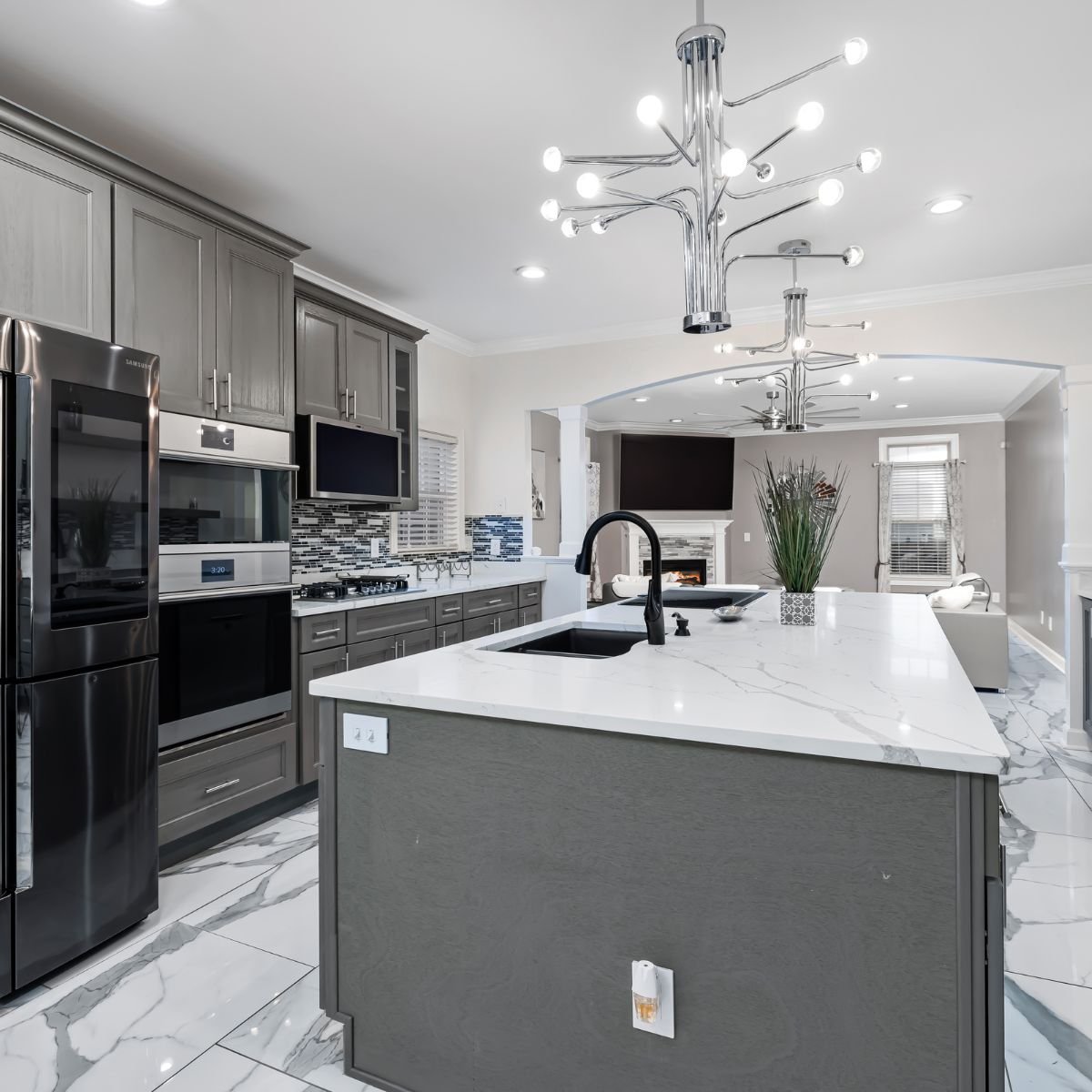
Neutral tones are especially popular because they adapt easily to future design updates. Some dependable choices include:
- White cabinets, which keep the space bright and open
- Cream or off-white tones for a softer and warmer look
- Natural wood finishes that bring warmth and texture
- Soft gray shades that work well in modern kitchens
These colors allow homeowners to update countertops, backsplashes, or wall colors later without needing to replace the cabinets.
5. Storage Features Improve Everyday Function
Many people focus primarily on the exterior appearance of cabinets, but interior storage solutions can greatly improve kitchen functionality.
Modern cabinet designs often include features such as:
- Pull-out shelves for easier access
- Lazy Susans in corner cabinets
- Deep drawers for cookware storage
- Built-in trash and recycling cabinets
These upgrades help reduce clutter and make everyday
When planning a kitchen remodel, thinking about storage needs early can make the finished kitchen significantly more practical.
6. Cabinet Delivery Time Can Affect Renovation Plans
Cabinet lead times are an important factor that homeowners sometimes overlook.
Custom cabinets often require eight to twelve weeks for manufacturing and delivery. If the renovation schedule depends on those cabinets arriving on time, any delay can slow down the entire project.
Some cabinet suppliers maintain inventory in U.S. warehouses, allowing them to ship cabinets more quickly. Checking delivery timelines before placing an order can help keep the renovation process running smoothly.
Planning ahead also reduces the chances of contractors having to pause work while waiting for materials.
7. Plan the Kitchen Layout Before Ordering Cabinets
Before purchasing cabinets, it is essential to finalize the kitchen layout.
A well-planned layout ensures that appliances, countertops, and cabinets function together efficiently. Designers often recommend following the traditional kitchen work triangle, which connects the refrigerator, sink, and stove.
Keeping these three areas within comfortable walking distance improves workflow and helps the kitchen feel more practical during daily use.
Measuring carefully and reviewing the layout before ordering cabinets can prevent costly mistakes and ensure that everything fits properly once installation begins.
Final Thoughts
Kitchen cabinets are more than just a design feature-they play a central role in how functional and enjoyable a kitchen feels every day.
By understanding cabinet styles, materials, storage options, and delivery timelines, homeowners can make more confident decisions during a renovation.
With thoughtful planning and a bit of research, it's possible to create a kitchen that looks beautiful, functions well, and stays within budget.