How to Choose Dining Chairs That Balance Comfort and Style
*This post may contain affiliate links and I'll earn a commission if you shop through them. You can read my full disclosure here.
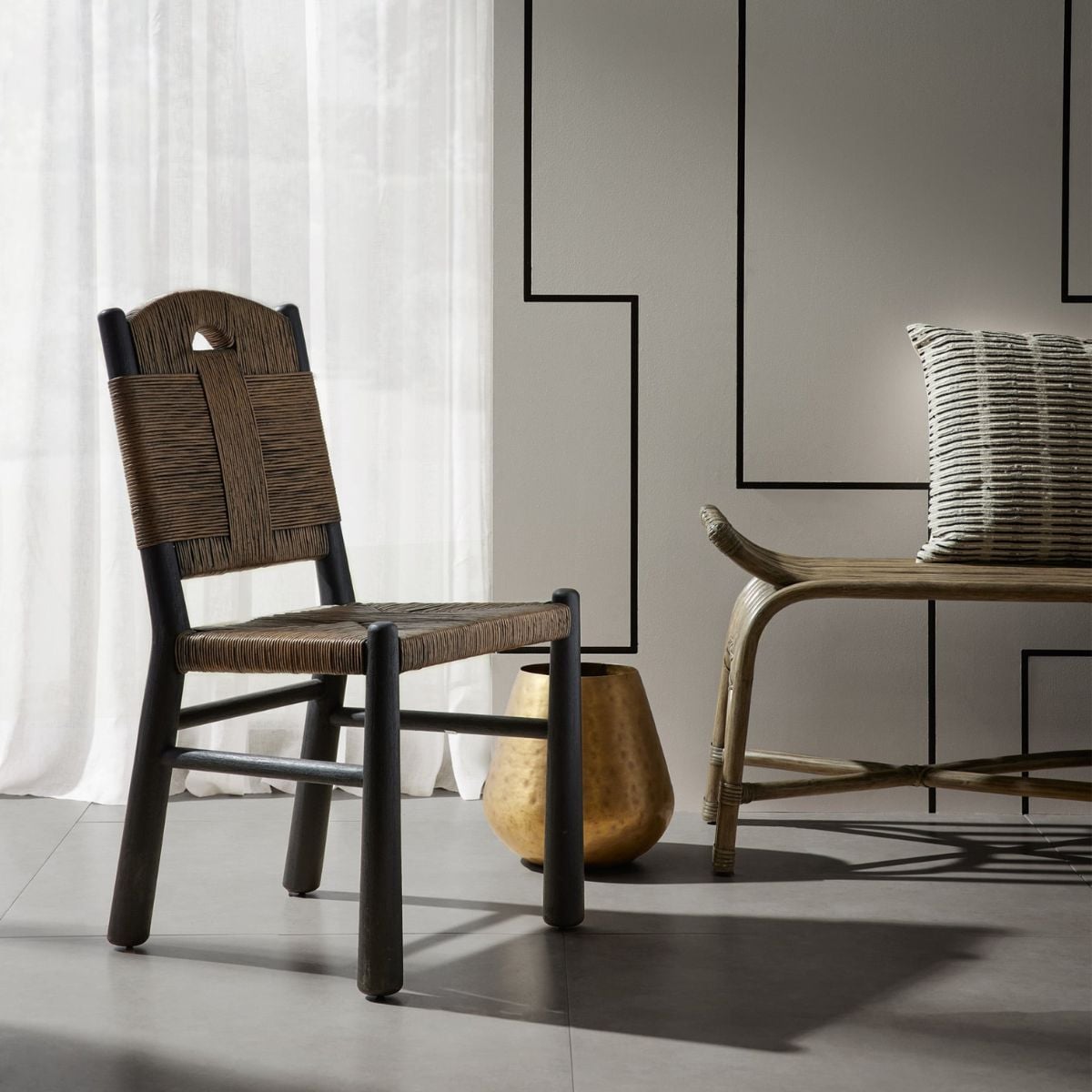
A dining space works best when it feels welcoming, useful, and easy to enjoy every day. The table often gets most of the attention, but the chairs play an equally important role in how the room looks and feels. When people start looking at high end dining chairs, they are often trying to solve both needs at once, comfort for daily use and style that helps the room feel complete.
The right dining chairs can make a space feel more polished without making it feel too formal. They support long meals, quiet mornings, family gatherings, and everything in between. A good choice should look right in the room, but it should also feel good to sit in. That balance is what turns a dining area into a space people want to use.
Start With How the Room Is Used
Before focusing on shape or fabric, it helps to think about how the dining space works in daily life. Some homes use the dining area for every meal. Others use it for special occasions, homework, or extra workspace during the week.
That daily use affects what kind of chair makes sense. A room that sees frequent meals may need chairs with more support and easy-care materials. A formal dining room may allow for a more tailored look. In a smaller home, the chairs may need to slide under the table with ease and leave enough room for movement around them.
When the furniture fits the way the room is used, the whole space feels more comfortable.
Comfort Should Never Be an Afterthought
A chair may look beautiful, but if it does not feel supportive, people will notice it right away. Comfort matters in the dining room because meals and conversation often last longer than expected.
Seat height is one of the first things to consider. The chair should pair well with the height of the table so people can sit naturally without feeling too high or too low. The depth of the seat also matters. It should feel supportive without making it hard to sit close to the table.
Back shape can make a big difference as well. Some chairs offer a more upright posture, while others feel softer and more relaxed. Upholstered seats can add comfort and warmth, while wood or mixed materials may create a cleaner look with a firmer feel.
A good dining chair should invite people to stay at the table, not rush away from it.
Think About Scale and Proportion
Even a beautiful chair can feel out of place if the scale is wrong. Dining chairs should relate well to both the table and the room around them.
In a smaller dining area, bulky chairs can make the room feel crowded. In a larger room, chairs that are too slim may feel lost beside a substantial table. The goal is to choose seating that feels balanced.
It also helps to consider how many chairs the table can hold comfortably. People need enough elbow room to eat and move with ease. If the chairs are wide or have arms, spacing becomes even more important.
When proportion is handled well, the dining room feels calm and intentional.
Match the Chairs to the Mood of the Room
Dining chairs help shape the overall tone of the space. They can make a room feel soft, tailored, relaxed, modern, or more formal depending on their silhouette and finish.
Chairs with curved lines can soften a room with strong architectural edges. Chairs with a clean frame can support a more minimal setting. Upholstered designs often add warmth, while wood, metal, or mixed materials can bring texture and structure.
This does not mean every piece in the room needs to match exactly. A dining room often feels more natural when the chairs relate to the table and surrounding décor without feeling too uniform. The goal is a space that feels connected, not overly coordinated.
Choose Materials That Suit Real Life
Material choice affects both style and maintenance. That is why it helps to look beyond first impressions.
Fabric can make a dining chair feel inviting and refined, but it may require more care in busy households. Leather or performance materials can offer a practical balance between comfort and durability. Wood brings warmth and can work across many styles. Metal details can add contrast and a more defined edge.
The best material choice depends on who uses the room and how often. A home with children may need forgiving surfaces. A space used mostly for hosting may allow for more delicate finishes. In either case, the chair should feel appropriate for the way people actually live.
Consider Armless and Armchair Options Carefully
Armchairs can bring presence and comfort to a dining room. They often work well at the heads of the table or in larger spaces where there is more room to spare. They can also make the setting feel more layered and custom.
Armless chairs are often easier to place and move. They allow more flexibility around the table and can help a dining room feel lighter, especially in smaller spaces.
Some homes use a mix of both. This can create visual interest while still keeping the layout practical. The right approach depends on the size of the room, the scale of the table, and how formal or relaxed the overall setting should feel.
Pay Attention to the Full Dining Experience
Dining chairs do not exist on their own. They are part of a larger experience that includes lighting, table shape, flooring, and traffic flow.
A chair may look perfect from one angle, but it also needs to work when people pull it out, sit down, and move around the room. There should be enough space behind each seat for easy access. The chair should feel stable and supportive. It should also look good from every side, especially in open-plan spaces where the dining area remains visible from other parts of the home.
This broader view helps people make better choices. It keeps the focus on how the room feels as a whole, not only how one item looks in isolation.
Good Dining Chairs Support Everyday Living
The best dining chairs do more than complete the table. They help shape the experience of the room. They add comfort to long dinners, support casual moments during the day, and bring style to a space that often sits at the center of the home.
That is why the balance between comfort and style matters so much. A dining chair should feel pleasing to look at, but it should also support the way people gather and live. When both parts come together, the room becomes easier to enjoy and much easier to use well over time.