How to Choose an Outdoor Lighting Fixture for the Right Climate
My youngest son has been doing a lot of outdoor work for the past few months. He dug up our patio, reset all of the brick, and doubled the whole thing in size.
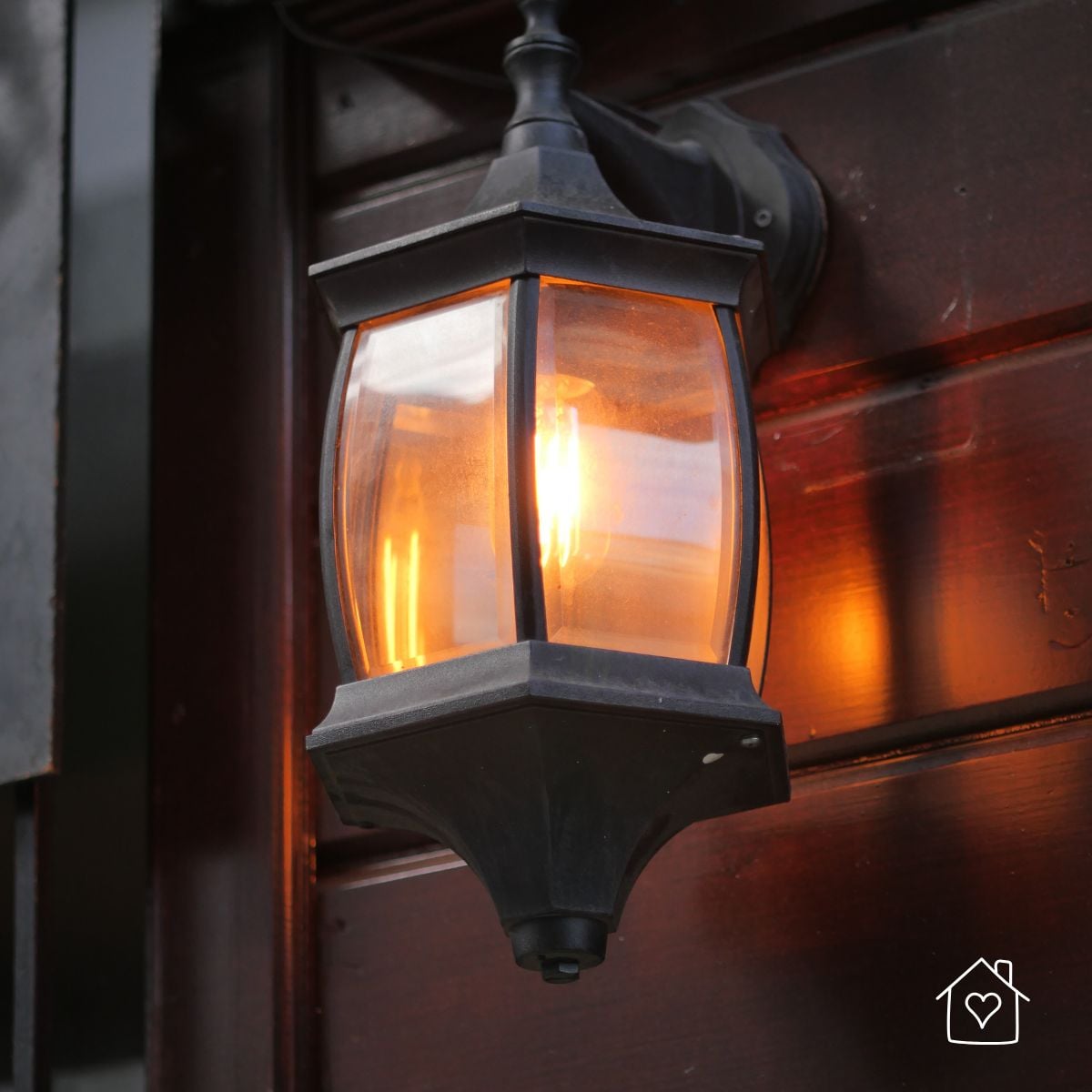
Among other things, he also wanted to add new light fixtures to the sunroom so the updated patio would have the perfect lighting. Finding the right ones was no small task, but we finally did, and we love the choices we made.
That said, I wish I'd had the information in this post before we started. I tend to be an overthinker, and a guide like this would have simplified and streamlined the whole process. It would have been a real timesaver! Does that sound like you too?
Outdoor lighting has to survive things your indoor fixtures never see: heavy rain, months of direct sun, and extreme snow or ice. Pick the wrong fixture and a burnt-out bulb is the least of your worries. You could be looking at cracked housings, rusted brackets, and a light that dies a month after the warranty runs out.
Most of what separates a fixture that lasts a decade from one that fails in a season comes down to a handful of decisions. I'm walking through each one below so you can choose with confidence.
From time to time, articles on The How-To Home may reference third-party websites, businesses, products, services, or review platforms as part of editorial research. When evaluating companies or services, we may consider publicly available information such as customer reviews, business websites, service offerings, licensing information when available, and overall relevance to the topic.
Start With Your Climate, Not the Style You Like
It's tempting to shop by looks first, and I understand why. Try not to let it lead, though. The style that works is whatever is actually built for your climate.
Real winters change the math! Freeze-thaw cycles, snow load, and road salt drifting onto your walkway all mean you want fixtures rated for cold-weather performance. You'll also want gaskets and seals that won't crack when the temperature swings between day and night.
Humid, coastal, and salt-air climates are a different story. Corrosion and mold resistance matter more than cold tolerance there, and a fixture that holds up fine in a dry inland yard can pit and discolor within a year near the coast. Hot, high-UV climates have their own way of wrecking things: plastics that aren't UV-stabilized yellow and go brittle within a couple of summers.
A waterproof housing is essential too, especially for the fixtures you place throughout the garden, from well lights to tree lights. Seasonal rains will arrive no matter what, and your irrigation system needs to work whether or not you have outdoor lighting installed.
Materials That Actually Hold Up Outdoors
Solid brass and copper are the long-game options. They cost more up front, but they don't rust, and copper develops a patina over time that plenty of homeowners end up preferring to the factory finish.
Cast aluminum is the middle ground: lighter, less expensive, and fine for most residential jobs as long as it has a powder-coat finish instead of raw paint, which chips and exposes bare metal to moisture. Marine-grade (316) stainless steel earns its keep in coastal zones because it resists the salt corrosion that eats through cheaper alloys.
Then there's the bottom of the shelf. Lightweight zinc alloy and unsealed plastic housings are the cheapest options in the store, and they're usually the first to crack, warp, or cloud over after a year or two outside. You really do get what you pay for here, more than almost anywhere else in the fixture aisle.
Lumens and Placement, Together
Outdoor lighting gets judged on brightness more than any other factor, but lumens only mean something once you know where the fixture is actually going.
A front door or entry fixture needs somewhere around 100-200 lumens, which is enough to feel welcoming without turning your porch into a stage. Pathway lights want less, typically 50-100 lumens per fixture, spaced so the pools of light overlap slightly instead of leaving dark gaps between them. Security and floodlight applications break the pattern entirely, and those can run anywhere from 700 lumens up into the thousands, depending on how much ground they need to cover.
Climate affects this more than most people expect. Reflected light off snow cover can make a fixture feel brighter than its rating suggests, so it's easy to over-light a walkway without realizing it. In humid or foggy climates, light scatters more, so turning up the brightness often just adds glare. Warmer color temperatures and fixtures aimed down at the ground cut through more cleanly.
Bulb Type: Where the Climate Conversation Gets Practical
Low-voltage LED is the default for almost every outdoor application now, and for good reason. LEDs handle cold better than older bulb types, run far cooler, and shrug off vibration from wind or gentle nudges in a way filament bulbs never could. They also last long enough that you won't be hauling a ladder out every few months to swap a bulb 15 feet up.
LEDs typically don't handle heat well, though, so in hot, high-sun climates, choose fixtures designed to manage heat effectively.
Color temperature is another one that matters more outdoors than most people expect. Warm white (2700K-3000K) reads as inviting for entries, gardens, and decks, anywhere you want people to linger. Cooler white (4000K-5000K) suits security lighting and driveways, where visibility matters more than ambiance. In snowy climates, warmer tones look more natural against the snow, while cooler tones can read as slightly clinical.
Product Quality Signals Worth Checking Before You Buy
A few checks will tell you whether a fixture is genuinely built for outdoor use or just styled to look like it is:
- A stated IP rating, not a vague "weather-resistant" claim
- A warranty of at least three years. A short one is often a quiet admission the housing won't hold up
- UL or ETL listing for wet locations (not just "damp"); anything wired into your home's electrical system
- Gaskets you can see and press on at the seams, not a housing that just snaps together
Skip any of these and you're gambling on how forgiving your climate turns out to be.
When to Hire a Professional
Swapping a porch fixture on the same wiring is usually a manageable DIY project. It gets more complicated with anything involving low-voltage landscape wiring, transformers, buried cable, or fixtures near a pool or water feature. Mistakes in those spots carry a real electrical and safety risk.
Climate adds a layer most homeowners don't think about until it's already a problem. The right depth for burying cable, drainage around fixtures, hardware for frost: all of it varies by region, and none of it is a simple DIY project.
If your project involves more than a one-for-one fixture swap, it's worth bringing in someone who deals with your specific climate every day. In Indianapolis, for instance, cold winters, humid summers, and constant freeze-thaw cycles all put stress on fixtures and wiring, which is why homeowners around the area often turn to outdoor lighting experts in Indiana who design and install with those conditions in mind.
Getting It Right the First Time
The fixtures that hold up outdoors are matched correctly to what your climate actually throws at them, and that isn't always the most expensive one on the shelf. Start with the IP rating, choose materials suited to your specific weather pattern, size your lumens to the fixture's job instead of a blanket number, and don't skip the warranty check.
Get those four things right and you won't be replacing fixtures every couple of seasons. You'll light your home once and move on to the next project. Are you an overthinker when it comes to projects like this too?