How to Declutter After a Life Change Without Feeling Overwhelmed

Life changes, whether joyful or difficult, often come with an unexpected side project: decluttering. A new job may mean moving across the country. An empty nest often leaves rooms full of childhood belongings. Downsizing a parent's home can bring up both logistical headaches and emotional memories.
No matter the reason, decluttering after a major life transition can feel overwhelming. There's the physical work of sorting, packing, and disposing of items, but also the emotional labor of deciding what to keep and what to let go. The good news is, you don't have to tackle it all at once, and you don't have to do it alone. With some careful planning, you can make the process easier, less stressful, and even meaningful.
*This post may contain affiliate links and I'll earn a commission if you shop through them. You can read my full disclosure here.
1. Set up a clear schedule to give yourself enough time

A schedule is your best friend when facing a large decluttering project. Without one, it's all too easy to procrastinate and then feel crushed by a mountain of tasks that absolutely need to be done in a short amount of time. Whether you're facing a hard deadline (like moving out of a lease by the 30th) or setting your own timeline, structure helps you move forward steadily.
Here's how to create a practical decluttering schedule:
- Break down the project into smaller pieces
Instead of saying, "I need to declutter the entire house," focus on one room, closet, or category at a time. For instance, dedicate a day to the kitchen cabinets, or two evenings to sorting books. This prevents the project from feeling endless and allows you to see progress quickly.
- Set realistic milestones
Give yourself checkpoints along the way, such as "By the end of this week, the guest room will be completely sorted." Hitting those smaller goals makes the entire operation feel less overwhelming and gives you the mental boost that you need.
- Build in extra time
Decluttering almost always takes longer than you think. You might open a box planning to do a quick sort, and suddenly you're flipping through old letters or reminiscing over baby clothes. That's normal and, honestly, part of the process. Give yourself some wiggle room by adding extra days or hours to your plan. That way, if one area takes longer than expected, you won't feel rushed or stressed.
- Reward yourself for small victories
After finishing a tough room or category, take a break, treat yourself to a walk, or, why not, a sort-free night of binging your favorite TV show. Celebrating your accomplishments, even if they are small, helps shift your mindset from "I still have so much left to do" to "I'm making real progress." This will keep you optimistic and motivated until you complete the entire project.
2. Start with less emotionally charged items and progress from there
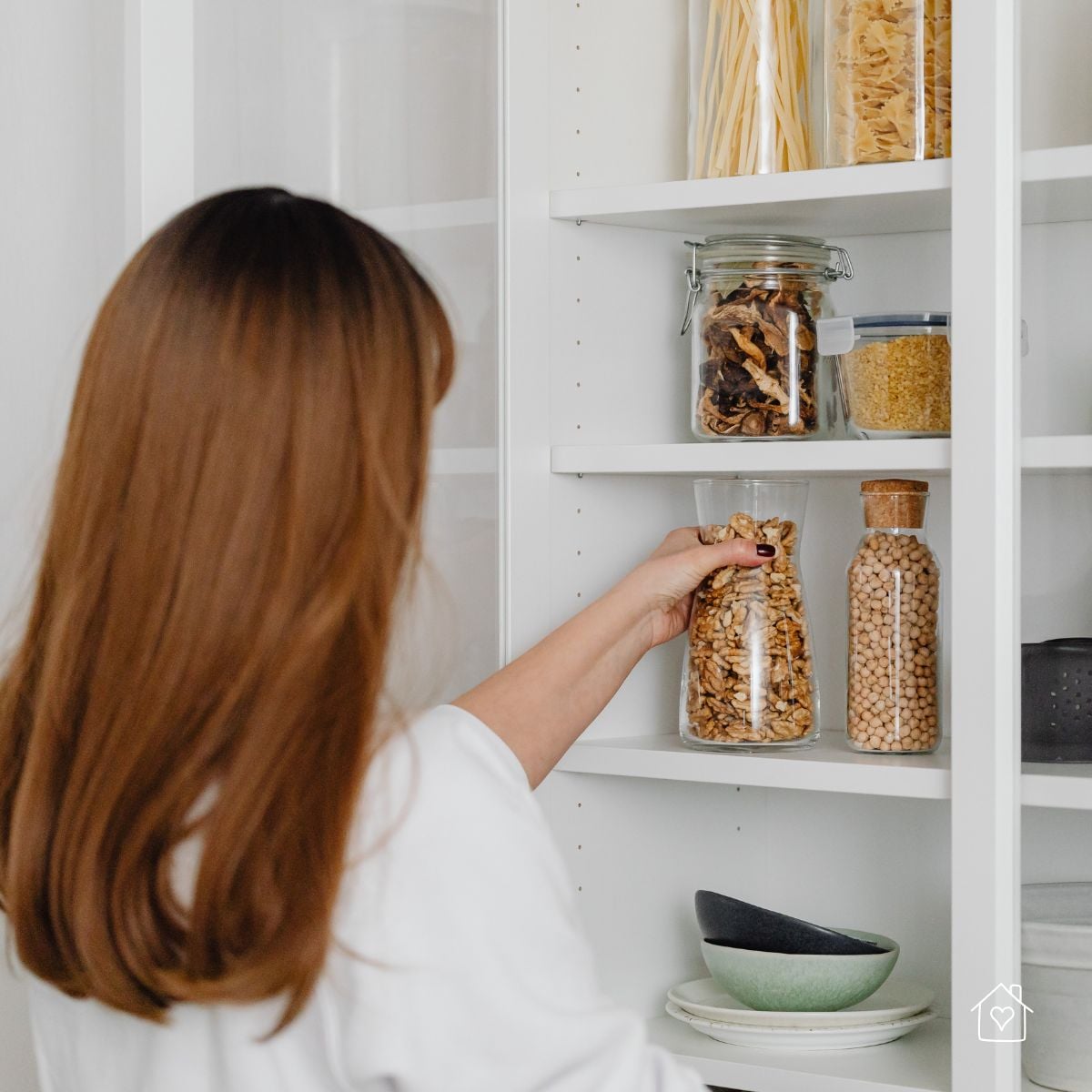
One of the most common pitfalls in decluttering is starting with the belongings that carry the most meaning. It might feel logical to begin with the hardest category. After all, once it's done, the rest should be easier. But starting with sentimental stuff usually backfires. Those items are tied to memories, people, and big life moments, and diving into them right away can be emotionally draining. Instead of making progress, you might find yourself stuck, worn out, or even ready to give up before you've really gotten anywhere.
A smarter and gentler approach is to start with items that hold little to no emotional weight. Think of expired pantry goods, worn-out towels, duplicate kitchen utensils, or that stack of outdated electronics tucked away in a drawer. These are "low-stakes" decisions. You either need them or you don't. Beginning here builds momentum. Each small choice, from tossing an expired spice to donating a sweater that no longer fits, reinforces your ability to let go and helps you trust yourself in the process.
Once you've lightened your load with the easier categories, you'll be in a better emotional space to tackle belongings with deeper meaning. When you reach items like old letters, family heirlooms, or gifts from loved ones, give yourself permission to slow down. It's normal to pause, remember, and even grieve a little.
If you find yourself struggling to let go, consider alternatives that allow you to honor the memory without keeping the object itself. Passing a beloved item on to a family member or close friend can be deeply meaningful. Taking photos of items before parting with them allows you to keep the memory while freeing up physical space. And choosing one or two treasures to display or even wear (think of a collage made of old postcards, a special piece of jewelry, or a childhood memento that can be proudly displayed somewhere in your home) can be more powerful than storing a box full of things you rarely see.
3. Ask for help if you need it

Decluttering after a major life change is not just about stuff, but also about processing emotions. That's why having support can make the experience much easier. Family and friends can step in to help carry boxes, sort items, or simply sit with you as you make decisions. Sometimes, just having someone nearby makes the process less lonely and overwhelming.
If the project feels too big or emotionally charged to manage alone, you have the option of asking for professional help. Professional organizers, for example, can help you set systems, stay on track, and avoid decision fatigue. If your decluttering follows a loss, grief counselors or therapists can offer support for the emotional side of the process.
If the physical side of the job is the bigger obstacle, such as a house full of furniture, appliances, or boxes that no one wants to keep, a junk removal service may be worth considering. For Reno-area families handling a move, downsizing, or an estate cleanout, Junk Magicians provides property and estate cleanout services, including removal of furniture, appliances, and other unwanted household items.
4. Use self storage to bridge the gap

Sometimes the hardest part of decluttering is not knowing what to do with certain items. You may not have space for your grandmother's fancy and expensive china set right now, but you plan on holding on to them until you move into your dream home. Or maybe you're unsure whether you'll need certain belongings, such as baby furniture and items, in the foreseeable future.
In such situations, self storage can serve as a smart middle ground. By moving items into a storage unit, you give yourself the space and time to make decisions later, without the pressure of a looming deadline. It can also provide peace of mind when you want to hold onto things with sentimental or financial value but aren't yet sure how they fit into your next stage of life.
Self storage unit sizes range from small lockers to large spaces capable of holding the contents of an entire home, allowing you to choose the option that best fits your needs - whether you're storing just a few boxes of sentimental items or entire rooms of furniture.
5. Focus on the next chapter in your life

Although we might feel that decluttering is mostly about closing doors, it's important to remember that it's also about opening new ones. So, as you sort through belongings, ask yourself: Will this object support me in the life I'm moving into? If it will, keep it. If it won't, it may be time to let it go.
It's natural to feel sadness about leaving behind belongings, places, and routines, but focusing on your next chapter can make the process feel hopeful rather than heavy. A move might mean a fresh start in a new community. Downsizing could bring the gift of simplicity and less upkeep. Helping a parent sort through belongings might create new opportunities for connection and storytelling.
Decluttering after a life change is never easy, but it can also be a healing step forward. With patience and care, the process becomes less about letting go of the past and more about making space for what comes next.