How to Plan a Room Makeover Before Buying New Furniture
I'll be honest, a tired, cluttered room sends me straight to the shops every single time. Surely a new sofa will fix it, right? Or a bigger dresser, or that dining table I keep pulling up on my phone at eleven at night. And every once in a while, it actually does. But shopping first has a way of landing you with a gorgeous piece that's just a touch too big for the space, doesn't sit right with anything else in the room, and somehow cost more than the whole makeover needed to. Planning first spares you all of that. Spend a little time figuring out how the room actually works and where it's letting you down, and the whole thing gets cheaper, calmer, and a lot more likely to fit the way you really live.
From time to time, articles on The How-To Home may reference third-party websites, businesses, products, services, or review platforms as part of editorial research. When evaluating companies or services, we may consider publicly available information such as customer reviews, business websites, service offerings, licensing information when available, and overall relevance to the topic.
Decide what the room needs to do
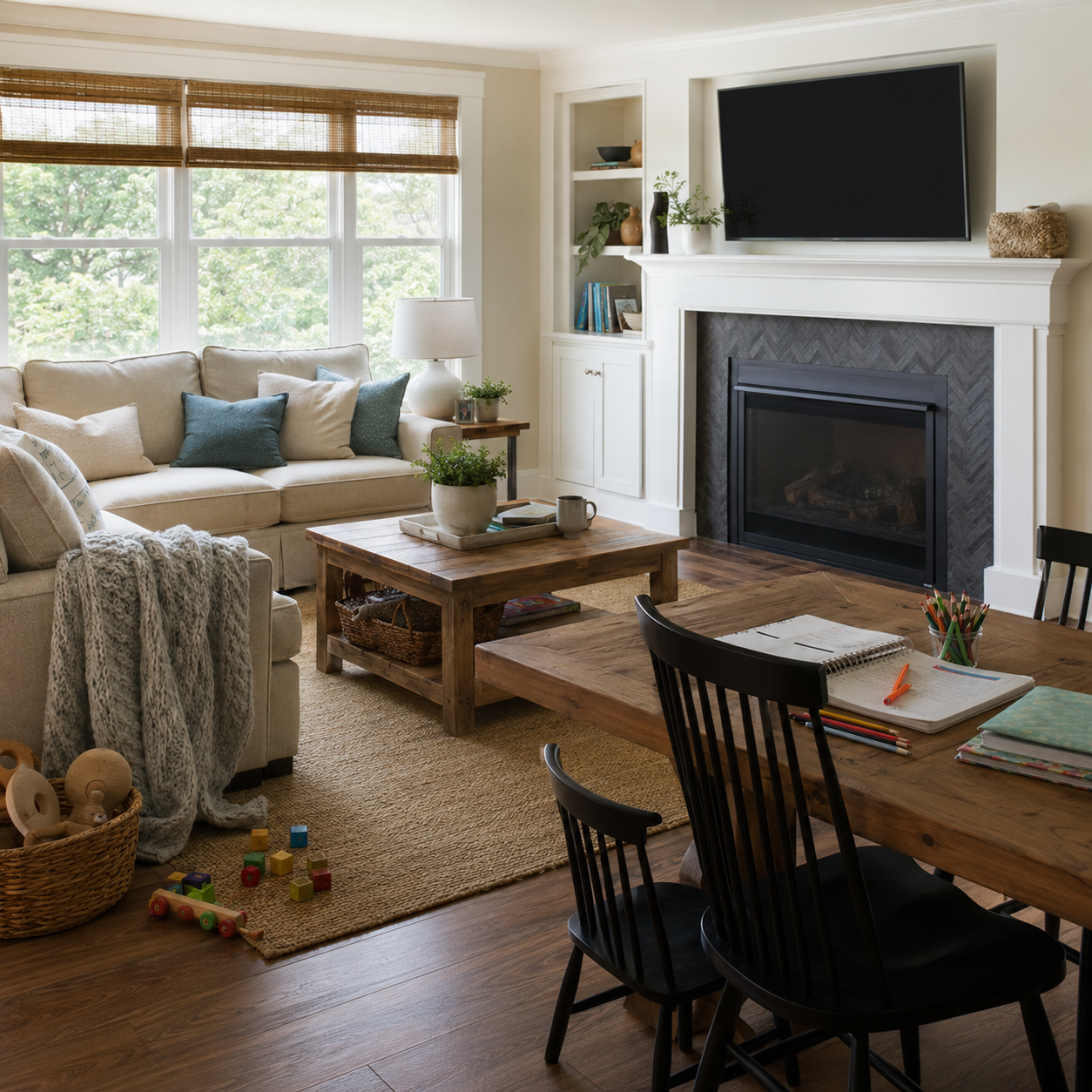
Furniture comes second. What comes first is being honest with yourself about what actually happens in that room. Take my family room, it's juggling movie nights, homework at the table, a pile of toys that multiplies overnight, and a guest crashing on the sofa now and then, all in the same four walls. A bedroom is trying to hold sleep, clothes, and a little bit of calm together. And a dining space really comes down to one thing... can everyone get in and out of their seats without a fight.
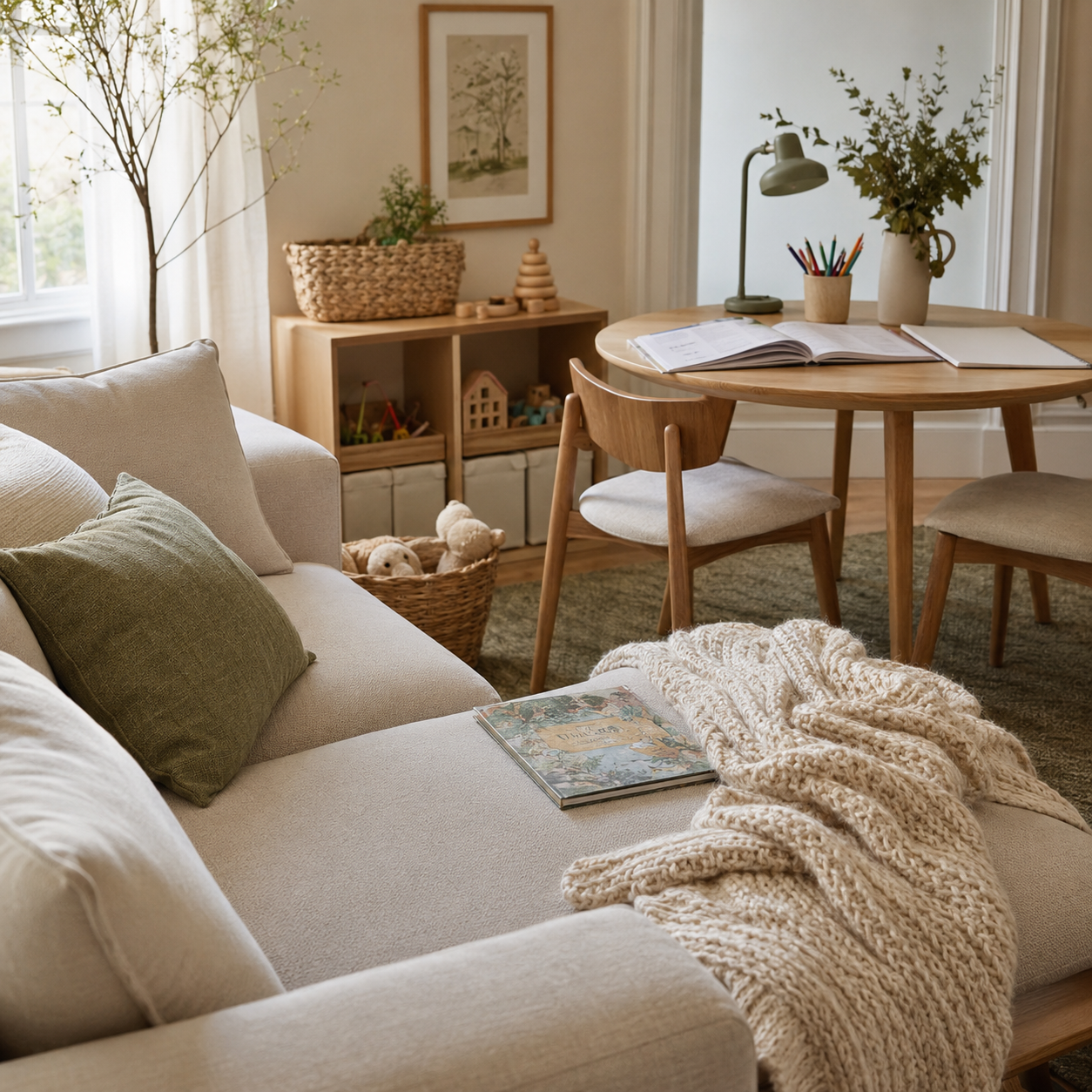
Once you're straight with yourself about the daily reality, the gaps stop hiding. Most of the time the issue was never a missing sofa at all, it's that nothing has a home, or the layout's been picking a fight with you every evening. Pin down the job the room genuinely has to do, and you stop bringing home good-looking things that fix none of it.
Measure before you fall in love with a piece
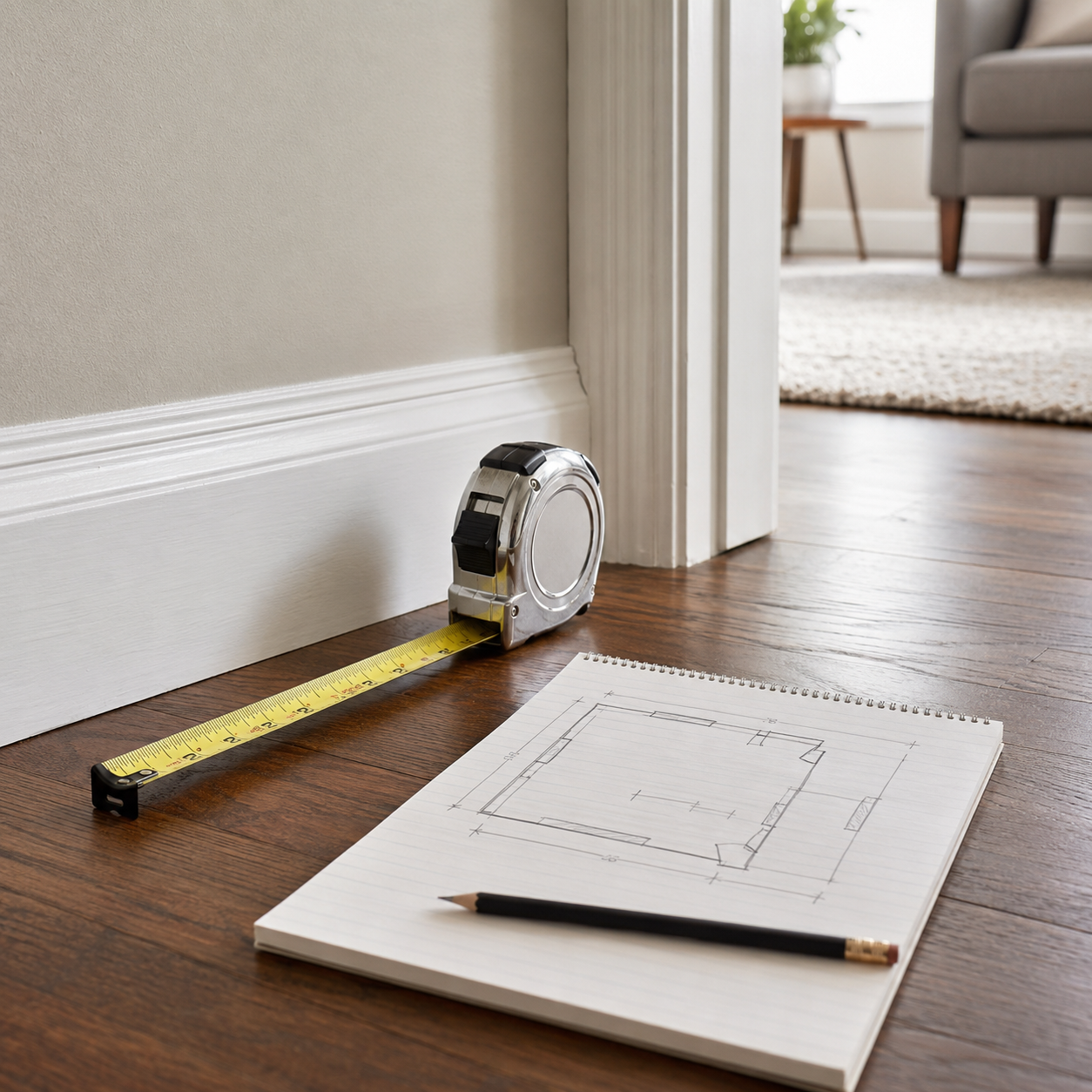
Here's the step almost everyone skips, myself included more than once, and it's the one that saves the most money. Before anything wins your heart, dig out the tape measure. Get the wall lengths down. Mark where the windows and doors fall, and check the doorway a big piece actually has to squeeze through to get into the room in the first place.
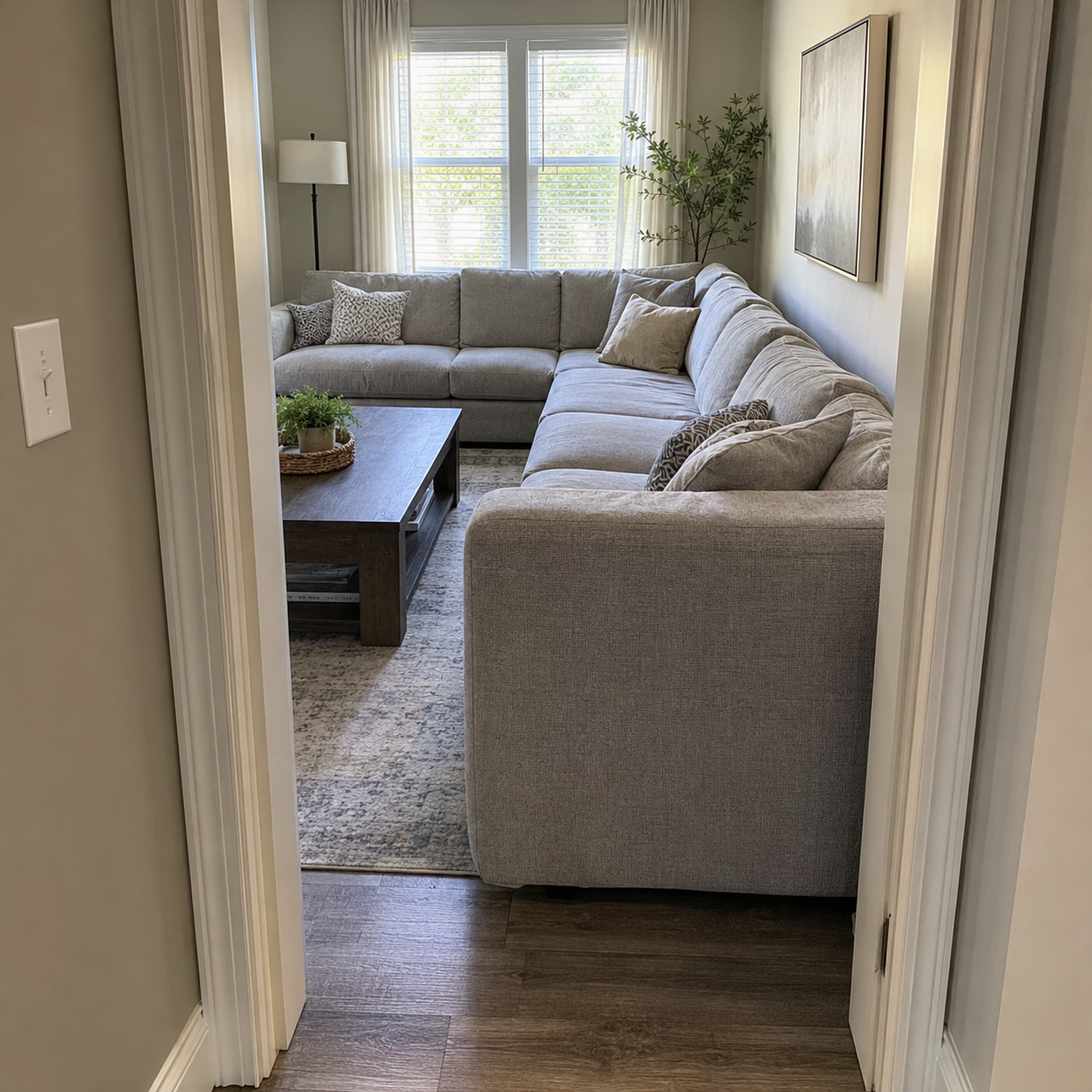
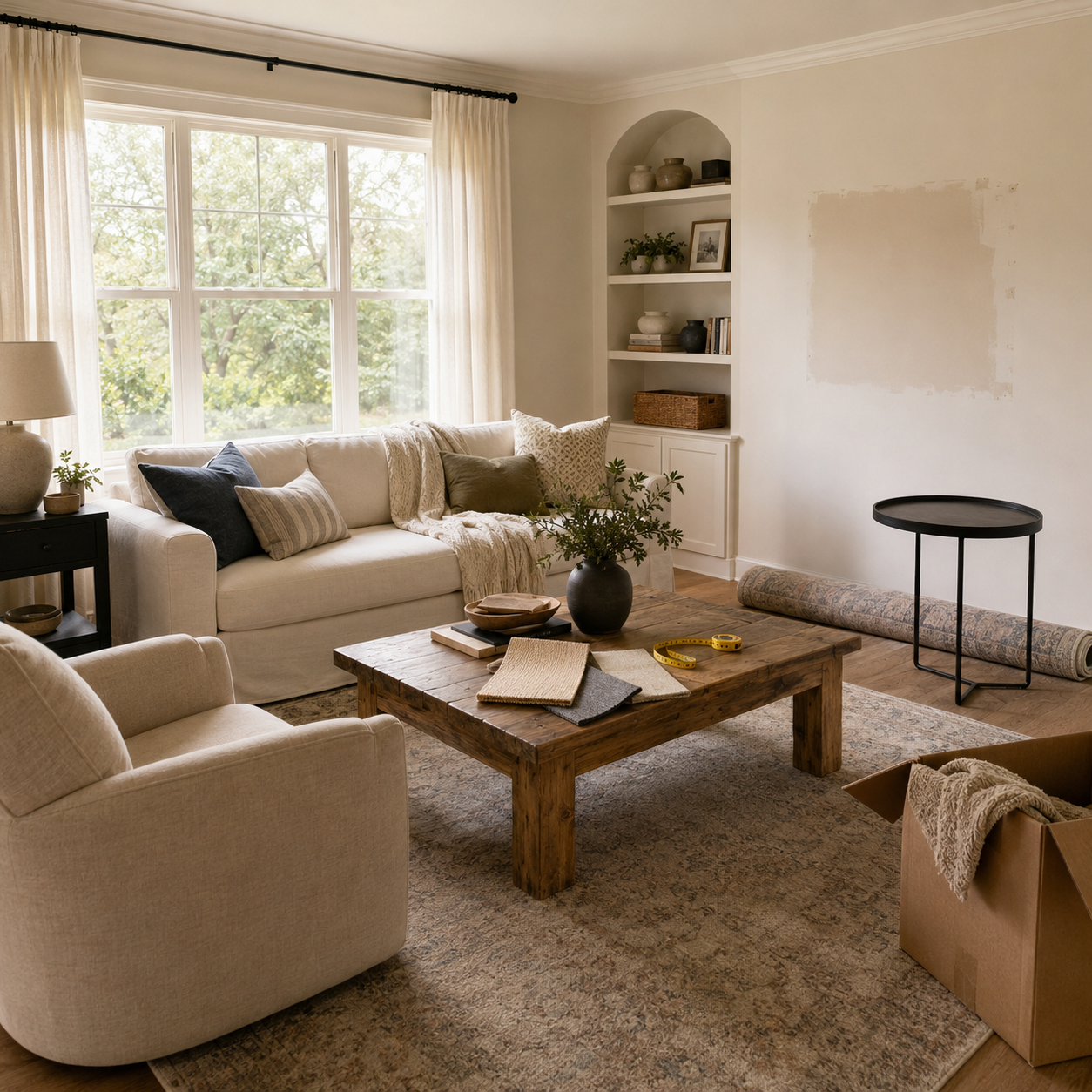
Then look at the space around the furniture, not just the furniture itself. Is there room to slip past the coffee table without doing the shuffle? Will the drawer or the door still open all the way? Does the rug actually reach under the legs, or does it leave everything stranded? Before buying a sofa, storage cabinet, dining table, or statement chair, homeowners can use measurements, mood boards, sample photos, room sketches, and even 3d furniture rendering services to get a real feel for how a piece will look and fit before it ever shows up. Even chalking the outline right onto the floor and walking around it teaches you more than you'd think, and it hasn't cost you a thing.
Once you have your measurements and wish list in hand, visiting an OMF Furniture store can help you compare pieces while staying focused on what will genuinely fit your space and lifestyle.
Reuse or refresh what you already own
Hold off on replacing everything and take a proper look at what's already in the house. So much "tired" furniture is really just neglected, and reviving a piece costs a fraction of buying its replacement.
That dated dresser could look like a completely different piece with a coat of paint and a new set of handles. The scuffed side table might only need a good clean and a rub of wax. A sofa that's still solid underneath but looking sorry for itself will often come right back to life with a slipcover and a few fresh cushions. And sometimes the answer isn't a fix at all, just carrying a piece into another room solves two problems at once. Exhaust the free ideas before you spend a dime, whatever you genuinely still need will still be there to buy afterward.
Build a simple mood board
Gathering your ideas in one spot keeps a makeover from drifting into a jumble of bits that don't belong together. Nothing fancy required, an album on your phone does the job just fine, or a Pinterest board, or honestly a scrap of paper pinned to the wall.
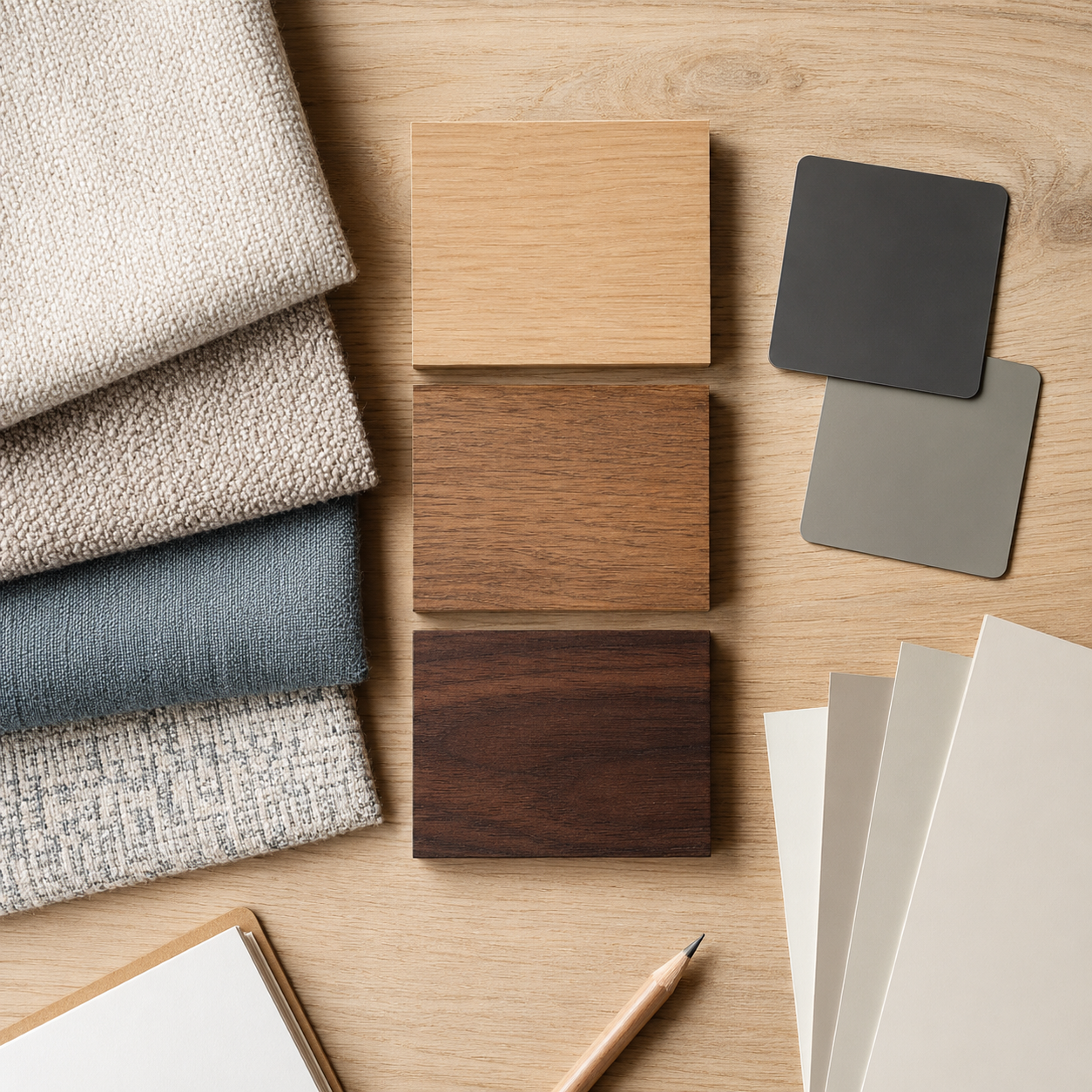
Just start dropping things in as you find them. A paint color that catches your eye. A fabric swatch. A screenshot of a chair you keep going back to, a curtain idea, a photo of a room that feels the way you want yours to feel. Line them all up together and it becomes obvious pretty fast what belongs and what jars. Spotting a clash on your phone screen is a whole lot cheaper than spotting it after the delivery van has already pulled away.
Think about storage and everyday mess
Real family homes come with stuff, and a makeover that pretends otherwise looks neat for about a day. So sort the storage out before you get lost in the pretty details. Figure out what genuinely needs a home, the toys, the blankets, the remotes, the endless small clutter, and give it somewhere to go.
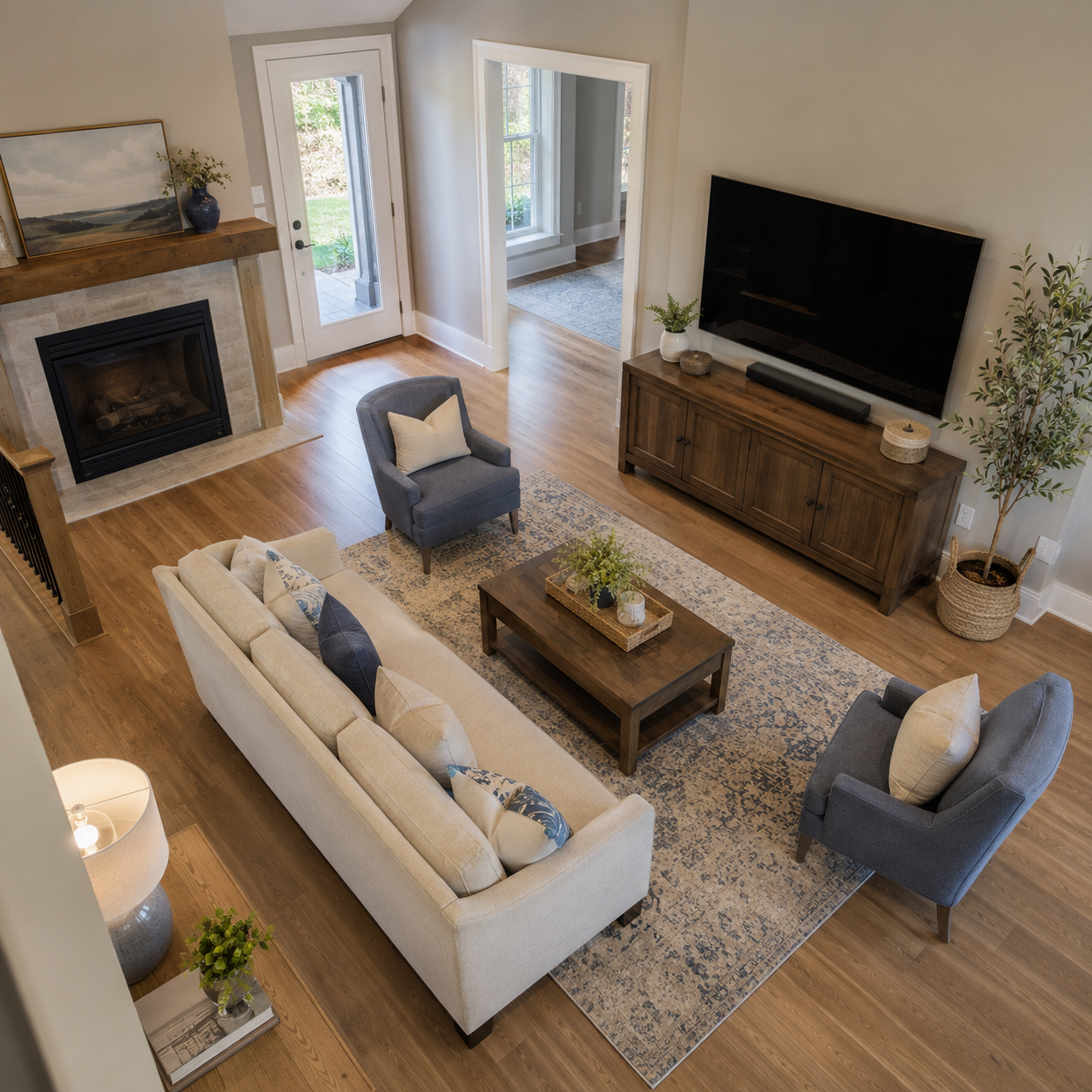
Baskets swallow mess in seconds. A storage bench earns its keep by doubling as a seat. Tuck the stuff you'd rather not look at into a sideboard or cabinet and put that dead space under the bed to work for you. In a busy house, storage you can shut a door on is worth its weight in gold, because it lets the room stay calm even when everyone in it isn't.
Add personality with smaller updates
With the big pieces and the storage handled, the fun part costs the least of all. The little updates are where a room finally turns into yours, and they're easy to switch out whenever the mood strikes.
Throw a few cushions around in different textures. Add a lamp for softer light once the sun goes down. Hang something on the wall you actually love, sit a plant or two around, warm up the windows with curtains you like. A thrifted find brings character no showroom can, and a bit of seasonal décor keeps things feeling fresh as the year rolls on. These are the finishing touches that turn a nicely arranged room into one that feels properly lived-in, and most of them are quick, cheap, and genuinely fun to do.
Final thoughts
A room makeover really doesn't need to start with a big, pricey trip to the shops. Start with the tape measure. Plan around the life your family leads, breathe new life into whatever you can, and treat any new furniture as a considered decision instead of an impulse buy. Follow that running order and you'll finish with a room that looks better, works harder, and leaves your wallet in a much happier place than if you'd just grabbed the first sofa that winked at you online.