How to Protect Stored Household Items From Moisture in a Container

Moisture control starts before the first box goes inside. A steel storage unit reacts to outdoor temperature changes, ground conditions, humidity, packing choices, and air movement, so household goods need a layered plan.
From time to time, articles on The How-To Home may reference third-party websites, businesses, products, services, or review platforms as part of editorial research. When evaluating companies or services, we may consider publicly available information such as customer reviews, business websites, service offerings, licensing information when available, and overall relevance to the topic.
Why Moisture Builds Up in Storage
Condensation forms when warm, moist air reaches a cooler surface and turns into liquid water. NOAA explains dew point as the temperature where water vapor becomes droplets, which is why metal walls and ceilings collect moisture during seasonal temperature swings.
A dry setup starts with the unit, the ground, and the packing materials working together. When comparing storage options through Pelican Containers, buyers need to look at door seals, roof condition, vents, floor condition, and placement area before deciding where furniture, clothing, books, and electronics belong.
Cardboard creates extra risk because it absorbs moisture and softens as humidity rises. Library of Congress preservation guidance recommends relatively dry, stable storage for paper, which matters for books, documents, photos, and fabric items. Plastic bins, pallets, and steady airflow reduce contact with damp surfaces.
*This post may contain affiliate links and I'll earn a commission if you shop through them. You can read my full disclosure here.
Practical Moisture Control Steps
A good storage plan separates household items from floor moisture, limits water vapor, supports airflow, and tracks humidity over time. Every layer has a job, from pallets under boxes to breathable covers over furniture and desiccant packs inside sealed bins.
Condensation
Condensation inside a steel box comes from temperature difference, trapped moisture, and limited airflow. Warm daytime air enters through door gaps, vents, or items brought in from a humid home. At night, cooler metal surfaces create droplets on ceilings, walls, and cargo doors.
The best warning signs are small rust marks, damp smells, swollen cardboard, wet roof ribs, and mildew on fabrics. These signals point to moisture movement, not just a single spill. A simple flashlight check after rain or a cold night reveals problem areas early.
Ventilation
Ventilation helps release humid air instead of trapping it around stored goods. Standard vents allow some exchange, while added vents improve crossflow when placed on opposite walls. Air movement matters most near ceilings, corners, and stacked belongings.
Useful airflow planning includes details that improve circulation without exposing items directly to openings:
- Leave a narrow gap between boxes and side walls for air movement.
- Keep tall furniture away from existing vents to avoid blocked airflow.
- Place moisture-sensitive items toward the middle instead of against metal panels.
- Avoid packing the unit tightly from floor to ceiling.
- Keep fabric, paper, and electronics away from the door end where rain enters during loading.
Pallets
Pallets raise items above the floor and reduce contact with moisture from ground temperature, spills, and tracked-in water. Wood or plastic pallets create a small air gap under bins, furniture, and cartons. This gap helps prevent damp marks on low storage pieces.
Floor moisture deserves attention even when the roof and doors look sound. Condensation collects on cool floors during temperature swings, and rainwater enters during loading if items sit outside. A raised base protects boxes from small puddles and improves access during inspections.
Sealed Plastic Bins
Sealed plastic bins protect clothing, linens, toys, small appliances, paperwork, and seasonal decor better than open cartons. Gasketed lids reduce vapor movement and help keep dust and insects away. Clear bins also make inspection easier without opening every box.
Desiccant packs work best inside sealed spaces rather than open stacks. Silica gel and calcium chloride products absorb moisture from the surrounding air, but their capacity is limited. Labels with replacement dates help prevent forgotten packs from becoming saturated.
Furniture Covers
Furniture covers need breathability. Plastic wrap traps moisture against wood, leather, and upholstery, especially during heat cycles. Cotton sheets, moving blankets, and breathable fabric covers protect surfaces from dust while allowing trapped moisture to escape.
Different materials need separate packing choices:
- Wood furniture benefits from small wall gaps and raised feet.
- Leather pieces need breathable covers rather than sealed plastic layers.
- Mattresses need upright placement with airflow on both sides.
- Metal frames need dry contact points to reduce rust marks.
Humidity Monitoring
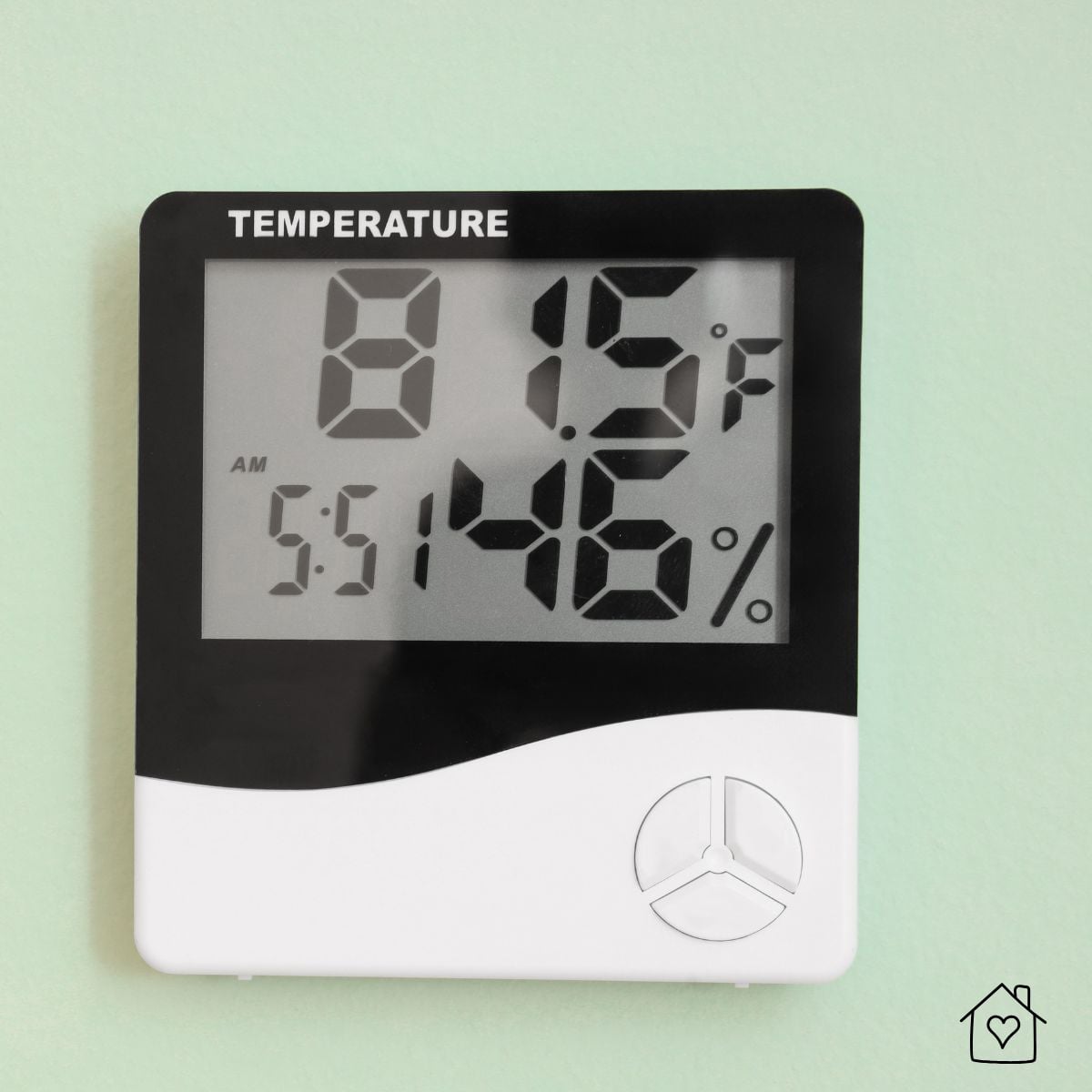
A small digital hygrometer gives a direct reading of relative humidity inside the unit. Readings above 60 percent create a higher risk for mold growth on many household materials, especially fabrics, paper, and wood. Monitoring turns guesswork into a visible pattern.
Seasonal checks matter because humidity changes with weather, location, and packing density. A reading after a humid week, cold night, or heavy rain gives better information than a single check on move-in day. Written notes help show whether ventilation, desiccants, or packing changes improved conditions.
A Drier Storage Plan
Moisture protection works best as a system. A sound unit, raised pallets, sealed plastic bins, breathable furniture covers, desiccant packs, ventilation gaps, and humidity monitoring all reduce exposure from different directions. No storage setup removes every risk, but careful packing, regular checks, and attention to seasonal temperature swings give household items a much better chance of staying dry.