How Accurate Are Plant Identification Apps
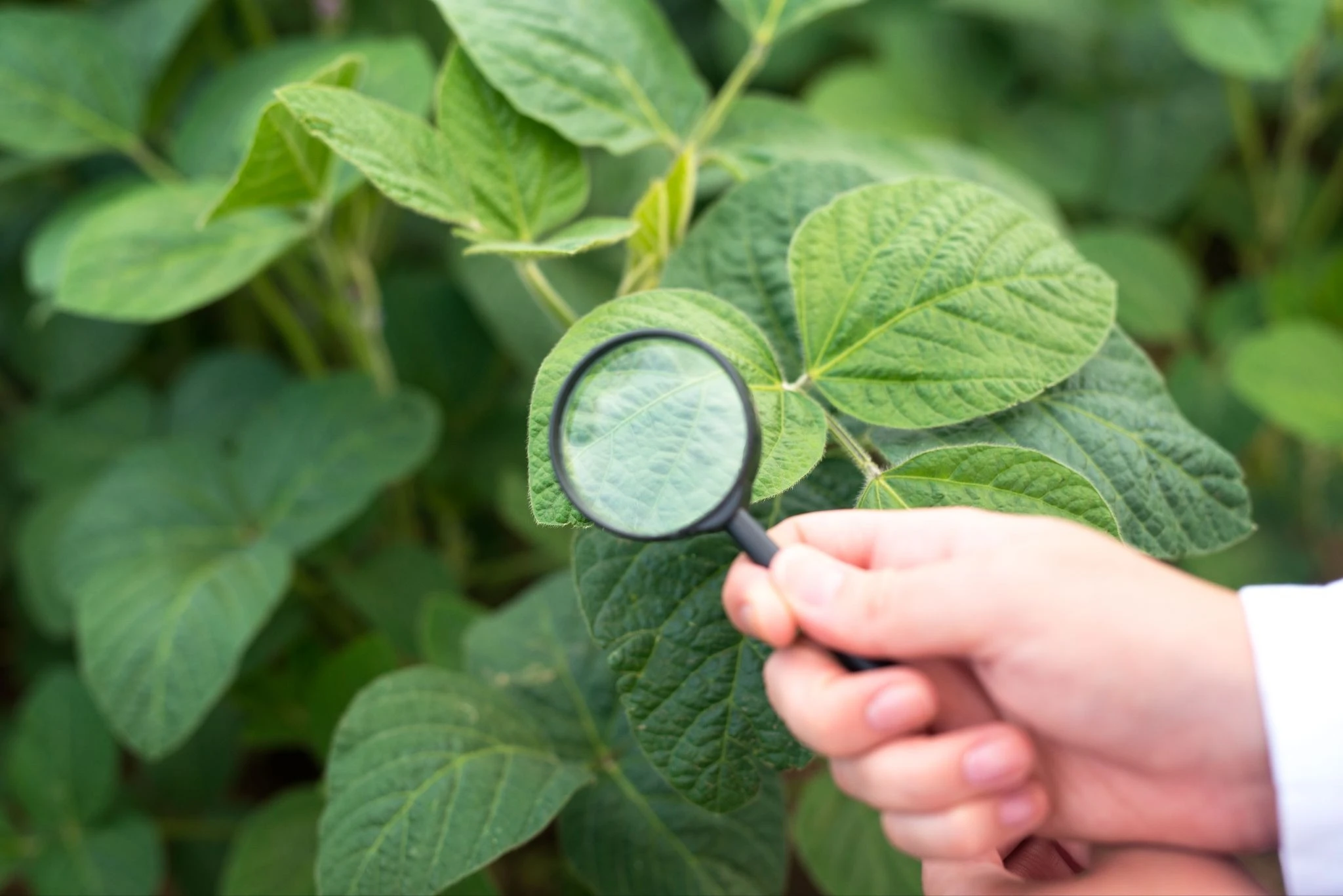
Maybe each plant lover snapped a photo of a species and wondered if the app got it right. How accurate are plant identification apps in reality? In this article, we'll explain what affects their results and how you can improve the accuracy level with better inputs.
What Does "Accuracy" Mean for a Plant ID App?
Accuracy in a plant identification online app isn't simply a matter of being right or wrong. It depends on how the app processes visual data, including the quality of its image recognition model and the depth of its database. Just as important is the input itself. A clear, well-framed photo can improve the reliability of the result.
How Do Plant Identification Apps Work?
Modern applications combine AI-powered image recognition with extensive botanical databases. The app analyzes visual features like leaf shape, color, stem, and texture, then compares them to known species. If the match is uncertain, it cross-checks results across multiple data sources to improve accuracy.
*This post may contain affiliate links and I'll earn a commission if you shop through them. You can read my full disclosure here.
How Accurate Are Plant Identification Apps in Practice?
In practice, many applications deliver fast and fairly reliable results. For example, https://botanapp.com/ can identify a plant in up to 5 seconds, correctly recognizing 9 out of 10 plants under typical conditions, with proven 98% accuracy.
The process of Botan plant identification by photo is simple: you upload or take a photo, and the system analyzes visual features before matching them against its database to suggest the most likely species.
When Apps Struggle to Identify Plants
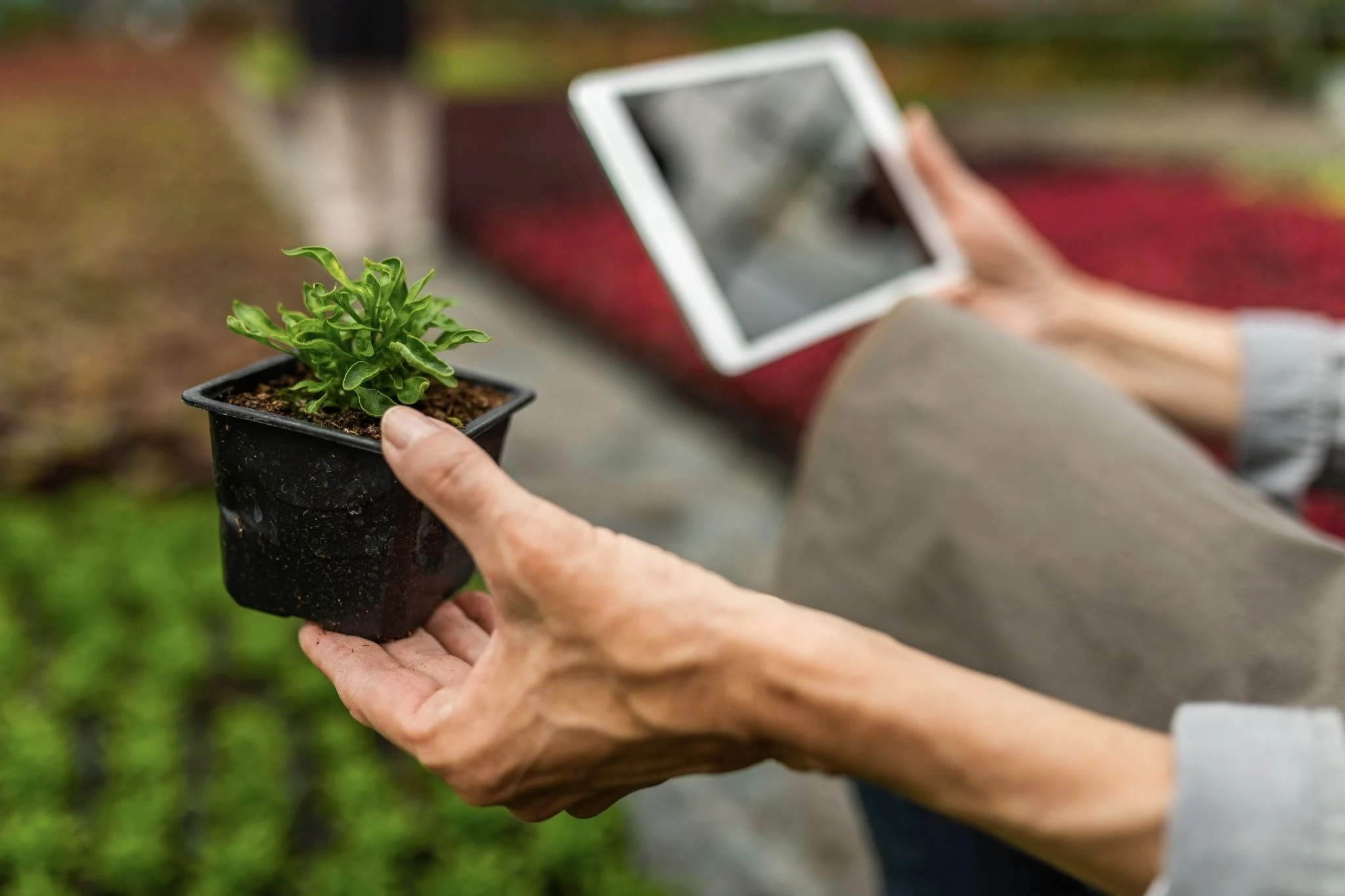
Even the most accurate plant identification app can struggle under certain conditions. Accuracy often drops when the visual input is unclear or when the species lacks distinctive features. In these cases, the app may return multiple suggestions or an incorrect match.
Common situations where difficulties are possible include:
- Blurry or low-resolution photos
- Poor lighting or strong shadows
- Partial views of the plant (e.g., only a leaf or stem)
- Types with very similar-looking varieties
- Seasonal changes affecting appearance (no flowers, dry leaves)
Overall, most identification errors come down to image quality and context. Providing a clear, detailed photo increases the chances of getting an accurate result.
From time to time, articles on The How-To Home may reference third-party websites, businesses, products, services, or review platforms as part of editorial research. When evaluating companies or services, we may consider publicly available information such as customer reviews, business websites, service offerings, licensing information when available, and overall relevance to the topic.
5 Tips for Taking a Photo That Gets Accurate Results
The quality of identification depends heavily on many aspects mentioned before. Small details like leaf shape, veins, and edges often make the difference between a correct and incorrect match.
To improve your results, follow these tips:
- Take photos in natural light to avoid color distortion
- Focus on the most distinctive part (leaf, flower, or fruit)
- Keep the image sharp and avoid motion blur
- Frame the main part clearly without cluttered backgrounds
- Capture multiple angles if possible (close-up and full view)
A few extra seconds spent on capturing the right shot can significantly increase identification accuracy.
When to Trust the Result - and When to Double-Check
What is the best plant identifier app, and what to pay attention to when choosing? Note that results are not always equal - some can be trusted with confidence, while others require a second look. The key is to assess both the quality of the photo and how typical the plant appears.
It's worth double-checking the result when:
- The photo is of low quality
- The plant is rare or exotic, like the corpse flower
- The app suggests several possible matches with similar confidence
- The species looks unusual due to disease, damage, or seasonal changes
You can trust the result when:
- The photo is clear, well-lit, and in focus
- The plant is common (e.g., typical houseplants like pothos or monstera)
- Multiple features are visible (leaves, stems, flowers)
- The app returns one strong match with a high 97%+ confidence
- The result matches your expectations based on location or context
In general, clear images of common plants lead to reliable results, while anything unusual or low-quality should be verified using another source.
What Makes a Plant Identification App Actually Reliable?
When evaluating a plant identification app, look beyond design and speed. True reliability depends on the quality of its species database, the use of multiple data sources, and how the app handles uncertain or low-confidence matches.
|
What to Look For |
Why It Matters |
|
Extensive and regularly updated database |
Ensures accurate identification across both common and rare species |
|
AI combined with multiple data sources |
Improves results by cross-checking matches instead of relying on a single system |
|
Confidence indicators or alternative suggestions |
Helps users understand when a result may not be fully reliable |
|
Recognition of health issues |
Adds value by identifying diseases, pests, or deficiencies |
|
Regional adaptation |
Increases accuracy by prioritizing plants common to your location |
Overall, a reliable app is one that not only gives fast results but also explains how confident those results are. The best tools support users in making informed decisions rather than presenting guesses as final answers.
Final Thoughts
Plant identification apps are useful tools, but they work best as a starting point rather than a final authority. In everyday situations, they provide quick and helpful answers, especially with good-quality images. However, in critical cases, such as identifying toxic or rare species, it's wise to verify the result using trusted sources or consult a professional botanist.