How To Use Lighting and Design Features to Create a Cozy Home
Sometimes you walk into a home and just know thought went into it. Everything is placed where it makes sense, and the house just feels right.
Right now I'm contemplating a lot of room makeovers. It seems like I start with one room and then no room is safe! A few weeks ago I started on the garage and home gym, and now that it's almost wrapped up, I'm ready to tackle the living room.
One of my pet peeves in that space is the lighting. It just doesn't make sense. I could run out, grab a couple of new lamps, and call it a day... but this time I want to get it right. So I've been working through what really makes a room feel cozy, starting with the lighting and moving through every other piece of the room.
Furniture and accessories alone can't make a house comfortable. It takes lighting, color, texture, layout, and a few other pieces working together to make a room feel cozy at every time of day. The good news is you can make any room more comfortable without a full renovation or redecorating the whole place.
From time to time, articles on The How-To Home may reference third-party websites, businesses, products, services, or review platforms as part of editorial research. When evaluating companies or services, we may consider publicly available information such as customer reviews, business websites, service offerings, licensing information when available, and overall relevance to the topic.
Using Layered Lighting
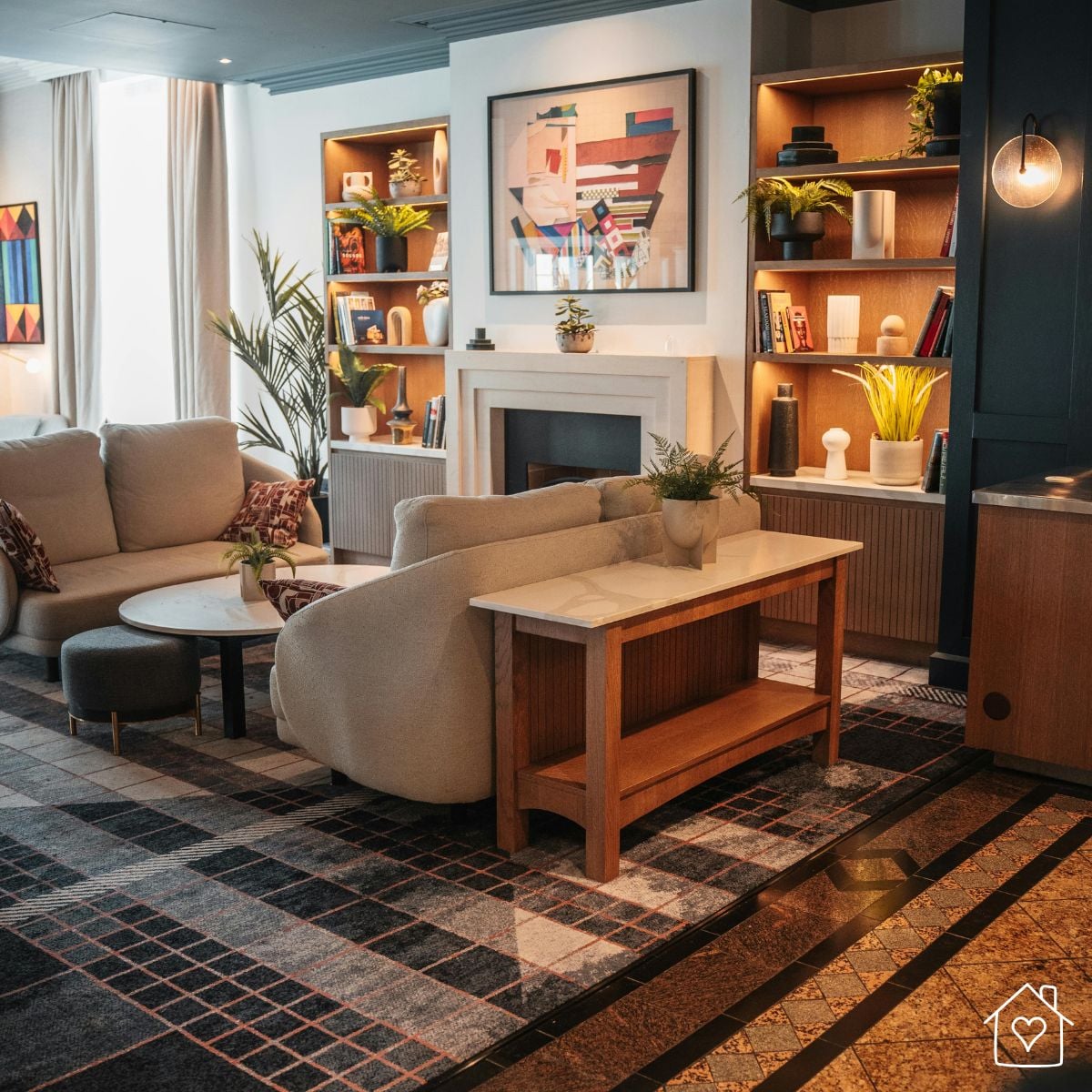
Lighting changes the whole feel of a room because it changes how you see the colors, the furniture, and the architectural details. Mixing different kinds of lighting (ambient, task, and accent) creates a much more comfortable feel than leaning on the overhead light alone. Ceiling lights can handle the ambient lighting, while floor lamps, table lamps, and wall lights add softer light around the room.
Where you put your lamps matters too. A lamp near the sofa or armchair makes it easier to settle in and read. Accent lighting puts the spotlight on a piece of art, a shelf, or an architectural detail you love. And dimmers give you the flexibility to change how bright the room is at different hours of the day. Warm lighting is the way to go in a living room, since that's where everyone usually relaxes. (This is the part I'm rethinking first in my own living room!)
Choosing Comfortable Colors
Color is another big piece of setting the mood in a house. Neutral, earthy, and light colors go a long way toward making a room feel comfortable without making it feel heavy. When you're putting together a color scheme, use those shades on the big stuff: walls, upholstery, drapes, and rugs. Then bring in bold colors with small pieces you can swap out easily.
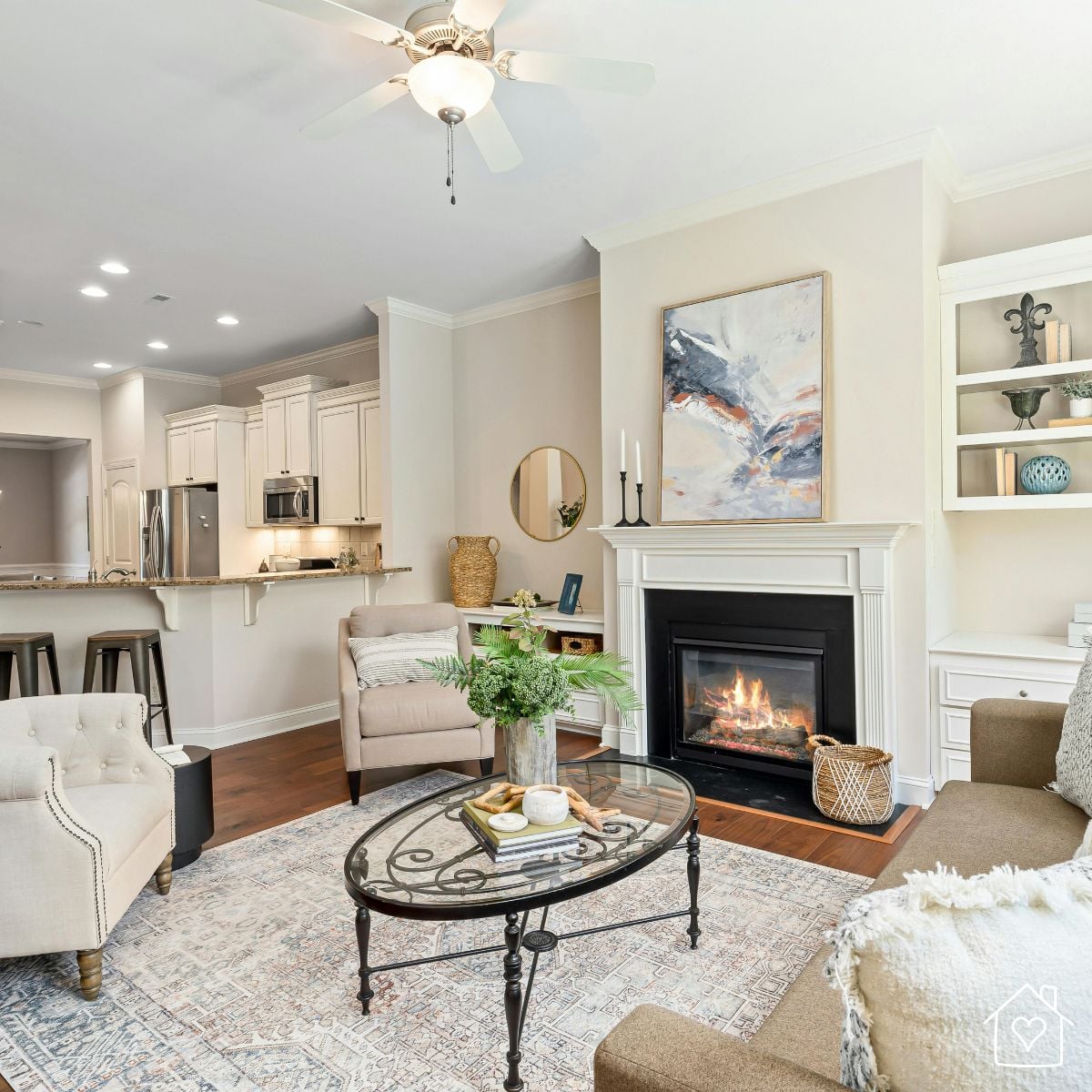
Light plays a part here too. Some colors look warm during the day and don't look so great at night, so test your samples in different light before you commit to any big changes. Pulling your wall colors together with your flooring and furniture is another way to make the rooms in your house feel connected.
Adding Textures and Soft Furnishings
Texture adds depth to a room. Rugs, curtains, pillows, upholstered furniture, and blankets soften a room full of hard surfaces like wood, tile, glass, or metal. Layering a few textures makes a room cozier without making it look cluttered. Woven fabrics, wood, and upholstery give you plenty of variety without needing bold patterns.
Soft furnishings pull double duty. Rugs make the floor more comfortable underfoot, and curtains soften the look of big windows while giving the room more privacy. Pillows and throws make the seating area feel inviting, and you can change them out anytime you want.
Creating a Focal Point
A good focal point helps a room feel more organized. Fireplaces, art, built-in shelves, accent walls, and one-of-a-kind furniture pieces all make natural focal points. An electric fireplace can be really helpful in a living room when you want the look of a fireplace but don't want it to be the main focal point.
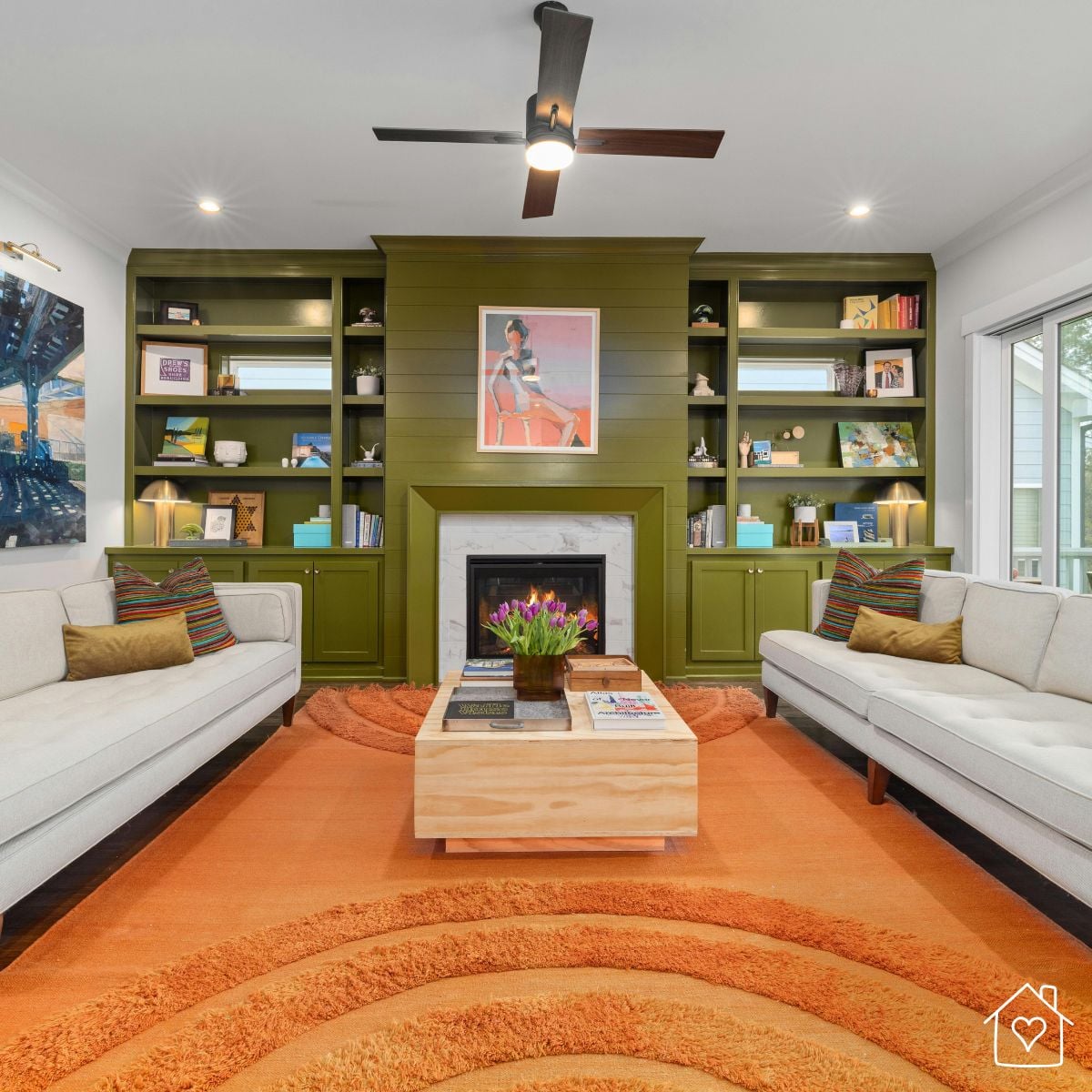
Your furniture arrangement should support your focal point. Set up the seating so it's easy to talk while everyone can still see the main focal point. At night, use lighting to highlight it. And keep the decor around it balanced so one side doesn't feel heavier than the other.
Improving Furniture Arrangement
Where you put your furniture affects how comfortable a room feels and how easily people move through it. You want enough room for conversation, plus clear paths between the doorways, tables, and other spots everyone uses. Pushing every piece of furniture up against the walls isn't always the best plan, especially in a bigger room.
Scale matters too, and it depends on the size of the room. Furniture that's too big will overwhelm a small room, and pieces that are too small can make a large room feel unfinished. Leaving enough space between pieces makes the whole room feel better. Think about how your family really uses the room before you start moving things around.
Incorporating Natural Elements
Natural elements make a home feel warm and inviting. Wood furniture, woven pieces, houseplants, stone, and natural fibers add visual warmth that doesn't depend on color. Houseplants add a lot of variety, especially in a room full of straight lines or neutral surfaces.
Windows are another way to bring nature in. Keep them as visually open as you can so natural light plays a big part in how your home feels. Sheer curtains soften the light while keeping the room bright, and heavier drapes add privacy in the evening.
Maintaining Functional Comfort
A cozy room still has to work. If a room looks pretty but is hard to use, you'll get frustrated with it fast! Good storage keeps things cozy because it gives everything a place, so you don't have stuff sitting out everywhere. Baskets, shelves, cabinets, and furniture with built-in storage all help.
Think about comfort at every time of day and every season. Adjustable light switches, portable lamps, windows, and flexible furniture let you use a room in several ways without redoing it every time.
Bringing Design Features Together
Most of the time, a cozy room comes from putting together several pretty simple pieces. Lighting sets the mood, color pulls the look together, and texture brings in that physical coziness. A focal point and good furniture placement make the room work. Then natural materials and enough storage keep it feeling cozy without the clutter.
You don't have to follow the exact same rules in every room of a cozy home, either. Each room can have its own purpose and personality while still tying in with the rest of the house through a few shared colors, materials, or lighting choices.
The right lighting and design choices can make a big difference in how comfortable your home feels, and none of it requires a major renovation. Layered lighting, color, soft textures, natural materials, smart furniture placement, and a good focal point all work together to create a space you love living in. Good design makes a room both beautiful and functional... and I can't wait to see what it does for my living room. What's the one room in your house that just doesn't feel right yet?