The Design Features You'll Appreciate for Years to Come
Ask somebody what they love about their new house a month after moving in, and the answer usually photographs well. The island. That gorgeous ceiling in the great room. The tile in the primary bath.
Ask that same person eight years in, and the list looks completely different, and honestly, it's a lot less Instagram worthy. The closet by the back door that somehow swallows six coats. An outlet that just happens to sit exactly where a phone gets charged. A porch roof wide enough to stand under while you dig for your keys in a downpour. Nobody puts those things on a wish list going in.... they're what you end up being grateful for.
From time to time, articles on The How-To Home may reference third-party websites, businesses, products, services, or review platforms as part of editorial research. When evaluating companies or services, we may consider publicly available information such as customer reviews, business websites, service offerings, licensing information when available, and overall relevance to the topic.
The Back Door Does the Heavy Lifting
The front door gets the wreath (we all know this). The back door, or more often the one off the garage, is where your household actually comes and goes, usually carrying something and usually tracking something in with it.
A mudroom built for that reality does more for your daily life than almost any square footage spent elsewhere. Enough hooks that coats actually end up on them instead of the floor. A bench so somebody can sit down and deal with boots. Tile or sealed concrete rather than anything that hates salt and slush. A floor drain if the budget allows, which sounds like overkill right up until March.
The detail people underestimate? Sheer capacity. A single narrow closet works fine for two people in October and falls apart completely once you've got winter coats, work coats, and a kid in three sports. I promise you, overbuilding the entry is nearly impossible.
Features That Earn Their Keep in Indiana
Spend any time comparing custom homes in Indiana and you'll start to notice something: the features owners praise years later are almost always tied to the weather. Not the extremes exactly, but the range. A house here has to handle five below in February and a ninety degree afternoon with a dew point to match in July, and it has to do both well.
Roof overhangs are the quiet hero of the whole thing. Generous eaves keep driving rain off siding and windows, shade the south facing glass in summer while still letting that low winter sun in, and add years to everything they cover. Trimming them back saves very little and costs a lot down the road.
A covered porch or a screened room belongs in that same category. There are maybe six weeks a year in this state when sitting outside is actually perfect, and a roof plus a screen turns that into most of May through September.... mosquitoes and thunderstorms included.
Below grade, the details matter more than anyone wants them to. Heavy clay holds water against a foundation, so a proper perimeter drain, a sump with a battery backup, and a second pit if the lot needs it are cheap insurance for that one week every spring when it rains four days straight. Owners who skipped the backup pump usually only skip it once.
Humidity control deserves its own thought too. Central air pulls some moisture out, but a basement in July stays clammy without help, and a whole house dehumidifier is what keeps a finished lower level from smelling like, well, a basement. Zoning the system matters as well, since the upstairs of a two story here runs warm all summer no matter how well the ductwork was balanced.
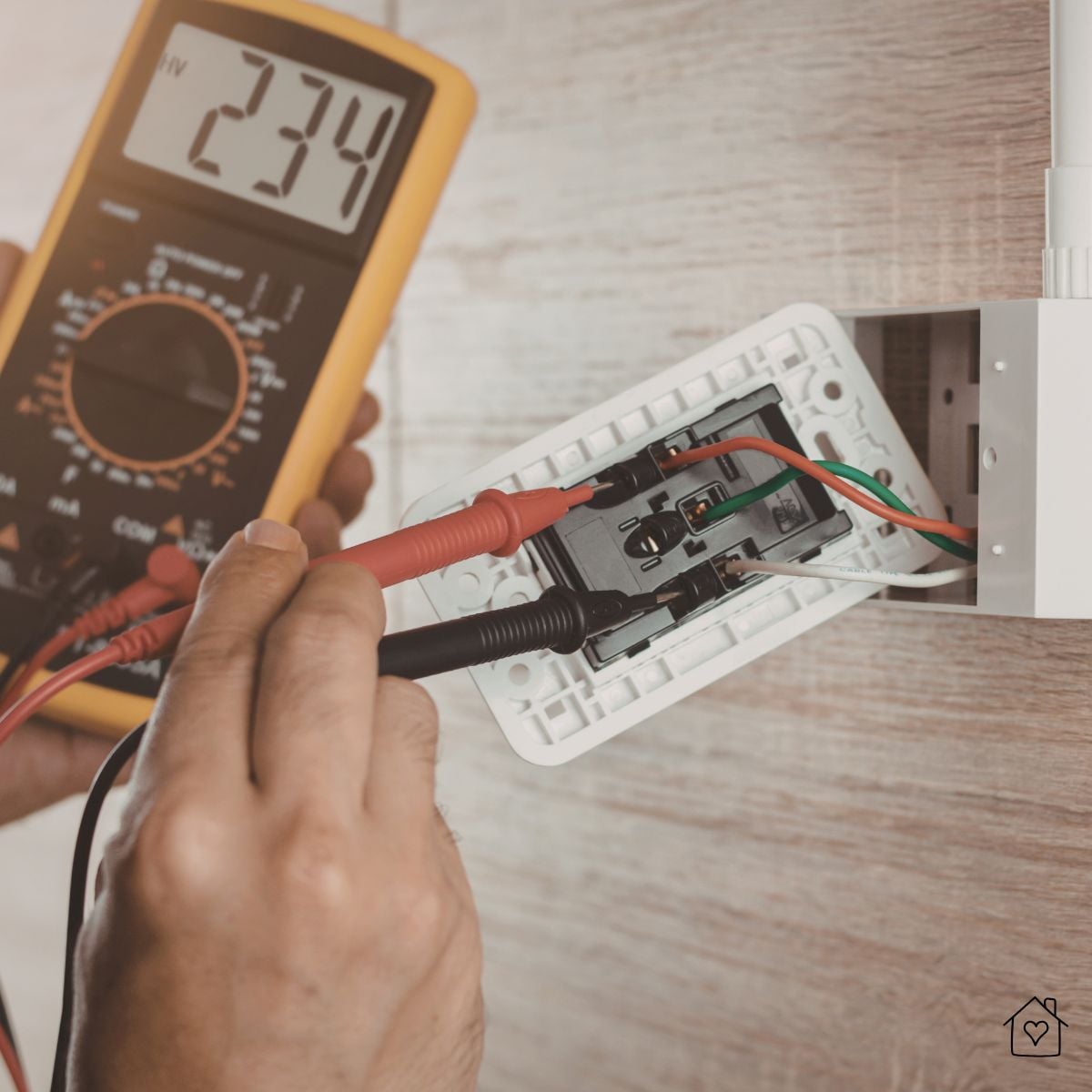
And then there's losing power. Ice storms and summer straight line winds take lines down, and rural service tends to get restored last. Even without buying a generator right away, having the transfer switch and the wiring in place during construction turns a future decision into an afternoon instead of a whole project.
Light Through a Gray January
Indiana gives up a lot of sunshine between November and March, and houses that plan around that feel noticeably better during the months when it matters most.
South facing glass with a properly sized overhang is the best move you can make. It brings in winter sun when the angle is low and blocks it in July when the sun sits overhead. East light in a kitchen or breakfast area is worth arranging too, since morning is when those rooms actually get used. West facing glass is the one to be careful with.... it looks stunning in a rendering and turns into a greenhouse by four in the afternoon.
Interior transoms, a window at the end of a hallway, glass in a stairwell.... all of it pushes daylight deeper into a floor plan. On an overcast day in Indiana, that's the difference between a room somebody actually uses and one they just walk past.
Room for the Things That Come With Living Here
Storage gets planned for move-in day and never for year ten. Garage depth is the standard regret. A bay sized for a sedan won't hold a full-size truck plus anything else, and adding two feet during framing costs a fraction of what a bigger garage costs later. A third bay, a floor drain for the slush that comes in every winter, and an outlet where a freezer will actually sit are all small decisions that pay off for years.
Plenty of families here end up wanting a shop or a pole barn eventually. Leaving a spot for it, and running a conduit toward that spot while the trenches are already open, is close to free at the time and expensive after the fact.
Materials That Get Better, Not Worse
Some finishes look best on day one and go downhill from there. Others just improve.
White oak and hickory floors take a beating from dogs and kids and still look right twenty years in. Solid wood cabinetry, much of it built by Amish shops in the northern part of the state, tends to outlast the kitchen design it was installed for. Brick and stone stop looking new and start looking settled, which is really the whole point.
Here's the rule that holds up: spend on the surfaces that get touched, walked on, and rained on. Spend less on whatever's going to feel dated anyway. None of this is the part somebody points out on a tour. It's the part that's still working the year your third kid learns to drive, when the entry still handles four pairs of boots, the basement is dry after a hard spring, and nobody has thought about the roof overhangs once.