Kitchen Drain Care: What Not to Pour Down the Sink After Cooking
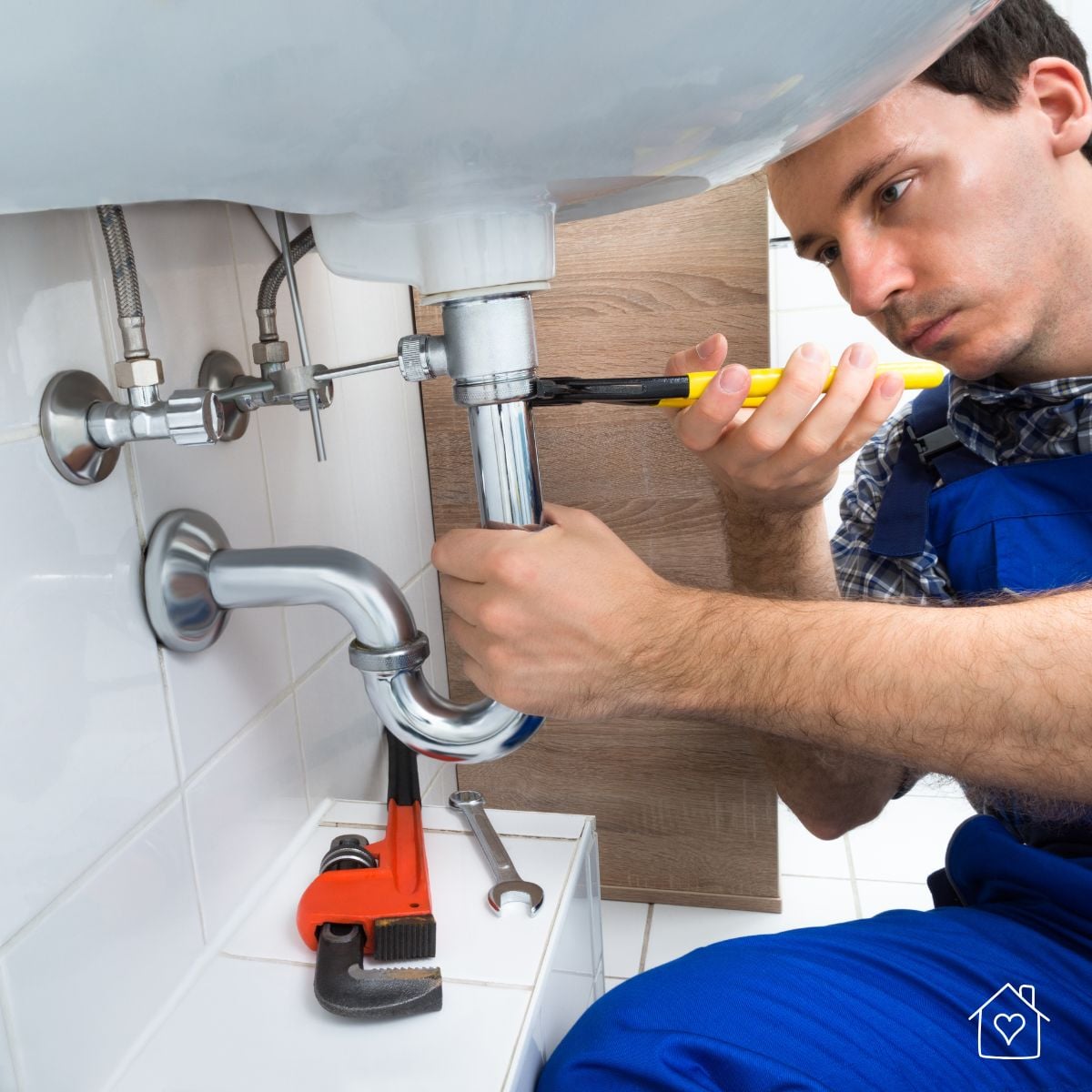
What Actually Happens to Your Drain After You Cook
If you cook real food, you have stood at the sink holding a pan of something you did not want to deal with. Bacon drippings. The fat off a pot roast. The starchy water from a pot of pasta. And the sink is right there, and the tap is right there, and running hot water while you pour feels like it solves the problem.
It does solve the problem, for about twenty feet. Then it becomes a different problem.
Kitchen drains are where most household plumbing trouble starts, and it is almost never one dramatic mistake. It is the accumulation of small, reasonable-seeming decisions made at the end of a long
From time to time, articles on The How-To Home may reference third-party websites, businesses, products, services, or review platforms as part of editorial research. When evaluating companies or services, we may consider publicly available information such as customer reviews, business websites, service offerings, licensing information when available, and overall relevance to the topic.
Grease is The Whole Story
Hot fat behaves like water. It pours, it runs, it disappears down the drain, and everything looks fine.
Then it travels into pipe that is not warm, and it does what fat does when it cools. It stops being a liquid. It coats the inside of the pipe in a thin film, and the next pour adds to it, and the one after that adds more. Over months the pipe narrows from the walls inward, and it collects everything else that comes through: coffee grounds, small food particles, soap. What eventually blocks the line is a solid mass, and it did not arrive that way. It was built one dinner at a time.
Hot water does not prevent this. It delays it. The fat still cools, just further down the line, and further down the line is where the pipe is harder to reach.
What to do instead. Keep a container by the stove. An empty can, a glass jar, an old yogurt tub. Pour the grease in, let it solidify, and put it in the trash. For pans with a light film rather than pourable fat, wipe them with a paper towel before they hit the sink. That single habit prevents more drain trouble than everything else on this list combined.
The Other Things That Cause Trouble
Coffee grounds. They do not dissolve. They settle, and they pack, and they are very good at sticking to a greasy pipe wall. The disposal will grind them into something even better at packing. Compost or trash.
Rice and pasta. Both keep absorbing water after you think they are done. What goes down as a small amount of leftover starch swells in the line and turns into paste. The starchy
Flour and batter. Anything that becomes glue when wet becomes glue in a pipe. Scrape the bowl into the trash before rinsing.
Fibrous vegetables. Celery, onion skins, corn husks, artichoke leaves, potato peels in quantity. The strings wrap around disposal blades and the peels form a dense mat.
Eggshells. The widely repeated claim that they sharpen disposal blades is not true, mostly because disposals do not have blades. They have blunt impellers. Eggshells break into small gritty fragments that settle in the trap and hold onto grease.
Anything labeled flushable that is not a toilet's problem. Wipes do not break down. They are a main line problem, not a kitchen one, but the same principle applies.
What a Garbage Disposal Actually Does
This is where most kitchen drain confusion starts.
A disposal is not a second trash can. It does not digest food. It breaks soft scraps into pieces small enough to move through a drain line with water. That is the entire job.
Which means a disposal helps with what is already going down the drain, and it does not make anything safe that was not safe before. Grinding grease produces grease. Grinding coffee grounds produces smaller coffee grounds. Grinding rice produces a finer paste.
Use it for soft scraps that come off plates during rinsing. Run cold water while it works, because cold keeps any residual fat solid so it moves through rather than coating the pipe on the way. Run it a few seconds past when it sounds clear, so the line flushes.
When Your Drain Is Slow, and What to Actually Try
A slow drain is worth addressing early, because a slow drain is a partially blocked one and it does not improve on its own.
Hot water and dish soap works on early grease buildup. Not boiling. If you have PVC drain lines, sustained boiling water can soften the joints, so use the hottest water your tap produces. Dish soap is designed to break down fat, which is exactly the problem you are treating.
Baking soda and vinegar mostly does not work, and it is worth saying so. The fizzing is a satisfying chemical reaction that produces almost no mechanical force and neutralizes itself within seconds. It can freshen a drain. It will not move an actual blockage.
Chemical drain openers are a last resort and often a bad one. They can damage older pipe, they sit in the trap if they do not clear the clog, and they make the job hazardous for anyone who has to open the line afterward.
A plunger or a hand auger is what actually works on a genuine kitchen clog, because the problem is physical and the solution needs to be physical.
The Signs That Mean It Is Not The Kitchen
Everything above assumes the problem is a kitchen line. Sometimes it is not, and the difference matters because one is a Saturday job and the other is not.
Stop treating it as a clog and get it looked at if you see any of these:
- More than one fixture draining slowly at the same time. One slow drain is a clog. Several at once is the line they all share.
- Gurgling at a fixture you are not using. Running the washer and hearing the tub, or flushing the toilet and hearing the sink, means air is moving somewhere it should not.
- Water appearing where you did not put it. Backing up into the tub or shower when the washing machine drains is a classic main line signal.
- A drain that clears and then blocks again quickly. Repeat clogs in the same place mean something is still in there.
- A smell outside near the cleanout, or a patch of lawn that is wetter or greener than the rest.
Those symptoms are not about anything you poured down the sink, and no amount of hot water and dish soap will change them. If you are seeing them, a licensed Houston plumber, like most established plumbing companies, will run a camera down the line and tell you what is actually there, which is a much better use of a Saturday than another round of drain cleaner.
The Short Version
Grease goes in a jar. Coffee grounds and rice go in the trash. The disposal is for what comes off plates, not for what comes out of pans. Run cold water while it works.
Do that consistently and the kitchen drain mostly takes care of itself. The habit costs you a jar by the stove and about four seconds per pan, which is a fair trade for never meeting the inside of your own drain line.