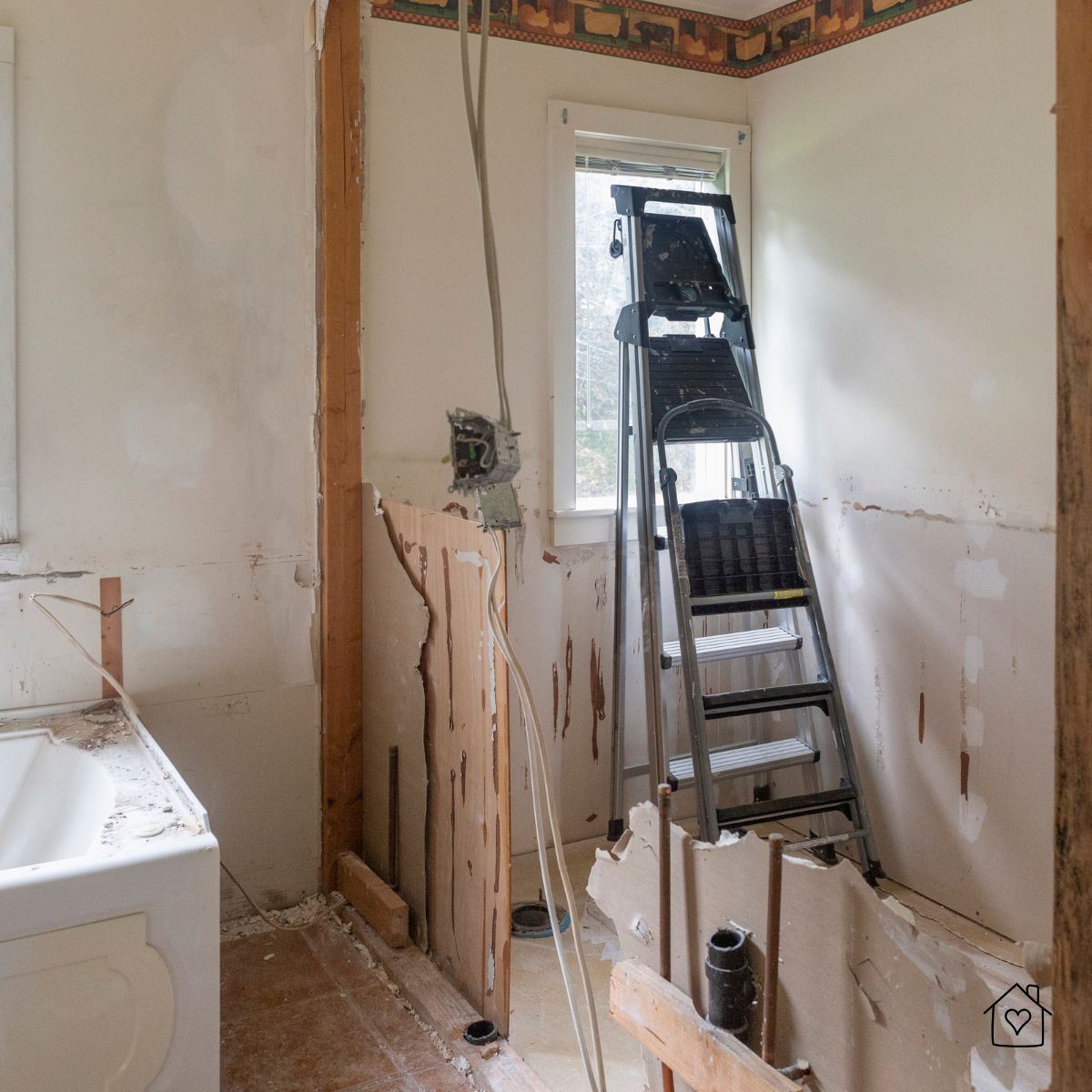
Why More Irish Homeowners Are Restoring Their Original Hardwood Floors Instead of Replacing Them
When I was growing up, we had wool carpeting throughout the whole house. Then when I was in 8th grade, my mom decided she wanted new carpet... and when the old stuff came up, I couldn't believe what was under it. The entire main floor was hardwood. Gorgeous hardwood that my dad had installed board-by-board.
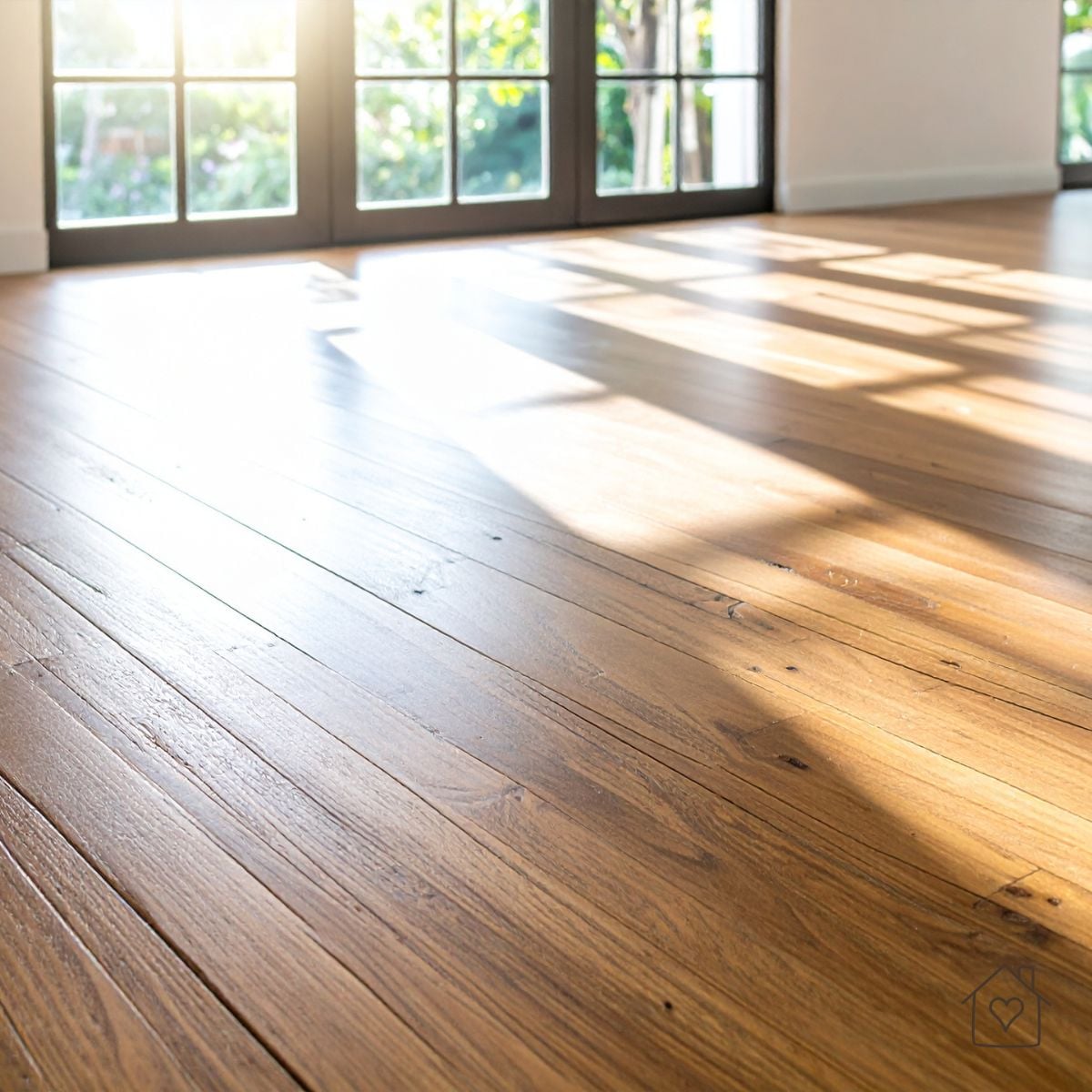
I almost hated to see it get covered up, but the new carpet went down anyway. I didn't see that floor again until my sister put our parents' house up for sale. The carpet came up one more time, and there it was. The realtor told us to leave it exactly as it was, because hardwood floors like that are a rarity.
I don't have a single picture of those floors (I wish I did), but I still remember how absolutely gorgeous they were. So when I hear that more homeowners are pulling up carpet and restoring what's underneath instead of covering it back up, I get it...
Over in Ireland, it's turned into a full-blown trend. More homeowners are choosing to refinish the floors they already have instead of ripping them out or covering them up again. Sales of floor finishes and waxes are up across Europe, and the products keep getting better every year.
So what changed? A few things, and every one of them applies to your house too.
From time to time, articles on The How-To Home may reference third-party websites, businesses, products, services, or review platforms as part of editorial research. When evaluating companies or services, we may consider publicly available information such as customer reviews, business websites, service offerings, licensing information when available, and overall relevance to the topic.
Floor Sanding Isn't the Dusty Nightmare It Used to Be
Not that long ago, refinishing your floors meant weeks of cleanup. The old sanders blew fine dust into every corner of the house. You'd
Today, most professional floor sanding crews use dustless systems. The sander hooks up to a powerful
Before you book anyone, ask if their sanders connect to dust containment. It's a quick question that saves you a lot of grief.
Water-Based Finishes Don't Turn Your Floors Yellow
If you remember wood floors from the 80s and 90s, you remember the color. The oil-based finishes of that era turned amber over time, so oak, pine, and maple all ended up the same orange shade.
Most pros now use water-based polyurethane. It goes on clear and stays clear, so your wood keeps its natural color for years. It's also lower in VOCs and has a much milder smell than the old stuff, which matters a lot if you're living in the house while the work gets done.
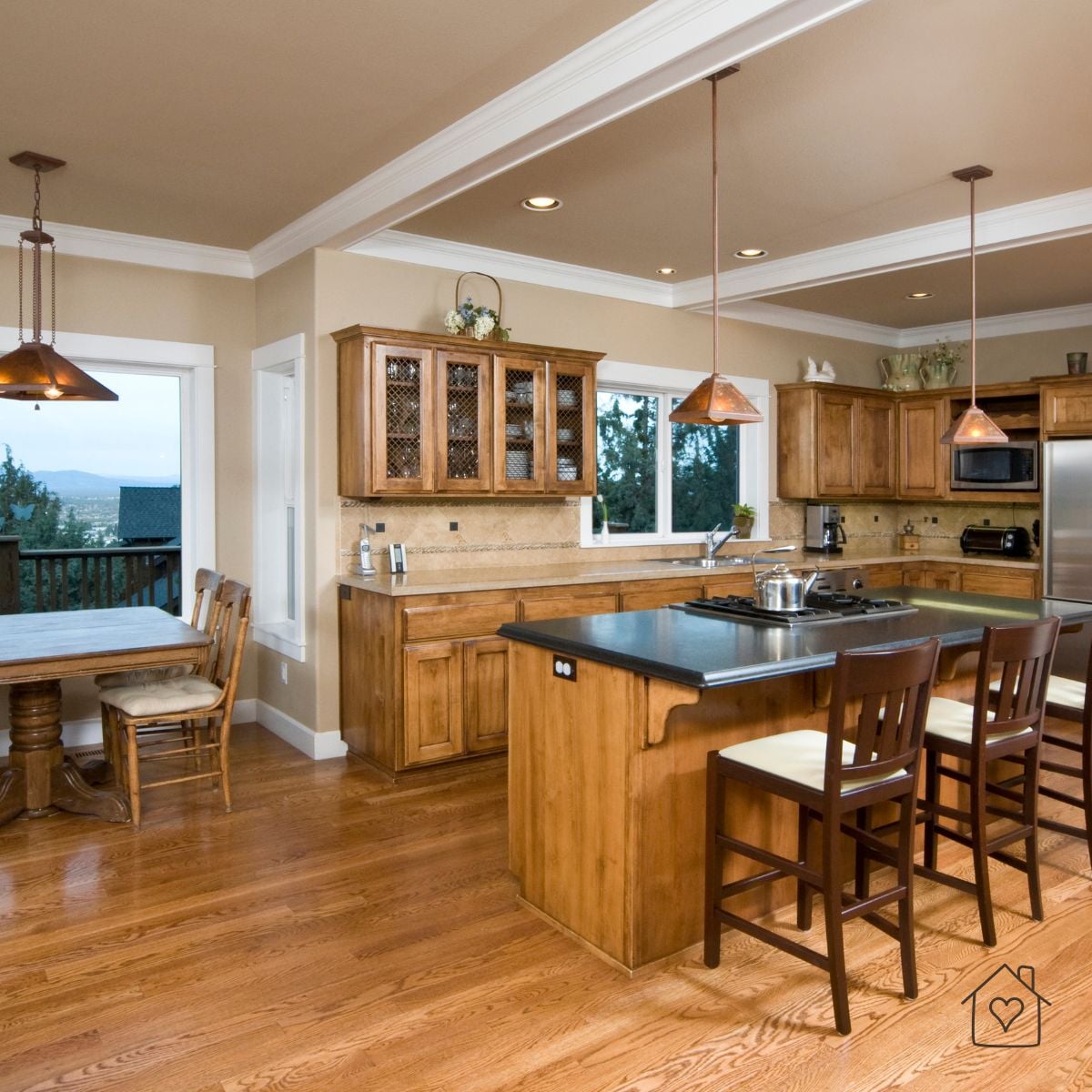
One honest note: some people love the warm glow of an oil-based finish on certain woods. If you're torn, ask your contractor to show you a sample board of each before deciding.
The Job Takes Days, Not Weeks
Back when oil-based finishes were the norm, a lot of families packed a bag and moved out for a few days while the floors dried and the fumes cleared. That alone was enough to scare plenty of people off.
With dustless sanding and water-based finishes, a room or two can often be sanded and finished in a day or two. Here's a typical timeline once the last coat goes down:
- A couple of hours: dry to the touch
- About 24 hours: fine for careful walking in socks
- About 48 hours: okay to move furniture back (lift it, don't drag it)
- About 2 weeks: safe to put area rugs back down while the finish fully cures
Your contractor will give you exact times for the product they use, so go by their word over any general rule.
Restore What You Have (It's Better for Your Wallet and the Planet)
People think differently about their homes now. Reuse, repair, and restore has become the new normal, and floors are a perfect example.
A lot of homeowners who chose wall-to-wall carpet decades ago got tired of the stains, the dust in the air, and the cost of professional
Replacing Costs Way More Than Restoring
Finding a good floor fitter is hard enough on its own. Then there's the price. Once you add up new materials, removal of the old floor, and installation, replacing a floor typically costs several times what it takes to refinish the one you already have.
Homes built before the 1970s, in Ireland and here in the States, often have solid hardwood hiding under a layer or two of carpet, linoleum, or vinyl. Those original boards tend to be dense, well seasoned, and ready to take a stain or finish in just about any color you like. There's no sense spending thousands on new engineered flooring when a better floor might already be under your feet.
How to Tell If Your Floors Are Worth Saving
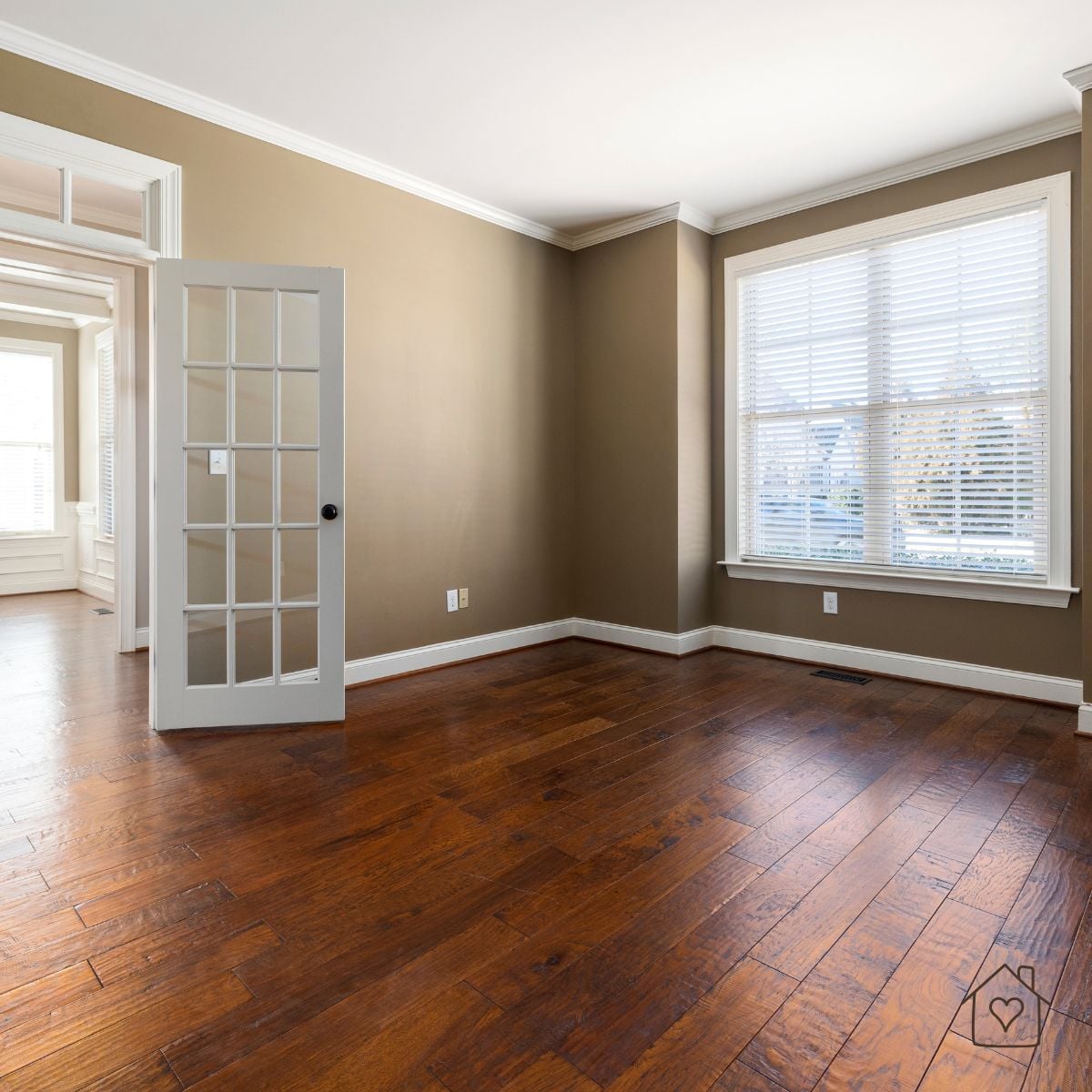
Before you price out new flooring, do a little detective work:
- Peek in a closet. Pull back a corner of carpet where nobody will notice and see what's underneath.
- Pull a heat register. With the vent cover off, you can see the edge of the boards and how thick they are. Solid hardwood is usually about ¾ inch thick and can be sanded several times over its life.
- Look for tongue-and-groove boards. That's a good sign you've got solid wood, not a thin veneer.
- Don't panic over nail holes. Tack strip holes along the walls are normal and fill easily.
- Check for dark stains. Deep pet stains or water damage may mean replacing a few boards, but that's still far cheaper than a whole new floor.
- Get a refinishing quote first. A pro can look at your boards and tell you whether they'll sand out beautifully or have already been sanded too many times.
Restoring your original floors is one of those projects that pays you back every single day you walk across them...
Have you ever pulled up carpet and found hardwood hiding underneath? Tell me what you found in the comments!