Repair or Replace Your Garage Door? How Homeowners Can Decide
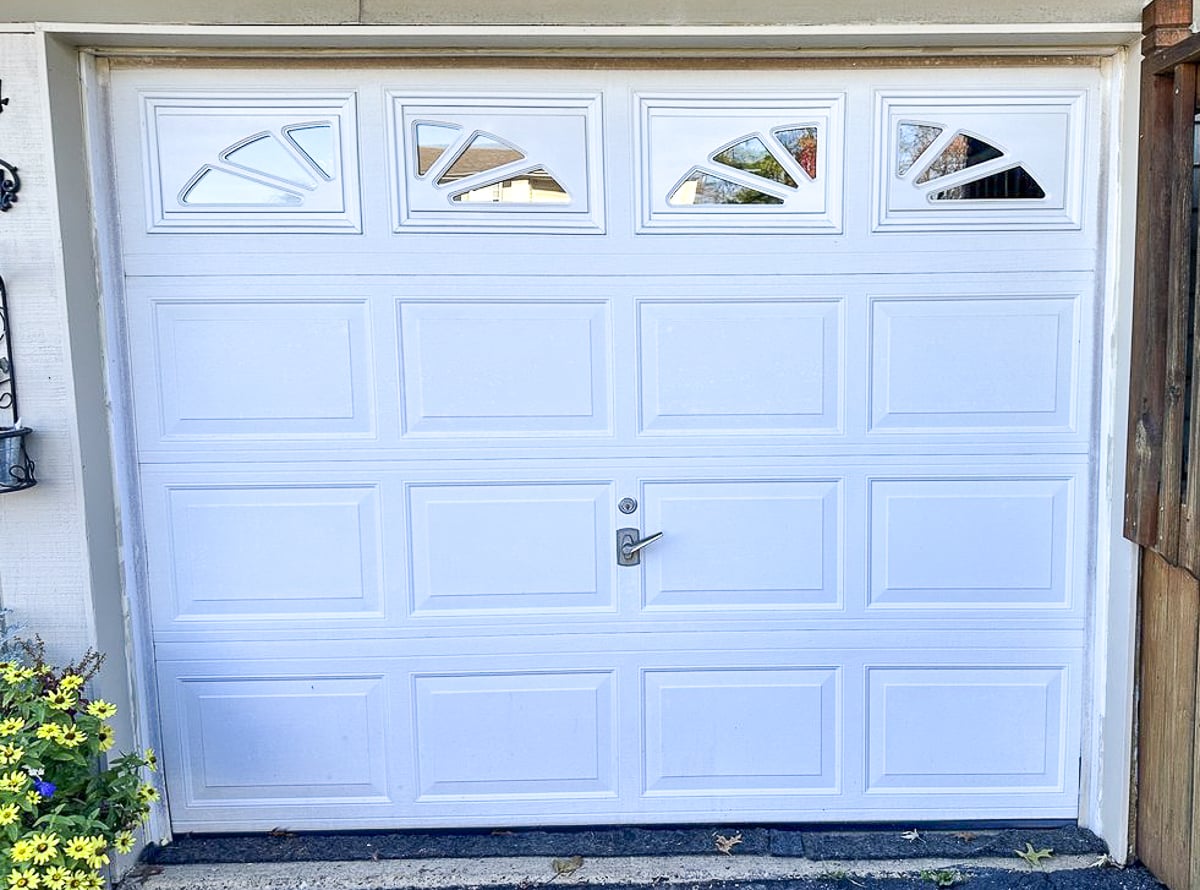
A few weeks ago I was checking out my garage doors and noticed the seals needed replacing. Worse, varmints were getting in through the gaps (HELP ME NOW)... and I was NOT going to let that continue.
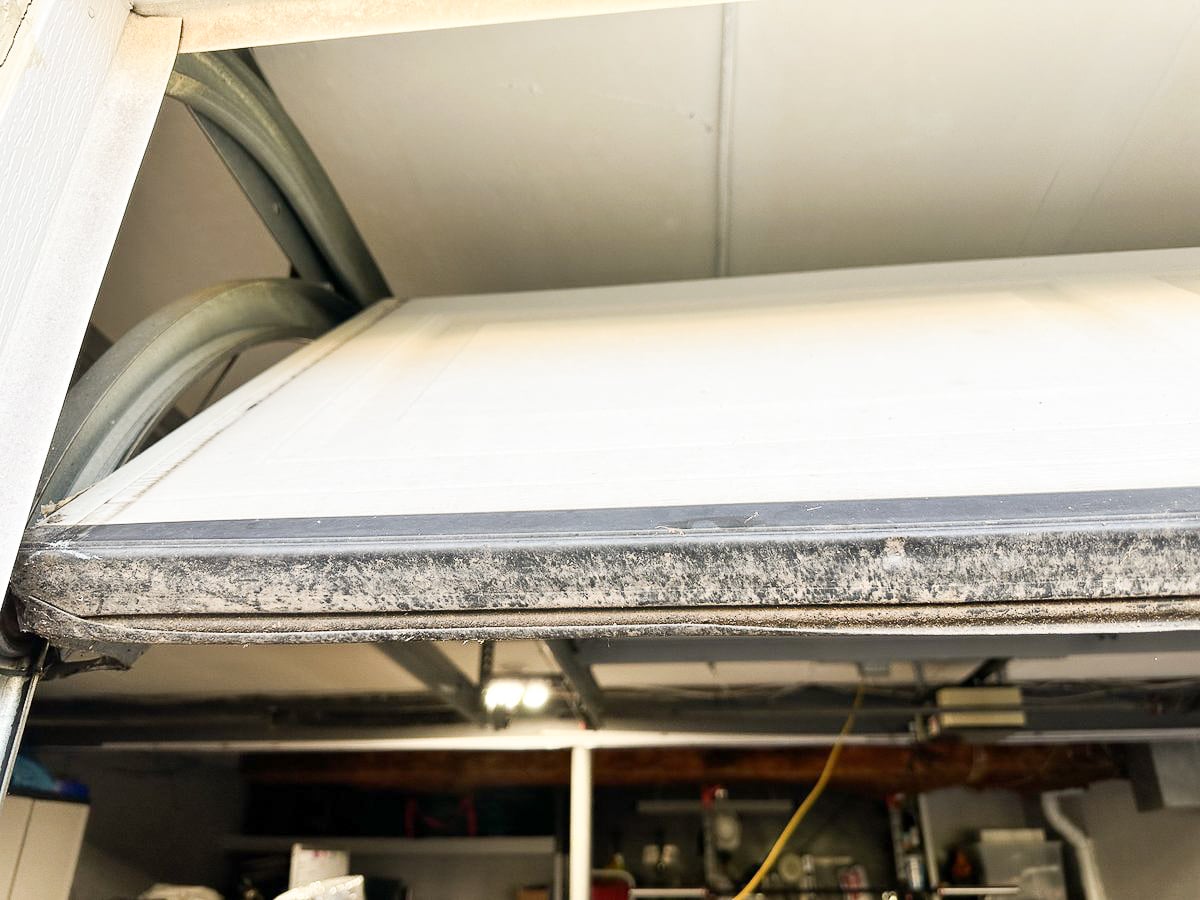
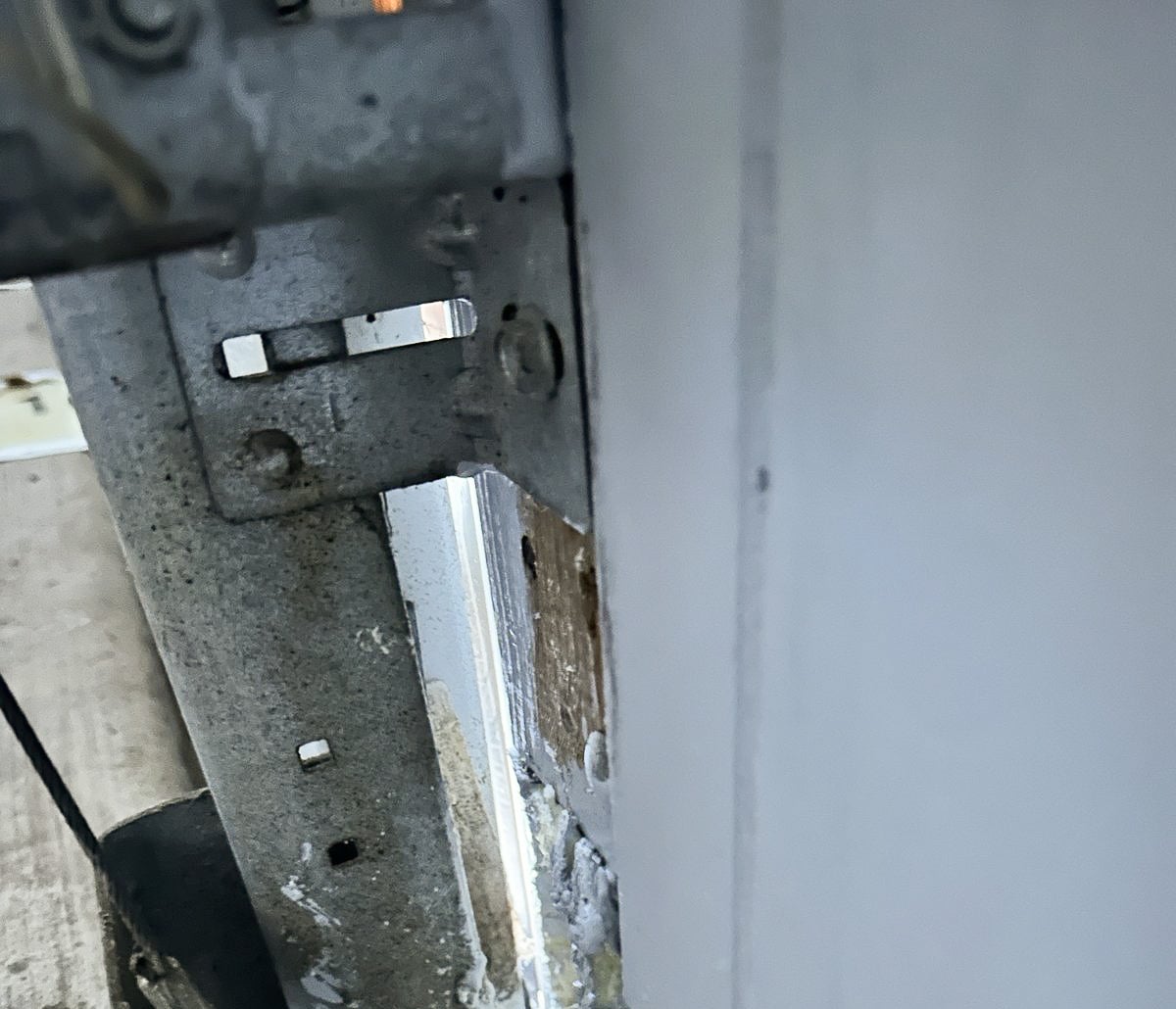
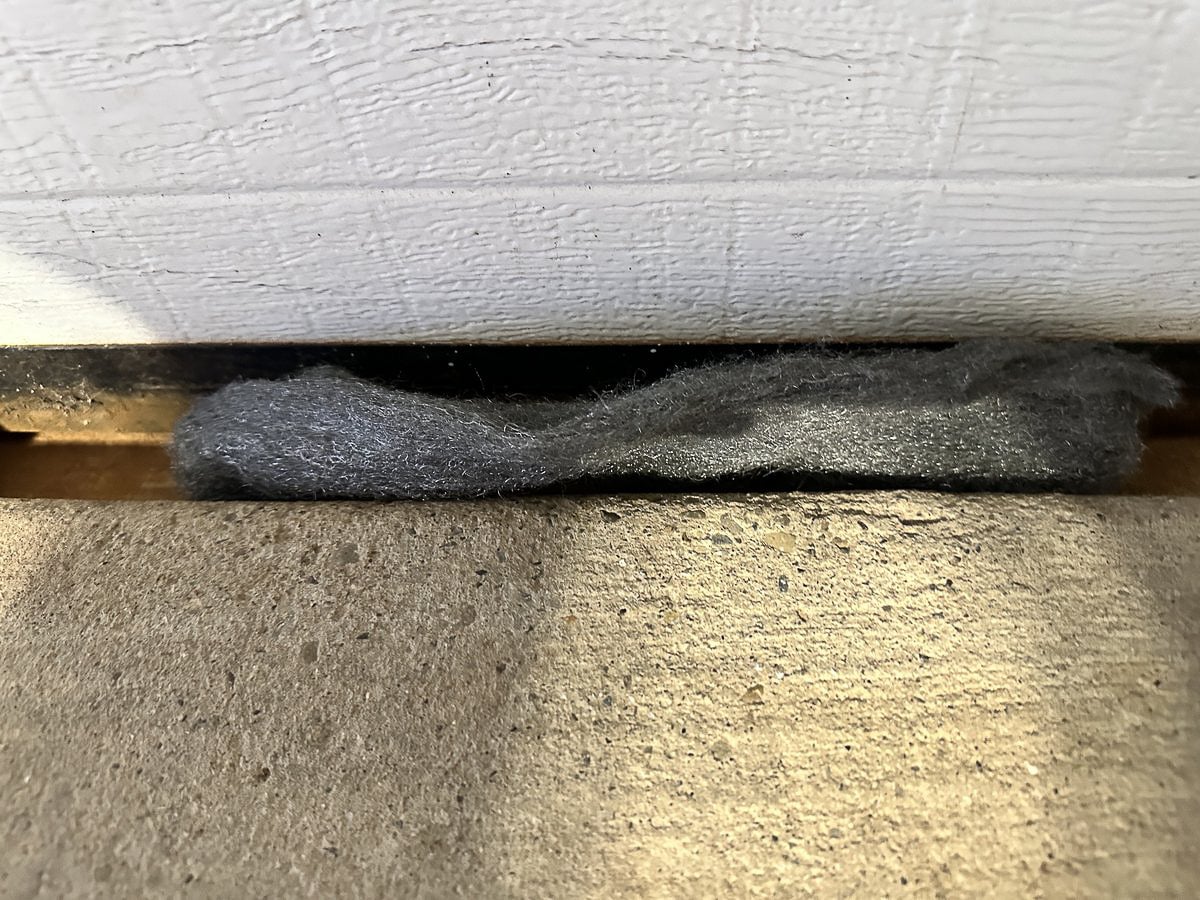
I ordered steel wool and packed it around the door seals, inside and out, to hold things over. Then I called the garage door company that originally installed my doors and garage door opener. They came out within a few days and gave me an estimate to replace the seals and the opener, and I'll be having that work done in a few weeks. The doors themselves are staying put.
If you're standing in your own garage wondering whether your door needs a fix or a whole new door, here's how to figure it out.
A garage door usually fails gradually. It gets louder, slower to open and close, or starts to sit uneven. Eventually it can just stop halfway up. That's when you have to decide whether to pay to fix it or buy a new door.
Most door problems can be repaired, but sometimes the door really does need to be replaced. Those cases are usually pretty obvious, and I'll walk you through the main ones below.
From time to time, articles on The How-To Home may reference third-party websites, businesses, products, services, or review platforms as part of editorial research. When evaluating companies or services, we may consider publicly available information such as customer reviews, business websites, service offerings, licensing information when available, and overall relevance to the topic.
Start With What Actually Failed
Most garage door problems come down to a handful of parts, and most of those parts can be replaced on their own.
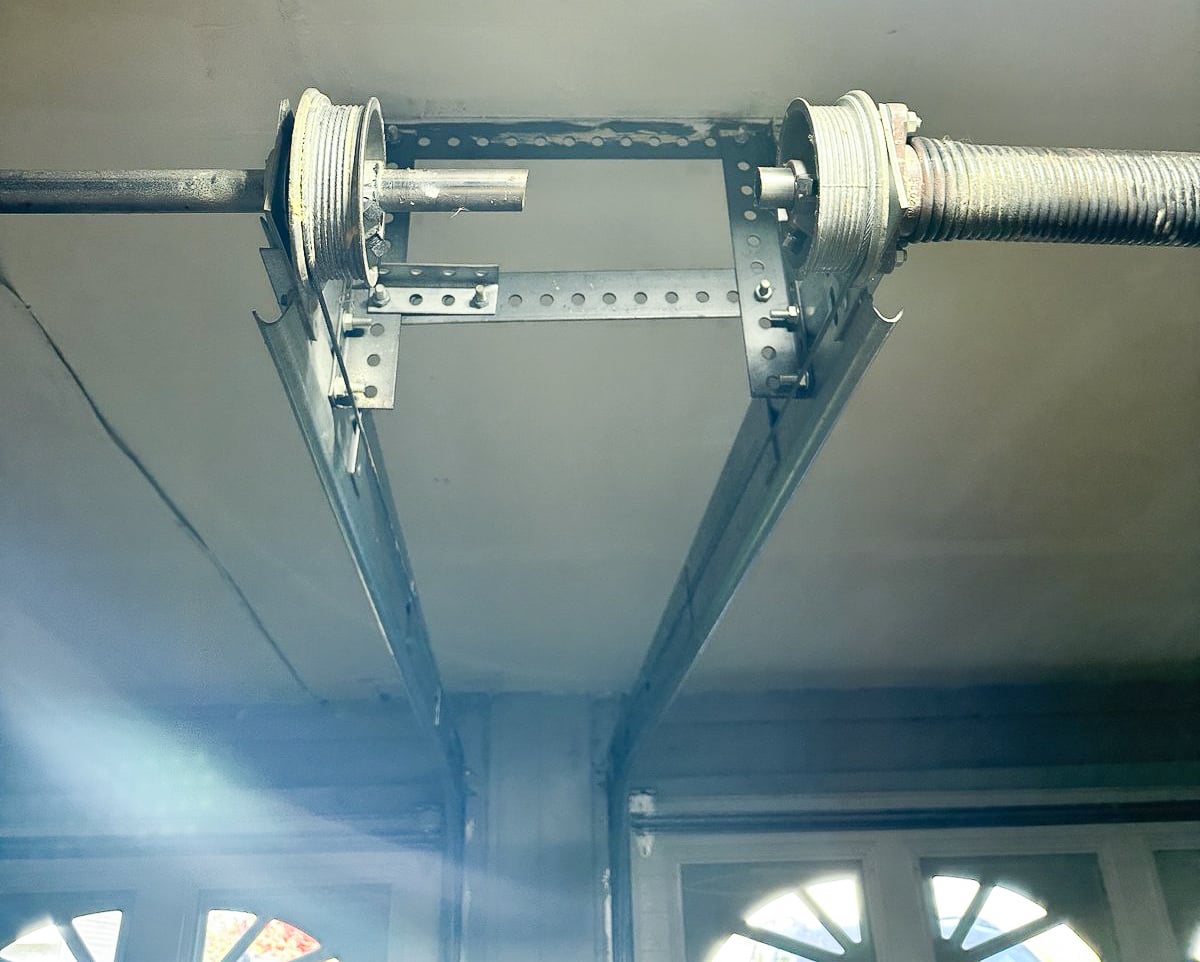
- Springs. They do the heavy lifting. A broken spring is the most common reason a door won't open, and it's a repair, not a reason to replace the door.
- Cables. Frayed or loose lift cables can make a door hang crooked. Also a repair.
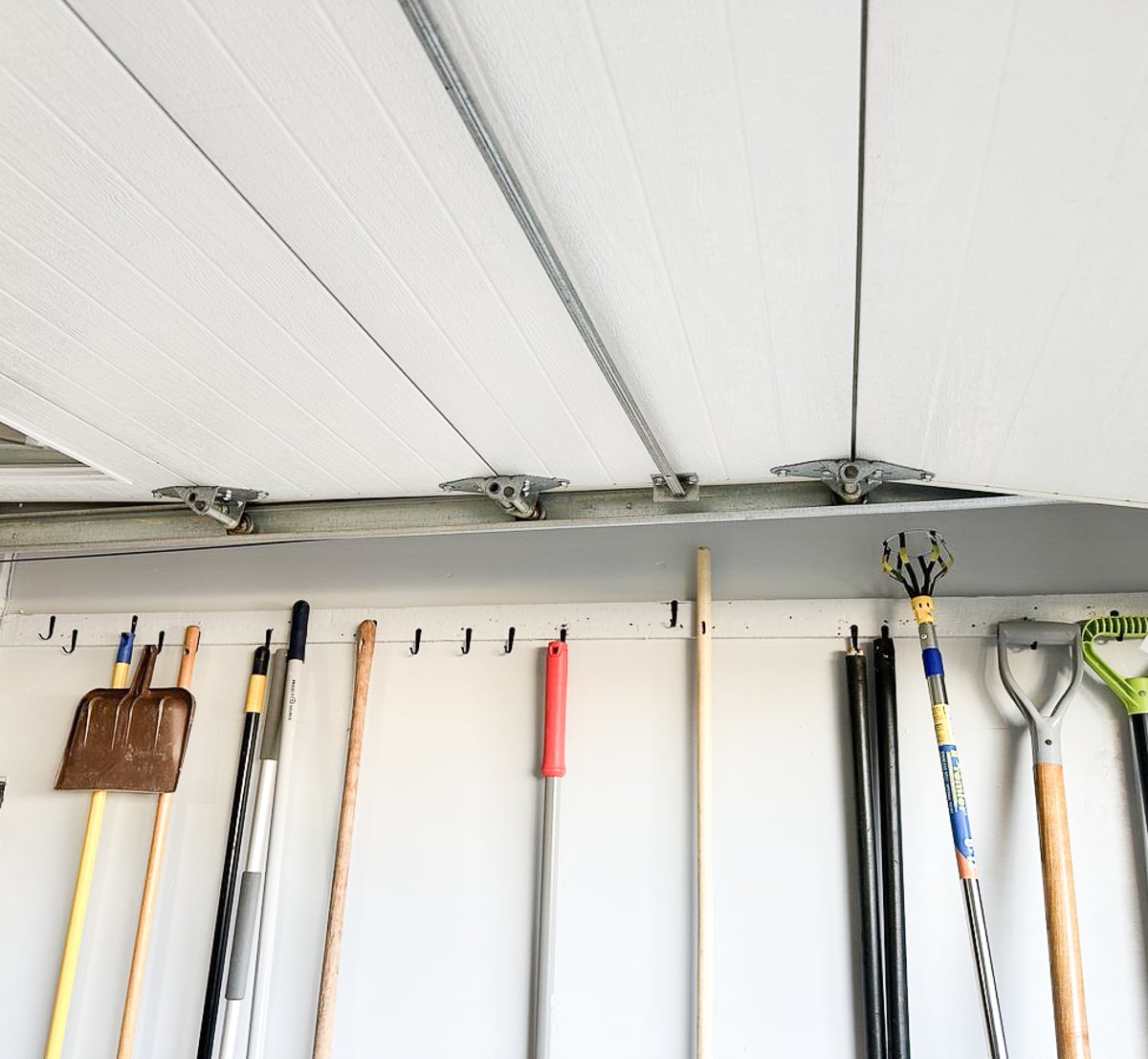
- Rollers and hinges. Worn rollers cause grinding and shaking. Swapping them out can make an old door run like a newer one.
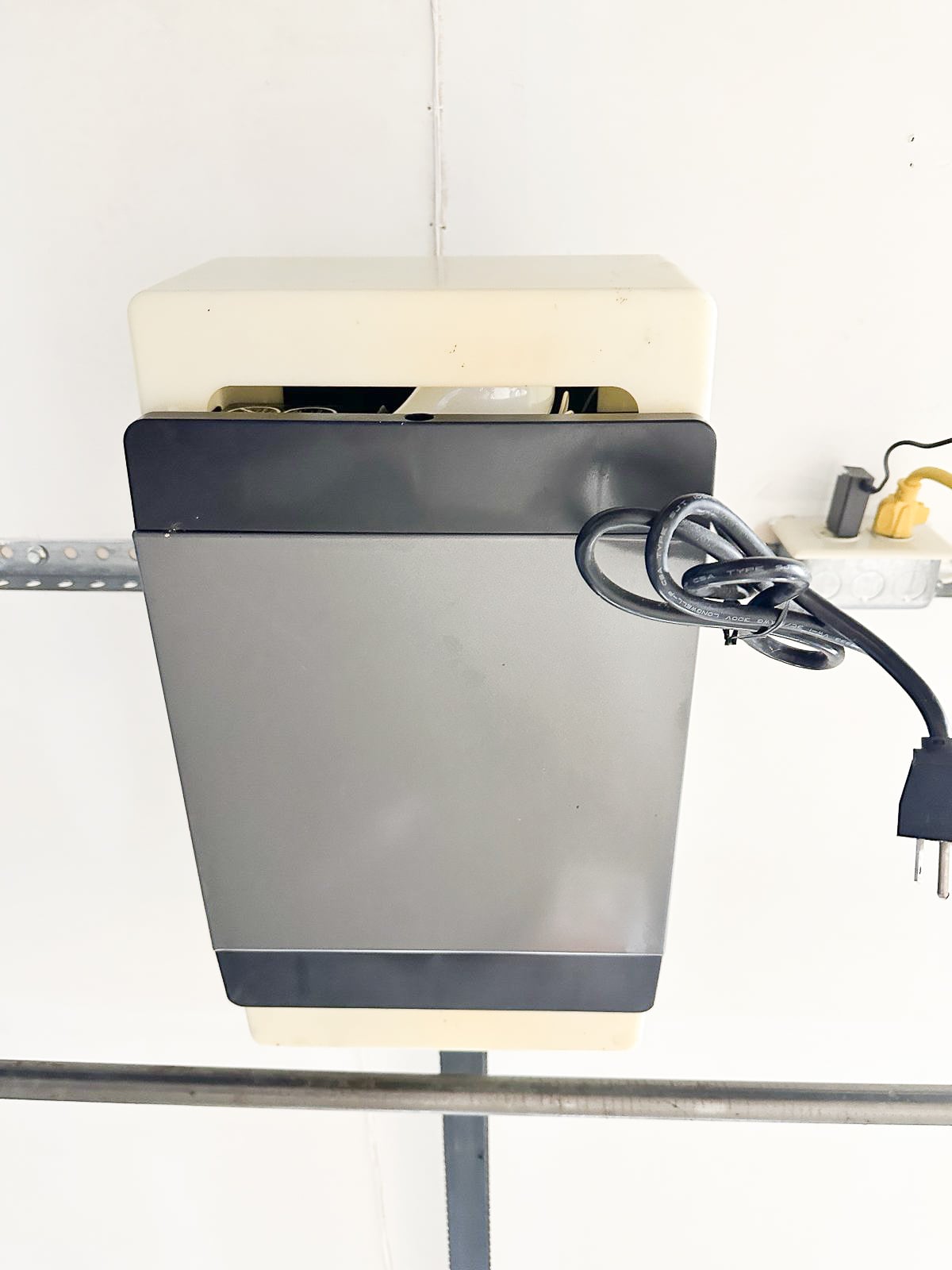
- The opener. A dead remote, a humming motor or a door that reverses for no reason usually points to the opener or its safety sensors, not the door itself.
- Weather seals. A cracked bottom seal lets in water, drafts and pests (ask me how I know...). It's one of the cheapest fixes on the whole system.
If the door panels are otherwise in good shape, these problems can usually be repaired.
When Repair Is the Clear Answer
Repair is the easy call when the door is structurally sound. The panels should be straight, the sections should fit snugly together and there shouldn't be any rust coming through the bottom of the door.
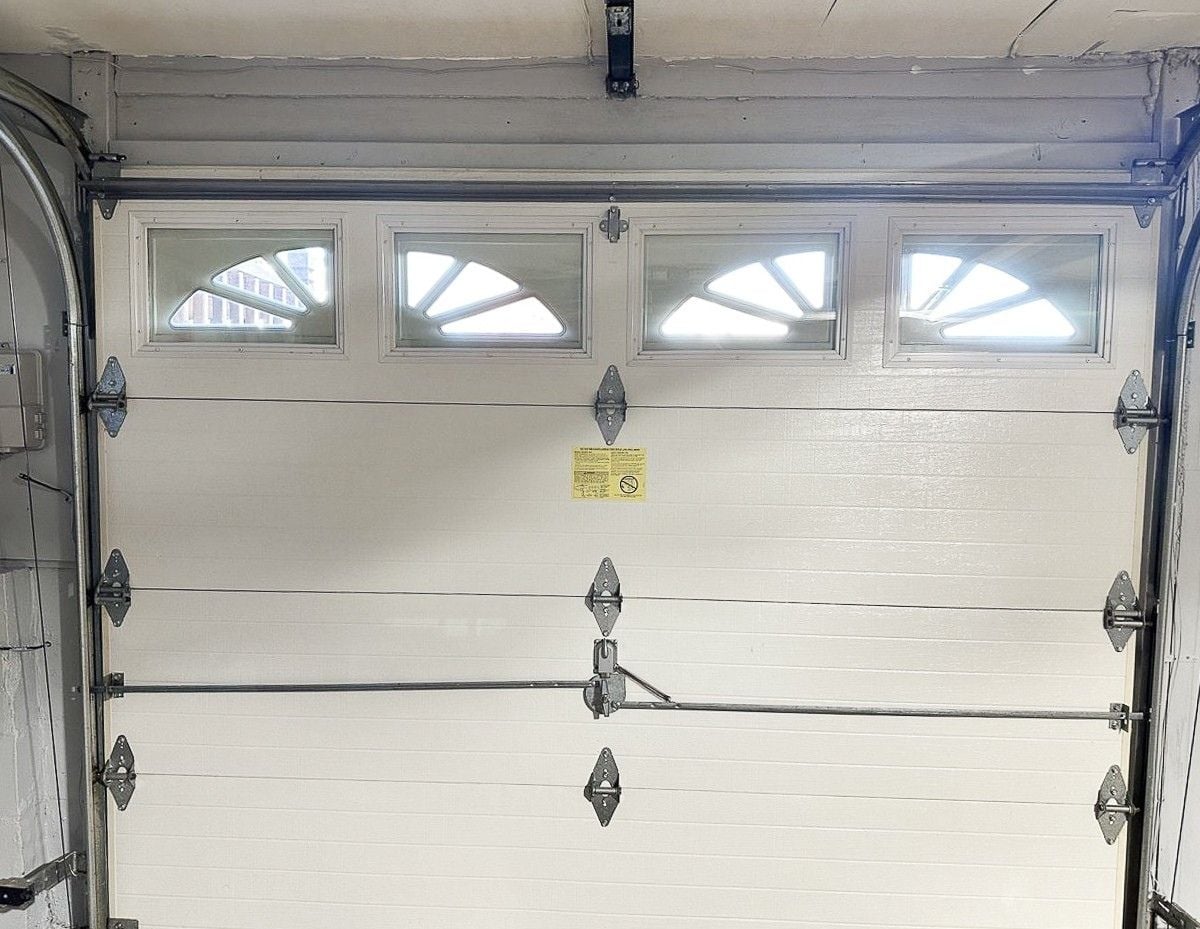
A door less than about 15 years old that only needs a spring, a cable or new rollers should be repaired. A dented panel is often a repair too, as long as a matching panel is still made for your model. Replacing a single section costs a lot less than a new door, and it looks identical from the outside.
If you like your door, repairing it with fresh hardware makes sense. A well-made door can last for many more years, and it's a waste to toss a good door because one part wore out.
When Replacement Starts to Make Sense
Some signs point the other way, and they tend to show up together.
- Several damaged panels, or a dented section on a model that isn't made anymore, so you can't find a match.
- Rust or rot in the bottom section that has spread into the panel instead of sitting on the surface.
- Repeated repairs. If you've paid for a spring, then cables, then rollers within a couple of years, the door is trying to tell you something.
- No insulation on an attached garage. An older single-layer door lets heat and cold straight into the house, and a newer insulated door can make a real difference in comfort and noise.
- Safety features you don't have. Very old doors and openers may not have modern pinch-resistant panels or reliable reversing sensors.
One of these on its own rarely settles it. Two or three together usually do.
What Doing It Yourself Should and Should Not Cover
This section is probably the most important on the page, since a garage door part can store a lot of force.
Safe for Most Homeowners
- Cleaning and lubricating the rollers, hinges and tracks with a garage door lubricant.
- Wiping and checking the weather seals, and replacing a bottom seal that slides into a channel.
- Testing the auto-reverse by placing a piece of wood under the closing door.
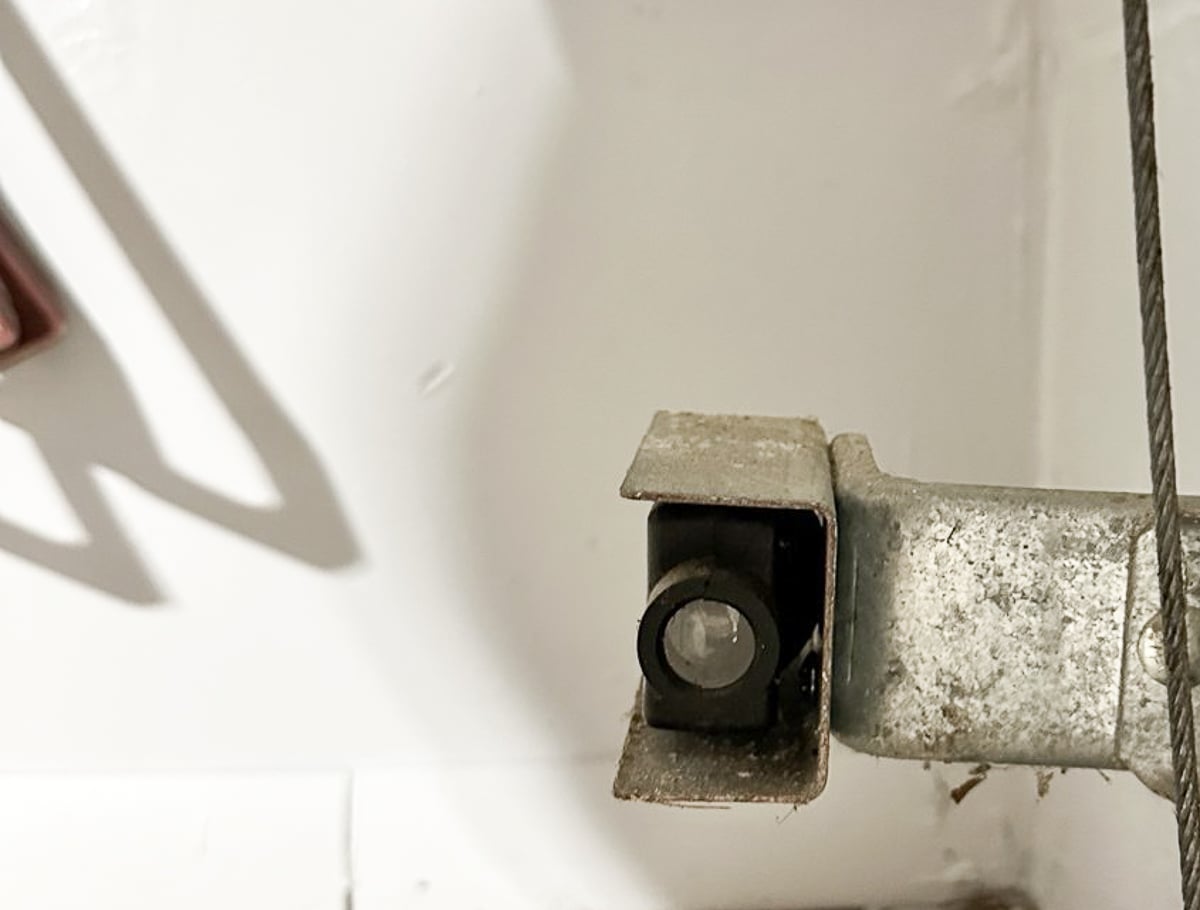
- Cleaning the photo-eye sensors and checking that they line up.
Leave to a Trained Technician, Every Time
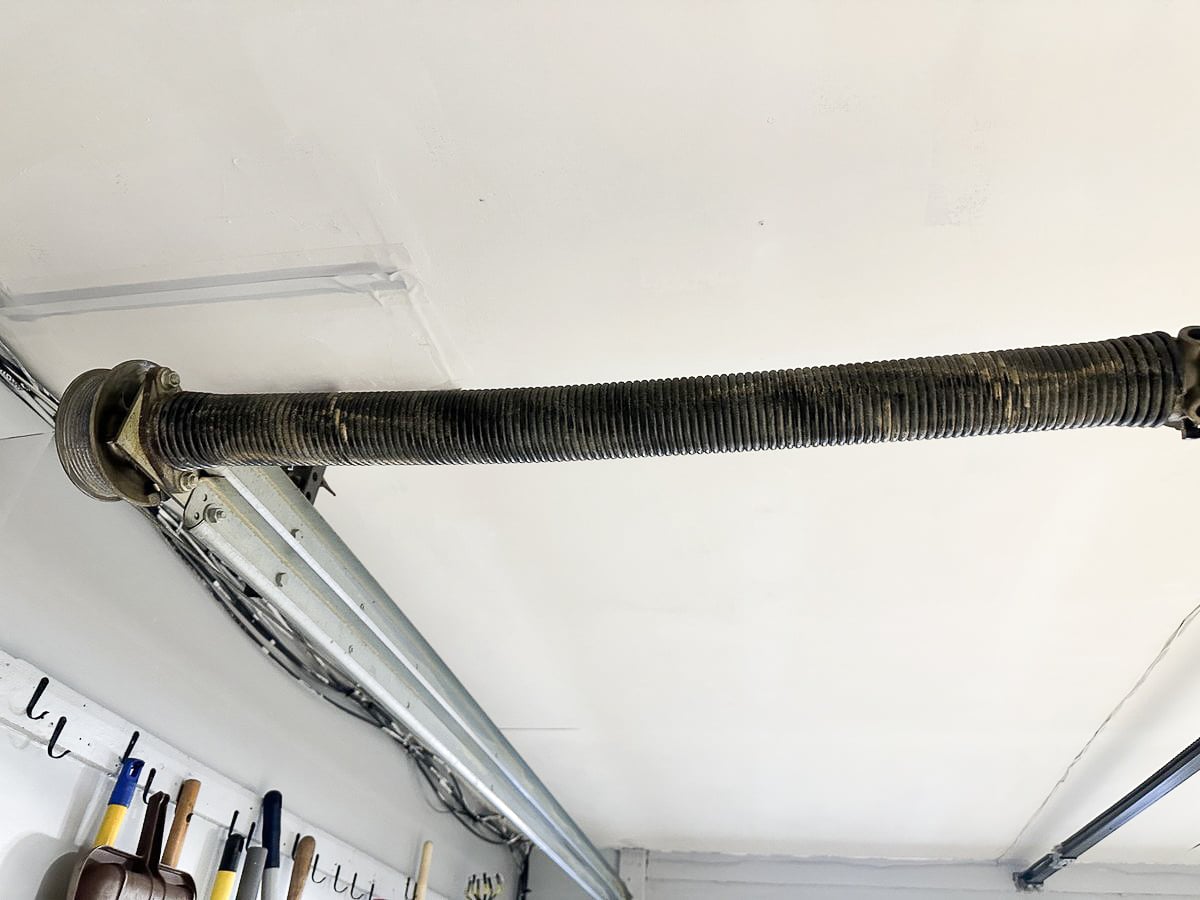
- Torsion and extension springs. They are wound under very high tension. Never adjust, wind, unwind, replace or release them yourself.
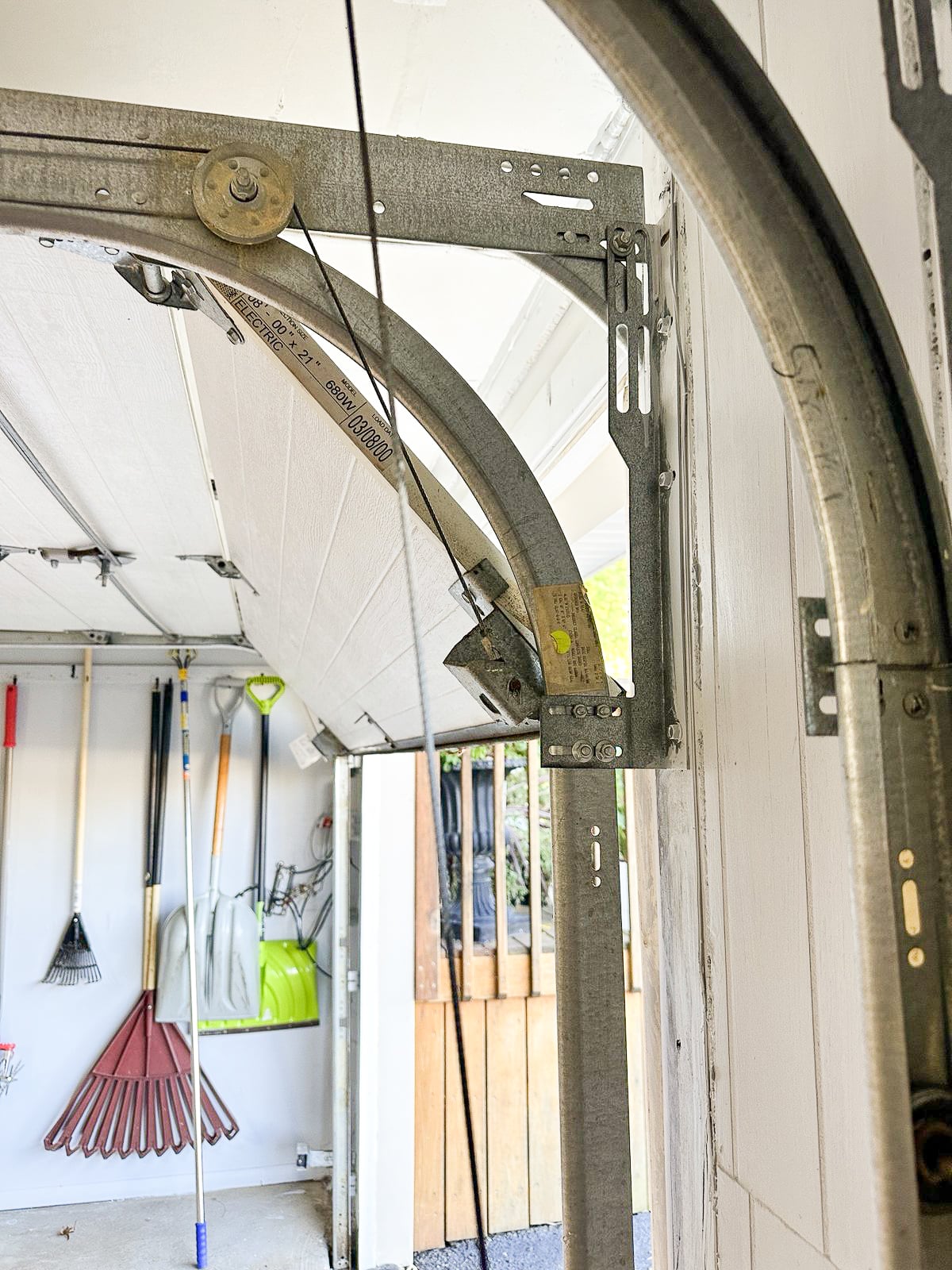
- Lift cables and bottom brackets. These are attached to the spring tension and can snap loose without warning.
- A door that has come off its track. It can weigh 200 pounds or more and can drop or twist suddenly. Keep people and cars away from it.
- The release cord on a door that is open or jammed. Pull it only when the door is fully closed. With a weak or broken spring, an open door has nothing holding it up once the opener is disconnected.
If a spring has broken, do not run the opener and do not try to lift the door by hand. Leave the door where it is until a qualified technician can look at it. These are the injuries that send people to the emergency room, and no saving is worth that risk.
How to Get a Straight Answer
A good technician will tell you the best option, even when that's the smaller job. Ask for a written quote before any work is done, and make sure each part is listed separately so you can see what's being replaced and why.
It also helps to ask two questions directly. How old do you think this door is? And if it's repaired now, what's likely to need attention next? The answers usually make the decision for you. In the desert heat, for example, the team that handles Scottsdale often finds that sun-dried seals and tired rollers are the real problem, and a well-chosen repair keeps an otherwise solid door going for years.
If you're still not sure after looking at your options, get a second opinion. A garage door is a big purchase, and taking a few days to decide costs you nothing.
The Bottom Line
It's time to repair when your door is sound and only one part is acting up. It's time to replace when the panels are failing, when expensive repairs keep piling up, or when an older door no longer fits the way you use your garage. Either way, keep spring and cable work out of your weekend plans. For more information on garage doors, including maintenance and common problems, see the guides from Century Garage Door Repair Service.
Is your garage door due for a checkup before winter, too?
Quick Answers
How long does a garage door usually last?
Most residential doors last 15 to 30 years with normal wear and tear. The springs and rollers wear out much sooner, and a technician replaces them on their own.
Is it worth repairing an old garage door?
Yes, if the panels are straight and solid and the problem is a spring, cable, roller or seal, which a technician can replace. If the panels are badly rusted, rotted or damaged beyond a matching repair, it is usually better to replace the door.
Can I replace a garage door spring myself?
No, springs have a lot of tension in them and can cause serious injury. Work with springs and cables should be done by a trained service technician.